
稀土钢

Search documents
包钢股份2026年2月27日涨停分析:净利润增长+股份回购+稀土业务转型
Xin Lang Cai Jing· 2026-02-27 02:15
Core Viewpoint - Baogang Co., Ltd. (SH600010) experienced a limit-up on February 27, 2026, with a price of 3.28 yuan, an increase of 8.39%, and a total market capitalization of 146.282 billion yuan, driven by improved net profit, share buybacks, and a strategic transformation in the rare earth business [1] Group 1: Financial Performance - The company's net profit for the first three quarters increased by 749 million yuan year-on-year, indicating a significant improvement in operational performance, which positively impacts stock price [1] - The total transaction amount reached 7.089 billion yuan, reflecting strong market activity [1] Group 2: Share Buyback - Baogang has implemented a share buyback plan, having repurchased approximately 130 million yuan worth of shares, accounting for about 0.12% of the total share capital, which signals the company's recognition of its own value and boosts investor confidence [1] Group 3: Strategic Transformation - The company has clarified its strategic positioning as "high-quality specialty steel + series rare earth steel," indicating a strategic transformation in its rare earth business, with pricing for rare earth concentrates adjusted according to a formula, enhancing the transparency of related transaction pricing mechanisms [1] - The strategic transformation in the rare earth sector is expected to provide new growth opportunities and profit points for the company [1] Group 4: Market Activity - On February 25, the company was included in the "Dragon and Tiger List," with a transaction amount of 5.88 billion yuan, total purchases of 1.647 billion yuan, and total sales of 613 million yuan, driven by net buying from retail and foreign investors, which contributed to the stock price increase [1] - The linkage effect from the general steel sector may also have played a role in Baogang's limit-up [1]

包钢爆炸板材厂生产的稀土钢是什么
第一财经· 2026-01-19 07:58
Core Viewpoint - The explosion at Baogang's steel plant has raised safety concerns in the steel industry, potentially leading to a temporary decrease in production and impacting steel prices in the short term [2][8]. Group 1: Incident Overview - On January 18, an explosion occurred at Baogang's steel plant, resulting in 2 deaths, 8 missing persons, and 84 injuries [2]. - The explosion took place in the rare earth steel section of the plant, causing significant damage to buildings and equipment [2]. Group 2: Rare Earth Steel - Rare earth steel, produced by Baogang, is a specialized material that includes elements like lanthanum and cerium, enhancing properties such as corrosion resistance and mechanical performance [5]. - Baogang has over 50 years of experience in rare earth steel development, producing various types of this material, which is recognized as a leading brand in China [5][6]. Group 3: Market Impact - The explosion may trigger a safety inspection across the steel industry, potentially reducing production rates in the short term [8]. - According to the latest statistics, China's crude steel production is projected to decline by 4.4% in 2025, while steel output is expected to grow by 3.1% [8]. - The incident could lead to a temporary decrease in operational rates, affecting coal production and providing some support for steel prices [8]. Group 4: Long-term Outlook - Despite short-term impacts from the explosion, the long-term outlook for the steel market in 2026 remains challenged by real estate issues and declining exports, with expected price fluctuations [9].

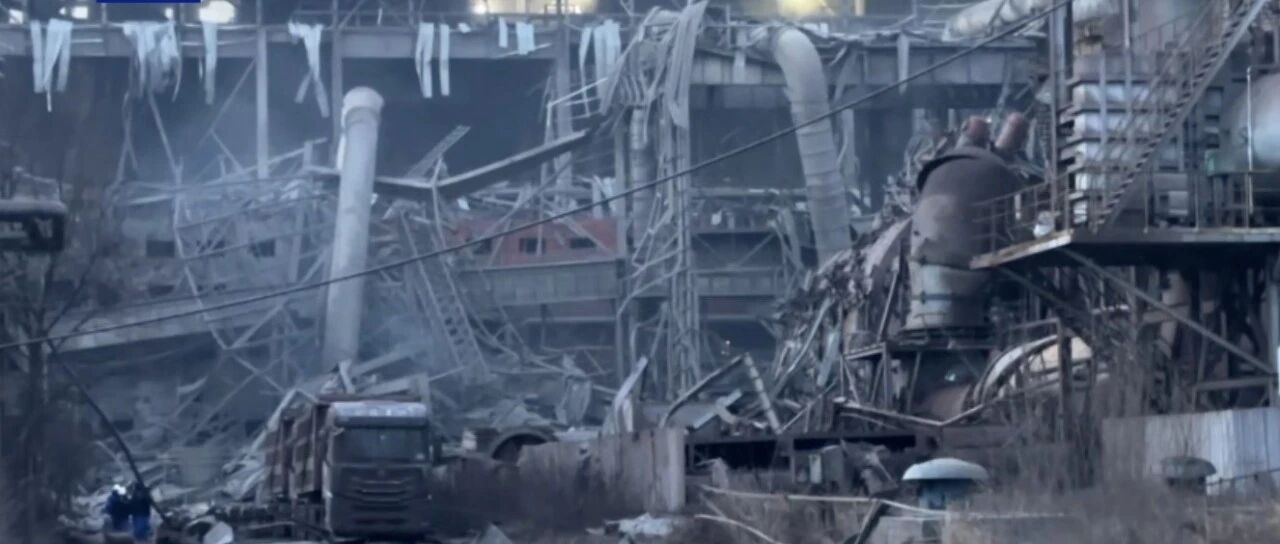
包钢发生爆炸的板材厂生产的稀土钢是什么?钢材市场影响几何
Di Yi Cai Jing· 2026-01-19 07:41
Core Viewpoint - On January 18, Baosteel Co., Ltd. (600010.SH) reported an explosion at its subsidiary's steelmaking department, resulting in 2 deaths, 8 missing persons, and 84 injuries [1] Group 1: Company Overview - Baosteel is the largest steel listed company in Western China, producing a range of steel products including hot and cold rolled sheets, galvanized steel, and seamless pipes [1] - The explosion occurred at Baosteel's rare earth steel plant, which has a significant impact on the surrounding infrastructure and equipment [1] Group 2: Rare Earth Steel - Rare earth steel is a specialized material that incorporates rare earth elements like lanthanum and cerium, enhancing properties such as corrosion resistance and mechanical performance [3] - Baosteel has over 50 years of experience in rare earth steel research and production, developing various types of this new material [3][4] - The company has recently achieved a record production of 101.71 million tons of rare earth steel in the first half of the year, with an 8.28% year-on-year increase [4] Group 3: Market Impact - The explosion may lead to a safety inspection across the steel industry, potentially affecting steel production in the short term [5] - Baosteel's announcement indicated that the explosion damaged parts of the plant, impacting production lines, with ongoing assessments of the losses [5] - According to the National Bureau of Statistics, China's crude steel production is projected to decline by 4.4% in 2025, while steel production is expected to grow by 3.1% [5][6] Group 4: Future Outlook - Industry experts suggest that the safety inspections following the Baosteel incident may temporarily reduce operational rates and could impact coking coal production, providing some support for steel prices [5][6] - Despite short-term impacts, the long-term outlook for the steel market in 2026 remains challenged by real estate and export declines, with expected price fluctuations [6]
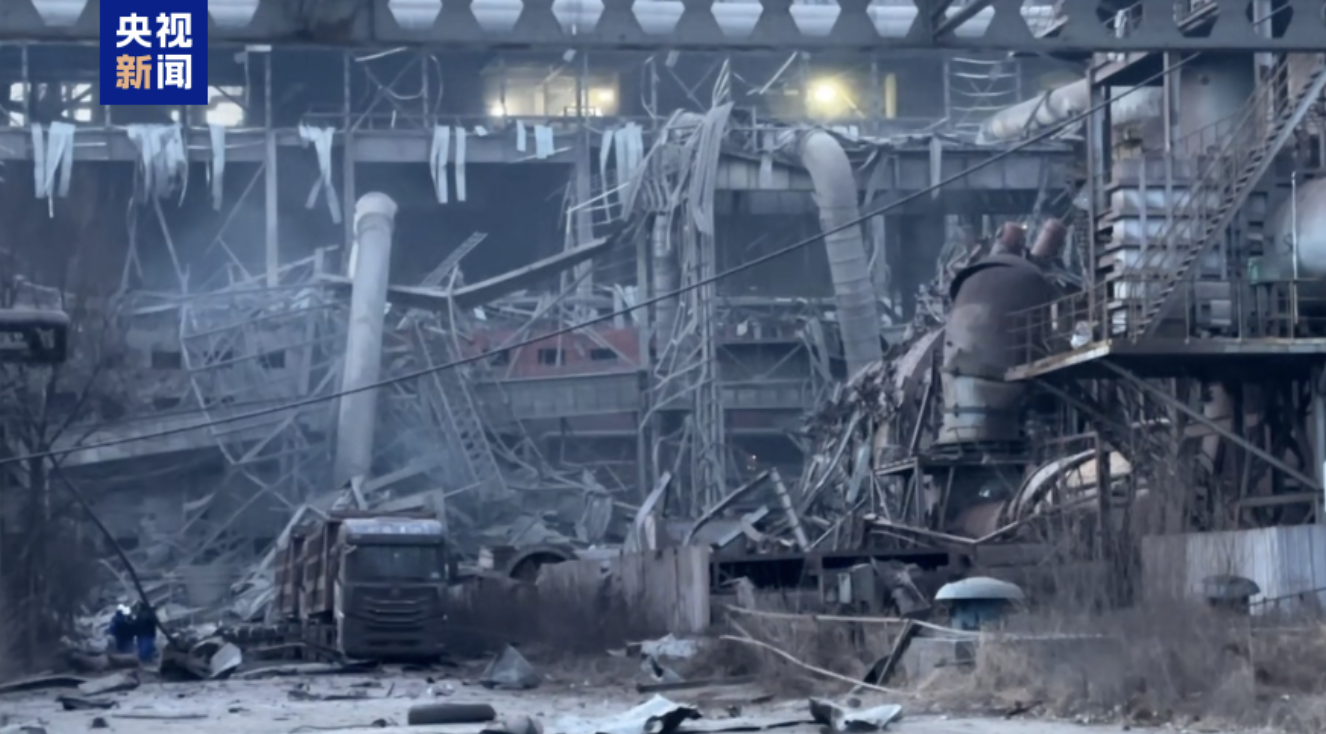
透过这场座谈会,读懂山东国企如何做“时间的朋友”
Feng Huang Wang Cai Jing· 2026-01-18 00:22
Core Insights - The meeting held on January 16 in Jinan focused on the development of provincial state-owned enterprises, emphasizing the need for these enterprises to adapt to new economic conditions and trends [1][2] Group 1: Economic Trends - The shift from investment-driven growth to consumption-driven growth is highlighted as a key trend, with an emphasis on understanding consumer needs and preferences [3][6] - The success of local attractions, such as the immersive performances in Linyi, indicates a growing demand for quality cultural and tourism experiences, which state-owned enterprises should capitalize on [4][6] Group 2: Quality Over Quantity - There is a prevalent issue in traditional industries where production capacity exceeds effective demand, leading to a "strong supply, weak demand" scenario [7][8] - The meeting addressed the need for state-owned enterprises to focus on quality improvements rather than merely increasing production capacity, advocating for a shift towards high-end products [9][10] Group 3: Green Transition - The year marks a significant transition towards carbon emission control, requiring enterprises to integrate low-carbon development into their strategic planning [10][12] - Early adoption of green technologies, such as the supercritical CO2 power generation project, is seen as crucial for future competitiveness and sustainability [12] Group 4: Embracing New Technologies - The meeting underscored the importance of leveraging the existing manufacturing base in Shandong to foster new industries, particularly in artificial intelligence and other emerging sectors [13] - State-owned enterprises are encouraged to focus on core industries while also exploring new growth areas to ensure long-term viability and leadership in future economic developments [13]

中钢协稀土钢应用推广工作组在北京成立
Zhong Guo Jin Rong Xin Xi Wang· 2026-01-12 12:04
Group 1 - The establishment of the Rare Earth Steel Application Promotion Working Group by the China Iron and Steel Association aims to promote collaborative innovation and high-quality development in the steel and rare earth industries [1] - The working group is expected to support the advancement of steel materials towards high-end applications and enhance manufacturing capabilities in China [1] - Baogang Group, a leading enterprise in rare earth steel research and production, has developed into a global hub for rare earth steel new material production and quality supply services [1] Group 2 - Baogang Group plans to deepen cooperation through the working group, focusing on overcoming application bottlenecks of rare earth steel in key sectors such as high-end equipment manufacturing, new energy, and marine engineering [2] - The company aims to increase R&D investment, break through core technologies, and improve standard system construction to promote the large-scale and series development of the rare earth steel industry [2] - Baogang Group has reported significant breakthroughs in the application of rare earth materials in four key areas: rail transportation, energy equipment, engineering machinery, and vehicle manufacturing [2]
中钢协:稀土钢应用推广工作组在北京成立
Xin Hua Cai Jing· 2026-01-08 12:40
Group 1 - The core viewpoint of the article is the establishment of a working group focused on the promotion of rare earth steel applications, aimed at fostering technological innovation and large-scale application within the industry [1] - The working group is organized by the China Iron and Steel Association and includes collaboration from Baosteel Group, Shanghai University, and the Metallurgical Science and Technology Development Center [1] - The working group consists of two sub-groups: one for engineering equipment using rare earth steel and another for building structures using rare earth steel, led by Baosteel Group and Shanghai University respectively [1] Group 2 - The formation of the working group signifies a new phase of systematic and standardized development in the promotion of rare earth steel applications in China [1] - The initiative aims to accelerate the transformation of China's rare earth resource advantages into industrial advantages by gathering various stakeholders, including government departments, steel enterprises, rare earth companies, and academic institutions [1]
向“新”向“绿” 内蒙古新型工业化走深走实
Nei Meng Gu Ri Bao· 2025-12-16 11:06
Core Viewpoint - The article emphasizes the importance of industrialization as the foundation and core driving force for modernization in China, highlighting Inner Mongolia's efforts in promoting new industrialization through high-quality development and the integration of advanced manufacturing and renewable energy [1]. Group 1: Industrial Growth and Achievements - Since the 14th Five-Year Plan, Inner Mongolia's industrial output has significantly increased, with the total industrial added value expected to surpass 1 trillion yuan in 2024, achieving an annual growth rate of 9.3% and accounting for 38% of GDP, an increase of 5.6 percentage points from the end of the 13th Five-Year Plan [1]. - Inner Mongolia ranks 14th nationally in total industrial output, with over 90 types of industrial products maintaining the largest production capacity in the country [1]. Group 2: Structural Optimization - The region is focusing on optimizing its industrial structure, with traditional industries undergoing renewal and new industries accelerating their development, particularly in sectors like renewable energy, new materials, and high-end equipment [3][4]. - Inner Mongolia has implemented policies to promote the integration and restructuring of traditional industries, resulting in the exit of over 31 million tons of restricted production capacity in steel, coking, and other sectors [4]. Group 3: Green Development Initiatives - Inner Mongolia is committed to green development, with a focus on energy-efficient practices and the promotion of clean energy sources, achieving a total installed capacity of renewable energy exceeding 150 million kilowatts, leading the nation [6]. - The region has created 642 green manufacturing units, reflecting a growing emphasis on sustainable production practices [5]. Group 4: Digital Transformation - The integration of digital technologies into the manufacturing sector is a key focus, with significant advancements in automation and smart technologies, such as the implementation of unmanned operations in coal mining [9]. - Inner Mongolia has established a robust digital economy foundation, with over 95,000 5G base stations and a computing power scale exceeding 218,000 P, supporting the digital transformation of manufacturing [12].
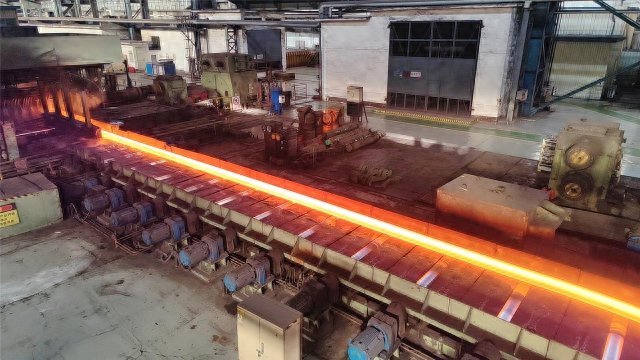
把前沿科技转化成发展动力——来自各地生产一线的创新实践
Ke Ji Ri Bao· 2025-12-08 10:03
Core Insights - The 20th National Congress of the Communist Party emphasizes the importance of fully implementing the new development concept and focusing on high-quality development as a central theme [1] Group 1: Path Innovation - Path innovation is identified as a core approach to cultivate new quality productivity, with the State Council recently issuing systematic guidelines for scene cultivation and large-scale application [2] - In Beijing, over 300 robot ecosystem enterprises are creating a strong wave of innovation, utilizing real-world scenarios for data collection and technology iteration [2] - Qingdao is focusing on a "10+1" innovative industry strategy, implementing a "ten-hundred-thousand" technology innovation project to enhance its technological capabilities [2] Group 2: Transformation of Research Achievements - Effectively transforming research outcomes into real productivity is crucial for cultivating new quality productivity, as demonstrated by the establishment of the Xiang'an Innovation Laboratory in Xiamen [3] - The collaboration between academic research teams and enterprises is essential for successful product commercialization, ensuring a stable and efficient production process [3] Group 3: Integration of Innovation Chains - The application of technological innovations in the industrial chain is vital for transforming traditional industries and fostering new ones, as seen in Chongqing's automotive sector [4] - Chongqing's automotive industry has a research and development investment intensity 69% higher than the national average, with 96% of its production coming from independent brands [4] - The establishment of a year-round automotive testing facility in Heihe has significantly reduced testing costs and time, enhancing the efficiency of vehicle development [4] Group 4: Synergy in Industry - The integration of rare earth elements with steel production at Baotou Steel has led to the creation of new high-value products, increasing the average value-added by 3,000 yuan per ton and generating over 3.6 billion yuan in annual benefits [5] - Inner Mongolia is promoting innovation chain integration, aiming to establish around 30 key industry chain innovation alliances by 2027 [5] Group 5: Optimizing Innovation Ecosystems - Tailoring innovation ecosystems to local conditions is fundamental for fostering high-quality development, as evidenced by the growth of the commercial aerospace sector in Hebi [6] - The establishment of a satellite industry fund in Hebi has attracted significant social investment to support satellite manufacturing and applications [6] - Jilin Province is building high-level breeding innovation platforms to enhance agricultural productivity, showcasing over 20 new soybean varieties [6] Group 6: Talent Development - Xinjiang has seen a 2.6-fold increase in R&D personnel since 2020, with significant contributions to the renewable energy sector from newly recruited high-level talents [7] - The establishment of academic workstations and substantial funding support in Aksu is creating a talent pool to drive industrial development [7] - High-level platforms are emerging in Xinjiang to address technological challenges and facilitate the transformation of research outcomes into practical applications [7]
把前沿科技转化成发展动力
Ke Ji Ri Bao· 2025-12-07 23:56
Core Viewpoint - The 20th Central Committee's Fourth Plenary Session emphasizes the importance of fully implementing the new development concept and focusing on high-quality development, with significant deployments being made across various sectors [1] Group 1: Path Innovation and New Quality Productivity - Path innovation is identified as a core approach in cultivating new quality productivity, with the State Council issuing systematic guidelines for scene cultivation and large-scale application [2] - In Beijing, over 300 robot ecosystem enterprises are creating a strong wave of innovation, utilizing real-world scenarios for data collection and technology iteration [2] - Qingdao is focusing on a "10+1" innovative industry strategy, implementing a "ten-hundred-thousand" technology innovation project to enhance its technological landscape [2] Group 2: Effective Transformation of Research Achievements - The effective transformation of research outcomes into real productivity is crucial for cultivating new quality productivity, as demonstrated by the establishment of the Xiang'an Innovation Laboratory in Xiamen [3] - The collaboration between academic research teams and enterprises is essential for moving from basic research to industrialization, ensuring efficient product development and quality control [3] Group 3: Deep Integration of Innovation Chains - The application of technological innovations within industrial chains is necessary to transform traditional industries and foster new ones, thereby maximizing development potential [4] - In Chongqing, the automotive industry is experiencing significant R&D investment, with local brands accounting for 96% of production [4] - The establishment of a year-round automotive testing facility in Heihe has significantly reduced testing costs and time, enhancing the R&D cycle for automotive companies [4] Group 4: Synergy in Industry and Technology - The integration of rare earth elements with steel production at Baotou Steel has led to the creation of new high-value products, generating over 3.6 billion yuan in annual benefits [5] - Inner Mongolia is promoting innovation chains to support the development of key industrial clusters, aiming for comprehensive coverage by 2027 [5] Group 5: Optimizing Innovation Ecosystems - Tailoring innovation ecosystems to local conditions is fundamental for fostering high-quality development, as seen in Hebi's burgeoning commercial aerospace sector [6] - Jilin Province is establishing high-level breeding innovation platforms to enhance agricultural productivity, showcasing over 20 new soybean varieties [6] Group 6: Talent Development and Economic Impact - Xinjiang has seen a 2.6-fold increase in R&D personnel since 2020, contributing to significant economic benefits in the renewable energy sector [7] - The introduction of high-level talent in southern Xinjiang is driving industrial development, with initiatives to create a pool of skilled professionals [7]
包钢集团:“稀”力量服务国家战略与地方发展
Zheng Quan Ri Bao Zhi Sheng· 2025-12-01 13:10
Core Viewpoint - Baotou Steel Group is showcasing its achievements and responsibilities in the rare earth industry, emphasizing its commitment to national strategic development and high-quality growth in Inner Mongolia [1][2]. Group 1: Company Achievements - Baotou Steel Group has invested 176 million yuan in resource exploration at the Baiyun Obo site, gaining a comprehensive understanding of its rare earth resources [1]. - The company has established a green smelting upgrade project for rare earths, achieving global leadership in six aspects including capacity and technology, currently meeting over 70% of China's rare earth market demand [1]. - The market share for praseodymium-neodymium and lanthanum-cerium products has reached 66% and 80% respectively, with the company maintaining global leadership in the production capacity and output of rare earth metals and magnetic alloys [1]. Group 2: Innovation and Development - Since 2023, Baotou Steel Group has increased its R&D investment, establishing 16 national-level research platforms and participating in 25 national research projects, resulting in 399 innovation achievements [2]. - The company has developed a 500 MPa rare earth wind power steel that meets the highest global engineering application standards, with multiple innovations recognized through "three firsts" certification [2]. - Baotou Steel Group is expanding into new application fields for rare earths, achieving breakthroughs in healthcare, agriculture, and textiles, with innovative products such as rare earth antibacterial dressings and heat-retaining materials [2]. Group 3: Future Goals - The company aims to become a leading comprehensive service high-tech enterprise in the global rare earth supply chain, strengthening its entire rare earth element industry system and exploring more end-use application areas to enhance its global influence [2].