笔记本电脑芯片

Search documents
华尔街见闻早餐FM-Radio | 2026年2月24日
Hua Er Jie Jian Wen· 2026-02-23 23:26
Market Overview - Concerns over AI and renewed risks from trade wars led to a decline of at least 1% in all three major US stock indices, with financial and software stocks dragging down the market [2] - IBM's stock plummeted 13%, marking its largest single-day drop in 25 years, due to threats posed by Anthropic's products to programming languages [2][9] - The financial sector fell over 3%, with American Express down more than 7% and KKR dropping nearly 9% [2] - Retail stocks sensitive to tariffs also fell, with Wayfair down nearly 10% [2] - European and UK stock indices dropped from record highs, with Novo Nordisk's stock falling over 16% after trial results showed its weight loss drug was less effective than Eli Lilly's [2] US Treasury and Currency Markets - US Treasury yields rebounded, with the 10-year yield approaching a three-month low [3] - Following the Supreme Court's overturning of Trump's tariffs, the US dollar fell from a four-week high over two days [3] - The offshore RMB rose above 6.89, nearing a three-year high [3] AI and Technology Developments - Anthropic announced its Claude Code tool could modernize Cobol systems, causing IBM's stock to drop significantly [9] - Nvidia launched a new laptop chip aimed at re-entering the consumer PC market, focusing on lightweight designs with long battery life [22] - ASML revealed breakthroughs in EUV light source technology, potentially increasing chip production by 50% by 2030 [22] Trade and Tariff Developments - The US Customs announced it would stop collecting tariffs deemed illegal by the Supreme Court starting February 24 [19] - The Democratic Party aims to block any attempts to extend tariffs and is pushing for a refund scheme for previously paid tariffs [19] - The European Parliament has paused the approval of the US-EU trade agreement, with the UK potentially facing the largest impact from new tariffs [20] Private Equity and Market Conditions - Bain & Company reported that the private equity industry is facing a prolonged downturn, with a backlog of $3.8 trillion in assets [24] - The report indicated that profit return rates have dropped to a 16-year low, and investor expectations have risen to a 20% return threshold [24] AI and Economic Predictions - A hypothetical report from Citrini Research suggested that while AI productivity may exceed expectations, it could lead to significant job losses and economic contraction by 2028 [21] - The report triggered a sell-off in various sectors, including food delivery and payment software, as investors reacted to potential risks associated with AI [21] Robotics and AI Applications - The performance of humanoid robots during the Spring Festival Gala highlighted significant advancements in hardware, with expectations for a surge in shipments from 20,000 to 76,000 units by 2026-2027 [29] - The introduction of AI capabilities in robotics is anticipated to drive further applications and market growth [29]


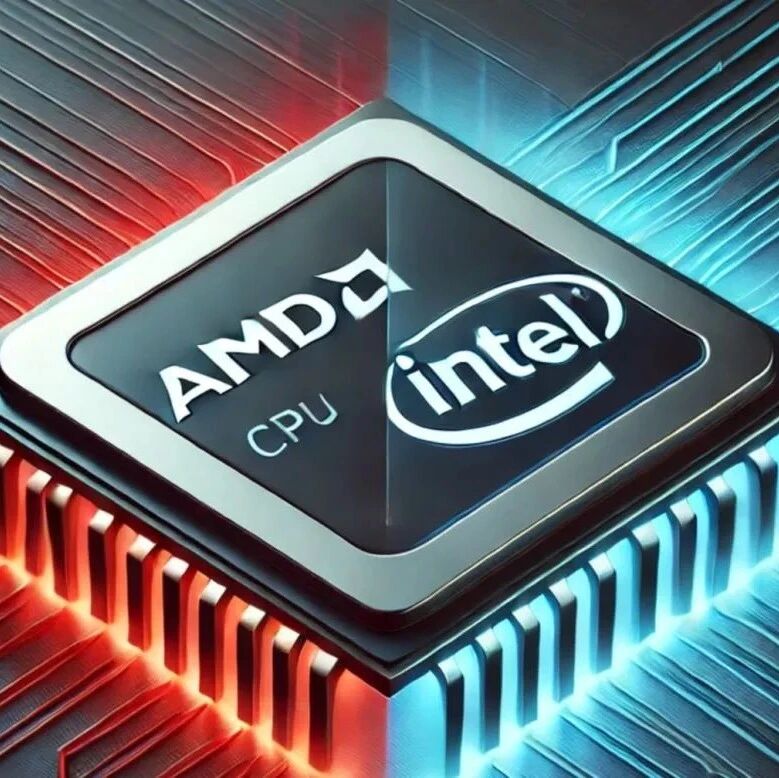
英特尔大涨超7%,报道称在磋商纳AMD为新代工客户
美股IPO· 2025-10-02 03:53
Core Viewpoint - Intel is in discussions with AMD regarding potential wafer foundry collaboration, which could significantly bolster Intel's foundry business and manufacturing technology investments [2][4]. Group 1: Intel's Foundry Business - Intel is actively seeking large clients to support its foundry business, with AMD potentially becoming a key customer if negotiations succeed [2][6]. - Recent investments and support from various entities, including SoftBank and the U.S. government, have provided Intel with a financial boost, totaling $111 billion in investments [6]. - The collaboration with AMD would signal to other chip companies that Intel is capable of handling foundry operations, despite its current technology being perceived as less advanced than TSMC's [7]. Group 2: AMD's Strategic Move - AMD's choice to partner with Intel for manufacturing signifies a level of confidence in its main competitor, breaking traditional competitive dynamics in the x86 architecture market [8]. - The recent easing of export restrictions by the U.S. government has influenced AMD's decision to consider domestic manufacturing options, aligning with broader governmental policies aimed at boosting U.S. chip production [8]. - Although the partnership may initially focus on lower-technology chips, it reflects AMD's strategic alignment with U.S. manufacturing goals [8].