类脑计算芯片

Search documents
中科院AI芯片新路径登Science!铁电材料新结构突破存储密度极限
量子位· 2026-01-24 07:33
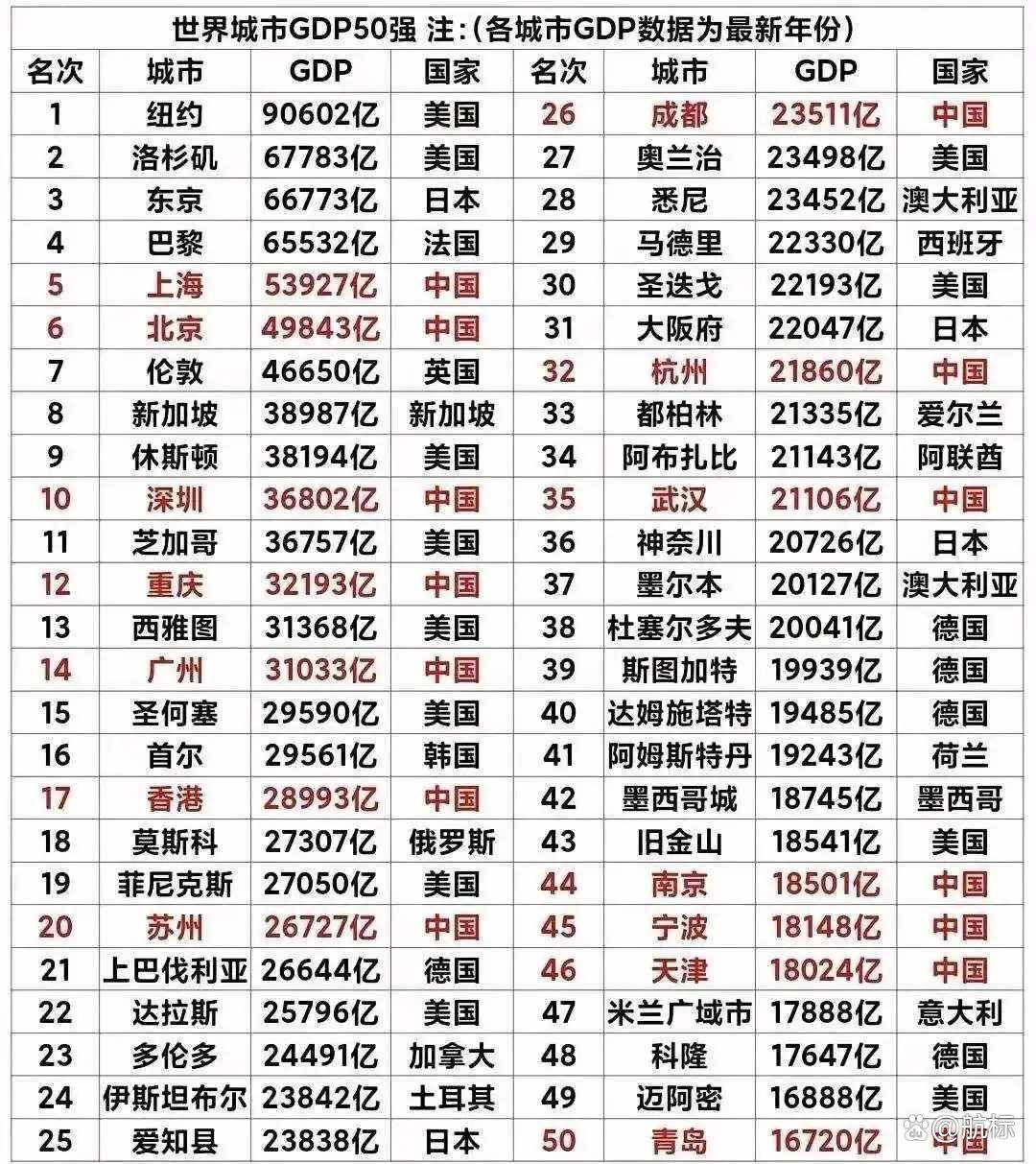
Core Viewpoint - The research from the Institute of Physics, Chinese Academy of Sciences, reveals a significant breakthrough in ferroelectric materials, specifically in the atomic-level "one-dimensional charged domain walls" within zirconia, laying a new physical foundation for next-generation artificial intelligence devices [1][4]. Group 1: Breakthrough in Ferroelectric Materials - The research team confirmed that the width and thickness of these domain walls are only the size of a single crystal cell, confined within a two-dimensional polar layer, achieving the physical limit of size [3][10]. - This discovery unveils the charge screening mechanism of oxygen ions' "self-balancing," breaking through the traditional storage density bottleneck of two-dimensional domain walls [3][22]. - The unique "polarization-ion" coupling transport characteristics of this one-dimensional structure open new physical pathways for constructing high-energy-efficient brain-like computing chips and AI devices [4][24]. Group 2: Characteristics of Ferroelectric Materials - Ferroelectric materials are defined as a class of crystalline materials with spontaneous polarization, where the polarization direction can be reversed by an external electric field [6]. - These materials can be visualized as filled with tiny "electrical compasses" that indicate the direction of charge separation rather than geographical north and south [6][7]. - The concept of ferroelectric domains is introduced, where these "compasses" align in groups to minimize energy, forming domain walls that separate different polarization regions [8][9]. Group 3: Unique Structure of Domain Walls - The research team discovered that in zirconia, the originally broad two-dimensional "walls" are compressed into atomic-scale one-dimensional "lines" due to the material's unique sub-cell layered structure [11][12]. - These one-dimensional structures are not ordinary "walls" but special charged domain walls, categorized as "head-to-head" and "tail-to-tail" [12][13]. - The stability of these high-energy structures, which are typically unstable, is maintained through the introduction of high concentrations of point defects acting as "charge glue" [29][30]. Group 4: Implications for Data Storage and Ion Transport - The theoretical data storage density using these atomic-level one-dimensional domain walls can reach 20TB per square centimeter, equivalent to storing 10,000 HD movies on a device the size of a postage stamp [24]. - The material exhibits superior ionic conductivity at room temperature, outperforming traditional solid electrolytes like yttria-stabilized zirconia (YSZ), transforming it into a "highway" for ion transport [22][23]. - The research highlights a precise "charge compensation mechanism" that allows the one-dimensional domain walls to exist stably while facilitating efficient ionic conduction [36].

全球GDP50强城市大洗牌:深圳略逊新加坡,成都远超悉尼,南京逼近旧金山!
Sou Hu Cai Jing· 2025-12-15 07:10
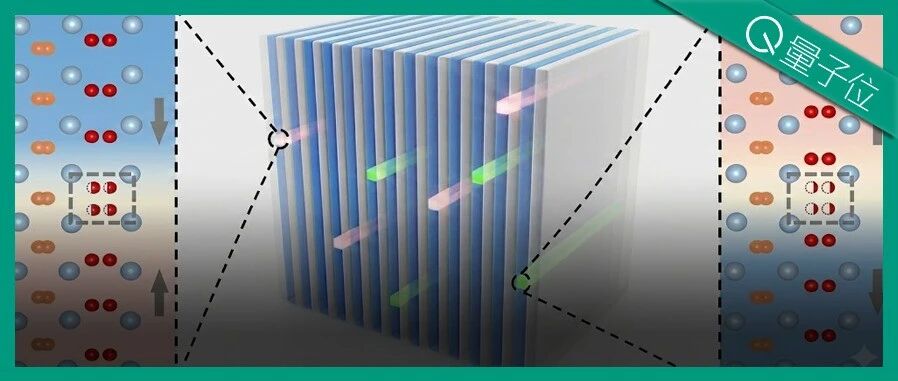
Core Insights - The recent global city GDP rankings reveal a significant shift in the economic landscape, with Chinese cities like Shenzhen, Chengdu, and Nanjing making notable advancements [1][8] - Shenzhen's GDP reached 36,802 billion yuan, closely following Singapore, while Chengdu surpassed Sydney for the first time with a GDP of 23,511 billion yuan [1][4] - The rise of these cities is attributed to geographical advantages, continuous policy benefits, and robust industrial innovation [1][8] Group 1: Shenzhen - Shenzhen's GDP of 36,802 billion yuan is just 2,185 billion yuan behind Singapore, marking a 12% reduction in the gap from the previous year [1][2] - The city is a core engine of the Guangdong-Hong Kong-Macao Greater Bay Area, benefiting from its proximity to the Pearl River Delta manufacturing base and international shipping routes [1][2] - Shenzhen leads in PCT international patent applications, accounting for 34.6% of the national total, with major contributions from companies like Huawei and Tencent [2] Group 2: Chengdu - Chengdu's GDP reached 23,511 billion yuan, surpassing Sydney by a narrow margin of 59 billion yuan, marking its emergence as a significant inland economic hub [4][5] - The city has developed a robust international air transport network, with a combined passenger throughput of 86 million at its airports in 2024 [4] - Chengdu's electronic information industry is a key driver, with a scale exceeding 2 trillion yuan, representing 38.7% of its GDP [4][5] Group 3: Nanjing - Nanjing's GDP reached 18,501 billion yuan, just 40 billion yuan shy of San Francisco, showcasing its competitive edge in the digital economy [7][8] - The city boasts a complete industrial chain in software and information services, with revenues reaching 820 billion yuan [7] - Nanjing's strong academic resources contribute significantly to its innovation, with 48 universities generating 65% of the city's invention patents [7]