纸黄金/积存金

Search documents
金价“拉锯战”中的投资图谱:近六成受访者为“新玩家” 近七成不买黄金首饰
Sou Hu Cai Jing· 2026-02-14 00:15
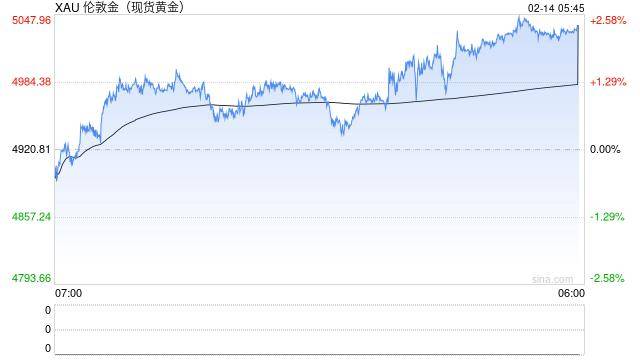
Core Viewpoint - The gold market is experiencing significant volatility, with prices fluctuating dramatically, indicating a shift from a peripheral asset to a core investment asset for many investors [2][4]. Group 1: Market Dynamics - Gold prices have shown extreme fluctuations, reaching nearly $5,600 per ounce before dropping to around $4,400, and then stabilizing around $5,000 [2]. - A recent survey indicates that 38.8% of respondents have over 10% of their investable assets in gold, with 57.17% being new investors who entered the market since last year [2][4]. - The average holding cost for new investors is relatively high, with many entering the market after significant price increases [3]. Group 2: Investor Sentiment and Behavior - The primary motivations for investing in gold include inflation protection (26.58%) and risk aversion (23.05%), which together account for nearly half of the responses [3]. - A notable 54.95% of respondents indicated they would not consider purchasing gold jewelry due to high prices and associated costs, reflecting a historical separation between gold's investment and consumption attributes [5]. - Despite the volatility, 48.76% of respondents remain bullish on gold prices in the short term, with a significant portion of investors expressing cautious optimism [8]. Group 3: Investment Strategies - The survey revealed a lack of strategic discipline among investors, with 14.39% admitting to trading without a clear strategy, which is higher than those engaging in short-term trading [4]. - The preferred investment vehicles include gold ETFs (32.5%) and physical gold (19.01%), indicating a trend towards more liquid and lower-cost investment options [6]. - The majority of respondents (37.13%) are choosing to hold their positions and observe market changes, suggesting a cautious approach amidst volatility [7]. Group 4: Future Outlook - Analysts predict that while the long-term trend for gold prices remains upward, volatility is expected to increase due to various macroeconomic factors and geopolitical risks [9]. - The consensus among investors leans towards a bullish outlook for gold, with many anticipating continued price increases despite recent market corrections [8].

金价“拉锯战”中的投资图谱:近六成受访者为“新玩家”近七成不买黄金首饰
Shang Hai Zheng Quan Bao· 2026-02-13 17:04
Core Insights - The gold market is experiencing significant volatility, with prices fluctuating dramatically, indicating a new normal for investors [1][9] - A substantial portion of investors are new entrants, with nearly 57% having entered the market since last year, reflecting a shift in gold's status from a peripheral asset to a core investment [2][3] Investor Sentiment and Behavior - 38.8% of respondents hold more than 10% of their investable assets in gold, with 9.95% investing over half of their assets in gold, suggesting a shift towards viewing gold as a risk asset rather than merely a safe haven [3][5] - 42.82% of investors express cautious optimism about gold prices, while 21.29% report stable emotional responses, indicating a generally rational approach amidst market fluctuations [4] Investment Strategies and Preferences - The majority of investors (37.13%) are choosing to hold their positions and observe market changes, while 26.73% are looking to increase their holdings, indicating a prevailing bullish sentiment [7] - Gold ETFs and funds are the preferred investment vehicles, chosen by 32.5% of respondents, highlighting their appeal due to low entry barriers and high liquidity [6] Market Dynamics and Future Outlook - The recent sharp decline in gold prices is attributed to broader market conditions, including declines in the U.S. stock market and changing investor sentiment, particularly in technology stocks [8] - Analysts predict that while the long-term trend for gold prices remains upward, volatility is expected to increase due to various macroeconomic factors and geopolitical risks [9]
曾连续7年下跌,4个月暴涨30%,黄金先暴涨再暴跌是什么信号?|投向预言家
Sou Hu Cai Jing· 2025-04-29 01:51
Core Viewpoint - The article discusses the volatility of gold prices and its role as a safe-haven asset, contrasting it with the stock market and highlighting the lack of a universally accepted valuation model for gold [1][3]. Group 1: Gold Market Dynamics - Gold experienced significant fluctuations, dropping $31.13 on April 26 but recovering to maintain a price above $3300, reflecting its dual nature as both a safe-haven asset and a speculative investment [1]. - The recent surge in gold prices, approximately 30% over four months, is attributed to factors such as the decline of the US dollar and geopolitical uncertainties, particularly events related to former President Trump [3]. Group 2: Investment Risks and Characteristics - Gold does not generate interest or dividends, which poses risks for investors, particularly those buying at high prices, due to time cost and price volatility [3]. - The lack of a recognized valuation model for gold increases uncertainty for high-level investments, making it essential for investors to be cautious [3]. Group 3: Types of Gold Investments - Gold investment can be categorized into three main types: 1. Physical gold, including gold bars and coins, which has high purity but incurs storage and insurance costs [5]. 2. Financial derivatives, such as paper gold and gold futures, which offer lower entry costs but come with higher risks and require market knowledge [5][7]. 3. Securities like gold ETFs, which track gold prices and have lower transaction fees but may not provide immediate liquidity [11][12]. Group 4: Investment Strategies and Considerations - Choosing the right gold investment method is crucial, with physical gold being suitable for long-term holding and financial investments being more accessible but riskier [7]. - Gold futures and options provide leverage but also entail significant risks, requiring professional knowledge and experience to navigate effectively [10].