避险

Search documents
A股回调,抄底资金涌入四大主线
21世纪经济报道· 2026-03-27 15:13
Core Viewpoint - The A-share market has experienced a significant pullback since March 12, with major indices like the Shanghai Composite Index and Shenzhen Component Index declining by approximately 5.91% and 5.94% respectively by March 26. Despite the downturn, there is a notable shift in fund allocation, with a trend towards risk aversion and a reallocation of assets into safer investments like money market and bond ETFs [1][3]. Group 1: Market Trends - The overall market ETF shares decreased by about 4 billion units, a decline of approximately 0.12%, with stock ETFs facing a net redemption of 11.9 billion units. Conversely, money market ETFs saw a net inflow of 2.2 billion units, and passive index bond ETFs increased by 300 million units, indicating a clear trend towards risk aversion [3]. - Over 200 ETFs experienced net subscriptions during the same period, highlighting a selective investment strategy amidst the broader market decline [3]. Group 2: Investment Focus Areas - Four main areas have emerged as focal points for fund inflows: 1. **Bond ETFs**: These are favored for their defensive characteristics, with short-term bond ETFs receiving a net inflow of 11.261 billion yuan, leading the pack [3]. 2. **Broad-based Indices**: Core assets like the CSI 300 and SSE Composite Index ETFs saw net inflows of 9.952 billion yuan and 4.699 billion yuan respectively, indicating continued confidence in large-cap stocks [4]. 3. **Sector and Theme Investments**: A "barbell" strategy is evident, with funds flowing into both growth sectors like new energy batteries (+2.145 billion yuan) and defensive high-dividend strategies like the CSI Dividend Index (+2.056 billion yuan) [6]. 4. **QDII Funds**: International stock ETFs, particularly those linked to Chinese technology assets, saw a net subscription of 6.8 billion units, reflecting long-term confidence in Chinese core tech assets [7]. Group 3: Market Outlook - Analysts suggest that the current market pullback is characterized by a focus on safety, low valuations, and certainty. Key asset categories attracting bottom-fishing capital include high-dividend defensive sectors, low-priced energy and cyclical assets, and reasonably valued growth leaders like semiconductors and innovative pharmaceuticals [9][10]. - The market is expected to remain in a phase of oscillation, with structural opportunities emerging as the focus shifts from speculative trading to a balance of undervalued value and high-quality growth [10].


【笔记20260326— 避险抢跑日】
债券笔记· 2026-03-26 10:10
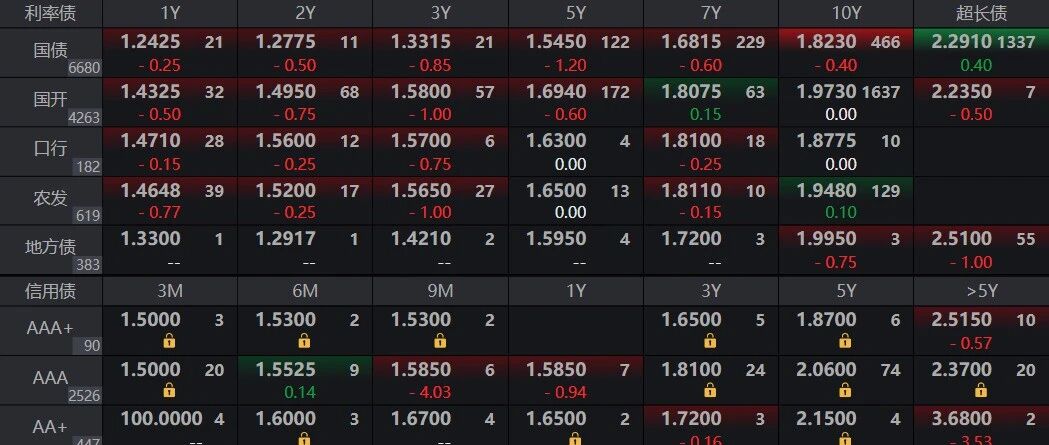
Core Viewpoint - The article discusses the current financial market conditions, highlighting the interplay between geopolitical uncertainties, stock market performance, and bond market fluctuations, particularly in the context of interest rates and liquidity [3][5][6]. Group 1: Market Conditions - The financial market is experiencing mixed movements with a decline in the stock market and an increase in oil prices, while the liquidity remains balanced and slightly loose [3][5]. - The central bank conducted a 7-day reverse repurchase operation of 224 billion yuan, resulting in a net injection of 211 billion yuan into the market [3]. - The overnight interest rates are stable, with DR001 around 1.32% and DR007 at approximately 1.44% [3]. Group 2: Interest Rates and Bond Market - The 10-year government bond yield opened at 1.83% and fluctuated, reflecting a stable sentiment in the bond market despite geopolitical tensions [5]. - The bond market is characterized by a mixed performance in interest rates, with the 10-year government bond yield at 1.823% and the 1-year bond yield at 1.2425%, showing a change of 21 basis points [9]. - The trading volume for R001 was 66,787.64 billion yuan, with a decrease of 1,377.84 billion yuan, indicating a contraction in short-term funding [4]. Group 3: Geopolitical Factors - Geopolitical uncertainties remain high, particularly with statements from Iran and the U.S. regarding negotiations, which could impact market sentiment and trading strategies [5][6]. - The article notes that market participants are cautious ahead of potential announcements from U.S. officials, which could further influence oil prices and stock market movements [6].
“一油升而万物落”!国际市场滞胀交易,触发基金调仓换股
券商中国· 2026-03-22 23:40
Core Viewpoint - The article discusses the impact of escalating geopolitical tensions in the Middle East and the hawkish stance of global central banks on market dynamics, leading to a risk-off sentiment and tightening liquidity conditions, which have resulted in a significant decline in various asset classes, including equities and traditional safe-haven assets like gold [1][3]. Group 1: Market Dynamics - Recent market trends have shown a phenomenon where rising oil prices have led to a decline in both traditional safe-haven assets and risk assets, with the Shanghai Composite Index falling below the critical 4000-point mark [2][3]. - The ICE Brent crude oil price surged over 40% since March, reaching as high as $119 per barrel, while the COMEX gold price experienced a weekly drop of over 10%, marking the longest consecutive decline since October 2023 [2][4]. Group 2: Geopolitical and Economic Factors - The combination of geopolitical conflicts, particularly the military actions involving the U.S. and Israel against Iran, has increased global uncertainty, affecting oil prices and inflation expectations significantly [3][4]. - A synchronized hawkish shift among major central banks, including the Federal Reserve and the European Central Bank, has contributed to tightening liquidity conditions, which is a key factor behind the widespread asset price declines [3][4]. Group 3: Inflation and Stagflation Risks - High oil prices are expected to elevate overall inflation levels, with estimates suggesting that a $10 increase in oil prices could raise global inflation rates by 40 basis points, while also potentially reducing global output by 0.1% to 0.2% [4][5]. - Concerns about stagflation are rising, as central banks maintain tight monetary policies to combat inflation, which could hinder economic growth [4][5]. Group 4: Investment Strategies - Fund managers are adjusting their portfolios in response to tightening liquidity and stagflation risks, focusing on high-quality cash flow and high return on equity (ROE) assets while avoiding high-volatility sectors like electric vehicles and innovative pharmaceuticals [6][7]. - There is a recommendation to adopt a strategy that emphasizes individual stock selection over index reliance, particularly in sectors that are expected to benefit from price increases, such as upstream resources [6][7]. Group 5: Asset Class Outlook - Despite short-term pressures, the long-term value of traditional safe-haven assets like bonds and gold remains intact, with expectations of continued demand for gold as a hedge against geopolitical risks and currency credit risks [8]. - The domestic bond market is viewed positively, with expectations that the impact of rising oil prices on inflation will be limited, allowing for a stable low-inflation environment [8].

未知机构:华泰晨报0309总量中东堪比俄乌冲突以伊至少是俄乌冲突当量影响被低-20260309
未知机构· 2026-03-09 02:15
Summary of Key Points from Conference Call Records Industry Overview - The geopolitical situation in the Middle East is compared to the Russia-Ukraine conflict, with significant implications for energy, transportation, basic chemicals, and food supply chains. The long-term effects are expected to persist even if the situation resolves in the short term, leading to stockpiling behaviors [1][2] Core Insights and Arguments - **Oil Price Dynamics**: Current oil prices are at $107, which may not be sustainable, but the central price level is expected to rise due to safety premiums. This situation is likely to trigger a multi-year bull market for gold, similar to previous cycles [1][2] - **Industrial Impact**: The industrial system is becoming a target, with a shift towards long-term, low-consumption warfare strategies. Investment is recommended in energy, chemicals, tungsten, and sectors less correlated with AI and innovative pharmaceuticals [1][2] - **Market Sentiment**: The current market sentiment is cautious, with technical rebounds rather than trend reversals. Valuations are deemed cheap but are not driving index performance. The focus is on traditional economic sectors such as power generation, oil, coal, and insurance [6][4] Sector-Specific Insights - **Chemicals and Energy**: The chemical sector is expected to benefit from rising oil prices, with a sustained upward trend anticipated for the next 1-2 years. Companies like China Petroleum, CNOOC, and major chemical firms are positioned to gain from overseas supply chain disruptions [9][8] - **Agriculture**: There is a projected 30% increase in corn prices due to tight supply conditions. The rising costs of feed, particularly corn and soybean meal, are accelerating capacity reductions in the livestock sector [17][18] - **Metals and Commodities**: Concerns about inflation and economic downturns are leading to a cautious outlook on metals like copper and lithium. However, there is optimism for mid-term recovery in copper prices, with a support level identified at 100,000 [24] Additional Important Insights - **Investment Recommendations**: Companies with overseas assets in coal and chemical sectors, such as Yanzhou Coal and Yancoal Australia, are highlighted as potential beneficiaries of the current market dynamics. The focus is also on lithium battery manufacturers like CATL [12][16] - **Technological Developments**: The semiconductor sector is experiencing significant price increases, with NAND prices reportedly doubling. This is attributed to supply chain vulnerabilities exacerbated by geopolitical tensions [25] - **Financial Sector Outlook**: The banking sector is expected to benefit from a moderately loose monetary policy, with potential for interest rate cuts and increased credit expansion. High-dividend banks are recommended for investment [27] This summary encapsulates the critical insights and recommendations from the conference call, providing a comprehensive overview of the current market landscape and future expectations across various sectors.
【ETF市场周报】能源资产领涨,“涨价+红利”主线凸显,避险格局下如何构建攻防配置策略?
第一财经· 2026-03-08 12:53
Core Insights - The article emphasizes the importance of data-driven analysis in ETF investments, focusing on market trends through scale, trading volume, and share changes to identify investment opportunities and risks [1] Group 1: Market Trends - In the past week (from March 2 to March 6), the "anti-inflation" narrative combined with geopolitical tensions has driven energy assets, particularly oil and gas, to rise significantly [2] - There has been a large-scale repositioning of funds within ETFs, with investors moving away from broad-based indices to industry-specific themes that have clear logical labels [2] - The main investment themes highlighted are "price increases + dividends," with materials and consumer-themed ETFs experiencing sustained net inflows [2] Group 2: Geopolitical Impact - The weekend saw a resurgence in geopolitical tensions in the Middle East, raising concerns about whether risk-averse sentiment will increase further [2] - The article poses questions regarding how to construct a balanced investment portfolio that can withstand both offensive and defensive market conditions [2]

聚焦贵金属美债-开启资产配置新策略
2026-03-06 02:02
Summary of Key Points from Conference Call Records Industry Overview: Precious Metals and U.S. Treasury Bonds Core Insights and Arguments - **Gold Price Performance**: Over the past two years, gold prices have significantly outperformed most major asset classes, rising from approximately $2,000 per ounce to over $5,000 per ounce. Despite a sharp 20% decline in early 2026 due to the nomination of Kevin Warsh as Fed Chair, the long-term upward trend remains intact [1][4][16]. - **Demand Structure Changes**: In 2025, jewelry demand is expected to decline by about 15% year-on-year, while investment demand is projected to double from over 1,000 tons to over 2,000 tons. Central bank reserves (with China holding about 8%) and gold ETFs are identified as key drivers of this demand [1][6][14]. - **Reconstructed Safe-Haven Logic**: The safety of cryptocurrencies has been questioned, leading to a return of funds to physical assets. Geopolitical conflicts (e.g., Russia-Ukraine, Middle East) and U.S. fiscal expansion have increased the premium on longer-term assets, reinforcing gold's role as a high-credit asset for value preservation [1][10][11]. - **U.S. Economic Outlook for 2026**: The economy is expected to show "growth resilience and easing inflation." Uncertainty surrounds the Fed's interest rate cuts, with market expectations for rate cuts reduced from two to potentially one, with the first cut possibly delayed until mid-2026 [1][21][23]. Additional Important Insights - **U.S. Treasury Yield Curve**: The yield curve is expected to remain steep, with short-term rates declining due to anticipated rate cuts, while long-term rates face downward resistance from inflation risks and fiscal deficits [1][18][20]. - **Geopolitical Factors**: Ongoing geopolitical tensions are likely to continue influencing gold prices, with recent events in the Middle East acting as significant catalysts for demand [1][10]. - **Impact of Cryptocurrency on Gold Demand**: The questioning of cryptocurrency security has led to a potential shift of funds back to traditional assets, with gold being a primary beneficiary [1][11]. - **Dollar Pricing Dynamics**: The dollar is expected to experience wide fluctuations in 2026, influenced by the end of the rate-cutting cycle, mid-term elections, and tariff policy changes [2][27]. Demand Structure Analysis - **Stable vs. New Demand Drivers**: Traditional demand for gold, such as jewelry and industrial uses, remains stable. However, new drivers include central bank reserves and financial products linked to gold, particularly gold ETFs, which have become increasingly significant in recent years [6][8][9]. - **Central Bank Reserves**: Major central banks hold substantial gold reserves, with the U.S. holding about 80% of its reserves in gold. In contrast, China's gold reserve percentage is relatively low, at around 8% [7]. Market Dynamics and Risks - **Short-Term Volatility**: The sharp price drop in early 2026 was triggered by speculation regarding the next Fed Chair, indicating that short-term volatility can disrupt trading but does not alter the long-term demand trend for gold [16][17]. - **Inflation and Labor Market Signals**: The labor market shows signs of recovery, but inflation remains significantly above the Fed's target, with geopolitical tensions potentially driving inflation higher [22]. Investment Strategy Recommendations - **U.S. Treasury Investment**: The core returns from U.S. Treasury investments are derived from coupon income, capital gains, and currency exchange effects. Strategies should focus on the current interest rate environment, with an emphasis on managing duration risk and participating in market fluctuations [28][29]. - **Asset Allocation Principles**: U.S. Treasuries serve as an effective risk diversification tool. Investors should assess their risk tolerance and financial situation to construct a balanced portfolio, adjusting it regularly based on market conditions [30].
Dow Jones And U.S. Index Outlook: Stocks Get Caught In The Crossfire
Seeking Alpha· 2026-03-04 00:55
Group 1 - US indexes showed unexpected resilience in trading but ultimately succumbed to global selling pressures [2] - Market movements did not reflect a typical flight to safety, as even gold and US assets were affected [3]

中国外贸商在伊朗战火中的48小时:货在仓库,客户失联了
凤凰网财经· 2026-03-02 13:18
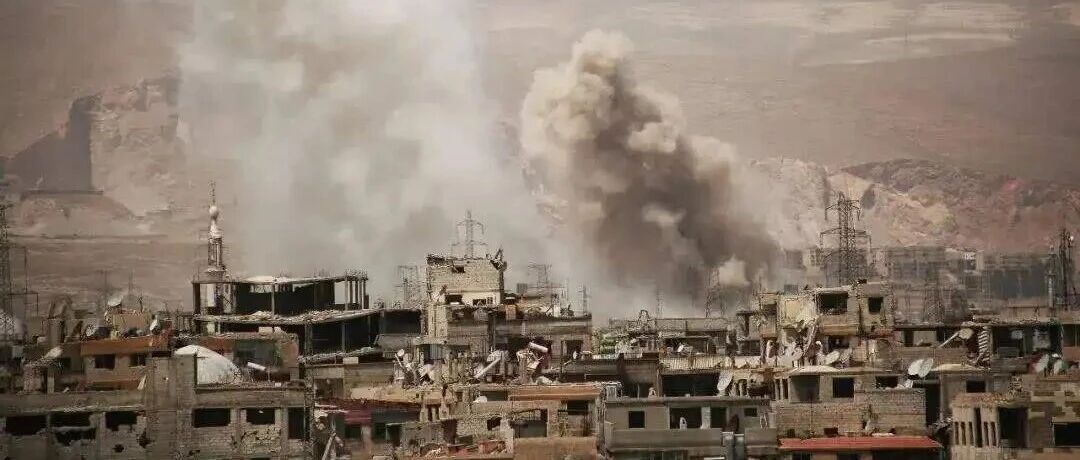
Core Viewpoint - The article discusses the significant turmoil in Iran following a military strike by the US and Israel, which has disrupted trade and communication, leading to a shift in market dynamics from profit-seeking to risk-averse behavior among traders and businesses [3][19]. Group 1: Market Dynamics - Despite ongoing turmoil, Iran was previously viewed as a vibrant market, with local consumers actively purchasing goods in response to currency devaluation [1][2]. - The trade volume between China and Iran is nearly $10 billion, with significant exports including machinery, vehicles, and precision instruments [6]. - The recent military actions have led to a complete halt in shipping operations, with major shipping companies suspending services to the region [7][8]. Group 2: Impact on Trade Operations - Traders like Wei Xiaodong are facing significant challenges, with goods stuck in warehouses due to the inability to contact clients, as internet access has been disrupted [6][5]. - Shipping routes have been severely affected, with the closure of the Hormuz Strait and airspace restrictions, leading to a 80% impact on business operations for logistics companies [9][18]. - Increased shipping costs have been reported, with freight rates for containers to the Red Sea region skyrocketing from $2,200 to $7,000, alongside additional war surcharges [17][18]. Group 3: Risk Management and Business Strategy - The current environment has forced businesses to prioritize risk avoidance over profit, with many clients halting orders and shipments due to safety concerns [14][19]. - Companies are now more cautious, with a significant drop in shipping volumes from 120 containers a day to just 20 [15]. - The uncertainty has led to a reevaluation of business strategies, with many traders opting to hold inventory rather than risk shipping [20].
未知机构:国泰海通金属周论避险与通胀金属迎全面重估金地缘政治扰动-20260302
未知机构· 2026-03-02 02:45
Summary of Key Points from the Conference Call Industry Overview - The report focuses on the metals industry, particularly precious metals, copper, aluminum, tin, lithium, rare earths, tungsten, and uranium, highlighting the impact of geopolitical tensions and macroeconomic factors on metal prices and supply dynamics [1][2][3][4][5][6][7][8][9][10][11][12][13][14][15][16][17][18][19][20][21][22]. Core Insights and Arguments Precious Metals - Geopolitical disturbances have led to a steady increase in precious metal prices, with expectations for continued upward movement due to uncertainties stemming from the U.S.-Iran conflict [2][6]. - Central banks continue to purchase gold, and while U.S. inflation data has risen, it has not yet impacted the interest rate reduction process, maintaining the long-term logic for precious metals [3][7]. Copper - The price of copper is driven by rigid supply and strategic stockpiling, with macroeconomic factors such as tariffs and the U.S. Trade Representative's consultation on critical minerals influencing the market [4][8]. - Supply disruptions are prevalent, but demand from sectors like AI investment, power grid construction, and robotics is expected to support prices, alongside copper's strategic resource status [9]. Aluminum - Global macroeconomic conditions are moderately improving, but high inventory levels are putting pressure on aluminum prices [10]. - Uncertainties surrounding tariff policies and geopolitical tensions contribute to a volatile market, with seasonal supply exceeding demand leading to an expected accumulation of aluminum ingots post-holiday [11][12]. Tin - Supply disruptions are decreasing, with concerns about trade blockages due to conflicts in Myanmar being mitigated by the location of core mining areas and progress in production resumption [13]. - Attention is needed on the pace of downstream recovery and stockpiling demand post-holiday [14][15]. Lithium - Post-holiday, lithium carbonate inventories are continuing to decrease, with strong demand persisting despite rising production [16]. - Anticipated reductions in export tax rebates for battery products may lead to a front-loading of battery demand [17]. - Monitoring of Zimbabwe's export policies is crucial for understanding potential supply disruptions [18]. Rare Earths - Prices for both light and heavy rare earths have increased following the holiday, indicating a positive market outlook for these strategic resources [19][20]. Tungsten - Domestic regulatory tightening and geopolitical issues in Myanmar are reducing supply rigidity, while overseas price increases and U.S. government AI pricing models are adding strategic premiums to tungsten [20]. - The current supply chain dynamics are leading to a pricing surge, with high prices expected to persist until supply issues are resolved [21][22]. Uranium - January saw the highest long-term contract prices for natural uranium in a decade, driven by rigid supply and ongoing nuclear power development, suggesting a sustained upward trend in uranium prices [22].
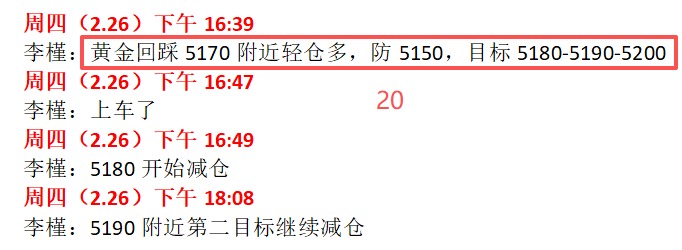
李槿:2/26黄金高位震荡,避险加持!回落就是上车机会!
Sou Hu Cai Jing· 2026-02-26 12:48
Group 1 - The core viewpoint indicates that gold is expected to remain in a high-level fluctuation in the short term due to ongoing geopolitical tensions and lack of progress in US-Iran negotiations, leading to increased safe-haven demand [1] - Gold is currently oscillating within the range of 5100-5220, with key support levels identified at 5145 and strong support at 5120-5100, suggesting potential buying opportunities at these levels [1] - The trading strategy emphasizes a focus on buying during pullbacks rather than chasing highs, advising against entering positions without sufficient retracement [1] Group 2 - Practical trading actions noted include a rebound from a drop to 5170, resulting in a profit of 20 USD when the price reached 5190 [1]