老干妈调味品

Search documents
我服了,贵州人都有一个明星梦
3 6 Ke· 2026-02-05 08:10
Core Viewpoint - The article highlights the unique cultural practice in Guizhou, where local shop owners prominently display their own portraits on shop signs, creating a personal connection with customers and reflecting a sense of pride and authenticity in their businesses [1][6][19]. Group 1: Unique Cultural Practices - Guizhou's shop owners often use their own photos on signage instead of logos, which is a distinctive feature not commonly found in other regions [3][7]. - This practice is seen as a form of "real-name system" in business, where the owner's face serves as a guarantee of quality and accountability for the products offered [21][29]. - The prevalence of this practice suggests a deep-rooted cultural significance, where local pride and personal branding are intertwined [27][40]. Group 2: Customer Perception and Experience - Tourists often express curiosity about the local custom of using personal images on shop signs, which creates a sense of familiarity and trust [10][32]. - The connection between the owner's image and the shop's reputation is strong, as customers associate the quality of food with the owner's face [31][39]. - This unique branding approach enhances the dining experience, making it easier for repeat visitors to identify their favorite spots [32][41]. Group 3: Broader Implications - The article suggests that Guizhou's approach to branding may reflect a broader trend of personal branding in the food industry, where authenticity and personal stories resonate with consumers [25][40]. - The cultural practice of displaying personal images may also contribute to a sense of community and trust among local residents, reinforcing social ties [29][31]. - Guizhou's distinctive culinary scene, characterized by its bold flavors and local specialties, is further enhanced by this personal touch in branding [79][85].


老干妈“味道变了”?陶华碧“出山救子”?公司回应来了
Nan Fang Du Shi Bao· 2026-01-16 06:09
Core Viewpoint - The recent discussions surrounding the flavor change of "Lao Gan Ma" have sparked consumer speculation about ingredient changes, while the company maintains that its recipe and production methods remain unchanged [1][10]. Group 1: Company Performance - Lao Gan Ma's revenue for 2024 is projected to reach 5.391 billion RMB, nearing its historical peak of 5.403 billion RMB in 2020 [2]. - The company's revenue has shown a recovery trend, with figures of 4.201 billion RMB, 5.26 billion RMB, and 5.381 billion RMB from 2021 to 2023 [2]. - The return of founder Tao Huabi to management in 2019 is believed to have contributed to the company's revenue recovery, although this has not been officially confirmed [5]. Group 2: Management and Succession Issues - Tao Huabi, nearing 80 years of age, remains a central figure in the company's management, raising concerns about succession planning [8]. - The lack of a suitable successor among family members and professional managers poses a potential risk to the company's future [8]. - The company's conservative management style, characterized by a "no financing, no listing" philosophy, is seen as a stabilizing factor in its operations [7]. Group 3: Consumer Perception and Product Quality - Consumers have expressed dissatisfaction with the taste of Lao Gan Ma products, attributing changes to potential ingredient substitutions [1][10]. - The company asserts that its ingredients and production processes have not changed, attributing taste differences to evolving consumer preferences [11]. - Analysts suggest that maintaining high quality and cost-effectiveness is crucial for Lao Gan Ma to avoid significant declines in performance [10].

8点1氪丨携程回应因涉嫌垄断行为被立案调查;茶颜悦色没喝就“消失”半杯,内部人士回应;老干妈回应“味道变了”
3 6 Ke· 2026-01-15 00:06
Group 1 - Coca-Cola has abandoned the plan to sell Costa Coffee due to the private equity buyer's offer not meeting expectations, marking another setback for the company during its ownership of the struggling UK coffee chain [5] - In 2025, China's automotive industry is projected to produce and sell 34.53 million and 34.40 million vehicles respectively, representing year-on-year growth of 10.4% and 9.4%, maintaining its position as the world's largest automotive market for 17 consecutive years [6] - Ctrip has received a notification from the State Administration for Market Regulation regarding an investigation into alleged monopolistic behavior, and the company will cooperate fully with the regulatory authorities [1] Group 2 - JD Logistics plans to offer a cash option to Debon shareholders worth approximately RMB 3.797 billion as part of a proposal to withdraw Debon's shares from the Shanghai Stock Exchange [4] - Audi's global vehicle deliveries in 2025 are expected to be around 1.623 million units, a decrease of 2.9% compared to the previous year [8] - Baoneng Group's chairman has filed a complaint against local authorities regarding alleged illegal actions in a case involving Qoros Auto, claiming that the assets involved are significantly undervalued [9] Group 3 - Tesla has implemented new rules for its supercharging stations, including a more user-friendly fee structure for overstaying and an extended grace period for drivers [10] - Amazon plans to appeal a reduced antitrust fine in Italy, arguing that the accusations of market dominance are unfounded [10] - The U.S. government announced a 25% tariff on certain imported semiconductors and related products, effective from January 15 [18]


老干妈销量下滑和陶华碧的儿子有关?了解真相后,网友:想法大胆
Sou Hu Cai Jing· 2025-11-15 06:49
Group 1 - The core issue discussed is the decline in sales of Lao Gan Ma and its potential connection to Tao Yishan, the son of the founder, Tao Huabi [1][3] - Lao Gan Ma's success is attributed to its unique flavor and quality, which have garnered a loyal consumer base, but it faces market competition and changing consumer preferences [3] - There is currently no concrete evidence linking Tao Yishan's actions directly to the decline in sales of Lao Gan Ma; any influence he may have is considered indirect [3]

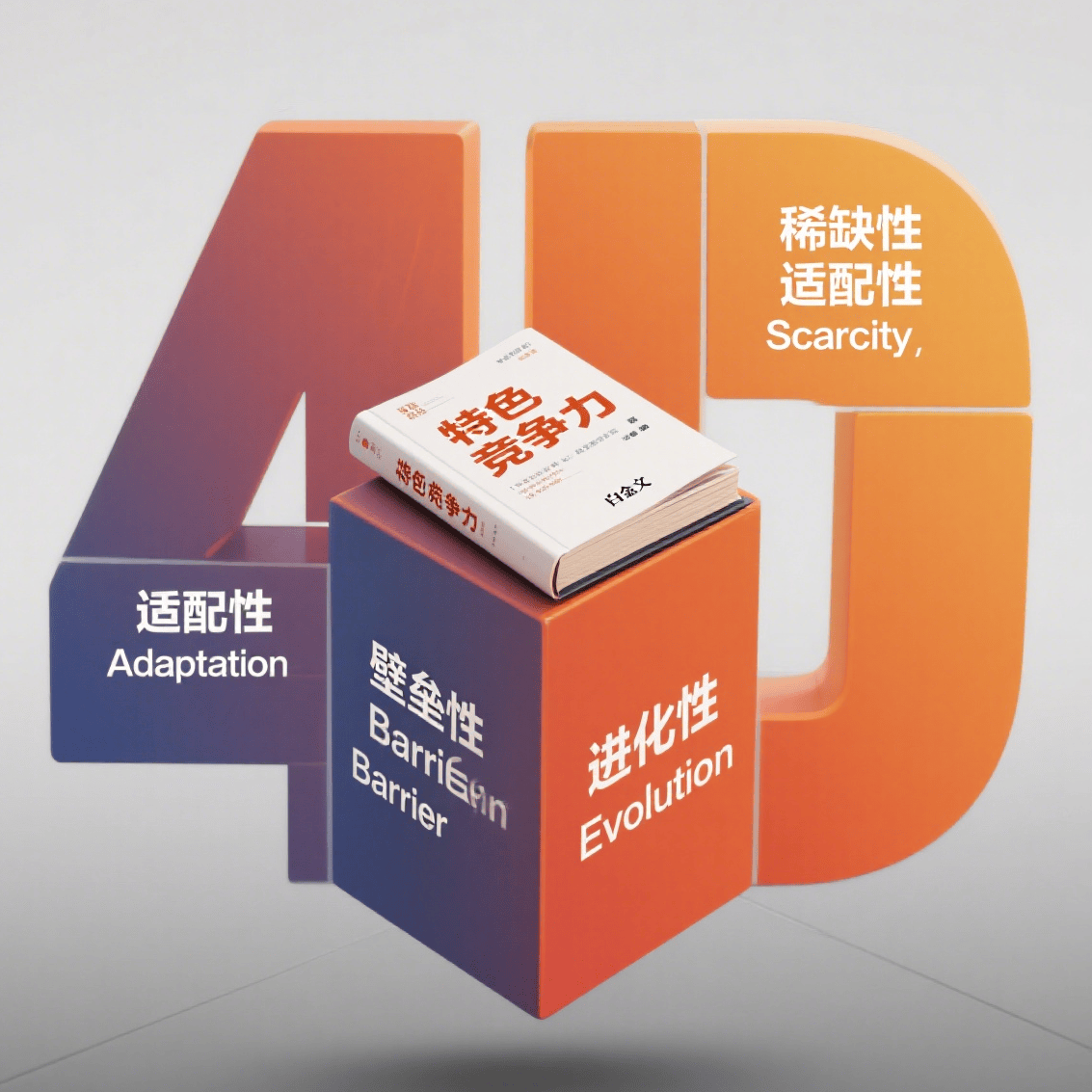
没有特色竞争力的企业,终将被市场所替代
Sou Hu Cai Jing· 2025-05-29 09:23
Group 1 - The article emphasizes the importance of unique competitive advantages for companies to survive and thrive in a highly competitive market [15] - Companies must adapt their strategies according to different market stages: being pioneers in empty markets, disruptors when competitors emerge, and striving to be unique in saturated markets [1][3][4] - The article outlines three competitive battlefields: the initial stage focuses on resource competition, the advanced stage on efficiency, and the top stage on irreplaceability [7][8][11] Group 2 - In the initial battlefield, companies often rely on resources such as capital and materials, leading to fierce competition and declining profits [7] - As competition intensifies, companies shift to improving efficiency through process optimization and cost reduction, but this can also lead to profit dilution [8] - In the top battlefield, companies that offer irreplaceable products or services dominate the market, exemplified by Tesla's technology and Apple's ecosystem [11]