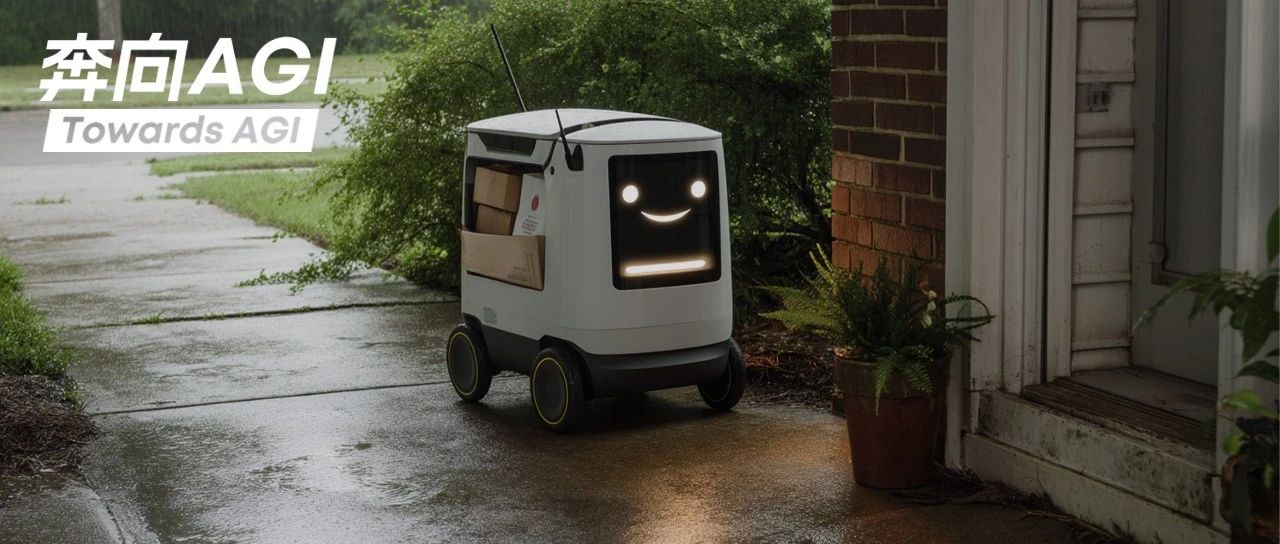
快递柜

Search documents
今年“双11”,快递员收入明显增长
Di Yi Cai Jing· 2025-11-10 14:58
Core Insights - The logistics industry is experiencing a new trend during this year's "Double 11" shopping festival, with an increase in the use of unmanned delivery vehicles leading to improved overall efficiency and stable operations despite a rise in order volume [2][3][4] Group 1: Operational Adjustments - The "Double 11" period has been extended, resulting in an earlier peak in order volume, with significant increases noted in various regions [3] - Middle and last-mile delivery operations have been adjusted, with some logistics centers starting work earlier and increasing delivery frequency during peak times [4] - The overall operation during "Double 11" is reported to be the most stable in years, indicating a shift from quantity-focused to quality-focused logistics [4][11] Group 2: Automation and Technology - The deployment of unmanned delivery vehicles has accelerated, with significant investments in automation and technology to enhance operational efficiency [5][7] - Unmanned vehicles are now responsible for approximately 55% of the branch transportation volume during "Double 11," significantly reducing costs and improving delivery times [7] - The number of unmanned vehicles in operation has increased dramatically, with over 2,000 units deployed across more than 200 cities [8] Group 3: Financial Implications for Couriers - There has been a noticeable increase in courier incomes during "Double 11," attributed to recent price hikes in delivery services [9][10] - Couriers are reporting income increases of over 20%, with daily delivery volumes rising significantly [10][11] - The shift towards a more stable operational model is seen as beneficial for both courier income and overall service quality [11]



今年“双11”,快递员收入明显增长
第一财经· 2025-11-10 14:49
Core Viewpoint - The logistics industry, particularly during the "Double 11" shopping festival, has shown significant improvements in operational efficiency due to the increased use of automated and unmanned delivery vehicles, leading to higher income for delivery personnel and a more stable operational environment compared to previous years [3][12][15]. Group 1: Operational Trends - This year's "Double 11" is characterized as the "longest ever," with an extended promotional period leading to earlier peaks in delivery volume [4]. - The order volume for Zhongtong Cloud Warehouse saw a significant increase, with some warehouses experiencing a surge of up to 400% [5]. - Major cities like Guangzhou, Tianjin, and Wuhan reported daily peak order volumes exceeding 300,000 packages, with an average daily increase of over 185% compared to normal operations [5]. Group 2: Automation and Technology - The deployment of unmanned delivery vehicles has accelerated, with Zhongtong's Shenzhen branch utilizing five unmanned vehicles capable of delivering 8,000 to 10,000 packages daily [8]. - Unmanned vehicles accounted for approximately 55% of the branch's delivery volume during "Double 11," significantly reducing costs by 30% for certain routes [10]. - Zhongtong has expanded its unmanned vehicle fleet to over 2,000 units across more than 200 cities, completing 200,000 package deliveries daily [11]. Group 3: Delivery Personnel Income - Following price adjustments in the express delivery sector, delivery personnel have reported noticeable income increases, with some areas seeing price hikes of 0.1 to 0.4 yuan per package [13][14]. - In Yiwu, delivery volume increased by over 20%, leading to an average extension of working hours and a corresponding rise in income for delivery personnel [14]. - Delivery personnel at Zhongtong's Shenzhen branch could see monthly earnings exceed 15,000 yuan during peak periods, reflecting a shift towards more stable income generation rather than reliance on "explosive" order surges [15].

史上最长“双11”有三波物流高峰,快递员收入涨了吗
Di Yi Cai Jing· 2025-11-10 13:21
Core Insights - This year's "Double 11" shopping festival is characterized by a longer duration and a more stable operation in the express delivery industry, attributed to the increased use of automated and unmanned delivery vehicles [2][3][8] - The overall order volume is expected to exceed last year's levels, with significant growth in specific regions such as Guangzhou, Tianjin, and Wuhan [2][4] Group 1: Operational Adjustments - Delivery points have adjusted their work schedules, with some starting as early as 5 AM to accommodate peak delivery times [3] - The introduction of unmanned delivery vehicles has significantly improved operational efficiency, with vehicles capable of carrying 600 packages and delivering 8,000 to 10,000 items daily [4][5] - The use of automated sorting equipment and increased delivery lockers has enhanced the efficiency of last-mile delivery [5] Group 2: Order Volume and Trends - The first peak of orders occurred earlier than usual, with a notable increase in order volume starting around October 18, peaking on October 22 with some warehouses experiencing a 400% increase [2] - The distribution of orders has become more spread out compared to previous years, leading to a more manageable workload for delivery personnel [2][8] Group 3: Financial Impact on Couriers - Couriers are experiencing a significant increase in income, with reports of earnings rising by over 20% during this year's "Double 11" due to price adjustments and increased order volumes [6][7][8] - The average daily delivery volume for couriers has increased from 500 to over 650 packages, potentially raising monthly earnings from approximately 10,000 yuan to over 15,000 yuan during peak periods [7][8] Group 4: Technological Advancements - The express delivery industry is witnessing a rapid adoption of unmanned vehicles, with over 2,000 units deployed across more than 200 cities, significantly enhancing last-mile delivery capabilities [5][6] - Companies are increasingly investing in technology to improve operational efficiency and service quality, indicating a shift towards a more sustainable growth model in the logistics sector [8]
提前储备人员车辆 快递企业备战“双11”首个高峰
Bei Jing Shang Bao· 2025-10-20 23:36
Core Viewpoint - The upcoming "Double 11" shopping festival is expected to significantly increase logistics pressure on courier companies, prompting them to enhance automation and operational efficiency to manage the surge in parcel volume [1][7]. Group 1: Peak Delivery Periods - The first peak delivery period for this year's "Double 11" is anticipated from October 22 to 25, with a second peak from November 3 to 7 [2]. - Last year's first peak saw parcel volumes at courier stations reach approximately 48,000 to 50,000 packages, which is expected to double this year [2]. - Courier companies are preparing by increasing staff and vehicle capacity, with some stations adding temporary workers and additional delivery vehicles [2][3]. Group 2: Automation and Efficiency - Many courier stations are investing in automated equipment to improve operational efficiency, with some upgrading sorting lines to increase sorting capacity from 5,000 to over 7,000 packages per hour, achieving a more than 30% efficiency improvement [4][7]. - The use of automated delivery lockers is also being expanded, which can enhance package retrieval efficiency by 30% and reduce the need for manual labor at delivery stations [5][6]. - Companies like JD Logistics and Shentong are heavily investing in automation technologies, with JD Logistics implementing a smart device cluster that improves delivery efficiency by nearly 20% [7][8]. Group 3: Industry Trends - The courier industry is expected to continue evolving towards greater automation, intelligence, and specialization, with increasing barriers to entry for new players [8]. - The total express delivery volume in China is projected to reach approximately 1.45 trillion packages in the first three quarters of this year, with revenues exceeding 1 trillion yuan [8].

超24小时收2块,快递柜保管费算不算二次收费?
3 6 Ke· 2025-10-10 11:45
Core Viewpoint - The issue of charging for overtime storage in express delivery lockers has become a significant concern among users, leading to complaints about the convenience of these lockers being diminished [1][3]. Group 1: User Complaints - Users express frustration over express delivery personnel not notifying them before placing packages in lockers, resulting in unexpected overtime charges [3][6]. - Many users report not receiving timely notifications about package arrivals, leading to additional fees when they retrieve their items late [3][6]. - Complaints extend to both lockers and delivery stations, with users feeling that they are unfairly charged for services they did not consent to [3][6]. Group 2: Regulatory Framework - The new "Express Market Management Measures" effective from March 1, 2024, prohibits delivery companies from placing packages in lockers without user consent [3][6]. - Violations of this regulation can result in fines ranging from 10,000 to 30,000 yuan, depending on the severity of the infraction [3][6]. Group 3: Industry Practices - Despite the lack of a unified standard for overtime charges, many locker operators have implemented their own fee structures, which vary widely [7][9]. - The introduction of overtime fees has become a significant revenue source for locker operators, with some charging as little as 0.5 yuan for the first 12 hours of overtime [7][9]. - The rapid deployment of lockers in residential areas is driven by delivery companies aiming to improve efficiency and meet performance targets [6][9]. Group 4: Future Considerations - The importance of express delivery lockers as a last-mile solution is recognized, and there is a call for the establishment of industry-wide service standards and pricing regulations to enhance user satisfaction [9].
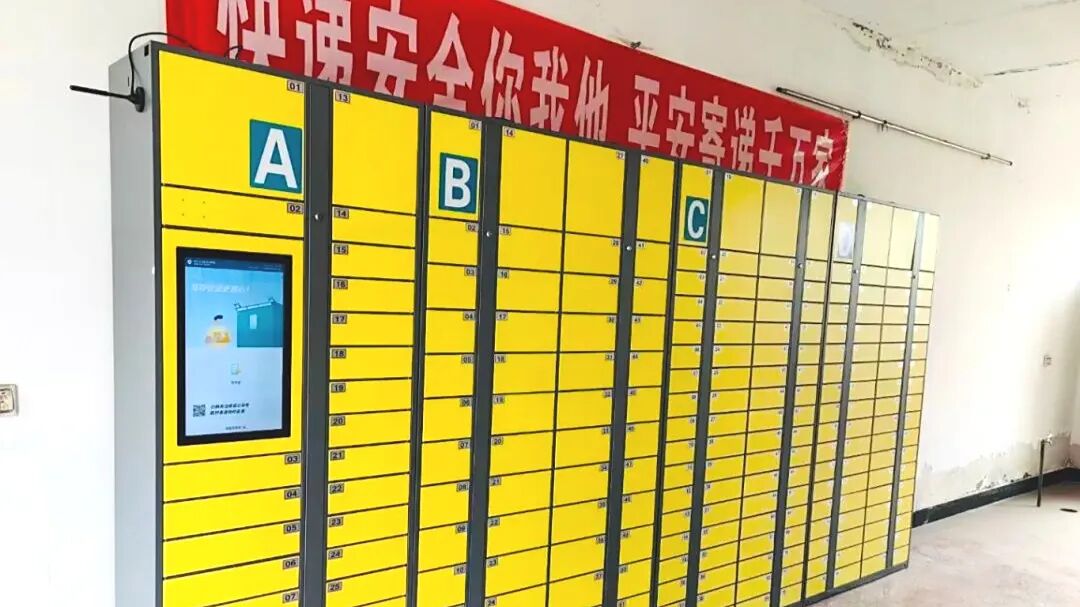
商务部等8部门:推动智慧物流建设,鼓励有条件的地区有序发展无人机支线运输和末端配送业务
Jing Ji Guan Cha Bao· 2025-09-24 12:11
Core Viewpoint - The Ministry of Commerce and eight other departments have issued guidelines to promote the development of smart logistics, encouraging the orderly development of drone branch transportation and last-mile delivery services in suitable regions [1] Group 1: Smart Logistics Development - The guidelines emphasize the need to improve the express logistics delivery system [1] - There is a push for the construction of smart logistics, including the development of standards for automated delivery vehicles and drones [1] - Support will be provided for the construction of intelligent delivery terminals such as smart food cabinets and express cabinets [1] Group 2: Digital Transformation in E-commerce - Local governments are encouraged to upgrade county-level e-commerce public service centers and enhance the digital transformation of rural logistics networks [1] - E-commerce platforms are guided to strengthen the integration of fulfillment systems and collaborate with physical stores to improve the digital and intelligent levels of last-mile delivery [1]
商务部等8部门:加快研究制定自动配送车、无人机等相关标准
Zheng Quan Shi Bao Wang· 2025-09-24 09:32
Core Viewpoint - The document outlines a comprehensive strategy to enhance digital consumption and improve logistics systems in China, emphasizing the development of smart logistics and digital infrastructure [1] Group 1: Digital Consumption Development - The guidance aims to promote the development of digital consumption to create a better life in the digital age [1] - It encourages local governments to upgrade e-commerce public service centers at the county level and enhance digital transformation of rural logistics [1] Group 2: Logistics and Delivery Systems - The document emphasizes the need to improve the express logistics and delivery system, advocating for the orderly development of drone transportation and last-mile delivery services in suitable regions [1] - It calls for the establishment of standards for automated delivery vehicles and drones, as well as support for the construction of smart delivery terminals such as food pick-up cabinets and express cabinets [1] Group 3: Integration of E-commerce and Physical Stores - The guidance encourages e-commerce platforms to strengthen their integrated fulfillment systems and collaborate with physical stores to enhance the digital and intelligent level of last-mile delivery [1]
“物流界的马斯克”,他用送快递的手,造出全球第一无人车
Sou Hu Cai Jing· 2025-09-24 04:55
Core Insights - The article highlights the transformation of a once overlooked startup into the world's largest autonomous delivery vehicle fleet, led by Yu Enyuan, who is now compared to Elon Musk in the field of unmanned vehicles [2][25] - The company, New Stone, has over 7,000 operational vehicles and nearly 30,000 orders, with plans to deploy 10,000 vehicles by 2025, a first in the L4 autonomous vehicle industry [2][16] Company Background - Yu Enyuan, a veteran in the logistics industry, began his entrepreneurial journey after graduating from Chongqing University in 1996, founding 11 companies and gaining deep insights into the logistics sector [3] - His previous ventures included developing smart logistics terminals and delivery lockers, achieving significant market share and revenue [3] - In 2016, he pivoted to the autonomous delivery vehicle sector, establishing New Stone to focus on L4-level logistics vehicles [3][12] Funding and Partnerships - Yu Enyuan received crucial support from Li Xiang, founder of Ideal Auto, who provided funding and resources for New Stone's development [5][10] - The company faced financial challenges in 2018 but secured A-round financing from Yunqi Capital, which helped stabilize operations [7][8] - New Stone completed B-round financing in 2021, attracting investments from major firms like SoftBank Vision Fund, while maintaining its independence [10][12] Technological Development - New Stone initially partnered with Baidu Apollo to develop L4 autonomous driving capabilities but later shifted to a vision-based approach, reducing costs and enhancing scalability [12][14] - The company has developed proprietary algorithms and achieved significant milestones in autonomous driving technology, including the launch of a 4D One Model perception model [23] Market Dynamics - The autonomous delivery vehicle industry is expected to grow rapidly, with New Stone predicting a tenfold increase in development speed in 2025 [16] - Major logistics companies like SF Express have recognized the importance of autonomous vehicles, leading to significant orders, including a record 1,600 vehicles from SF Express [16][19] Cost Efficiency - Autonomous delivery vehicles can reduce transportation costs by 70% to 80% compared to traditional methods, primarily by eliminating driver costs and increasing cargo capacity [19][20] - The cost advantages are driving a wave of automation in the logistics industry, enhancing overall operational efficiency [21] Competitive Advantages - New Stone has established a four-pronged competitive moat, including advanced algorithm capabilities, regulatory compliance, integrated hardware-software solutions, and a deep understanding of customer needs [23] - The company has secured over 85 city permits for autonomous vehicles, representing 80% of the total issued RoboVan licenses in China [23] Future Outlook - The demand for autonomous delivery vehicles is projected to expand beyond parcel delivery to various urban logistics scenarios, with potential needs reaching millions of units [25] - New Stone is also pursuing international expansion, having successfully deployed vehicles in 13 countries, including Germany and Singapore [25]

现金流定锚点,新技术增动能——物流行业2025年度中期投资策略
2025-07-09 02:40
Summary of Logistics Industry Conference Call Industry Overview - The logistics sector can be categorized into three types of companies: stable profit companies (e.g., SF Express), high-growth companies (e.g., Jitu), and operational improvement companies (e.g., Aneng Logistics) based on their self-owned cash flow ratio and capital expenditure growth rate [1][2][3]. Key Insights and Arguments - **SF Express** has shifted its strategy from diversification to focusing on the mid-to-high-end market, optimizing its cost structure and undergoing organizational changes, which has significantly improved its free cash flow and profitability. The company is expected to benefit from growth in the mid-to-high-end market and overseas resource integration [1][5][6]. - The **e-commerce express delivery industry** is experiencing intensified competition, leading to a reshuffling of market shares among leading companies. Despite short-term performance pressures, companies like ZTO and YTO are seen as having bottom-fishing value, while Jitu shows strong growth potential in emerging markets [1][7]. - **Aneng Logistics** has achieved counter-cyclical growth in the road freight market by focusing on high-profit small parcel business and internal management improvements. It is expected to achieve around 20% growth in Q2 2025 and for the full year, with mid-term dividend expectations acting as a catalyst for stock price [1][8][9]. - **Jitu** is rapidly expanding in Southeast Asia and South America, leveraging its cost-reduction experiences from the Chinese market. It is projected to capture over 30% market share in Southeast Asia by 2025 [1][7]. Important but Overlooked Content - The logistics sector is seeing a rise in new technology applications, including low-speed unmanned logistics vehicles, L2 level intelligent auxiliary driving trucks, unmanned stations, and delivery lockers, which are expected to enhance efficiency and reduce costs [3][11]. - The concentration of logistics in China and the decline in capital expenditure are providing strong cash flow support for the industry, while new technology applications are expected to drive growth [3][11]. - The investment strategy for 2025 focuses on companies with strong free cash flow and those leveraging new technologies for growth opportunities [2][10]. Conclusion - The logistics industry is poised for growth with a clear differentiation among companies based on their operational strategies and market positioning. Investors are encouraged to focus on stable profit companies, high-growth companies in emerging markets, and those showing operational improvements to capitalize on the evolving landscape [1][10].

20年物流老兵,研发无人车,拿下30000辆订单
创业邦· 2025-07-08 03:23
Core Viewpoint - New Stone Technology aims to deploy 10,000 autonomous vehicles by the end of this year, expanding its logistics applications beyond express delivery to include fresh produce, pharmaceuticals, and cold chain logistics [2][25]. Group 1: Company Overview - New Stone Technology, founded in 2018, specializes in L4 level logistics autonomous vehicles and has deployed nearly 6,000 vehicles nationwide, with plans to reach 10,000 by year-end [4][16]. - The company received a C+ round investment of 1 billion RMB in February 2023, which will be used for technology iteration and deployment across various logistics scenarios [4][16]. Group 2: Market Expansion - The company is expanding its delivery services from urban areas to rural regions, addressing labor shortages and high delivery costs in these areas [21][23]. - New Stone Technology is also exploring new logistics scenarios, with plans to deploy 4,000 to 5,000 vehicles in non-express delivery sectors by the third quarter of 2025 [25][26]. Group 3: Technology and Innovation - The autonomous vehicles have a loading capacity of 3 cubic meters and can carry 440 to 500 packages, with a single battery swap allowing for a range of up to 100 kilometers [13][19]. - The company has developed its own visual perception algorithms, which reduce hardware costs compared to multi-lidar solutions, enhancing stability and efficiency [20][21]. Group 4: Partnerships and Collaborations - New Stone Technology has established partnerships with major logistics companies such as SF Express, ZTO, and Yunda, and is collaborating with Dingdong Maicai for fresh produce delivery [16][24]. - The company is also working with Tuhu Auto to create an intelligent parts delivery and scheduling system, leveraging Tuhu's extensive network of over 7,000 service locations [24][28].