自动化机器人

Search documents
廊坊市人工智能协同创业投资基金招GP
FOFWEEKLY· 2026-01-13 10:01
Group 1 - The core viewpoint of the article is the establishment of the Langfang Guangyang District Artificial Intelligence Collaborative Venture Capital Fund, which aims to attract high-quality technology enterprises in the AI sector and related industries [1] - The fund has a planned scale of 200-500 million yuan, focusing on investment areas such as computing power and "AI+" [1] - The initiative is a collaboration between the local government and various investment funds, aiming to enhance the AI industry cluster in the Beijing-Tianjin-Hebei region [1] Group 2 - The fund will target high-end resources including R&D platforms, technology talent, and quality enterprises [1] - Investment areas include but are not limited to automation robotics, intelligent sensing, and intelligent detection [1] - The goal is to position Guangyang as a significant AI+ base in the region [1]


14万亿可期 江苏交经济建设新答卷
Jiang Nan Shi Bao· 2025-12-10 16:24
Economic Growth - Jiangsu's GDP is projected to exceed 14 trillion yuan in 2024, with a continuous increase from over 11 trillion in 2021 and over 12 trillion in 2022, showcasing strong economic resilience and growth potential [1] - The province's per capita GDP is expected to reach 22,600 USD in 2024, with labor productivity increasing from 213,000 yuan per person in 2020 to 284,000 yuan per person in 2024, indicating a focus on quality alongside scale [2] Domestic Demand - The total retail sales of consumer goods in Jiangsu are anticipated to rise from 3.63 trillion yuan in 2020 to 4.49 trillion yuan in 2024, reflecting a robust internal demand strategy [2] - Over 12,000 "Su New Consumption" promotional events have been held, distributing approximately 2.54 billion yuan in consumption vouchers and digital currency, which has significantly boosted domestic consumption [2] Innovation and Industry Upgrade - Jiangsu ranks second nationally in regional innovation capability, with significant R&D investment and breakthroughs in basic research, particularly in strategic emerging industries like new energy and high-end equipment [4][5] - The province has established a comprehensive industrial system with 16 advanced manufacturing clusters and 50 key industrial chains, leading to a strong global competitive position in various sectors [5] Manufacturing Sector - Jiangsu's manufacturing quality development index has ranked first nationally for five consecutive years, with a focus on digital transformation and smart manufacturing [5] - The province's strategic emerging industries have seen an average annual growth of 8% over the past five years, with sectors like biomedicine and integrated circuits leading nationally [5] Social Welfare and Common Prosperity - Jiangsu has made strides in reducing the urban-rural income gap to 2.04:1, with urban employment growth exceeding 10% nationally [6] - The province has implemented various social welfare projects, including a comprehensive elderly care system and high enrollment rates in education, enhancing the overall quality of life for residents [6] Future Outlook - Jiangsu aims to continue leading in high-quality development by focusing on technological and industrial innovation, deep reforms, and promoting common prosperity as part of its long-term strategy [7]
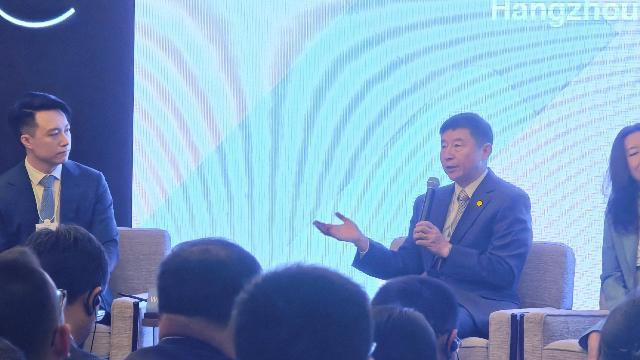
宁德时代首席制造官倪军:生成式AI在工业领域需更深层知识与更多数据训练
Di Yi Cai Jing Zi Xun· 2025-11-04 10:41
Core Insights - The manufacturing industry is facing significant challenges in workforce transformation and talent supply due to aging populations and declining interest from younger generations in manufacturing jobs [1] - A report from the World Economic Forum indicates that over 40% of Generation Z employees in manufacturing are considering leaving their jobs within the next three to six months [1] - There is a mismatch between the skills taught in educational institutions and the needs of the manufacturing industry, exacerbated by rapid technological advancements [1] Group 1: Talent Shortage and Demand - The manufacturing sector globally is experiencing a talent shortage, particularly in developed countries, where young people prefer more comfortable jobs in finance rather than in the manufacturing sector [3] - In the U.S., a report from the Manufacturing Institute and Deloitte forecasts a need for up to 3.8 million manufacturing workers from 2024 to 2033, with approximately 1.9 million positions expected to remain unfilled [3] - The industry requires talent with foundational scientific knowledge and digital skills to effectively utilize advanced technologies like AI and automation [4] Group 2: Role of Education and Innovation - Universities and companies should play distinct roles in research and development, with universities focusing on foundational research that can lead to innovative ideas, while companies concentrate on short-term R&D goals [5] - The World Manufacturing Foundation reported that 29.9 million workers in advanced manufacturing will need to change their skills due to trends like green transformation and new technology applications [5] - There is a growing need for interdisciplinary and comprehensive talent that can adapt to rapid changes in the industry, rather than individuals with expertise in only one field [5][6] Group 3: Lifelong Learning - Educational institutions should aim to cultivate talent capable of lifelong learning, preparing individuals for long-term career development rather than just their first job [6]