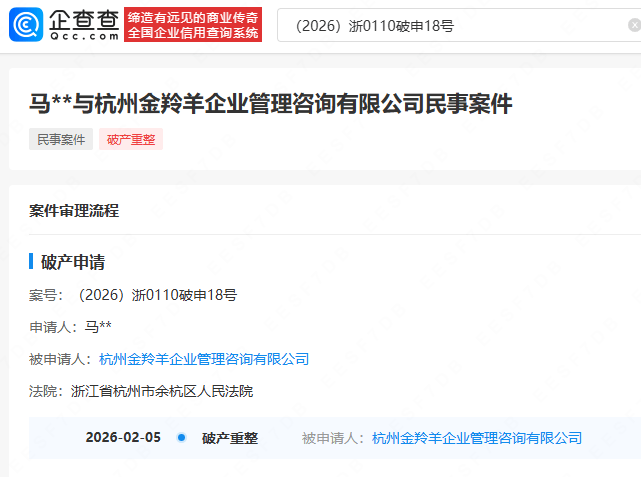
自嗨锅自热火锅

Search documents
35元一盒边角料,网红自嗨锅消亡史
创业邦· 2026-03-02 03:49
Core Viewpoint - The article discusses the rise and fall of the self-heating hot pot brand "Zihai Guo," highlighting its rapid growth and subsequent decline in the self-heating food market, which is attributed to pricing strategies and market competition [6][24]. Group 1: Industry Background - Self-heating food is not a new concept, with origins dating back to the 1970s and 1980s in the U.S. and Japan, but it gained popularity in China around 2014 with the emergence of self-heating hot pots [7][9]. - The rise of self-heating hot pots was fueled by the micro-business boom in 2014 and the growing popularity of hot pot restaurants, which created a new market for convenient single-serving meals [9][10]. Group 2: Company Overview - Zihai Guo was founded in 2017 by Cai Hongliang, who previously sold his snack brand for 900 million yuan, allowing him to invest heavily in marketing [12][13]. - The company achieved rapid revenue growth, surpassing 1 billion yuan in its first year and reaching 10 billion yuan in 2020, largely due to aggressive advertising and celebrity endorsements [13][14]. Group 3: Pricing and Market Position - Zihai Guo's pricing strategy focused on premium pricing, with products priced above 35 yuan, which was significantly higher than competitors, leading to a decline in sales as consumers sought better value [14][17]. - The company faced challenges in traditional retail channels, relying heavily on e-commerce and live-streaming sales, which increased operational costs and affected profitability [17][18]. Group 4: Competitive Landscape - The self-heating hot pot market is highly competitive, with Zihai Guo's main competitors being high-end takeout options, which offer better quality and value [18][19]. - The use of low-quality ingredients and the perception of self-heating hot pots as less convenient than other meal options contributed to Zihai Guo's decline [19][21]. Group 5: Decline and Future Outlook - By 2022, Zihai Guo's revenue began to decline, with a reported 20% drop, as the market shifted towards value-oriented products [14][24]. - The company struggled to find buyers for its assets, revealing underlying issues such as stagnant growth and high costs, leading to a potential collapse by 2026 [24].

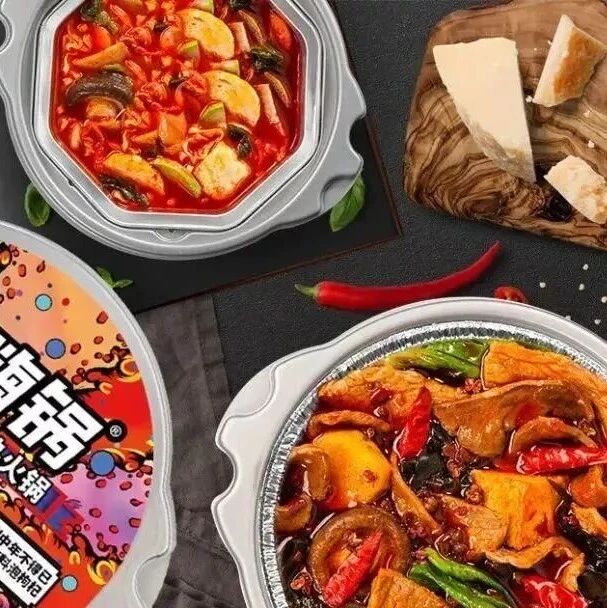
30块的自嗨锅,还是输给了5块钱的方便面
3 6 Ke· 2026-02-13 00:13
Core Insights - The self-heating hotpot brand "自嗨锅" has filed for bankruptcy, marking a significant decline from its peak sales in 2020, where it sold 5 million units in just 10 minutes. The brand, once valued at 7.5 billion yuan, has seen its annual revenue decline since 2022 [1][3][28]. Market Trends - The self-heating hotpot market has experienced a drastic drop, with market shares for self-heating rice and hotpot falling below 1% in the latest quarter, showing year-on-year declines of 28.42% and 19.31% respectively [9][28]. - The convenience food landscape is shifting, with traditional instant noodles maintaining popularity due to their affordability and taste, while self-heating hotpots struggle to compete [20][21]. Consumer Preferences - Consumers are increasingly prioritizing taste and convenience, leading to a preference for traditional hotpot takeout over self-heating options. The convenience of delivery services has diminished the appeal of self-heating products [16][21]. - Many consumers find self-heating hotpots unappetizing, with reports of poor taste and quality, which has contributed to their declining popularity [13][16]. Competitive Landscape - Self-heating hotpots face stiff competition from established fast-food options like instant noodles, which are cheaper and more familiar to consumers. The price point of self-heating hotpots often does not justify their perceived value [18][20]. - The emergence of hotpot chains offering delivery services has further eroded the market for self-heating hotpots, as consumers can now enjoy traditional flavors without the hassle of preparation [18][21]. Conclusion - The decline of self-heating hotpots reflects a broader consumer trend towards seeking better taste, convenience, and value in food choices. As the market evolves, brands must adapt to meet these changing preferences or risk obsolescence [25][28].

自嗨锅的兴衰:从资本神话到破产边缘
Sou Hu Cai Jing· 2026-02-10 08:41
Core Insights - The self-heating hot pot brand "Zihai Guo," once valued at 7.5 billion yuan, is now facing bankruptcy due to debts exceeding 140 million yuan, prompting reflection on the overheating phenomenon in the new consumption sector [2][3] Group 1: Company Performance - "Zihai Guo" gained popularity through the "one-person meal" concept, capitalizing on the rise of the lazy economy and the growth of single-person households, leading to rapid market capture since its launch in 2018 [2] - The brand's sales and online revenue have significantly declined since 2022, coinciding with the end of the pandemic and the recovery of the takeaway market, resulting in cash flow issues [3] - The company faced forced execution for unpaid advertising fees, accumulating over 140 million yuan in executed amounts [3] Group 2: Market Challenges - The self-heating food market has become highly competitive with numerous entrants, leading to rapid homogenization and a lack of strong product differentiation for "Zihai Guo" [3] - The brand has been criticized for its high marketing expenditure, which has kept sales expenses elevated and resulted in significant losses, despite a brief profitability in 2022 after cutting promotional costs [3] - "Zihai Guo" has faced food safety issues that have damaged consumer trust, further complicating its market position [3] Group 3: Strategic Limitations - The product's heating process requires a large amount of cold water and generates steam, limiting its usability in certain environments like high-speed trains and airplanes [3] - The brand's aggressive expansion strategy led to an increase in SKU numbers and higher supply chain costs, with idle production capacity becoming a significant issue as sales declined [3] - The competitive landscape has intensified, with traditional food giants and emerging brands offering similar products at lower prices, further squeezing "Zihai Guo's" market share [4] Group 4: Industry Reflection - The rise and fall of "Zihai Guo" highlight the fragility of the "high-profile" model in the instant food industry and the shift of the consumer market from enthusiasm to rationality [4] - The situation serves as a warning for the new consumption sector that over-reliance on capital-driven growth and traffic marketing is unsustainable, emphasizing the importance of product quality and user experience [4]

从估值75亿到重整审查 昔日网红自嗨锅陷破产危机
Huan Qiu Wang· 2026-02-09 09:55
Core Viewpoint - The self-heating hot pot brand "Zihai Guo," once valued at 7.5 billion yuan and known for its rapid sales, is now on the brink of bankruptcy due to declining demand and inherent business model flaws [1][6]. Company Overview - Zihai Guo was founded by Cai Hongliang in 2018 after he sold his previous snack brand, Baicaowei, for 960 million yuan. The brand quickly gained popularity by targeting the "one-person meal" and "lazy economy" segments [3]. - The brand experienced explosive growth in 2020, achieving sales of 1 billion yuan and setting a record of selling 5 million units in just 10 minutes [3][4]. Financial Performance - Zihai Guo's revenue peaked at 9.92 billion yuan in 2021 but fell to 8.2 billion yuan in 2022, marking a year-on-year decline of 17.34%. Online sales also dropped significantly, with reductions of 23.33% in 2021 and 41.54% in 2022 [4]. - The company reported net losses of 1.51 billion yuan and 3.14 billion yuan in 2020 and 2021, respectively, but managed to turn a profit of 27.52 million yuan in 2022 [4]. Market Position - Zihai Guo's market share decreased from 1.84% in 2022 to 1% in 2023, indicating a significant decline in its competitive position [4]. Investment and Acquisition Attempts - In March 2023, a potential acquisition by Lianhua Health was announced, with a valuation of 1.5 billion to 3 billion yuan for Zihai Guo. However, the deal fell through in August 2023 due to a lack of consensus between the parties [5]. - Following the failed acquisition, Zihai Guo faced a liquidity crisis, with over 1.4 billion yuan in current enforcement actions and a total of 3.2 billion yuan in historical enforcement actions [5]. Management and Legal Issues - Cai Hongliang, the company's legal representative, is also facing personal financial difficulties, including multiple enforcement actions and restrictions on high consumption due to labor disputes [5][6]. Industry Implications - The rapid rise and fall of Zihai Guo serve as a cautionary tale for the consumer sector, highlighting the risks of relying heavily on marketing and trends rather than product quality [6].
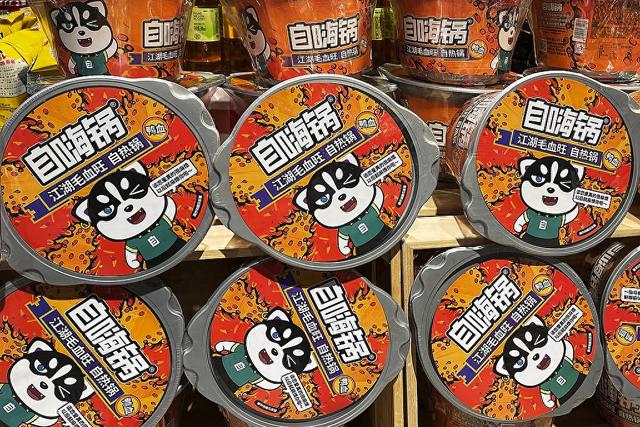
昔日网红“自嗨锅”被申请破产审查,曾在10分钟售出500万桶,公司估值一度高达75亿元
Mei Ri Jing Ji Xin Wen· 2026-02-09 07:44
Group 1 - The company "自嗨锅" (Self-heating Hot Pot) was established in 2018 and is known for its self-heating hot pot products, including spicy beef hot pot and various other self-heating cooking options [3][4] - The company has recently faced financial difficulties, with its associated company, 杭州金羚羊企业管理咨询有限公司, undergoing bankruptcy review, initiated by an individual named Ma, with the case handled by the Yuhang District People's Court in Hangzhou [1] - 杭州金羚羊 has multiple legal issues, including 6 enforcement cases with a total amount exceeding 1.4 billion yuan, and a history of 16 enforcement cases totaling over 3.2 billion yuan [4] Group 2 - The founder of 杭州金羚羊, 蔡红亮, previously founded 百草味 and sold it in 2016 before establishing 杭州金羚羊 and launching 自嗨锅 [5] - 自嗨锅 gained significant popularity during the COVID-19 pandemic, achieving record sales, including 5 million units sold in 10 minutes and over 100 million yuan in sales within 21 minutes during the Double Eleven shopping festival [7] - However, after 2022, demand for home-cooked meals decreased, leading to a significant drop in sales, with reports indicating a 50% decline in sales volume [7][8] Group 3 - The self-heating hot pot market is experiencing a decline, with a reported 25.05 percentage point decrease in growth rate, resulting in a market share drop and a 32.67% decrease in sales revenue [8] - In March 2023, a potential acquisition of 杭州金羚羊 by a listed company, 莲花健康, was proposed but ultimately fell through five months later, exacerbating the company's financial troubles [7]
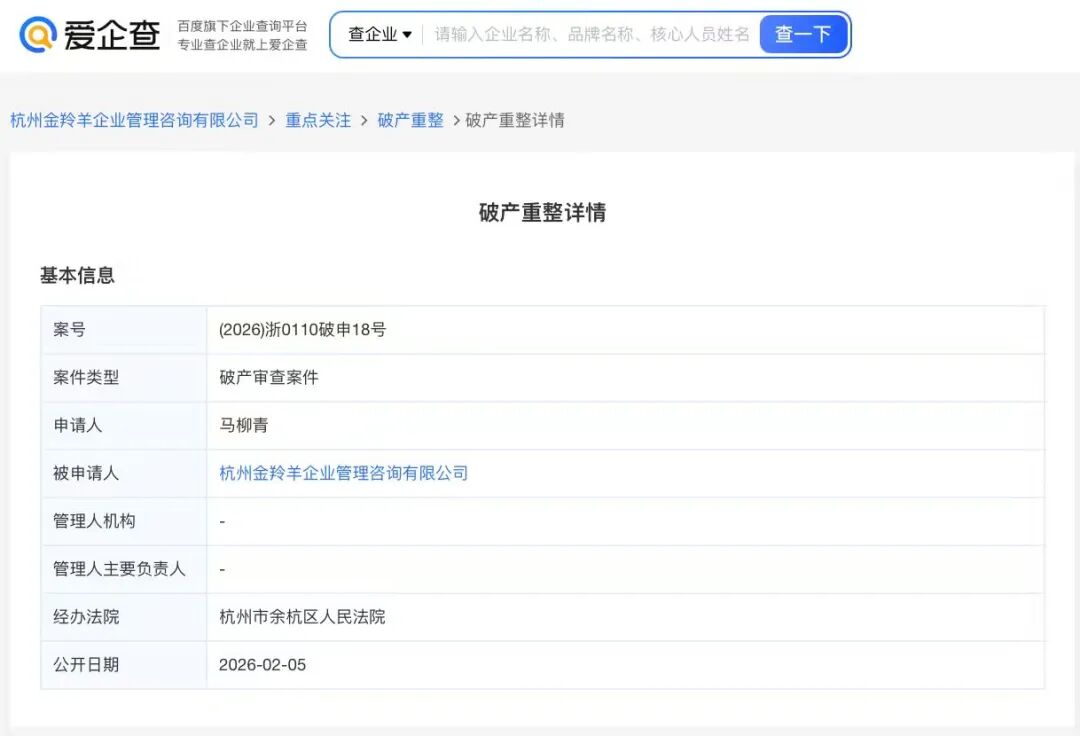
估值70亿到被申请破产审查,自嗨锅的“速热神话”为何戛然而止?
Sou Hu Cai Jing· 2026-02-06 12:37
Core Viewpoint - The rise and fall of the self-heating hotpot brand "Zihai Guo" reflects the fragility of the influencer-driven fast food industry and the significant shift in consumer behavior from enthusiasm to rationality [6][9][10] Company Overview - Zihai Guo, once a leading brand in the self-heating hotpot sector, is undergoing bankruptcy review as of February 2026, initiated by an individual named Ma [1] - The company has accumulated over 140 million yuan in total execution amounts across multiple cases, indicating a severe financial crisis [3][4] Growth Journey - Zihai Guo's rise was fueled by the convenience of self-heating food products, aligning with the "lazy economy" trend, and aggressive marketing strategies, including celebrity endorsements and significant advertising investments [5][6] - The brand achieved a peak valuation of 7 billion yuan and recorded sales nearing 1 billion yuan in 2021, with a notable sales record of 5 million units sold in just ten minutes during the Double Eleven shopping festival [5][6] Decline Factors - Since 2022, Zihai Guo has experienced a nearly 20% decline in sales, dropping to 820 million yuan, with market share shrinking from 1.84% in 2022 to 1% in 2023 [6][7] - The company faced a debt crisis, with failed acquisition attempts and multiple enforcement actions due to unpaid debts, leading to its classification as a dishonest executor [6][7] Product and Market Challenges - Zihai Guo's reliance on marketing over product quality has been detrimental, with high pricing and poor product performance leading to consumer dissatisfaction [7][8] - The competitive landscape has intensified, with major food brands entering the self-heating market, resulting in price wars and reduced profit margins for Zihai Guo [8] Industry Insights - Despite Zihai Guo's struggles, the outdoor self-heating food market is projected to grow, with sales expected to exceed 18 billion yuan by 2025 and reach 35 billion yuan by 2030 [9] - The industry's growth is shifting from a "traffic-driven" model to a "quality-driven" approach, emphasizing the need for companies to focus on product development and consumer needs [9][10]