花西子雕花口红

Search documents
全球销售额暴涨30%!老外看不懂中国品牌崛起,美国创新全靠被迫
Sou Hu Cai Jing· 2025-12-08 09:10
Core Insights - Chinese brands are reshaping the global market through a matrix of technology, manufacturing, and consumption, with notable examples including Huawei, BYD, and Shein [1] Group 1: Product Innovation - The global market in 2025 presents opportunities for Chinese brands, but success now requires genuine innovation rather than just competitive pricing [3] - Companies must avoid self-satisfaction in innovation and focus on solving real problems for consumers, as demonstrated by the packaging changes made by Lao Gan Ma [5] - Xiaomi's success in India is attributed to its understanding of local consumer needs, such as the demand for long battery life [7] Group 2: Cultural Integration - Effective storytelling is crucial for brands in overseas markets, and it must resonate with local consumers [9] - Transsion's mobile phones in Africa are tailored to local usage patterns, such as multi-user functionality and enhanced audio features [11] - Brands should aim to integrate into consumer habits rather than trying to change them, as illustrated by Wang Dumplings' adaptation in the U.S. market [13] Group 3: Long-term Strategy - Many companies fall into the trap of seeking short-term sales at the expense of brand building, which can lead to unsustainable practices [15] - Shein's shift towards sustainable fashion reflects a necessary evolution for long-term market presence [15] - Anker's commitment to quality and customer trust has resulted in high repurchase rates, emphasizing the importance of brand reliability [16] Group 4: Market Trends - The global market is increasingly rewarding serious Chinese brands that focus on product quality, storytelling, and brand building, while penalizing those seeking quick profits [18] - China possesses a strong position with its complete supply chain and entrepreneurial spirit, which can be leveraged to showcase the value of Chinese brands beyond just manufacturing [20]

高品质企业出海如何实现三维突破:品牌、文化、服务
Sou Hu Cai Jing· 2025-09-12 09:55
Group 1: Brand Going Global - The transformation of brand export from OEM to independent brands is highlighted, with a focus on building a global brand value system [2] - Anta Sports has successfully transitioned from "Made in China" to "Created in China," achieving a revenue of 62.36 billion yuan in 2023, with over 40% contributed by the FILA brand [2] - Perfect Diary's localized marketing strategy in Southeast Asia, including tailored product lines and collaborations with local KOLs, has led to significant market presence [2] Group 2: Digital Marketing Localization - The importance of localized digital marketing strategies is emphasized, with different preferred platforms in various regions, such as Amazon in North America and Shopee in Southeast Asia [3] - Companies face challenges like IP address restrictions in cross-border digital marketing, and services like IPFLY provide stable overseas IP resources to enhance marketing effectiveness [3] Group 3: Cultural Going Global - Cultural export is crucial for emotional connections with global consumers, exemplified by Pop Mart's success in creating universally appealing IP characters, achieving overseas revenue of 1.066 billion yuan in 2023, a 134.9% increase [5] - The integration of traditional Chinese culture with modern trends, as seen in Li Ning's "Wudao" series at Paris Fashion Week, showcases a confident cultural expression [5] Group 4: Storytelling in Content Marketing - High-quality consumer brands need to use storytelling to convey brand values, with Xiaomi's success in India attributed to its relatable brand narrative [6] - Huaxizi's marketing strategy, showcasing traditional Chinese craftsmanship through engaging video content, has garnered over 20 million views [6] Group 5: Service Going Global - The establishment of a global service system is a significant challenge, with Haier's localized operations in various markets serving as a model [7] - SHEIN's success is linked to its robust supply chain and customer service, including local warehouses for quick delivery and multilingual support [7] Group 6: Digital Service Innovation - The need for digital technology to enhance service efficiency and quality in cross-border e-commerce is highlighted, with intelligent order management systems being essential for handling diverse international requirements [9] - IPFLY's dynamic residential proxy services facilitate market research and service optimization across over 190 countries [9] Group 7: Three-Dimensional Integration - The interdependence of brand, culture, and service in global strategies is illustrated by Miniso's model of "Japanese design, Chinese manufacturing, global sales," with over 5,400 stores worldwide by the end of 2023 [10] - Maintaining strategic consistency while adapting to local market characteristics is crucial for success in global markets [10] Group 8: Conclusion - The journey of high-quality consumer brands going global is a systematic process, with brand, culture, and service working together to enhance global competitiveness [12] - The future looks promising for Chinese high-quality consumer brands as they leverage digital technology and evolving global markets to create comprehensive export strategies [12]

China Travel爆火背后:外国游客组团扫货义乌,中国购物潮如何征服全球钱包?
Sou Hu Cai Jing· 2025-05-22 05:17
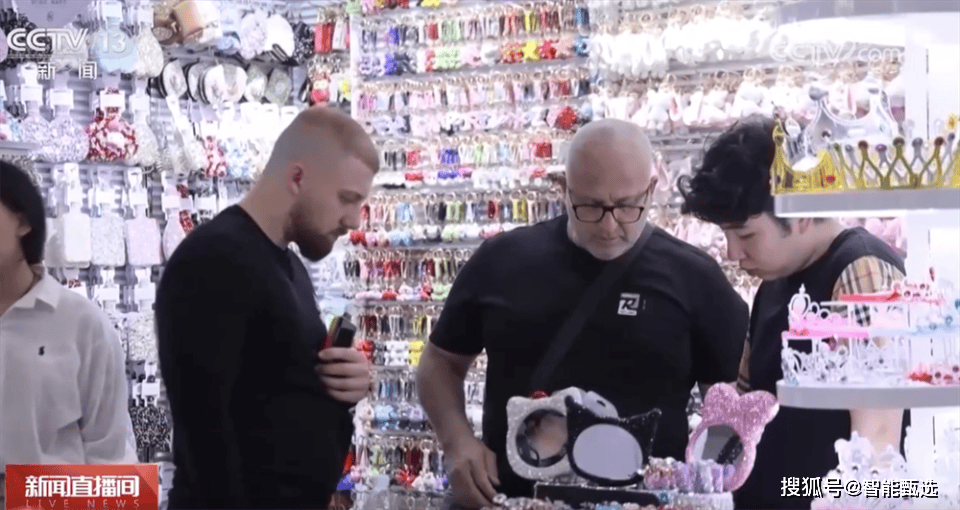
Core Insights - A consumer revolution is underway in China, transforming the country from a "world factory" to a "global shopping paradise" as foreign tourists increasingly purchase Chinese-made products [1][3]. Group 1: The Yiwu Phenomenon - The Yiwu International Trade City is experiencing a surge in international trade, with foreign merchants actively bargaining for a wide range of products, showcasing a vibrant marketplace atmosphere [4]. - Some tourists are live-streaming their bargaining experiences on platforms like TikTok, turning the shopping process into a form of entertainment with significant sales figures [4]. Group 2: Duty-Free Store Trends - In Hainan duty-free stores, foreign tourists are increasingly purchasing domestic beauty products and smart home appliances, with domestic brand sales rising from 5% to 35% in Q1 2025 [5]. - Popular products include Chinese cosmetics and electronics, which are perceived as significantly cheaper than similar items on platforms like Amazon [5]. Group 3: Cultural Consumption Rise - Cultural products such as Hanfu and traditional Chinese medicine are gaining popularity among foreign tourists, who are eager to experience and share these unique aspects of Chinese culture [6]. - Tourists are actively engaging with local customs and products, enhancing their travel experience through cultural immersion [6]. Group 4: Visa and Payment Innovations - The expansion of the 144-hour visa-free transit policy to 60 cities is facilitating easier travel for foreign tourists, making spontaneous trips to China more feasible [7]. - Payment innovations, such as Alipay's "TourPass" service, are simplifying transactions for international visitors, further enhancing the shopping experience [7]. Group 5: Value Proposition Shift - The perception of Chinese products is evolving from "cost-effective" to "quality-price ratio," as foreign consumers recognize the high quality of Chinese goods at competitive prices [8]. - This shift is exemplified by significant price differences between wholesale products in Yiwu and their retail counterparts in Western markets [8]. Group 6: Cultural Experience Enhancement - The TikTok hashtag ChinaTravel has garnered over 5 billion views, highlighting the appeal of China's diverse cultural experiences [9]. - The narrative surrounding Chinese products is becoming richer, as consumers associate purchases with cultural stories and experiences [9]. Group 7: Supply Chain Evolution - Foreign tourists are now seeking customized products, indicating a shift from OEM (Original Equipment Manufacturer) to OBM (Original Brand Manufacturer) in China's supply chain [10]. - This trend allows for greater value addition, as tourists desire unique branding and storytelling in their purchases [10]. Group 8: Revitalization of Traditional Brands - Traditional Chinese brands are experiencing a resurgence in duty-free markets, with significant sales growth attributed to localized marketing strategies [12]. - Brands are adapting their messaging to appeal to international consumers, enhancing their market presence [12]. Group 9: Economic Impact of Tourism - Foreign tourists' spending in duty-free stores has a multiplier effect on local economies, significantly boosting related sectors such as dining and transportation [13]. - Tourists act as informal ambassadors for Chinese shopping experiences, sharing their insights with others upon returning home [13]. Group 10: Challenges and Solutions - Despite the growth, challenges such as counterfeit products and language barriers persist, affecting the shopping experience for some tourists [14]. - Cities are beginning to address these issues by offering immersive shopping experiences that combine cultural activities with retail [15]. Group 11: Future Aspirations - The goal is to establish a unique cultural identity for Chinese shopping, akin to the shopping cultures of Japan and France, emphasizing the distinctiveness and richness of the experience [16]. - The transformation of shopping into a cultural bridge reflects a broader narrative of China's evolution from manufacturing to innovation and cultural exchange [16].