茉莉白啤

Search documents
燕京啤酒:公司已推出10°P红枣枸杞啤酒、绿豆风味小麦、茉莉白啤等多款中式特色啤酒
Zheng Quan Ri Bao Wang· 2026-02-06 09:47
Core Viewpoint - Yanjing Beer is adapting to consumer trends by launching a variety of new products, including 10°P red date and goji berry beer, mung bean-flavored wheat beer, and jasmine white beer, which are now available under the Yanjing brand and Lion King Craft brand [1] Product Development - The company has introduced several new Chinese-style specialty beers to meet evolving consumer preferences [1] - Ongoing focus on new product research and development to provide higher quality products to consumers [1]

燕京啤酒:,已推出10°P红枣枸杞啤酒、绿豆风味小麦、茉莉白啤等多款中式特色啤酒
Mei Ri Jing Ji Xin Wen· 2026-02-06 03:40
Group 1 - The core viewpoint of the article is that Yanjing Beer is actively responding to consumer trends by developing new products, including traditional Chinese-style beers [1] - Yanjing Beer has launched several new products such as 10°P red date and goji berry beer, mung bean-flavored wheat beer, and jasmine white beer, which are now available under the Yanjing brand and Lion King Craft brand [1] - The company emphasizes its commitment to continuous product development to provide higher quality offerings to consumers [1]
1300亿!中国啤酒大变局
Sou Hu Cai Jing· 2025-08-19 03:53
Core Insights - The craft beer segment in China is experiencing rapid growth, contrasting with the decline in traditional industrial beer production and sales [4][11][12] - The introduction of innovative flavors, particularly tea-infused beers, has captured consumer interest and expanded the market [8][10][20] - The younger generation, especially women, is driving the demand for craft beer, leading to a shift in consumption patterns [15][19][20] Group 1: Market Dynamics - The craft beer market in China has surpassed 800 billion yuan in 2024, with a year-on-year growth rate exceeding 30% [10] - Traditional beer giants are facing challenges, with major brands like Budweiser and Tsingtao reporting significant declines in sales [11][12] - The overall beer production in China has decreased by 0.6% in 2024, marking a shift in consumer preferences towards craft beer [12] Group 2: Consumer Trends - The Z generation (ages 18-24) is becoming the core consumer group for craft beer, with a notable increase in female consumers [15][17] - Female consumers now account for 55% of the craft beer market, with a preference for fruity and tea-flavored options [19] - The demand for quality and health-conscious products is reshaping consumer expectations, moving away from low-cost industrial beers [20][21] Group 3: Industry Innovations - The introduction of tea-infused beers, such as Jin Xing's tea beer, has opened new avenues for flavor innovation in the craft beer sector [8][9] - Major breweries are entering the craft beer space, with companies like Tsingtao and China Resources Beer investing in new production facilities [28] - The craft beer segment is evolving from niche markets to mainstream consumption, with retail giants redefining craft beer as a fast-moving consumer good [28][29]

1300亿,中国啤酒大变局
3 6 Ke· 2025-08-19 00:12
Group 1 - The craft beer segment in China has experienced significant growth, becoming the fastest-growing category in the beer market, while traditional industrial beer giants face declining production and revenue [2][11][12] - Jin Xing Beer has emerged as a notable player, achieving remarkable sales of 100 million bottles and a production volume exceeding 100,000 tons, driven by its innovative tea-infused craft beer [5][8] - The introduction of tea-flavored beers has opened new avenues for innovation in the craft beer sector, with major industry players like Qingdao and Budweiser launching their own versions [7][8][9] Group 2 - The craft beer market in China has surpassed 80 billion yuan in size, with a year-on-year growth rate exceeding 30%, and products incorporating Chinese elements now account for 18% of the market [10][12] - The younger generation, particularly the Z generation, is driving the craft beer market, with a notable increase in female consumers, who now represent 55% of the craft beer demographic [16][18] - The shift in consumer preferences towards quality and health has led to a decline in traditional industrial beer, which often uses cheaper ingredients, while craft beer adheres to higher quality standards [19][20] Group 3 - The craft beer segment in China has evolved from a niche market to a more inclusive definition, allowing for a broader range of products as long as they adhere to basic brewing standards [22][23] - The number of craft beer companies has surged, with over 24,000 related enterprises existing as of mid-2025, indicating a robust growth trajectory [26] - Major beer corporations are entering the craft beer space, but their primary focus remains on traditional mass production, while new retail players are redefining craft beer as a more accessible consumer product [27][29][30]
跨界卖汽水,难成燕京啤酒第二曲线
3 6 Ke· 2025-07-08 00:20
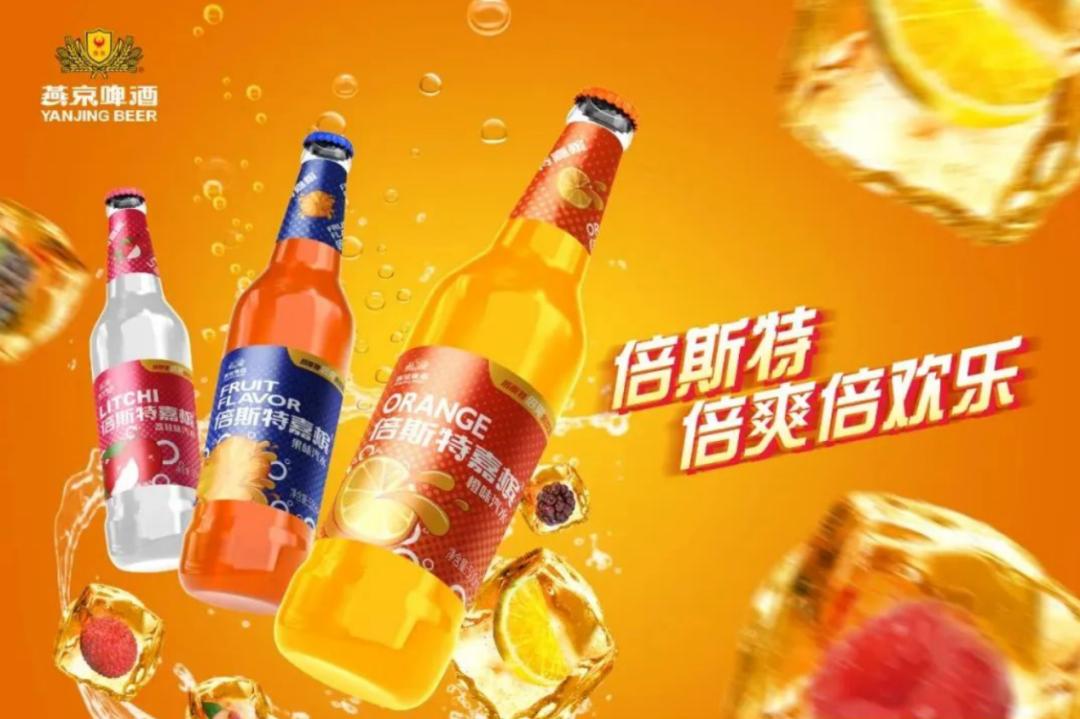
Core Viewpoint - Yanjing Beer is strategically entering the soda market, launching the Beiste soda and planning to integrate beer and soda production, primarily targeting the restaurant sector to compete with major brands like Dajiao [1][2][8] Group 1: Market Context - The domestic beer market has reached a saturation point, with production peaking in 2013 and declining to 35.68 million kiloliters by 2022, indicating a shift to a stock market era [10][12] - In contrast, the carbonated beverage market is projected to grow, potentially exceeding 200 billion yuan by 2025, with a compound annual growth rate of 5% to 8% [12][13] Group 2: Competitive Landscape - Dajiao's revenue surpassed 3.2 billion yuan in 2023, making it a formidable competitor in the soda market [2] - Yanjing Beer’s Beiste soda is priced lower than Dajiao, with a supply price of 33 yuan per box compared to Dajiao's 38 yuan, allowing for greater profit margins for distributors [4][5] Group 3: Strategic Advantages - Yanjing Beer has an extensive distribution network, covering over 500,000 restaurant terminals, which overlaps significantly with soda channels, facilitating easier market entry for Beiste [5][8] - The company aims to achieve 80% coverage of its target terminals within three years, leveraging its existing beer sales infrastructure [5] Group 4: Financial Performance - Yanjing Beer reported a revenue of 14.667 billion yuan in 2024, a 3.2% increase from the previous year, with a net profit of 456 million yuan, marking a 63.74% growth [8][9] - The company’s high-end beer series, Yanjing U8, saw a 31.4% increase in sales volume in 2024, indicating strong performance despite market challenges [5][8] Group 5: Consumer Trends - The trend of "milk tea-ification" in beverages is gaining traction, with various brands introducing innovative flavors to attract younger consumers [14][19] - Yanjing Beer is attempting to reposition itself to appeal to younger demographics, who prioritize brand image and emotional value over just price [13][19]