
越剧《我的大观园》

Search documents
陈丽君、李云霄,破格晋升
Xin Lang Cai Jing· 2026-01-18 06:09
Core Points - The Zhejiang Provincial Human Resources and Social Security Department announced the qualification of 87 individuals for senior professional technical positions in the arts, including actors Chen Lijun and Li Yunxiao from the Zhejiang Xiaobaihua Yue Opera Theatre [1] - The announcement includes a plan for the 2025 evaluation of senior professional technical positions in the arts, where Chen Lijun and Li Yunxiao applied for the first-level actor qualification based on their significant achievements [1] Group 1 - Chen Lijun, born in 1992 in Zhejiang Shengzhou, gained popularity in 2023 for her role in "New Dragon Gate Inn," successfully bringing traditional Yue Opera to a younger audience [3] - In 2025, Chen Lijun won the 18th Wenhua Performance Award for her role as Jia Baoyu in "My Grand View Garden" [3] - Li Yunxiao, born in October 1993 in Zhejiang Linhai, is recognized as a leading actress in Yue Opera and gained fame in 2023 for her role as the innkeeper Jin Xiangyu in "New Dragon Gate Inn" [3] Group 2 - In 2024, Li Yunxiao received the Newcomer Leading Role Award at the 32nd Shanghai White Magnolia Drama Performance Art Awards for her performance in the realistic Yue Opera "Qiantang Li" [3]

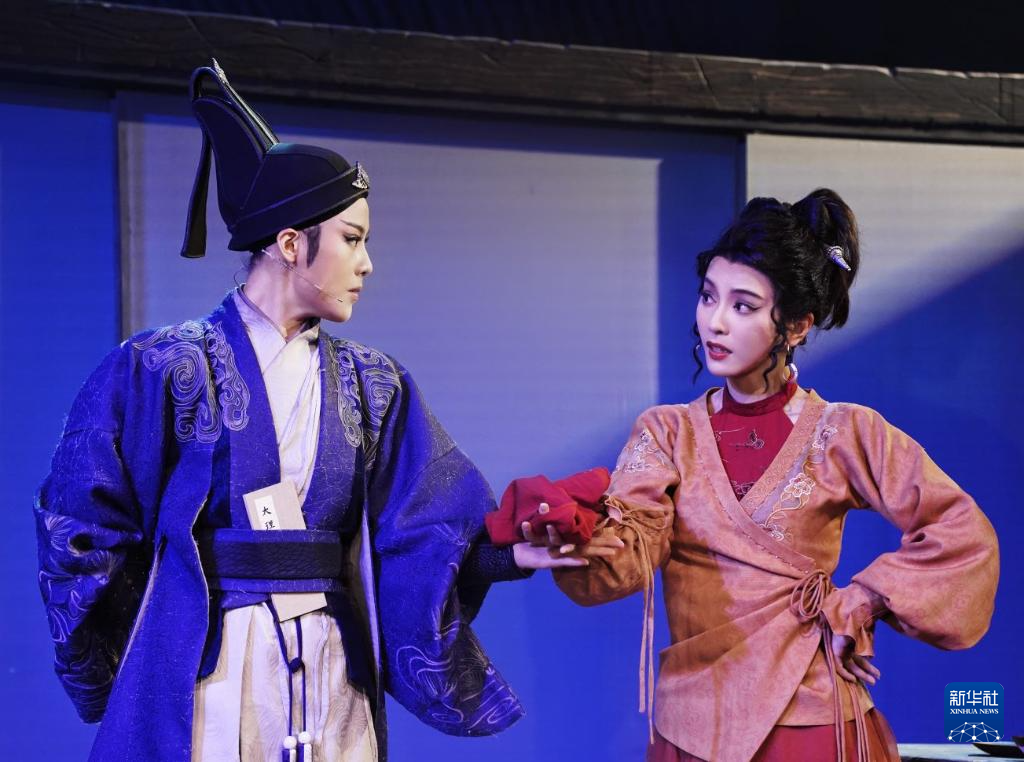
陈丽君、李云霄获评一级演员
Xin Lang Cai Jing· 2026-01-18 06:09
Group 1 - The Zhejiang Provincial Human Resources and Social Security Department announced the qualification of 87 individuals for senior professional technical positions in the arts, including actors Chen Lijun and Li Yunxiao from the Zhejiang Xiaobaihua Yue Opera Theatre, who received the title of first-class actor for their outstanding artistic contributions and professional achievements [1]. Group 2 - Chen Lijun, born in 1992 in Shengzhou, Zhejiang, gained popularity in 2023 for her role as Jia Ting in the innovative Yue Opera "New Dragon Gate Inn," successfully bringing traditional Yue Opera to a younger audience [3]. - Li Yunxiao, born in October 1993 in Linhai, Zhejiang, rose to fame in 2023 for her portrayal of the female lead, Jin Xiangyu, in the new national style Yue Opera "New Dragon Gate Inn," and won the Newcomer Leading Role Award at the 32nd Shanghai White Magnolia Drama Performance Arts Awards in 2024 for her role in the realistic Yue Opera "Qiantang Li" [3].
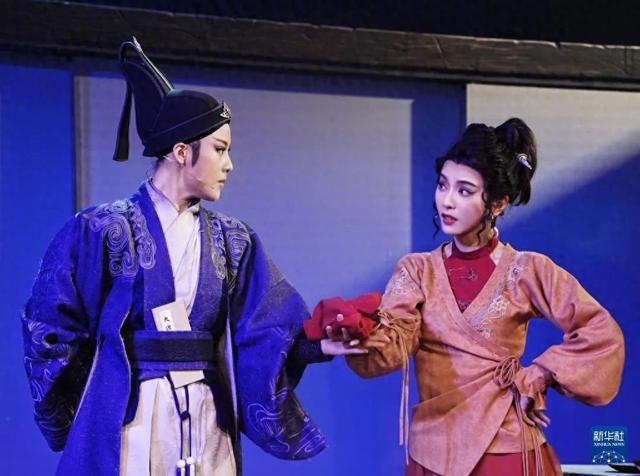
陈丽君李云霄获一级演员任职资格
Xin Lang Cai Jing· 2026-01-18 06:08
Core Viewpoint - The announcement by the Zhejiang Provincial Human Resources and Social Security Department recognizes Chen Lijun and Li Yunxiao as recipients of the first-level actor qualification due to their outstanding artistic contributions and professional achievements [1] Group 1: Recognition of Artists - Chen Lijun and Li Yunxiao are among 87 individuals awarded the first-level actor qualification by the Zhejiang Provincial Human Resources and Social Security Department [1] - The recognition is based on their significant artistic contributions, with both artists having made notable impacts in the field of traditional Chinese opera, specifically Yue opera [1] Group 2: Career Highlights - Chen Lijun, born in 1992, gained popularity in 2023 for her role as Jia Ting in "New Dragon Gate Inn," successfully bringing traditional Yue opera to a younger audience [1] - In 2025, Chen Lijun won the 18th Wenhua Performance Award for her portrayal of Jia Baoyu in "My Grand View Garden" [1] - Li Yunxiao, born in October 1993, rose to fame in 2023 for her role as the female lead Jin Xiangyu in the new national style Yue opera "New Dragon Gate Inn" [1] - In 2024, Li Yunxiao received the Newcomer Leading Role Award at the 32nd Shanghai White Magnolia Drama Performance Art Awards for her performance in the realistic-themed Yue opera "Qiantang Li" [1]
官宣:陈丽君、李云霄,破格晋升
Xin Lang Cai Jing· 2026-01-18 05:01
Core Viewpoint - The announcement by the Zhejiang Provincial Human Resources and Social Security Department recognizes 87 individuals, including actors Chen Lijun and Li Yunxiao, for their qualifications in advanced artistic professional technical positions, highlighting the growing recognition of traditional arts in modern contexts [1][3]. Group 1: Recognition of Artists - Chen Lijun and Li Yunxiao have been awarded the title of first-level actors, showcasing their significant contributions to the art of Yue opera [1]. - The recognition is part of a broader evaluation plan for advanced artistic positions set to be published by the Zhejiang Provincial Human Resources and Social Security Department for 2025 [1]. Group 2: Achievements of Chen Lijun - Chen Lijun, born in 1992 in Zhejiang Shengzhou, gained fame in 2023 for her role in the new Yue opera "New Dragon Gate Inn," which helped bring traditional Yue opera to a younger audience [3]. - In 2025, she is expected to receive the 18th Wenhua Performance Award for her portrayal of Jia Baoyu in "My Grand View Garden" [3]. Group 3: Achievements of Li Yunxiao - Li Yunxiao, born in October 1993 in Zhejiang Linhai, is recognized as a prominent actress in the Zhejiang Xiaobaihua Yue Opera Troupe, particularly known for her role in "New Dragon Gate Inn" [3]. - In 2024, she is set to receive the Newcomer Leading Role Award at the 32nd Shanghai White Magnolia Drama Performance Art Awards for her performance in the realistic Yue opera "Qiantang Li" [3].
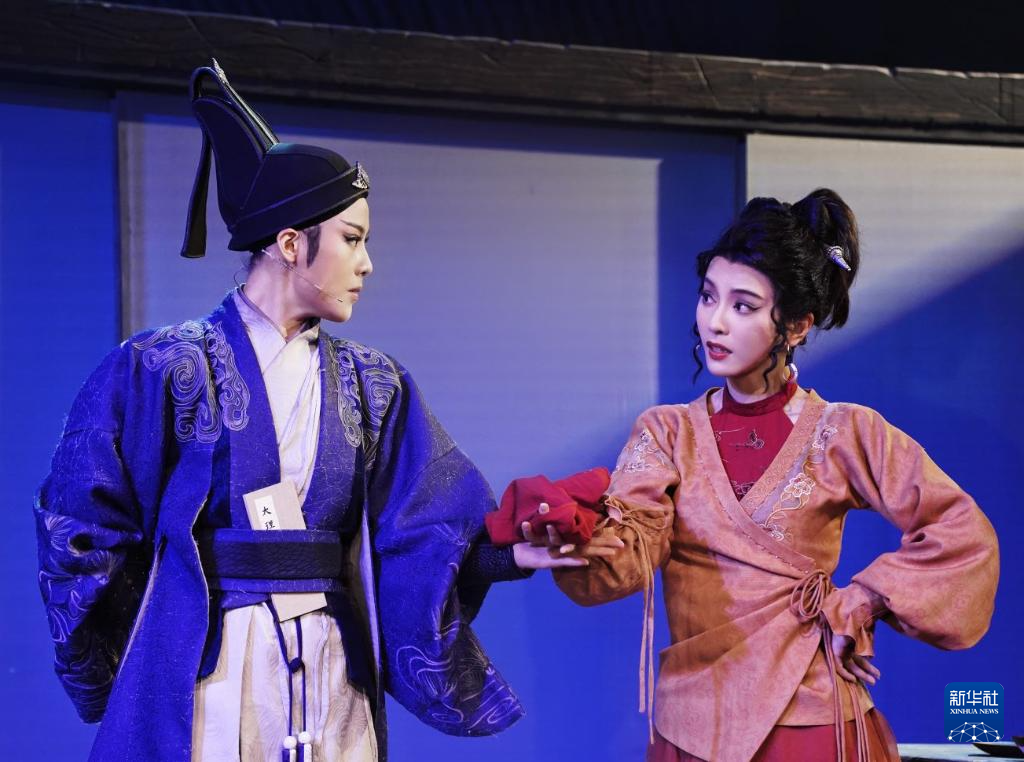
实至名归!恭喜陈丽君获评一级演员
Xin Lang Cai Jing· 2026-01-17 03:20
Core Viewpoint - Chen Lijun has been awarded the title of first-class actor, marking a significant achievement in her career as a prominent Yue opera performer [1] Group 1: Achievements - Chen Lijun's promotion to first-class actor is based on her "iconic performance" and significant contributions to the art form [1] - She starred in the Yue opera "My Grand View Garden," which is set to tour 58 performances in 2025, achieving a total box office revenue of 775.5 million yuan, setting a historical record for Chinese opera [1] - The performance attracted over 100,000 attendees, with more than 60% of the audience being post-90s generation [1] Group 2: Awards - Chen Lijun won the 18th Wenhua Performance Award for her role as "Jia Baoyu" in "My Grand View Garden," further solidifying her status in the industry [1]
且以新意共远方
Hang Zhou Ri Bao· 2026-01-13 02:57
Core Insights - Hangzhou's cultural industry is experiencing significant growth, particularly in the areas of online literature, web series, and online games, collectively referred to as the "new three items" of culture, which are gaining global popularity and recognition [2][3] - The city has established itself as a leader in cultural exports, with 31 key enterprises and 9 projects recognized during the "14th Five-Year Plan" period, and a total of 688 web series approved for distribution, showcasing its dominance in the national market [2][3] - The introduction of supportive policies and initiatives aims to enhance the quality and international reach of Hangzhou's cultural products, further solidifying its position as a cultural hub [3][4] Cultural Export and Innovation - The game "Black Myth: Wukong" exemplifies the successful internationalization of Chinese IP, generating 9 billion yuan in revenue from a 300 million yuan investment, marking a significant milestone for Hangzhou's cultural industry [3] - The city is transitioning from merely exporting cultural products to developing a comprehensive cultural ecosystem that emphasizes value resonance and deep cultural experiences [3][10] - Hangzhou's commitment to long-term strategies and technological innovation is expected to drive the cultural industry forward, integrating AI and other technologies into the cultural export process [3][11] Reading Culture - The promotion of reading in Hangzhou has gained momentum, with various initiatives and events aimed at enhancing public engagement with literature, culminating in the implementation of the "National Reading Promotion Regulations" [6][8] - The establishment of new reading spaces and community engagement activities reflects a shift towards fostering a culture of quality reading, moving beyond mere book consumption [6][7] - The new regulations are set to provide a legal framework for promoting reading, ensuring that resources are allocated to support grassroots reading initiatives [8] New Cultural Landmarks - The opening of new cultural landmarks, such as the iQIYI (Hangzhou) Park, is expected to attract significant visitor traffic and enhance the city's cultural tourism landscape [9][10] - The integration of technology and immersive experiences in new cultural projects aims to create lasting impressions on visitors, transforming their experiences from mere "check-ins" to meaningful engagements with the city [10][11] - The focus on creating a blend of historical and modern attractions is designed to enhance the overall visitor experience, ensuring that cultural tourism in Hangzhou remains competitive and appealing [10][11] Youth and Traditional Arts - The rise of "youth opera" in Hangzhou reflects a broader trend of revitalizing traditional arts through innovative performances and the involvement of younger artists [12][13] - Events such as the Zhejiang Youth Opera Actor Competition highlight the growing participation of young talent in traditional arts, indicating a shift towards a younger audience demographic [12][13] - The successful integration of modern elements into traditional performances aims to attract new audiences and ensure the sustainability of traditional arts in the contemporary cultural landscape [13][14]
老戏新唱,有形更有韵
Xin Hua Wang· 2026-01-07 02:46
Core Viewpoint - The "Zheli Youxi" 2026 New Spring Cultural Benefit Activity will launch in Zhejiang, featuring over 200 high-quality performances across 90 counties, aiming to protect and innovate traditional opera amidst challenges like talent shortages and audience demographic changes [1] Group 1: Cultural Preservation Initiatives - The Zhejiang Provincial Department of Culture, Radio, Television and Tourism established a rescue working group for traditional opera melodies in 2022 to address the risk of losing these art forms [1] - The Cultural Gene Activation Project, set to begin in April 2024, aims to systematically explore and organize traditional opera lyrics and melodies, highlighting their historical, cultural, and aesthetic values [1] - The Zhejiang Digital Melody Database project has collected 2,916 traditional opera melodies, 128 theater troupes, and 519 performances, and has launched a digital platform and AI application for public access [1] Group 2: Innovation in Traditional Opera - The Zhejiang Digital Melody Database has facilitated the modernization of traditional works, such as the Yue opera "My Grand View Garden," which incorporates contemporary lighting and sound effects [2] - The Wuju opera "Three Strikes on the White Bone Spirit" has integrated elements like "face-changing," "costume changes," and drone effects, with over 140 performances attracting more than 5 million viewers both online and offline [2] - Environmental Yue opera "New Dragon Gate Inn" has broken traditional theater boundaries, appealing to younger audiences and becoming a cultural trend [2] Group 3: Community Engagement and Global Outreach - The "Cultural Enrichment" performances, including traditional opera, have exceeded 550,000 shows across the province, with state-owned art troupes bringing quality performances to rural areas [2] - Zhejiang traditional opera has reached over 60 countries and regions across five continents, conducting more than 340 performances and cultural exchange activities, benefiting over 5 million overseas viewers [2]
陈丽君称巡演10个月哭了很多次
Xin Lang Cai Jing· 2026-01-04 10:44
Core Viewpoint - The interview with Chen Lijun highlights the emotional connection between performers and their audience, emphasizing the importance of evolving artistic expression to maintain audience engagement [1] Group 1: Emotional Connection with Audience - Chen Lijun expresses that the bond with fans is built over time through shared experiences, which cannot be quantified [1] - She acknowledges that during difficult times, her perseverance can inspire her audience, viewing them as friends and confidants despite physical distance [1] Group 2: Artistic Evolution - Chen Lijun stresses the necessity for artists to present fresh content to keep the audience's interest, indicating that repeating the same performance can lead to viewer fatigue [1] - She reflects on her experiences during the 10-month tour of "My Grand View Garden," noting the emotional challenges faced and the commitment to delivering high-quality performances [1]
陈丽君说自己没有停下
Xin Lang Cai Jing· 2026-01-03 02:47
Core Insights - The article highlights Chen Lijun's reflections on her 10-month tour of the Yue opera "My Grand View Garden," emphasizing her emotional journey and commitment to her craft [1] Group 1: Performance Insights - Chen Lijun views each performance as a battle, expressing that she has experienced sadness and setbacks throughout the tour, but always manages to rise again [1] - She integrates emotional connections and life experiences into her roles, enhancing the overall presentation of "My Grand View Garden" [1] Group 2: Future Aspirations - Chen Lijun expresses a deep love for Yue opera and advocates for more possibilities for opera actors, indicating a desire to break free from constraints [1] - She emphasizes the importance of taking concrete actions and is determined to work diligently on current projects while exploring new opportunities for future works [1]
用开放的眼光看待戏曲创新(“坚持两创”·关注新时代文艺)
Ren Min Ri Bao· 2025-11-17 23:06
Core Viewpoint - The innovation in traditional Chinese opera faces challenges not only from within different traditional genres but also from competing performance forms like drama and musical theater, particularly among contemporary youth audiences who view all as "theater" [1][5]. Group 1: Performance Innovations - Recent performances such as the Wuju opera "Three Beats of the White Bone Spirit" and the Yue opera "My Grand View Garden" have garnered significant attention, with the former performing over 100 shows since its premiere in 2023 and the latter over 50 shows since January 2025 [1]. - The three highlighted works demonstrate market recognition, with "Three Beats of the White Bone Spirit" receiving mostly positive feedback, while the Yue operas have sparked debate regarding their artistic integrity versus commercial appeal [1][4]. Group 2: Structural and Thematic Differences - "Three Beats of the White Bone Spirit" simplifies traditional narratives to focus on actor performance, emphasizing the essence of "literary drama in martial arts and martial arts in literary drama" [3]. - "New Dragon Gate Inn" employs traditional drama writing techniques, closely examining the emotional relationships of four main characters, while "My Grand View Garden" adopts a more radical approach by restructuring the narrative from a personal perspective [2][3]. Group 3: Audience Engagement and Cultural Context - The innovations in Wuju and Yue opera reflect a return to performance-centric forms, with each genre responding to different cultural challenges—Wuju rooted in grassroots settings and Yue opera thriving in urban environments [4]. - Yue opera's adaptation to urban audiences, who are accustomed to various performance styles, has led to a stronger impulse for thematic innovation and the incorporation of elements from film and drama [4]. Group 4: Future Directions and Artistic Exploration - The ongoing debates about opera innovation highlight the need for a balance between traditional performance elements and modern influences, suggesting that the evolution of Chinese opera may lead to a richer modern theatrical landscape [5][6]. - The blending of traditional and modern theatrical elements could potentially reshape the overall landscape of contemporary theater, offering new artistic forms that draw from both [6].