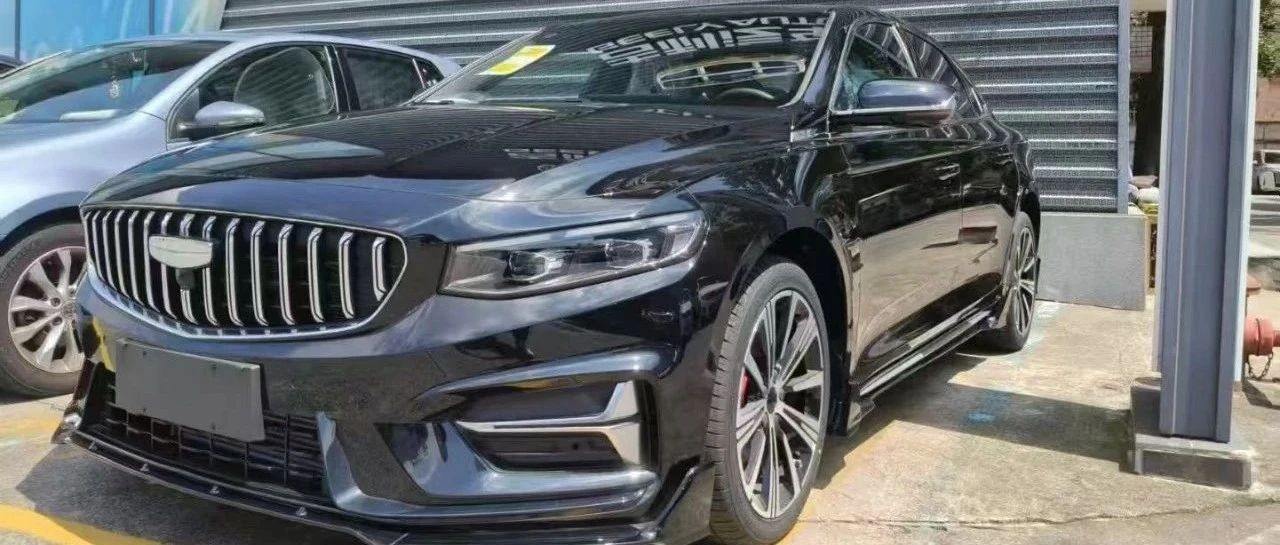
轩逸经典

Search documents
超长车贷成车企标配“低月供”之下隐忧浮现
Jing Ji Wang· 2026-02-11 02:55
Core Viewpoint - The automotive industry is experiencing an intense competition with the introduction of "7-year ultra-low interest" car loans by companies like Tesla, NIO, and Xiaomi, alongside Nissan's "0 down payment, 8-year loan" scheme, reflecting the anxiety and strategic shifts in the market as the penetration rate of new energy vehicles exceeds 54% [1][3]. Group 1: Loan Offerings - Dongfeng Nissan has launched a "0 down payment, 8-year ultra-long low-interest loan" for its Tianlai model, with a total cost of approximately 140,000 yuan and a monthly payment of around 55 yuan [2]. - The 8-year loan option has been extended to all models in Dongfeng Nissan's lineup, with the lowest daily payment for the Xuan Yi model being 27 yuan [2]. - Other automotive companies, including Tesla, NIO, and Xiaopeng, have also begun offering similar long-term loan options, breaking away from the traditional 1 to 5-year loan terms [2][3]. Group 2: Market Dynamics - The shift to ultra-long-term low-interest loans is a response to fierce market competition and reflects traditional automakers' anxiety during the critical transition to new energy vehicles [3]. - By 2025, new energy vehicles are projected to account for 50.8% of domestic car sales, indicating a significant market shift [3]. - The regulatory environment has also facilitated longer loan terms, allowing banks to extend personal consumption loans from a maximum of 5 years to 7 years for long-term consumers [3]. Group 3: Risks and Concerns - The ultra-long car loans are primarily offered through financing leasing companies rather than traditional bank loans, which raises potential legal and financial risks for consumers [5][6]. - Consumers may not legally own the vehicle until all payments are made, leading to a situation where they could lose both the vehicle and their payments if they default [6]. - The depreciation of electric vehicles poses a risk, as the residual value may fall below the outstanding loan balance, creating a "negative equity" situation for consumers [6][7].




车贷“卷到”8年了
2 1 Shi Ji Jing Ji Bao Dao· 2026-02-05 05:05
Group 1 - The core viewpoint of the article highlights the increasing trend of long-term low-interest car loans in the automotive industry, with Dongfeng Nissan introducing an 8-year financing plan for its models, including the Tianlai Hongmeng cockpit, to stimulate sales amid market pressures [1][3]. - Dongfeng Nissan's financing plan offers a 0% down payment and a monthly payment as low as 55 yuan, calculated based on a vehicle price of 129,900 yuan and a financing term of 96 months at an interest rate of 4.88% [1]. - The competitive landscape has intensified, with various automakers like Tesla, Xiaomi, and others also launching similar long-term financing options, breaking the traditional 1-5 year loan period [1][2]. Group 2 - The long-term low-interest financing schemes vary significantly among automakers, with down payment requirements ranging from 0% to over 25%, and annual interest rates between 0.98% and 4.69%, with Tesla offering the lowest cost [2]. - Dongfeng Nissan's move is influenced by multiple market pressures, including the need to boost sales through financial incentives, especially as the penetration rate of new energy vehicles reaches 54% in the market [3]. - The extension of loan terms for consumer financing from a maximum of 5 years to 7 years is part of a broader policy initiative aimed at stimulating consumption, which has prompted automakers to adopt longer financing options [3]. Group 3 - While long-term loans may lower monthly payments, they also increase total interest expenses, necessitating careful consideration by consumers regarding their repayment capabilities [4]. - The risk of vehicle depreciation is significant, with the resale value of plug-in hybrid and electric vehicles dropping below that of traditional fuel vehicles, which could impact consumer decisions [4]. - Legal distinctions between loan contracts, sales contracts, and leasing contracts are crucial for consumers to understand, as they affect vehicle ownership and rights in case of default [4]. Group 4 - The effectiveness of long-term car loans as a sales driver for automakers and the balance consumers must strike between low entry costs and risk management remains to be tested in the market [5].
车贷“卷到”8年了
21世纪经济报道· 2026-02-05 04:58
Core Viewpoint - The article discusses the increasing trend of ultra-long-term low-interest car loans in the automotive industry, highlighting East Nissan's recent financial offerings as part of a competitive strategy to boost sales amid market pressures and policy changes [1][5]. Group 1: East Nissan's Financial Offerings - East Nissan has introduced a limited-time financial plan for its model, the Tianlai Hongmeng cockpit, featuring a zero down payment and an 8-year loan term with a monthly payment as low as 55 yuan, based on a vehicle price of 129,900 yuan [1]. - The financial plan is applicable to all models in East Nissan's lineup, including N6, N7, and Xuan Yi Classic, with a zero down payment and a monthly payment as low as 27 yuan for the Xuan Yi Classic [1][5]. - The financing is provided by East Nissan's licensed automotive financial company, indicating a structured approach to consumer financing [1]. Group 2: Market Context and Competition - The introduction of East Nissan's ultra-long-term low-interest loans is part of a broader trend where various automakers, including Tesla and Xiaomi, have begun offering 7-year low-interest financing options, breaking away from traditional 1-5 year loan terms [5]. - The annual interest rates for these long-term loans vary significantly, ranging from 0.98% to 4.69%, with Tesla offering the lowest cost [5]. - The competitive landscape is influenced by the need for car manufacturers to stimulate sales, especially as the market for new energy vehicles (NEVs) is projected to grow significantly, with a forecasted domestic sales volume of 13.875 million units in 2025, representing a 19.8% year-on-year increase [5]. Group 3: Consumer Considerations and Risks - The extension of loan terms to 8 years may lead to increased total interest payments for consumers, necessitating careful financial assessment before committing to such loans [6]. - The risk of vehicle depreciation is highlighted, with electric vehicles showing lower resale values compared to traditional fuel vehicles, which could impact consumers' long-term financial decisions [7]. - Consumers are advised to understand the differences between loan contracts, sales contracts, and leasing agreements, as these can significantly affect vehicle ownership and financial obligations [7].


车贷“卷到”8年了,又一车企推出超长期低息金融方案
2 1 Shi Ji Jing Ji Bao Dao· 2026-02-04 12:49
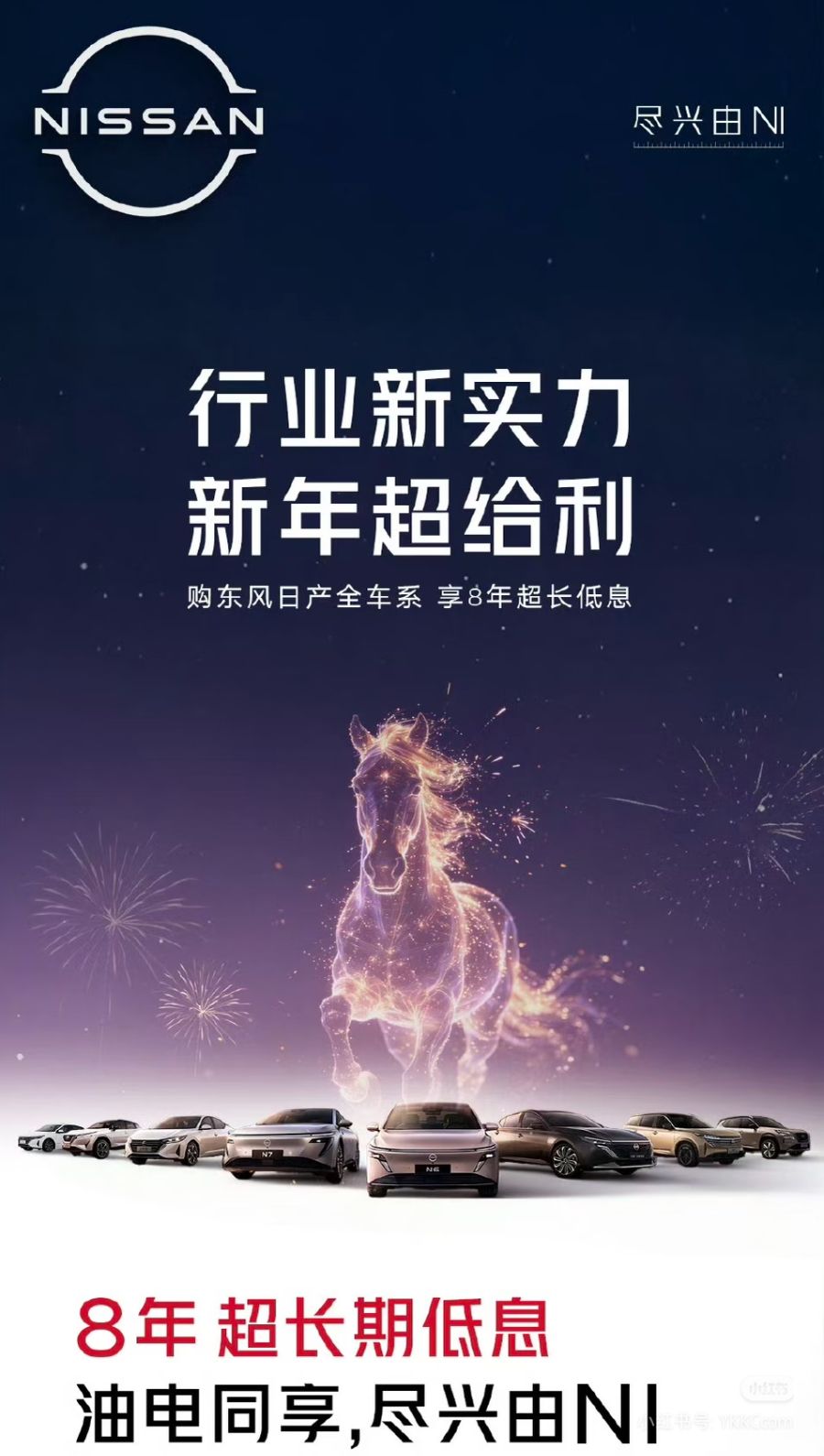
Group 1 - Dongfeng Nissan has introduced a limited-time financial plan for its Tianlai Hongmeng model, featuring 0 down payment and an 8-year low-interest loan with daily payments starting at 55 yuan [1] - The financial plan is applicable to all models in the Dongfeng Nissan lineup, including N6, N7, and Xuan Yi Classic, with a financing term of 96 months and a starting daily payment of 27 yuan for Xuan Yi Classic [1][4] - This initiative is part of a broader trend among automakers to offer extended loan terms, with competitors like Tesla and Li Auto also launching 7-year low-interest plans [4] Group 2 - The introduction of long-term low-interest loans is a response to market pressures and policy changes, including a temporary reduction in vehicle purchase tax for new energy vehicles [5] - In 2025, the domestic sales of new energy vehicles are projected to reach 13.875 million units, with a year-on-year growth of 19.8%, indicating a significant market shift towards electric vehicles [5] - Dongfeng Nissan's sales of new energy vehicles have been relatively low, with over 50,000 units sold, necessitating measures to stimulate demand [5] Group 3 - The extended repayment period may lead to increased total interest payments for consumers, necessitating careful financial consideration [6] - The risk of vehicle depreciation is highlighted, with plug-in hybrid vehicles having a resale value of only 43.7% and electric vehicles at 42%, compared to over 50% for traditional fuel vehicles [6] - Consumers are advised to understand the differences between loan contracts, sales contracts, and leasing contracts, as ownership and risk vary significantly [6] Group 4 - The effectiveness of long-term car loans as a sales driver for automakers and the balance consumers must strike between low entry costs and risk management remains to be seen [7]
高息高返已经停止一个月,现在一线销售情况怎么样?
车fans· 2025-07-28 00:32
Core Viewpoint - The cessation of high-interest and high-rebate car loans has led to a significant shift in the automotive financing landscape, impacting sales and customer behavior across various brands and dealerships [1][9]. Group 1: Sales Impact - Traditional sales peak in July has been disrupted, with a reported 5% decrease in foot traffic but a staggering 40% drop in sales volume [3]. - The absence of manufacturer subsidies has forced dealerships to increase car prices, with examples showing price hikes of over 7,000 yuan for models like the Passat [3]. - Sales strategies have shifted to low-interest financing options, which are less attractive compared to previous high-rebate offers, leading to reduced sales incentives [4][11]. Group 2: Customer Behavior - Customer sentiment has changed, with many expressing dissatisfaction over the removal of high-rebate options, leading to confusion and frustration [9]. - A significant portion of customers (60%-70%) are opting for early loan repayments, indicating a shift in financial strategy due to the new lending environment [3][7]. - Customers who previously benefited from high-rebate loans are now facing higher costs under new financing schemes, which has altered their purchasing decisions [11][12]. Group 3: Financing Options - New financing options include two-year interest-free loans and low-interest loans, but these are perceived as less favorable compared to previous high-rebate schemes [6][14]. - The approval process for loans has become stricter, with many customers facing rejections that were previously uncommon, impacting their ability to purchase vehicles [11]. - The current financing landscape is characterized by a mix of manufacturer and bank offerings, with a notable shift towards lower interest rates but without the attractive rebates that were previously available [10][12].