
近视防控贴

Search documents
护眼仪、防控贴能改善视力?专家:尚无明确医学证据,不建议盲目使用
Xin Lang Cai Jing· 2026-01-13 06:23
Group 1 - The article discusses the increasing interest in myopia correction methods due to factors like job applications and aesthetic improvements, highlighting the popularity of topics like "myopia correction surgery" [1] - Myopia correction surgery, including laser procedures and artificial lens implantation, is a mature method for vision correction, but it is not a permanent solution; proper eye care post-surgery is essential [1] - The "20-20" rule is recommended for alleviating eye fatigue caused by prolonged screen time, suggesting a break every 20 minutes of close work by looking at something 20 feet away for 20 seconds [1] Group 2 - There is currently no clear medical evidence supporting the effectiveness of various eye care products like "myopia prevention patches" and "eye care devices," and their use is not recommended without verified methods [2] - Effective myopia prevention strategies include at least 2 hours of outdoor activity daily, using optical aids like OK lenses under medical guidance, and following prescriptions for low-concentration atropine [2] - The misconception that myopic individuals do not experience presbyopia is addressed; both conditions can coexist as they arise from different causes [2] Group 3 - It is advised that middle-aged individuals should regularly update their reading glasses as the prescription may change with age, and failing to do so can lead to eye strain and potential vision deterioration [4] - Symptoms like blurred vision, double vision, and headaches may indicate serious eye conditions such as cataracts or glaucoma, necessitating prompt medical attention [4]
防控贴护眼仪能改善视力吗
Jing Ji Ri Bao· 2026-01-13 01:22
Core Viewpoint - The article discusses the limitations of myopia correction surgeries and emphasizes the importance of proper eye care practices post-surgery, as well as addressing common misconceptions about myopia and presbyopia. Group 1: Myopia Correction Surgeries - Myopia correction surgeries, including laser procedures and artificial lens implantation, are effective but not a permanent solution, as prolonged near work can lead to fluctuations in vision [1] - Proper eye care practices, such as maintaining a regular schedule and using eyes scientifically, are crucial for protecting vision after surgery [1] Group 2: Eye Care Products and Practices - Current eye care products like "myopia prevention patches" and "eye care devices" lack clear medical evidence supporting their effectiveness, and their use is not recommended without proper validation [2] - Effective myopia prevention methods include at least 2 hours of outdoor activity daily, wearing OK lenses or functional glasses under medical guidance, and using low-concentration atropine as prescribed [2] Group 3: Myopia and Presbyopia Misconceptions - Myopia and presbyopia have different causes and do not counteract each other; individuals with myopia may experience both conditions as they age [2] - Older adults should regularly update their presbyopic glasses, as the prescription may change with age, and using outdated prescriptions can lead to eye fatigue and potentially accelerate vision decline [2][3] Group 4: Eye Health Monitoring - Symptoms such as blurred vision, double vision, and headaches may indicate serious eye conditions like cataracts or glaucoma, necessitating prompt medical attention [3] - Regular eye examinations are recommended, especially for individuals with hypertension, diabetes, or a family history of eye diseases, ideally every six months to a year [3]
卫健委:近视手术做完就彻底摆脱近视这个说法不正确
Xin Lang Cai Jing· 2025-12-19 15:19
Group 1 - The arrival of the winter solstice marks the onset of the coldest phase of the year, with respiratory diseases like influenza being prevalent [1] - The National Health Commission advises the public to maintain good hygiene practices, including wearing masks, frequent handwashing, and ensuring proper ventilation, as well as getting vaccinated against influenza [1] - A press conference was held by the National Health Commission to discuss topics related to health maintenance during winter, influenza prevention, vaccine administration, respiratory disease treatment, common pain management, and eye health [1] Group 2 - There is a public misconception that undergoing myopia surgery completely eliminates the need for corrective lenses and that vision will not regress [3] - The effectiveness of various products marketed for myopia prevention and vision improvement, such as "myopia control patches" and "eye care devices," is questioned [3]


“近视防控贴”“护眼仪”有用吗?专家解答
Ren Min Wang· 2025-12-19 10:33
Core Viewpoint - The perception that myopia surgery completely eliminates myopia and prevents regression is incomplete, as myopia cannot be cured, and new myopia may develop if eye care is neglected [1][2] Group 1: Myopia Surgery Insights - Myopia surgery can help individuals become independent from glasses, with techniques such as corneal laser surgery (e.g., SMILE Pro) and intraocular lens surgery (e.g., ICL, V4C, V5) effectively improving vision [1] - Post-surgery, it is crucial to maintain long-term eye care, as improper habits like excessive screen time or rubbing the eyes can still negatively impact vision [1] Group 2: Vision Protection Recommendations - To protect vision, maintaining a regular schedule and avoiding prolonged screen time is essential, with the "20-20" rule recommended: take a 20-second break every 20 minutes of screen time, ideally looking at something 5 meters away [2] - There is currently no medical evidence supporting the effectiveness of myopia prevention patches or devices, and validated methods should be prioritized for myopia control [2] - Recommended strategies for myopia prevention include at least 2 hours of outdoor activity daily, using optical aids like OK lenses or prescription glasses under medical guidance, and considering low-concentration atropine under a doctor's advice [2]
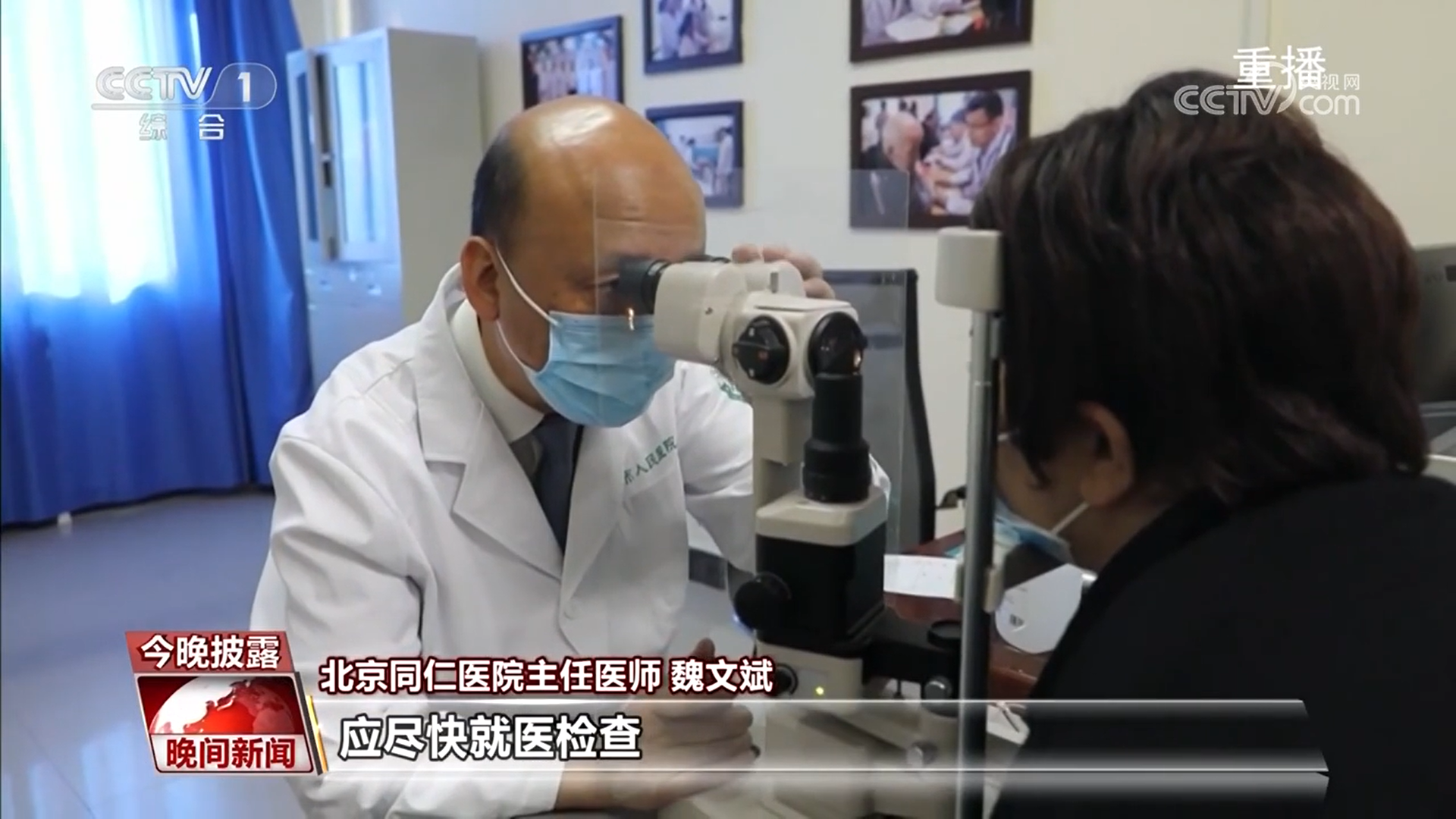
医生提示:“近视防控贴”有效性暂无医学证据
Xin Lang Cai Jing· 2025-12-19 10:12
Core Viewpoint - The effectiveness of products claiming to prevent myopia and improve vision, such as "myopia prevention patches" and "eye protection devices," lacks medical evidence and is not recommended by experts [1] Group 1: Expert Opinions - Dr. Zhou Xingtao from Fudan University emphasizes that there is currently no medical evidence supporting the effectiveness of these products, highlighting that myopia cannot be cured once it occurs [1] - The focus should be on validated methods for myopia prevention, rather than unproven products [1] Group 2: Recommended Prevention Methods - The first recommended method is lifestyle changes, specifically engaging in at least 2 hours of outdoor activities daily, with a minimum of 1 hour being effective for children who struggle to meet the full 2 hours [1] - The second method involves optical solutions, including OK lenses and certain functional glasses, which should be used under medical guidance [1] - The third method includes pharmacological options, such as low-concentration atropine, which must also be used according to a doctor's advice [1]
警惕“近视防控贴”“护眼仪”伤眼
Zhong Guo Qing Nian Bao· 2025-06-06 23:02
Core Viewpoint - The irreversible nature of myopia and the lack of evidence supporting various eye care products are emphasized, highlighting the importance of scientifically validated methods for myopia prevention [1][2] Group 1: Myopia Prevention Methods - Effective myopia prevention methods include more than two hours of outdoor activities daily, proper near-distance eye use, scientific prescription of glasses, and the use of low-concentration atropine eye drops and orthokeratology lenses [1] - The 2024 edition of the "Myopia Prevention and Control Guidelines" indicates that the overall myopia rate among children and adolescents in China was 51.9% in 2022 [1] Group 2: Misconceptions about Eyewear - Wearing glasses does not accelerate the progression of myopia; rather, it helps maintain the eye's adjustment ability and supports normal visual development in children [2] - The misconception that children should not wear glasses outside of study time is addressed, clarifying that not wearing glasses can lead to further eye strain and worsening myopia [1][2] Group 3: Eye Care Recommendations - Traditional Chinese medicine suggests that during the summer, children may experience symptoms like red eyes and fatigue due to excessive eye use, and recommends herbal teas such as chrysanthemum, rose, and dried tangerine peel tea for eye health [2] - Simple eye care methods include warm palm compresses, acupressure on specific points, and "blink training" to alleviate eye fatigue [2]
不同人群如何呵护眼睛?爱眼护眼要避开以下误区
Yang Shi Wang· 2025-06-06 03:12
Group 1 - The core theme of the 30th National Eye Day is "Pay Attention to Universal Eye Health," focusing on children, adolescents, and the elderly [1] - The National Health Commission held a press conference addressing eye health issues and misconceptions among different demographics [1] Group 2 - Elderly individuals should recognize potential risks of retinal diseases, such as diabetic retinopathy and retinal vein occlusion, which are often overlooked in early stages [3] - Symptoms indicating retinal disease include sudden or gradual vision loss and visual distortion, which should prompt immediate medical consultation [3] Group 3 - For children with myopia, wearing glasses only during study time is generally not advisable; full-day wear is recommended to maintain eye relaxation and support normal visual development [4] - Effective myopia prevention methods include over two hours of outdoor activity daily, proper near-vision habits, and scientifically prescribed glasses [5] Group 4 - Students preparing for exams should ensure proper lighting while studying and can use simple eye care techniques to alleviate eye fatigue [6] - If symptoms like dry eyes or blurred vision persist, immediate medical attention is advised [6] Group 5 - Research indicates that high-intensity and prolonged blue light exposure may pose risks to the retina, but everyday exposure from electronic screens is significantly lower than that from natural sunlight [8] - Current studies have not established a direct link between daily blue light exposure and serious eye diseases [8] Group 6 - "Eye stroke," or retinal artery occlusion, is becoming more prevalent among younger populations, often linked to lifestyle factors and increased screen time [12] - High-risk groups include individuals over 50, those with metabolic diseases, and smokers, with symptoms including sudden vision loss [11][12] Group 7 - Distinguishing between "eye stroke" and glaucoma is crucial, as they differ in symptoms and treatment; "eye stroke" typically presents as sudden, painless vision loss [13] - Preventive measures include maintaining healthy lifestyle habits and regular eye examinations for high-risk individuals [13]
暑期来临,这些健康谣言不要轻信
Ke Ji Ri Bao· 2025-06-06 01:10
Group 1 - The article discusses the resurgence of seasonal health-related rumors during summer, particularly regarding tick bites and mosquito bites [1][2] - It highlights that applying oil or alcohol to ticks can increase the risk of infection by stimulating saliva secretion, which may carry pathogens [1] - The article emphasizes that common remedies like toothpaste or soap do not prevent diseases from mosquito bites and that medical attention is necessary if symptoms arise [1] Group 2 - The article addresses the prevalence of false advertising for products claiming to reverse myopia, stating that once myopia develops, it is irreversible [2] - It mentions that mainstream laser eye surgeries have matured and are considered safe, with positive clinical data supporting their effectiveness [2] - The article advises that children should wear glasses full-time unless otherwise directed by an eye doctor, as proper vision is crucial for their visual development [2] Group 3 - The article states that there is no conclusive evidence that certain foods can significantly improve vision or prevent myopia progression [3] - It warns against excessive supplementation of vitamins for eye health, as it may lead to adverse effects without clear benefits [3] - The article underscores the importance of recognizing health-related rumors and suggests using official platforms for verification [3]
中疾控专家:新冠疫情处于今年首个阶段性高位,部分省份下降
Xin Jing Bao· 2025-06-05 12:04
Group 1: COVID-19 Situation - The COVID-19 pandemic in China has shown a gradual increase since March, currently at a phase high for the year, with some provinces showing a downward trend [2][3] - Monitoring indicates that the activity level of respiratory diseases is higher in southern provinces compared to northern ones, with no significant impact on normal medical operations [2][3] - Recommendations for vulnerable groups, including children and the elderly, emphasize maintaining good personal hygiene and health practices [3] Group 2: High School Examination Preparation - As the high school entrance examination approaches, traditional Chinese medicine suggests students should adjust their mental state and maintain eye health [4][5] - Specific methods for psychological adjustment include acupressure techniques and dietary recommendations to avoid excessive stimulation [4] - Eye care practices are advised to prevent fatigue, including proper lighting and regular breaks during study sessions [5] Group 3: Vector-Borne Disease Awareness - The density of mosquitoes, particularly Aedes mosquitoes, is rising in southern China, posing a risk for diseases like dengue fever [6] - Preventive measures include wearing protective clothing and using insect repellent, especially in high-risk areas [6][7] Group 4: Eye Health Awareness for the Elderly - The 30th National Eye Day emphasizes the importance of eye health, particularly for the elderly, who are at higher risk for diabetic retinopathy and other eye diseases [8][9] - Early detection of symptoms such as vision changes and visual field loss is crucial for timely medical intervention [9][10] - Regular eye examinations are recommended for individuals over 50 and those with chronic conditions [10][11] Group 5: Myopia Prevention and Treatment - The safety and effectiveness of modern laser eye surgeries are highlighted, with a focus on the importance of pre-operative assessments [12][13] - Misleading claims about myopia correction products are addressed, emphasizing the need for scientifically validated methods for myopia prevention [12][13]