
适老家居

Search documents
2026“国补”有何变化?一文看懂→
Xin Lang Cai Jing· 2026-01-02 02:58
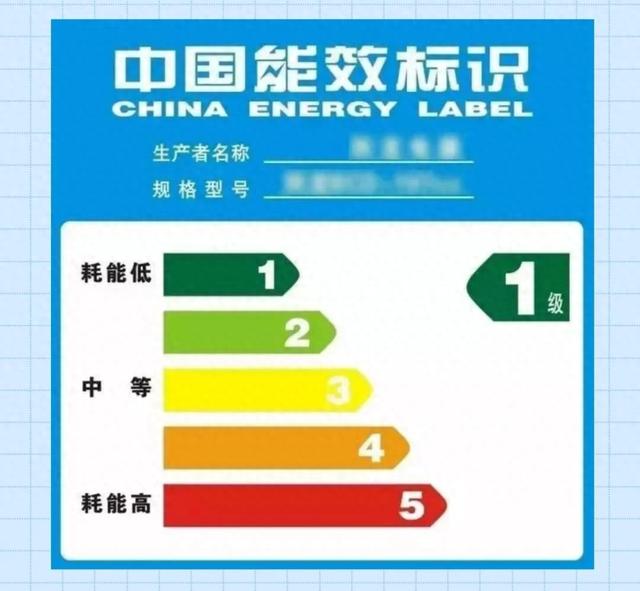
Core Viewpoint - The new round of "National Subsidy" (国补) has officially started on January 1, 2026, with a total of 62.5 billion yuan allocated for various consumer products and equipment upgrades, continuing the "trade-in" policy for old products [1] Group 1: Digital and Smart Products - Digital and smart products will continue to receive a 15% subsidy, with a maximum of 500 yuan per item, maintaining the same subsidy standards as in 2025 [1] - The subsidy categories have expanded to include smart glasses, in addition to mobile phones, tablets, smartwatches, and smart home products [1] - The subsidy applies to products priced up to 6,000 yuan, with each consumer limited to one subsidy per product category [1] Group 2: Home Appliances - Home appliance subsidies will focus on products that meet 1st-level energy efficiency or water efficiency standards, with no subsidies for 2nd-level products [2] - Subsidy categories include refrigerators, washing machines, televisions, air conditioners, computers, and water heaters [3] - Each consumer can receive a subsidy of up to 1,500 yuan per product category [5] Group 3: Automotive Subsidies - The automotive subsidy program has been adjusted to provide a percentage-based subsidy, with a maximum of 20,000 yuan for eligible new energy vehicles [5][6] - For scrapped gasoline vehicles, the subsidy is 10% of the new car price, capped at 15,000 yuan, while for scrapped diesel vehicles, the same percentage applies [6] - The program also includes a subsidy of 8% for purchasing new energy vehicles when replacing old ones, with a maximum of 15,000 yuan, and 6% for fuel vehicles, capped at 13,000 yuan [7] Group 4: Support for Public Welfare - The new round of subsidies addresses public concerns by increasing support for upgrading equipment in old residential areas, elderly care facilities, and safety equipment [8] - The subsidy program will also support the upgrade of commercial infrastructure, including shopping centers and supermarkets [8] Group 5: Application Process - Consumers can apply for subsidies through designated platforms for automobiles, home appliances, and digital products [9][11] - A special focus will be placed on preventing fraud and ensuring that the subsidy benefits reach a wide range of consumers [13]

智慧康养发力 银发经济开启万亿赛道
Bei Jing Shang Bao· 2025-09-14 16:57
Core Insights - The forum focused on the theme of "New Patterns of Silver Economy and Comprehensive Health and Wellness Ecosystem," aiming to explore new pathways, models, and mechanisms for the development of health and wellness in China [1][3] Industry Overview - The aging population in China is rapidly increasing, with the silver economy currently valued at approximately 7 trillion yuan, accounting for 6% of GDP, and expected to exceed 30 trillion yuan by 2035, representing 10% of GDP [3] - The integration of digital technology and health industries is reshaping the health and wellness ecosystem, with smart health monitoring devices and AI-assisted diagnosis playing crucial roles in addressing the supply-demand imbalance in elderly health services [3][7] Key Developments - The establishment of the "Deep Blue Think Tank Health Industry Research Institute" marks a new phase in the health and wellness forum, aiming to gather wisdom and link resources to drive innovation in the industry [1] - The concept of "full-domain collaboration" is emphasized as essential for breaking through challenges in the health and wellness industry, integrating finance, technology, and medical services to enhance service efficiency [4][5] Technological Innovations - The development of a credible data space is proposed as a means to empower the health and wellness industry, facilitating digital transformation and high-quality development [6] - The potential of humanoid robots in elderly care is highlighted, with advancements expected to address the limitations of traditional care models [8] Market Trends - The forum showcased various companies collaborating to create a comprehensive health and wellness service network, addressing needs from living environments to community support [9] - The demand for functional foods is expanding beyond older adults to younger demographics, with a focus on innovative product forms and health concerns [10] Product Development - The adaptation of home furnishings for the elderly is identified as a key area, with two main approaches: redesigning new products and modifying existing furniture to meet the needs of older consumers [11]

智慧康养引领产业升级,银发经济开启万亿赛道
Bei Jing Shang Bao· 2025-09-14 10:52
Group 1: Forum Overview - The 2025 Smart Health and Elderly Care Forum was successfully held on September 14, focusing on the theme "New Pattern of Silver Economy and All-domain Health Ecosystem" [1] - The forum aims to explore new paths, models, and mechanisms for the development of the health and elderly care industry in line with China's national conditions [1] - The establishment of the "Deep Blue Think Tank Elderly Care Industry Research Institute" marks a new phase for the forum, aiming to drive innovation and development in the elderly care industry [1] Group 2: Industry Insights - The silver economy is a significant economic opportunity, covering eight key areas including smart elderly care, elderly education, and health management, with a current scale of approximately 7 trillion yuan, accounting for 6% of GDP [2] - By 2035, the silver economy is expected to exceed 30 trillion yuan, representing 10% of GDP, highlighting the growth potential in this sector [2] - The penetration rate of smart elderly care products is currently only 3.8%, indicating both challenges and opportunities within the industry [2] Group 3: Technological Integration - The integration of digital technology and the health industry is reshaping the elderly care ecosystem, with innovations such as smart health monitoring devices and AI-assisted diagnosis [2][4] - The construction of a credible data space is essential for the digital transformation of the elderly care industry, enabling innovative configurations of production factors [4][5] - New technologies like IoT and wearable devices are facilitating real-time health data monitoring and risk prediction, transforming service delivery in elderly care [5] Group 4: Collaborative Efforts - The forum featured discussions on building an all-domain elderly care ecosystem, with participation from various companies sharing their experiences in community services, elderly dining, and education [8] - Companies like Lianjia and Ele.me are actively involved in community support projects, enhancing the quality of life for the elderly [8][9] - The introduction of functional foods and innovative dietary solutions is expanding the market to younger demographics, reflecting a shift in consumer health awareness [9][10] Group 5: Future Directions - The elderly care industry is expected to evolve with the integration of humanoid robots, which will replace traditional caregiving methods as technology advances [7] - The development of age-friendly home products is crucial, with companies focusing on redesigning existing furniture to meet the needs of the elderly [10] - The fusion of elderly care with other sectors like culture, finance, and education is creating new consumption demands and driving economic growth [6]