
通信业务

Search documents
3家基础电信企业规范电话营销
Ren Min Ri Bao· 2025-08-01 21:47
Core Viewpoint - The three major telecommunications companies in China, namely China Telecom, China Mobile, and China Unicom, have introduced measures to regulate telemarketing practices, aiming to address public concerns regarding false advertising and inducement in communication services, thereby protecting user rights [1]. Group 1: Regulatory Measures - The official outbound marketing numbers for the three companies are China Telecom 10001, China Mobile 10085, and China Unicom 10016, with no authorization for any other entities to conduct outbound marketing using different numbers [1]. - Marketing content must be presented accurately without false advertising or inducement, and all key information such as pricing standards, applicable scenarios, validity periods, and restrictive conditions must be disclosed [1]. - Users must provide consent before receiving confirmation SMS for service requests, which will include necessary information about the service [1]. Group 2: Quality Control and User Protection - All outbound marketing calls will be recorded, and a comprehensive review will be conducted to ensure strict quality control throughout the process [1]. - If users explicitly refuse outbound marketing calls, the companies will cease further contact to respect user preferences [1]. - Users are advised to recognize official outbound marketing numbers and refrain from conducting business through any unofficial numbers, as well as not to share verification codes with anyone [1].



三家基础电信企业统一外呼号码
Bei Jing Ri Bao Ke Hu Duan· 2025-08-01 21:12
Group 1 - The three major telecommunications companies have collectively announced standardized measures for telephone marketing to address user complaints regarding false advertising and inducement to consume [1] - The companies require that if a user explicitly refuses telephone marketing services, they cannot be contacted again [1] - Telephone marketing must provide comprehensive and accurate information about the marketing content, avoiding false advertising and disclosing key information such as pricing standards, applicable scenarios, validity periods, and restrictive conditions [1] Group 2 - All proposed pricing plans must be publicly available on the companies' online service platforms and official apps [1] - Outbound marketing calls will be recorded and reviewed in full to ensure compliance with strict quality standards, ensuring transparency and integrity [1] - After obtaining user consent, staff must send a confirmation SMS detailing necessary information about the service, and the service will only be processed upon user confirmation via SMS [1] Group 3 - The official outbound marketing numbers for the three telecommunications companies are: China Telecom 10001, China Mobile 10085, and China Unicom 10016 [1] - The customer service hotlines for the three companies are: China Telecom 10000, China Mobile 10086, and China Unicom 10010 [1]


运营商开了个好头,电话营销自我约束才有出路
Nan Fang Du Shi Bao· 2025-08-01 16:35
Core Viewpoint - The three major telecom operators in China have collectively announced standardized telephone marketing measures to address consumer complaints regarding false advertising and inducement in telecom business marketing [1][2]. Group 1: Telecom Operators' Actions - The three major telecom operators have established official outbound marketing numbers: China Telecom 10001, China Mobile 10085, and China Unicom 10016, to ensure consumers can identify legitimate marketing calls [1]. - This initiative aims to promote transparent marketing practices and reduce consumer confusion regarding the legitimacy of marketing calls [2][3]. Group 2: Consumer Concerns - Consumers have expressed significant dissatisfaction with the increasing number of harassment calls, leading to a general distrust of unknown callers [1][2]. - The complexity of the marketing industry, including third-party agents and the use of technology like outbound robots and virtual numbers, has contributed to the problem of harassment calls [1][3]. Group 3: Industry Implications - The unified marketing number initiative is a step towards regulating marketing practices, but it does not address third-party companies that utilize telecom lines, which are a major source of harassment calls [3]. - The telecom operators' self-regulatory measures signal a need for other industries to evaluate their marketing practices to maintain a positive image and consumer trust [3].
【社论】规范电话营销,从统一外呼号码开始
Xin Lang Cai Jing· 2025-08-01 09:18
Core Viewpoint - The three major telecommunications companies in China have collectively announced standardized telephone marketing measures, including the establishment of unified outbound marketing numbers to enhance consumer trust and reduce marketing-related complaints [1][2]. Group 1: Standardization of Marketing Practices - The unified outbound marketing numbers are: China Telecom 10001, China Mobile 10085, and China Unicom 10016, indicating that any calls from other numbers are not from legitimate channels [1][2]. - The new regulations require that if a user explicitly refuses marketing calls, the companies cannot continue to disturb the user, addressing the issue of frequent complaints regarding misleading marketing practices [1][2]. Group 2: Enhancing Number Recognition - The lack of number recognition has been a significant issue leading to marketing chaos; the new measures aim to improve this by providing technical support for better identification of marketing calls [1][2]. - The requirement for full call recording and review means that every call will be transparent, preventing marketers from using vague language or hiding information to evade responsibility [2]. Group 3: Consumer Empowerment - The introduction of a "double confirmation" mechanism, where users must confirm via SMS before any business is conducted, places the choice in the hands of consumers, reducing the risk of unwanted charges [2]. - Improved number recognition is not only about resolving current consumer disputes but is also a crucial part of the digital transformation of communication services, enhancing trust and reducing decision-making costs for users [2]. Group 4: Market Order and Consumer Rights - The standardization of marketing practices by operators serves as a model for the industry, protecting consumer rights and reshaping market order [3].
中国三大基础电信企业规范外呼营销号码
Zhong Guo Xin Wen Wang· 2025-08-01 09:12
Core Viewpoint - The three major telecommunications companies in China have collectively announced standardized telephone marketing measures to address consumer complaints regarding false advertising and inducement in communication service marketing [1] Group 1: Standardized Marketing Measures - The official outbound marketing numbers for the three telecommunications companies are: China Telecom 10001, China Mobile 10085, and China Unicom 10016 [1] - Consumers receiving calls from numbers other than the official ones should be cautious, as these may not be legitimate channels [1] - If a user explicitly refuses marketing calls, the companies are required to cease further calls to that user [1] Group 2: Transparency and Accuracy in Marketing - Telephone marketing must provide comprehensive and accurate information about the marketing content, avoiding false advertising and inducement [1] - Key information such as pricing standards, applicable scenarios, validity periods, and restrictive conditions must not be concealed [1] - All pricing plans promoted to users must be publicly available on the companies' online service platforms and official apps [1] Group 3: Industry Reform Initiatives - In late July, telecommunications operators announced a series of reform measures as part of a campaign to improve industry practices, aligning with the Ministry of Industry and Information Technology's 2025 work deployment [1] - The core focus of these reforms is on "streamlining packages and transparent consumption" [1]
中国电信、中国移动、中国联通,集体官宣!
Yang Shi Xin Wen· 2025-08-01 04:07
Core Viewpoint - Three major telecommunications companies in China have collectively announced standardized measures for telephone marketing to address consumer complaints regarding false advertising and inducement to consume [1][2] Group 1: Official Marketing Numbers - The official outbound marketing numbers for the three telecommunications companies are: China Telecom 10001, China Mobile 10085, and China Unicom 10016 [1] - Consumers are advised to avoid engaging with any marketing calls from numbers other than the official ones [1] Group 2: Marketing Practices - Outbound marketing calls must be recorded and undergo full review to ensure compliance with strict quality standards [1] - After obtaining user consent, staff must send a confirmation SMS detailing necessary information about the service before proceeding with any transactions [1] - Upon successful completion of a transaction, a notification SMS must be sent to the user [1] Group 3: User Rights and Information Transparency - Users who explicitly refuse marketing calls should not be contacted again [2] - Marketing communications must provide comprehensive and accurate information without false advertising, including details on pricing, applicable scenarios, validity periods, and any restrictions [2] - All pricing plans promoted to users must be available on the companies' online service platforms and official apps [2]
中国电信、中国移动、中国联通,三巨头集体宣布!
Mei Ri Jing Ji Xin Wen· 2025-08-01 03:05
Group 1 - The core viewpoint is that China's major telecom companies are implementing measures to regulate telemarketing practices to protect consumer rights and address issues of false advertising and inducement to consume [1][3][4] - The three major telecom companies have designated official outbound marketing numbers: China Telecom 10001, China Mobile 10085, and China Unicom 10016, and have not authorized any other entities to conduct outbound marketing through different numbers [1][3] - Telemarketing must provide comprehensive and accurate information, avoiding false advertising and not concealing key details such as pricing standards, applicable scenarios, validity periods, and restrictive conditions [1][3][4] Group 2 - If a user explicitly refuses telemarketing services, the companies are prohibited from making further calls to that user [3][4] - All outbound marketing calls will be recorded and undergo full review to ensure compliance and transparency [4] - After obtaining user consent, staff must send a confirmation SMS detailing necessary information about the service, and the service will only be processed after the user replies with confirmation [4]

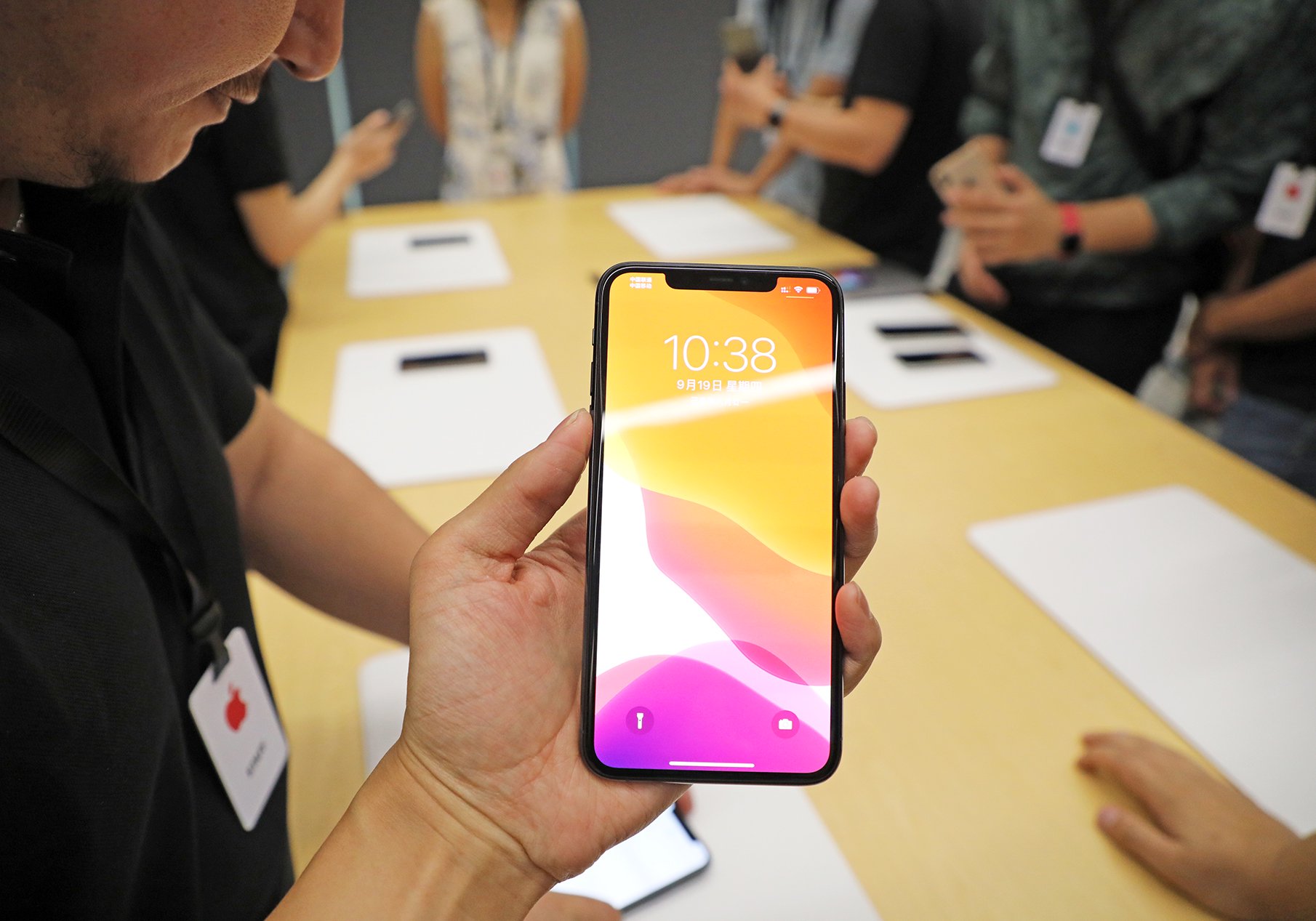
三家基础电信企业规范电话营销
Xin Hua Wang· 2025-08-01 02:50
Core Viewpoint - The three major telecommunications companies in China, namely China Telecom, China Mobile, and China Unicom, have introduced measures to standardize telemarketing practices, addressing issues such as false advertising and inducement to consume, thereby protecting user rights [1] Group 1: Regulatory Measures - The official outbound marketing numbers for the three companies are China Telecom 10001, China Mobile 10085, and China Unicom 10016, with no authorization for any other numbers to conduct outbound marketing [1] - Marketing content must be presented accurately without false advertising or inducement, and key information such as pricing standards, applicable scenarios, validity periods, and restrictive conditions must be disclosed [1] Group 2: User Consent and Communication - User consent is required before sending confirmation SMS for business processing, which must include necessary information, and services will only be processed after user confirmation via SMS reply [1] - All outbound marketing calls will be recorded and reviewed comprehensively to ensure strict quality control throughout the process [1] Group 3: User Protection - Users who explicitly refuse outbound marketing will not receive further calls, ensuring their peace of mind [1] - Users are advised to recognize official outbound marketing numbers and avoid conducting business through any unofficial numbers, as well as not to share verification codes with anyone [1]

MasTec(MTZ) - 2025 Q1 - Earnings Call Transcript
2025-05-02 13:00
Financial Data and Key Metrics Changes - The company reported first quarter revenue of $2.85 billion, exceeding expectations and representing a year-over-year increase [30][31] - Adjusted EBITDA for the first quarter was $164 million, surpassing guidance by approximately 53% [30][31] - The eighteen-month backlog reached a record $15.9 billion, up $1.6 billion from year-end and $3 billion year-over-year [31][32] - The company raised its full-year 2025 revenue guidance to $13.65 billion and adjusted EBITDA guidance to a range of $1.12 billion to $1.16 billion [16][40] Business Line Data and Key Metrics Changes - The Communications segment saw a revenue increase of 35% year-over-year and an 82% adjusted EBITDA growth, with backlog increasing 7% sequentially to $4.9 billion [17][31] - Power Delivery revenues increased nearly 13% year-over-year, with a backlog growth of 6% sequentially to $5 billion [20][21] - Clean Energy and Infrastructure revenue grew 22% year-over-year, with adjusted EBITDA more than doubling to $57 million and a backlog increase to a record $4.4 billion [22][23] Market Data and Key Metrics Changes - The company noted robust demand in the telecom infrastructure market, which is expected to remain resilient against macro pressures due to capital investments in broadband delivery [17][18] - The pipeline infrastructure segment experienced a revenue decline of 44% year-over-year, attributed to challenging comparisons from the Mountain Valley Pipeline project wind down [25][26] - The backlog in the pipeline segment more than doubled sequentially, indicating a positive outlook for future project activity [16][26] Company Strategy and Development Direction - The company is focused on organic growth while also considering tuck-in acquisitions to strengthen its market position [48][49] - There is an emphasis on operational execution and evolving business processes to ensure consistent outcomes and strong structural profitability [28][39] - The management is optimistic about the long-term outlook, particularly in the pipeline segment, with expectations for strong revenue growth in 2026 and beyond [27][56] Management's Comments on Operating Environment and Future Outlook - Management expressed confidence in the company's ability to navigate macroeconomic uncertainties and maintain strong structural demand [30][31] - The outlook for the pipeline market is positive, with expectations for increased project activity and bookings in 2026 [56][58] - The company remains cautious about potential impacts from tariffs and regulatory changes but does not foresee significant risks to its 2025 business outlook [23][41] Other Important Information - The company completed $37 million in share repurchases during the first quarter and has authorized an additional $250 million repurchase program [32][42] - The company maintains a strong balance sheet with total liquidity of $2.2 billion and net leverage of 1.9 times [42] Q&A Session Summary Question: Details on oil and gas bookings and geographies of interest - Management noted strong bookings across various projects, with expectations for backlog to increase as the year progresses [45][47] Question: Capital allocation and suitable end markets for acquisitions - The focus remains on organic growth, with potential acquisitions in geographies where the company can strengthen its position [48][49] Question: Update on pipeline business and competitive environment - Management remains optimistic about pipeline revenues in 2026, with expectations for strong bookings and a favorable competitive landscape [54][56] Question: Insights on power delivery margins and performance - Margins were impacted by weather and project mix, but management expects improvements as the year progresses [55][60] Question: Nature of pipeline projects booked and order sizes - The pipeline business is active with significant infrastructure needs, and management anticipates strong further awards throughout the year [79][80] Question: Framework agreements and their impact on backlog visibility - Framework agreements provide long-term visibility into customer project workflows, enhancing the company's ability to assess project viability [81][85]
