都江堰

Search documents
连续4年投资超万亿元,水利基础设施体系规模全球第一
Zhong Guo Xin Wen Wang· 2026-01-13 07:21
Core Insights - The National Water Network has been established as the world's largest water infrastructure system, with investments exceeding 5.68 trillion yuan during the 14th Five-Year Plan period, marking four consecutive years of over 1 trillion yuan in investment [1][2] Investment and Infrastructure Development - During the 14th Five-Year Plan, the National Water Network has achieved a water supply capacity increase of 31.8 billion cubic meters [4] - The network has also expanded irrigation areas by over 53 million acres, significantly enhancing agricultural productivity [5] Rural Water Supply and Quality of Life - By the end of 2025, the rural tap water coverage rate is expected to reach 96%, reflecting the country's commitment to improving rural water supply systems [6] - The initiative has led to the construction of over 5,500 "Happy Rivers and Lakes," enhancing ecological restoration and improving the living environment for rural populations [6] Ecological and Social Impact - The National Water Network not only provides essential water resources but also plays a crucial role in ecological conservation, ensuring the restoration of rivers and lakes that had previously dried up [6] - The network is designed to integrate water supply across urban and rural areas, thereby improving the overall quality of life for millions of citizens [6][7]
学习贯彻党的二十届四中全会精神 | “人民至上”:从治水之道中汲取的治国理政智慧
Xin Lang Cai Jing· 2026-01-12 06:39
Core Insights - The article emphasizes the importance of water management wisdom in governance, highlighting the historical significance of the Dujiangyan irrigation system as a model for modern governance practices [1][9][10] Group 1: Principles of Water Management - "People-oriented" is a fundamental principle in water management and governance, reflecting the integration of Marxist historical perspectives and Chinese philosophies [1][4] - The concept of "因地制宜" (adaptation to local conditions) is crucial for effective decision-making in water management, ensuring that strategies are based on specific local realities [2][3][4] - "顺势而为" (going with the flow) is highlighted as a systematic approach to water management, emphasizing the need to respect natural laws and utilize modern technology [5][6] Group 2: Modern Governance and Development - The article discusses the necessity of integrating regional differences into high-quality development strategies, transforming these differences into comparative advantages [4][8] - The "十五五" (14th Five-Year Plan) emphasizes the importance of localized strategies while maintaining a unified national framework, allowing for optimal solutions tailored to local conditions [4][10] - The governance approach must focus on achieving the fundamental interests of the people, ensuring that development outcomes are shared and evaluated based on public satisfaction [9][10] Group 3: Cultural and Historical Context - The concept of "天人合一" (harmony between humans and nature) is presented as a characteristic of Chinese culture, advocating for a holistic view of water management that considers ecological balance [7][8] - Historical water management practices, such as those from ancient figures like Da Yu, are cited as foundational to understanding contemporary governance challenges [5][7] - The article concludes that the wisdom derived from water management practices can guide modern governance, contributing to the realization of a prosperous society [10]
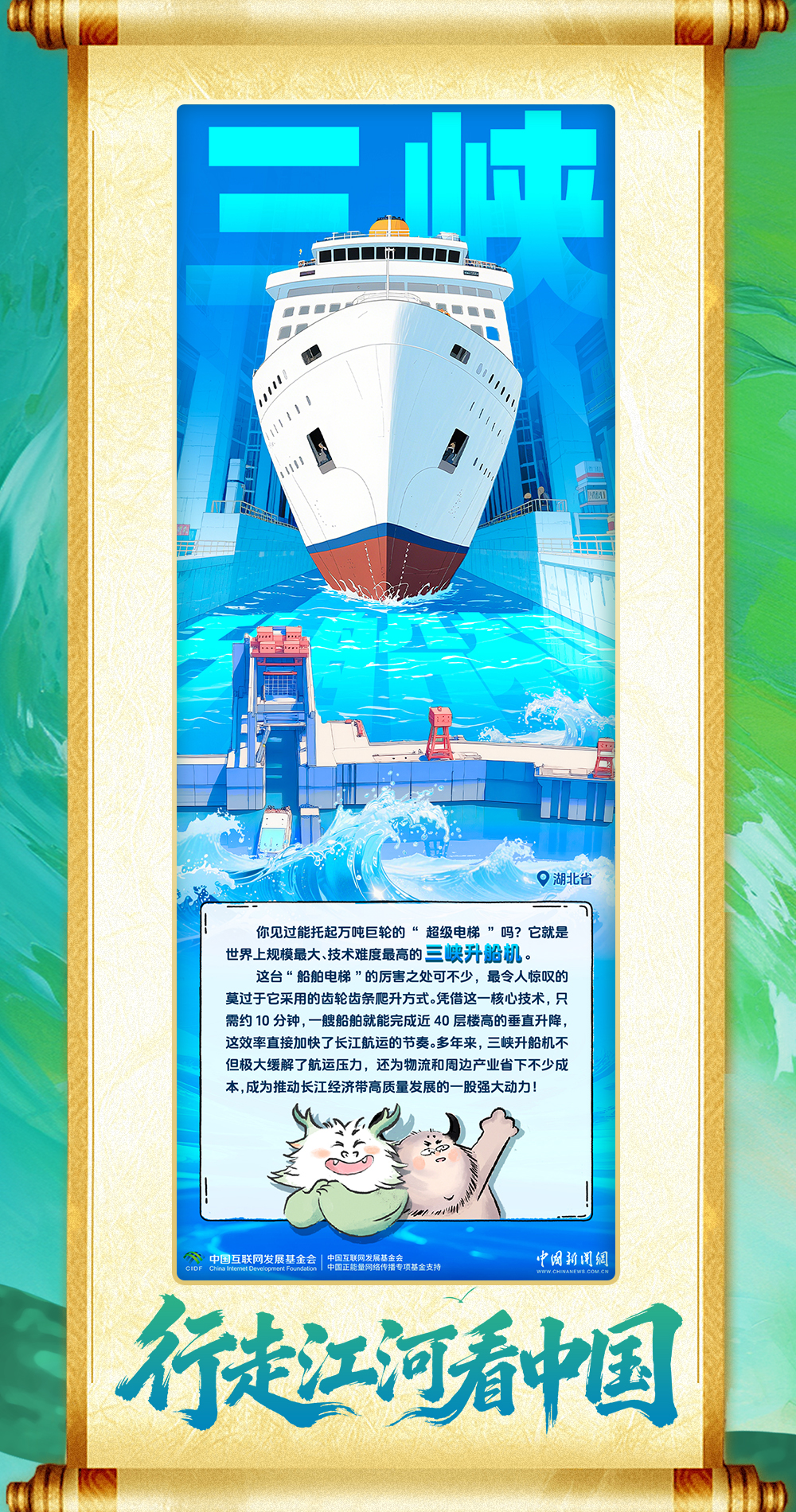
行走江河看中国|山河之上,中国水利的奇迹
Zhong Guo Xin Wen Wang· 2025-12-18 07:05
Group 1 - The article highlights the remarkable achievements of China's water conservancy projects, showcasing their historical significance and modern engineering marvels [1][4][5] - The South-to-North Water Diversion Project, particularly the Huanghe Crossing Project, has successfully transported over 34.8 billion cubic meters of water, benefiting millions of people [4] - The Dujiangyan irrigation system, built over 2,000 years ago, continues to play a crucial role in irrigation and flood control, exemplifying ancient Chinese engineering wisdom [5] Group 2 - The Jiangsu Water Conservancy Hub demonstrates innovative engineering by lifting Yangtze River water through 13 pumping stations, elevating it by 65 meters for northern distribution [10] - The E-Jiang-Ji Port Project features a unique steel aqueduct that connects the Yangtze and Huaihe rivers, promoting high-quality regional development [6] - The Baihetan Hydropower Station employs advanced sensor technology for smart monitoring and operation, contributing to the "West-East Electricity Transmission" initiative [14]

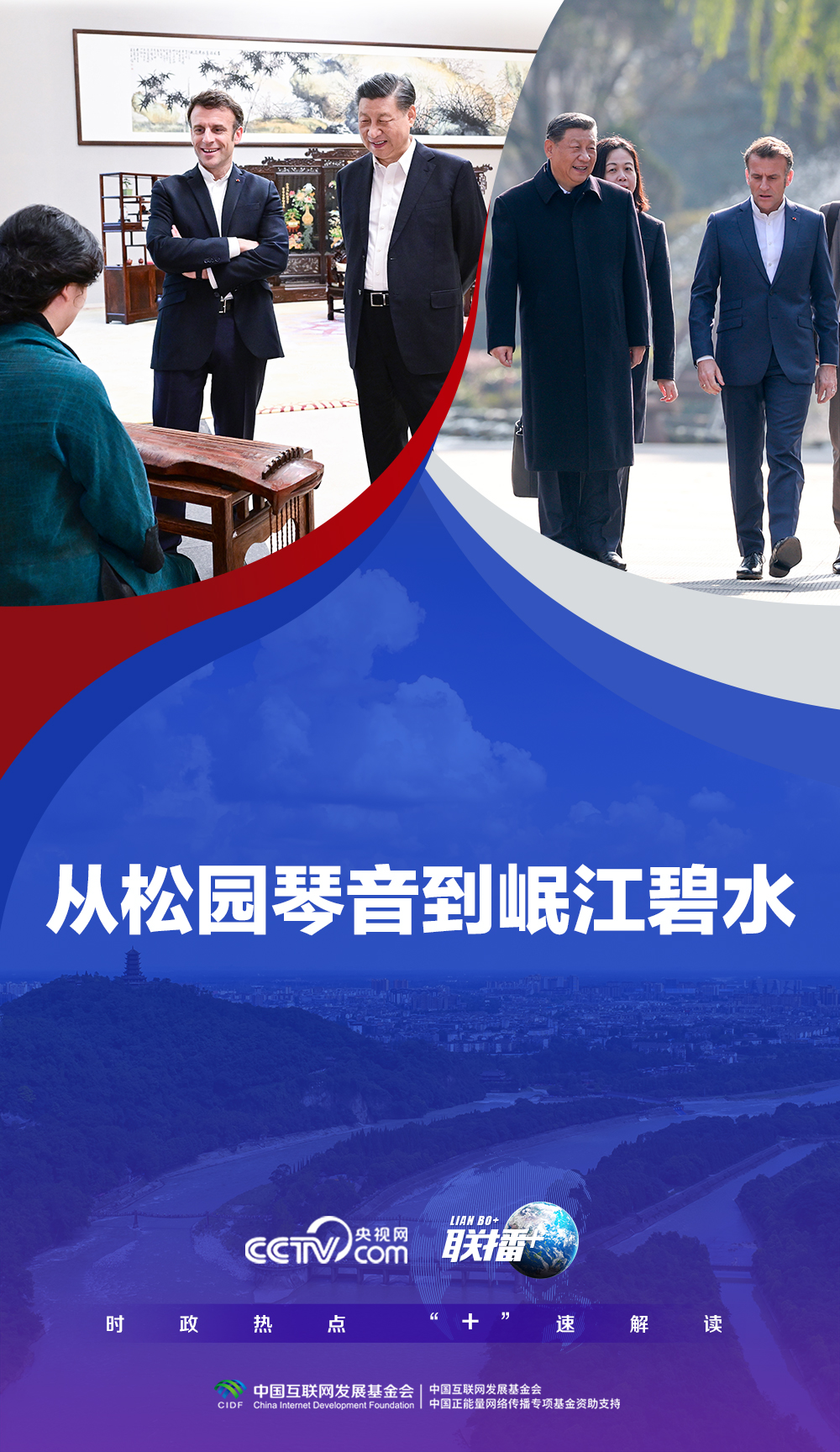
联播+|从松园琴音到岷江碧水
Yang Shi Wang· 2025-12-07 00:17
Core Viewpoint - The informal meeting between President Xi Jinping and President Emmanuel Macron at Dujiangyan highlights the importance of cultural exchange and mutual understanding between China and France, using water as a metaphor for cooperation and dialogue [4][6][10]. Group 1: Historical and Cultural Significance - Xi Jinping introduced the historical significance of the Dujiangyan irrigation system, emphasizing its role in water management and its reflection of the spirit of the Chinese people [5][9]. - The meeting draws parallels between the ancient wisdom of water management in China and the resilient spirit of the French people, suggesting a shared understanding and respect between the two nations [9][12]. Group 2: Philosophical Insights - The concept of "Tian Ren He Yi" (the unity of nature and humanity) is highlighted as a guiding principle in governance and water management, showcasing its relevance in contemporary practices [11][12]. - The dialogue emphasizes that both nations can learn from each other's historical experiences and philosophies, particularly in addressing complex global challenges [18]. Group 3: Future Cooperation - Both leaders expressed a commitment to enhancing dialogue and cooperation, aiming to contribute to global peace and stability through mutual respect and understanding [17][18]. - The discussions reflect a broader vision of collaboration that transcends cultural differences, with an emphasis on shared goals for prosperity and development [10][18].
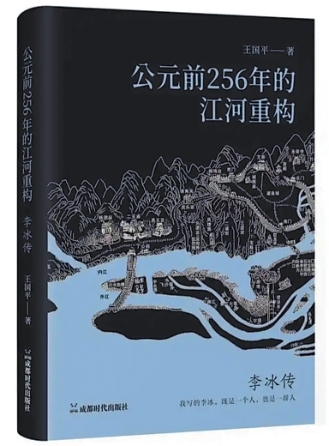
寻找李冰
Ren Min Ri Bao· 2025-10-23 22:42
Core Viewpoint - The article discusses the historical significance and ongoing impact of the Dujiangyan irrigation system, originally constructed by Li Bing during the Warring States period, highlighting its evolution and the contributions of various individuals over time [2][3][4]. Group 1: Historical Context - Li Bing, the governor of Shu Commandery, led the construction of the Dujiangyan irrigation project, which has benefited the region for over 2000 years [2]. - Historical records about Li Bing are sparse, with the earliest mention found in Sima Qian's "Records of the Grand Historian," which describes his contributions to water management [2]. - The article emphasizes the mystery surrounding Li Bing's life, including his birth year, death year, and the specifics of his governance [2]. Group 2: Contributions and Legacy - Prior to Li Bing, figures such as Da Yu and others had already begun exploring and managing the Min River, laying the groundwork for future developments [3]. - Li Bing's innovative approach to water management transformed the Chengdu Plain into a prosperous agricultural region, known as the "Land of Abundance" [3]. - The ongoing maintenance and expansion of the Dujiangyan system by successive generations of water conservators have ensured its continued effectiveness and relevance [3][4]. Group 3: Modern Developments - Post-1949, modern water conservators have embraced the "Li Bing spirit," utilizing contemporary technology to enhance the irrigation system [4]. - The Dujiangyan project has transitioned from traditional water management to a "smart water" approach, incorporating digital twin technology to improve efficiency [4]. - The irrigation area has expanded significantly, from approximately 1 million acres at its inception to an expected 11.647 million acres by 2025, contributing nearly half of Sichuan Province's GDP despite occupying less than 1/20 of its land area [4].
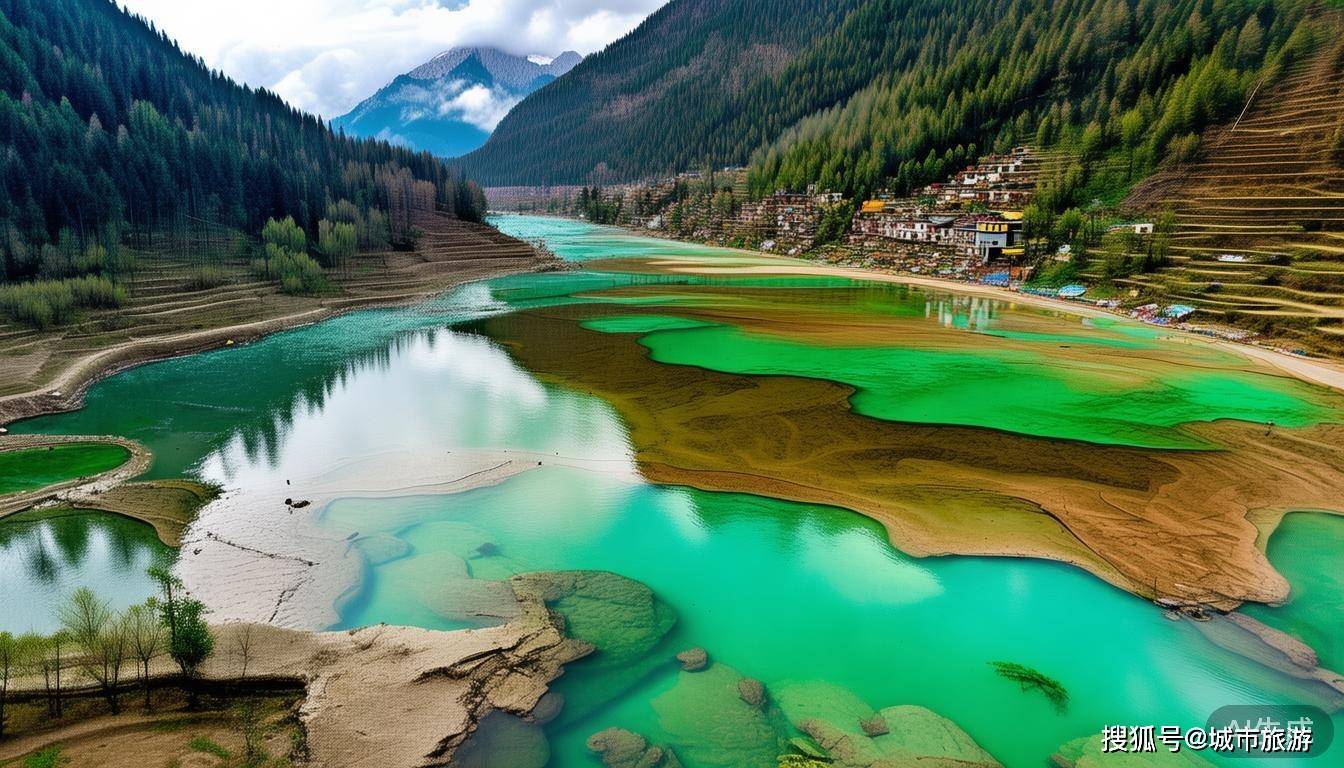
四川省内这些旅游景点你都去过吗?成都地区的宝藏之地大盘点
Sou Hu Cai Jing· 2025-09-11 22:23
Group 1: Chengdu Region - The Chengdu region features various tourist attractions including Dujiangyan, Qingcheng Mountain, and the Chengdu Panda Base, which are known for their natural beauty and cultural significance [1][1][1] - Historical sites such as Wuhou Shrine and Du Fu's Thatched Cottage highlight the rich cultural heritage of the area [1][1] - The region also offers recreational spots like Xiling Snow Mountain for skiing and the National Colorful Garden for entertainment [1][1] Group 2: Deyang Region - Deyang is home to significant cultural sites such as Sanxingdui and the Confucian Temple, which attract visitors interested in history [2][2] - The region's natural attractions include Mount Yinghua, known for its scenic beauty [2] Group 3: Mianyang Region - Mianyang features beautiful landscapes like Zitong Qiqu Mountain and historical sites such as Baoyun Temple, appealing to both nature lovers and history enthusiasts [2][2] - The area also includes cultural tourism spots like the birthplace of Li Bai, enhancing its appeal [2] Group 4: Aba Prefecture - Aba is renowned for its stunning natural scenery, including Jiuzhaigou and Huanglong, which are popular among tourists for their breathtaking views [5][5] - The region also offers unique cultural experiences with its Tibetan architecture and traditions [5] Group 5: Other Regions - Various other regions in Sichuan, such as Ya'an, Meishan, and Zigong, feature a mix of natural beauty and cultural heritage, including attractions like Bifengxia and the Dinosaur Museum [6][7][9] - Each region presents unique experiences, from historical sites to natural parks, catering to diverse tourist interests [6][7][9]