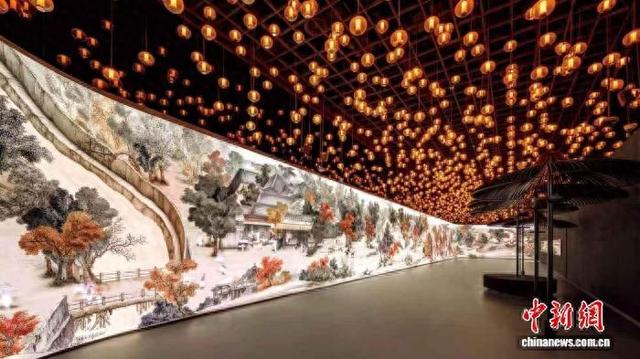
金陵图数字艺术展

Search documents
数字化带来哪些体验升级
Xin Lang Cai Jing· 2026-01-13 00:13
不同的活化路径 去年8月开幕的"再见青花——海上丝绸之路沉浸式体验展",宣布延期至今年1月18日。展览引入5G- A、VR、光影互动等前沿技术,其中,"无界青穹"板块是上海首个5G-A超高清大型沉浸式VR体验区。 (来源:邯郸日报) 转自:邯郸日报 解放日报记者 阮佳雯 如今,越来越多数字化手段进入展览现场,复现历史场景,营造跨时空氛围,光影交互化"静态"为动 态,用数字化"活化"文化遗产仿佛成了"标配"。 交互与叙事结合 两个展览的逻辑是共通的:不再让观众"观看"文化遗产,而是邀请他们融入故事、走进场景,沉浸式互 动体验成为核心。 几个月里,"再见青花"项目负责人白凯夫及其团队选择"动态调整"策略,通过观察与分析发现:观众是 需要且更偏好互动性设计的。于是,团队对两处细节做了调整:在宝船图纸空间,观众可以亲手"端 起"一个瓶中船模型,近距离观察细节;在瓷器仓库,当观众走近陈列的瓷瓶,它们会依次发光,仿佛 被唤醒。 更深层次的优化,需要与故事线结合。白凯夫提到中东市场场景的构想:"理想状态下,路边的商人应 该能与观众对话。"虽然因时间限制,未能完全实现,但这种方向带来全新的思考,添加互动要选择"有 意义的互动 ...
江苏文化产业夯实“强省”之基
Xin Hua Ri Bao· 2025-11-20 05:40
Core Insights - The recent cultural industry cooperation meeting between Wuxi and Changsha highlights the collaborative development of the cultural sector, focusing on film, digital culture, and park construction [1] - Jiangsu Province has established a modern cultural industry system, with over 12,138 cultural enterprises generating revenue of 1.61 trillion yuan, accounting for 5.06% of GDP by 2024 [1][2] Group 1: Strategic Development Plans - Jiangsu's three-year action plan for digital cultural industry development aims to create a "4916" system, targeting nine digital cultural industry chains and fostering 16 cultural industry clusters [2] - By 2027, the province expects to have over 3,000 digital cultural enterprises, with revenues reaching 800 billion yuan, representing over 40% of total cultural enterprise revenue [2] Group 2: Mechanisms and Funding Support - The province has introduced performance evaluation metrics for cultural industry revenue contributions, enhancing local governments' focus on cultural development [3] - Financial support is being directed towards key cultural projects, with a focus on digital culture, to stimulate innovation and development [3] Group 3: Innovation and Technology Integration - Jiangsu is leveraging technology to enhance cultural offerings, with significant investments in AI and VR applications, leading to the emergence of new business models [5] - The province has established a digital cultural enterprise cultivation database, with 121 companies selected for support, contributing to a 15.5% revenue growth in 2024 for 16 key industry segments [5] Group 4: Cultural Industry Parks and Events - Jiangsu has developed 49 national-level cultural industry parks, fostering over 10,000 cultural enterprises, which serve as vital platforms for industry growth [6] - The province has hosted numerous cultural events, including the "Zijin Award" design competition, attracting over 240,000 participants and promoting cultural exchange [6][7] Group 5: Collaborative Efforts and Networking - The establishment of the Jiangsu Cultural Industry Development Association aims to enhance collaboration between government and enterprises, facilitating project matchmaking and resource sharing [7] - The province has initiated a series of promotional events, securing contracts worth 102.4 billion yuan during the Yangtze River Delta Cultural Expo [7] Group 6: Research and Development Support - Jiangsu has built several national-level cultural laboratories to support technological advancements in the cultural sector, enhancing the province's innovation capabilities [8] - The upcoming Long Triangle Cultural Expo will feature a digital cultural industry promotion event, with over 100 leading enterprises and financial institutions participating [8]
多国博物馆馆长探讨人工智能应用
Ren Min Ri Bao· 2025-11-11 23:20
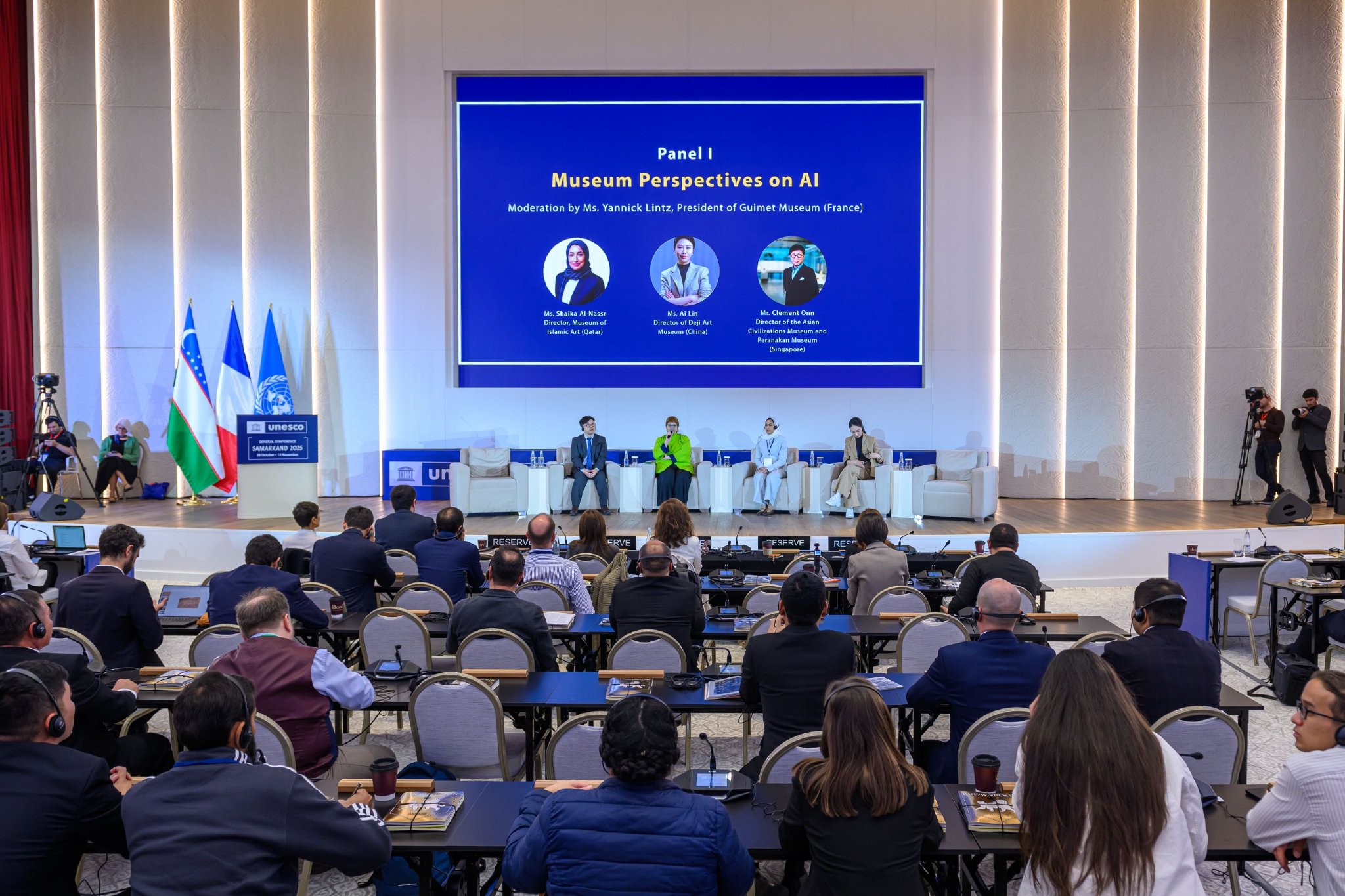
Group 1 - The 43rd UNESCO conference held in Samarkand, Uzbekistan, focused on the role of artificial intelligence in museums, with over 80 museum directors and AI representatives in attendance [1] - Yannick Lintz, director of the Guimet Museum, emphasized that AI technology will be a powerful driver for museum development and highlighted the importance of technology in cultural heritage protection [1] - The Qatar Museum's director shared experiences of using AI for services like guided tours and high-resolution artifact imaging, while the Singapore Museum's director discussed AI's role in preserving and promoting local culture [1] Group 2 - The Nanjing Deji Art Museum showcased its "Jinling Map Digital Art Exhibition," which utilizes cutting-edge technology, including AI, to enhance visitor experience [2] - The exhibition features a 110-meter-long, 3.6-meter-high ultra-HD LED screen, allowing visitors to interact with historical characters from the painting "Jinling Map" [2] - The innovative format of the exhibition attracted attention from international museum leaders, with praise for its creativity and ability to engage younger audiences [3]
“金陵图数字艺术展”为全球博物馆智能发展提供“中国方案”
Zhong Guo Xin Wen Wang· 2025-11-04 12:47
Core Viewpoint - The 43rd UNESCO General Conference is taking place in Samarkand, Uzbekistan, from November 4 to November 13, showcasing the "Jinling Map Digital Art Exhibition" by the Deji Art Museum, which highlights innovative practices in revitalizing Chinese cultural heritage through digital technology [1][4]. Group 1: Exhibition Highlights - The "Jinling Map," created by Qing Dynasty painter Feng Ning, is a significant cultural artifact depicting various aspects of life in Nanjing, including 533 human figures, 90 animals, and bustling commercial activities, showcasing high historical and cultural value [3][4]. - The Deji Art Museum has developed an interactive exhibition model called "Real-time Follow-up of Characters," allowing visitors to engage with the exhibition by selecting virtual characters that accompany them through the historical narrative of the painting [4][6]. Group 2: International Recognition - The International Council of Museums (ICOM) General Director praised the Deji Art Museum's creative solutions for attracting younger audiences, suggesting that such innovative practices should be shared widely within the international museum community [6]. - The exhibition has been invited to participate in cultural exchange activities, including the "China Nanjing Week" in Boston in 2023 and a presentation in Paris in 2024, marking the 60th anniversary of Sino-French diplomatic relations [6][8]. Group 3: Future Vision - The Deji Art Museum aims to provide a "Chinese solution" for the digital transformation of cultural heritage, emphasizing the importance of understanding the balance between humanity, nature, and urban life through the lens of ancient art [8].

德基艺术博物馆“金陵图数字艺术展”受邀参加第43届联合国教科文组织大会
Nan Jing Ri Bao· 2025-11-03 11:12
Core Insights - The integration of digital technology, particularly artificial intelligence (AI), is transforming the way cultural heritage is preserved and presented, enabling museums to engage audiences in innovative ways [1][3][19] Group 1: AI in Museums - The 43rd UNESCO Conference will feature discussions on the role of AI in museums, highlighting its impact on research, collection, preservation, and interpretation of cultural heritage [1] - Key figures from the global museum community emphasize the need for ethical guidelines in the use of AI, ensuring it aligns with human values and cultural diversity [3][4] - Museums are seen as vital spaces for dialogue and empathy, with AI applications needing to respect human rights and local knowledge [4] Group 2: Case Studies and Innovations - The Deji Art Museum's "Jinling Map Digital Art Exhibition" exemplifies how digital technology can revitalize cultural heritage, transforming it into an accessible contemporary experience [10][15] - The exhibition features an interactive model where visitors can engage with historical figures from the artwork, enhancing their understanding of ancient Chinese culture [14][15] - Other museums, such as the Qatar Islamic Art Museum, are implementing AI for personalized visitor experiences and enhancing the accessibility of their collections [8][10] Group 3: Global Recognition and Future Directions - The innovative practices of the Deji Art Museum have garnered international attention, with experts praising its ability to attract younger audiences and inspire global cultural exchange [18][19] - The museum's approach is seen as a model for integrating digital technology in cultural heritage, contributing to a broader dialogue on the future of museums in the digital age [19] - The ongoing evolution of museums through AI and other technologies is reshaping cultural narratives and enhancing public engagement with history [19]
江苏南京:“足”够精彩,“苏超”流量激活消费“能量”
Nan Jing Ri Bao· 2025-07-05 23:39
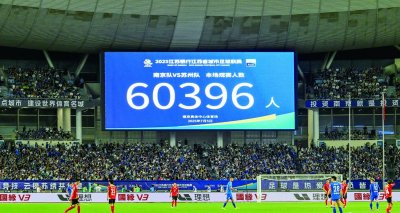
Core Viewpoint - The "Super League" event in Nanjing has significantly boosted local tourism and consumption, integrating cultural and commercial elements to create a vibrant atmosphere for fans and visitors [3][4][10]. Group 1: Event Impact on Local Economy - The match between Nanjing and Suzhou attracted 60,396 spectators, setting a record for attendance in Jiangsu province's city football league [3]. - The "Follow the Event to Tour Nanjing" initiative offers discounts on attractions, accommodations, and dining for fans, driving an influx of visitors [4][10]. - Hotel occupancy rates exceeded 90% during the event, with some hotels reporting a 10% increase compared to the previous weekend [7][8]. Group 2: Consumer Engagement and Activities - Local restaurants and businesses are offering promotions, such as free meals and discounts for fans presenting match tickets, enhancing the overall consumer experience [10][11]. - Popular shopping areas and cultural sites saw increased foot traffic, with many visitors participating in special events and promotions tied to the match [9][11]. - The integration of cultural experiences, such as art exhibitions and themed dining, has attracted diverse visitors, contributing to a lively atmosphere in the city [11][12]. Group 3: Tourism and Cultural Integration - The event has successfully merged sports with local culture, showcasing Nanjing's historical and culinary offerings to a broader audience [4][6]. - Tourist attractions reported a 255% increase in ticket orders on the day of the match, indicating a strong correlation between sporting events and tourism activity [6]. - New experiential offerings, such as themed restaurants and cultural events, have emerged, further enriching the visitor experience in Nanjing [12].
服务消费风起金陵,玄武如何抢占C位?
Sou Hu Cai Jing· 2025-06-05 21:08
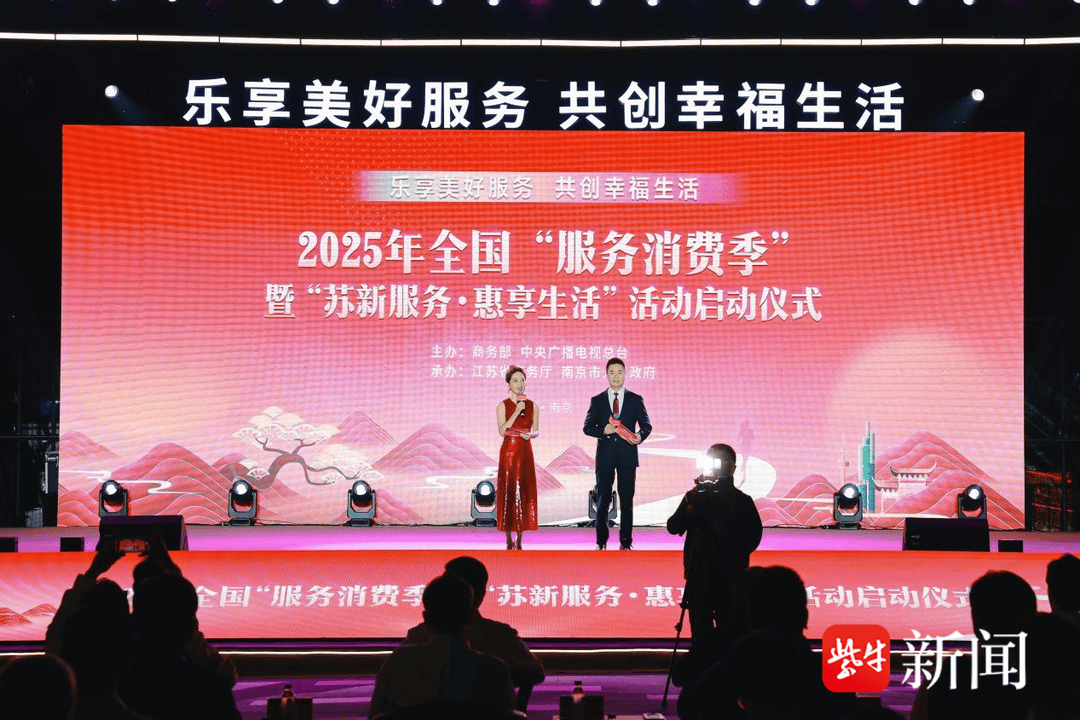
Group 1: Core Insights - The article emphasizes the shift from uniform consumption to personalized services, highlighting the importance of service consumption in various aspects of life [2][3] - Service consumption is identified as a key driver of economic growth in China, encompassing diverse fields such as culture, health, sports, and elderly care, with a focus on experience, personalization, and quality [3][5] Group 2: Service Consumption Trends - The Dragon Boat event at Xuanwu Lake attracted significant attention, showcasing a blend of tourism and sports, which contributes to the local economy [3][5] - Data indicates that in 2024, Xuanwu Lake will host over 30,000 participants in dragon boat training, 30,000 in kayaking, and 15,000 in rowing, reflecting the growing interest in water sports [5] Group 3: Consumer Engagement and Innovation - The "Roaming Su Suitable Circle" themed market features diverse consumer elements, including Michelin-starred restaurants and technology products for the elderly, catering to various demographic needs [7] - The integration of digital technology in cultural and tourism experiences is becoming a norm, enhancing consumer engagement through immersive experiences [8][10] Group 4: Economic and Structural Development - Xuanwu District's service industry accounts for over 98% of its economic output, with significant retail achievements, including Deji Plaza's sales topping 24.5 billion yuan [17][20] - The district is recognized for its innovative service consumption practices, contributing to its reputation as a hub for modern service industries [20][22] Group 5: Brand and Consumer Environment - The "Xuan Good Products" regional brand has been selected for a national quality assurance program, promoting a safe and vibrant consumption environment [22] - The district's approach combines quality brand aggregation with a focus on enhancing consumer confidence, fostering a more dynamic marketplace [22][24]