钠新动力电池

Search documents
宁德/亿纬/海辰集体押注钠电,能源体系正在重塑
Xin Lang Cai Jing· 2026-01-04 06:36
Core Viewpoint - Chinese companies are poised to redefine the global energy system as pioneers and definers of sodium batteries, with major players like Hicharge Energy, EVE Energy, and CATL outlining their commercialization plans for sodium batteries [1][9][10] Group 1: Industry Developments - Major lithium battery giants are focusing on sodium battery applications in AIDC (Artificial Intelligence Data Center) and power markets, with Hicharge Energy and EVE Energy announcing their plans for AIDC, while CATL is targeting the power sector [10][1] - The sodium battery market is being elevated to a broader narrative within the new energy sector, driven by the demand for diverse materials and battery forms in a large-scale electrification context [10][1] - The price volatility of lithium battery materials, particularly lithium carbonate, is creating a favorable environment for sodium battery development, as evidenced by the price fluctuations observed in December [10][6] Group 2: Market Opportunities - Sodium batteries are gaining traction in AIDC applications due to their stable raw material supply and high discharge rates, addressing the energy supply needs of this sector [2][10] - The performance advantages of sodium batteries, such as their ability to operate in wide temperature ranges, position them as a potential solution for the northern electric vehicle market [2][11] - The global energy discourse is shifting, with Chinese battery companies exploring the sodium battery sector to establish a new technological balance against competitors in the lithium iron phosphate (LFP) space [11][2] Group 3: Commercialization and Product Development - The first major application of sodium batteries is expected to be in the power market, with companies like CATL planning large-scale applications in various sectors by 2026 [4][13] - CATL's sodium battery has achieved significant milestones, including passing safety certifications and being included in new vehicle announcements, indicating readiness for market entry [14][15] - The AIDC sector is projected to see a substantial increase in battery demand, with estimates suggesting over 13 TWh of battery needs, driven by a compound annual growth rate of approximately 70% over the next decade [16][17]


晚报 | 12月18日主题前瞻
Xuan Gu Bao· 2025-12-17 14:37
Group 1: Transformer Industry - The U.S. market is experiencing a transformer shortage due to electricity constraints impacting AI computing power expansion, with delivery times for transformers increasing from 30-60 weeks to 115-130 weeks, and large transformers taking 2.3-4 years [1] - North America is projected to face a hard electricity capacity and energy shortfall by 2026/2027, necessitating accelerated power and grid construction, with transformer demand expected to grow at an annual rate of 30% [1] - Chinese transformer companies are positioned to fill the gap in North America due to their complete supply chain, cost advantages, and UL/CSA certifications, leading to significant growth in overseas orders for leading firms [1] Group 2: Brain-Computer Interface - A significant breakthrough has been achieved in the second invasive brain-computer interface clinical trial in China, enabling users to control devices with their thoughts at speeds comparable to typical smartphone and computer usage [2][3] - The brain-computer interface industry in China is expected to see substantial development by 2025, with a market size projected to exceed 5.5 billion yuan by 2027, and global medical applications potentially reaching $40 billion to $145 billion by 2030-2040 [3] Group 3: Edge AI - ByteDance's Volcano Engine is set to hold a major technology conference on December 18-19, showcasing new AI hardware and tools, which is expected to drive significant growth in the edge AI market [4] - The edge AI market in China is anticipated to grow from under 200 billion yuan in 2023 to over 1.9 trillion yuan by 2028, with an annual growth rate of 58% driven by hardware improvements, application expansion, and policy support [4] Group 4: Sodium Battery - CATL's sodium-ion battery is expected to begin mass production by December 2025, featuring a high energy density of 175 Wh/kg and a lifespan exceeding 10,000 cycles, marking a significant advancement in battery technology [5][6] - The sodium battery industry is transitioning from R&D to commercialization, with 2026 being a critical year for scaling production and shipments [6] Group 5: Aircraft Maintenance - The aircraft maintenance industry in Hainan is experiencing unprecedented growth due to the benefits of the free trade port policy, with maintenance capacity expected to reach around 700 aircraft annually [7] - Hainan's unique geographical advantages and policy incentives are attracting foreign airlines for aircraft maintenance, potentially saving them 10% to 15% in maintenance costs [7] Group 6: Emotional Interaction Robots - Sichuan's humanoid robot "AIQ," designed for emotional interaction, has been launched, utilizing advanced emotional computing technology to enhance human-robot communication [8] - The introduction of "AIQ" is expected to draw significant market attention due to its innovative approach to emotional interaction and communication [8] Group 7: Phosphate Fertilizer - A meeting organized by key agricultural associations in China emphasized the importance of maintaining high production rates of phosphate fertilizers to ensure supply stability and price control [9] - The rising sulfur prices have impacted the phosphate fertilizer market, with significant price increases observed in recent months [9] Group 8: Hard Disk Drives - The mechanical hard disk market is experiencing a price increase of approximately 4% in Q4, the largest rise in eight quarters, driven by renewed demand from the PC market [10] - The shift towards domestic CPUs and operating systems in China is boosting HDD installation demand as users seek reliable long-term data storage solutions [10] Group 9: Satellite Internet - The UK has approved a new regulatory framework for mobile satellite services, allowing mobile network operators to partner with satellite operators for direct satellite connectivity [11] - The satellite communication sector is transitioning from specialized equipment to mainstream applications, with significant potential in emergency services and outdoor operations [11]

2025钠电中场战事:应用突围、“聚”势提速
高工锂电· 2025-08-30 10:41
Core Viewpoint - The article discusses the advancements and commercialization of sodium-ion batteries in the industry, highlighting key players and their developments in both battery technology and materials. Group 1: Battery Developments - Several battery companies, including CATL and Haidong, have reported progress in sodium-ion battery technology, with CATL launching the "Sodium New" battery aimed at various applications [2][3][4]. - CATL's sodium-ion battery is designed for low-temperature performance and safety, targeting the passenger vehicle market and aiming to replace lead-acid batteries in heavy-duty vehicles [4][5]. - Haidong's sodium-ion battery has seen significant application in energy storage and backup power, with signed orders exceeding 200 million yuan, ranking fourth in production volume in the first half of the year [5][6]. Group 2: Market Expansion and Competition - The commercialization of sodium-ion batteries is expected to expand into the start-stop market by 2025, with various companies, including lead-acid manufacturers, entering the sodium-ion battery space [7][8]. - New entrants in the sodium-ion battery market include companies like Zhongna, Zero One Four, and others, indicating a growing competitive landscape [8]. Group 3: Material Developments - Leading companies in the sodium-ion battery materials sector include companies like Dangseng, Rongbai, and others, focusing on the development of sodium-ion cathode materials [9][10]. - Companies are cautiously scaling their production lines for sodium-ion materials, with capacities ranging from hundreds to thousands of tons, and a shift towards developing polyanion systems is anticipated by 2025 [10][11]. - Rongbai Technology has initiated a 6000-ton production line for polyanion cathode materials, while other companies are also advancing their material technologies to improve performance [10][11][12]. Group 4: Future Outlook - As the second half of 2025 approaches, competition in the sodium-ion battery market is expected to intensify, with various players targeting their respective market segments [14].

汽车链向“智”重塑造
Bei Jing Shang Bao· 2025-07-17 08:12
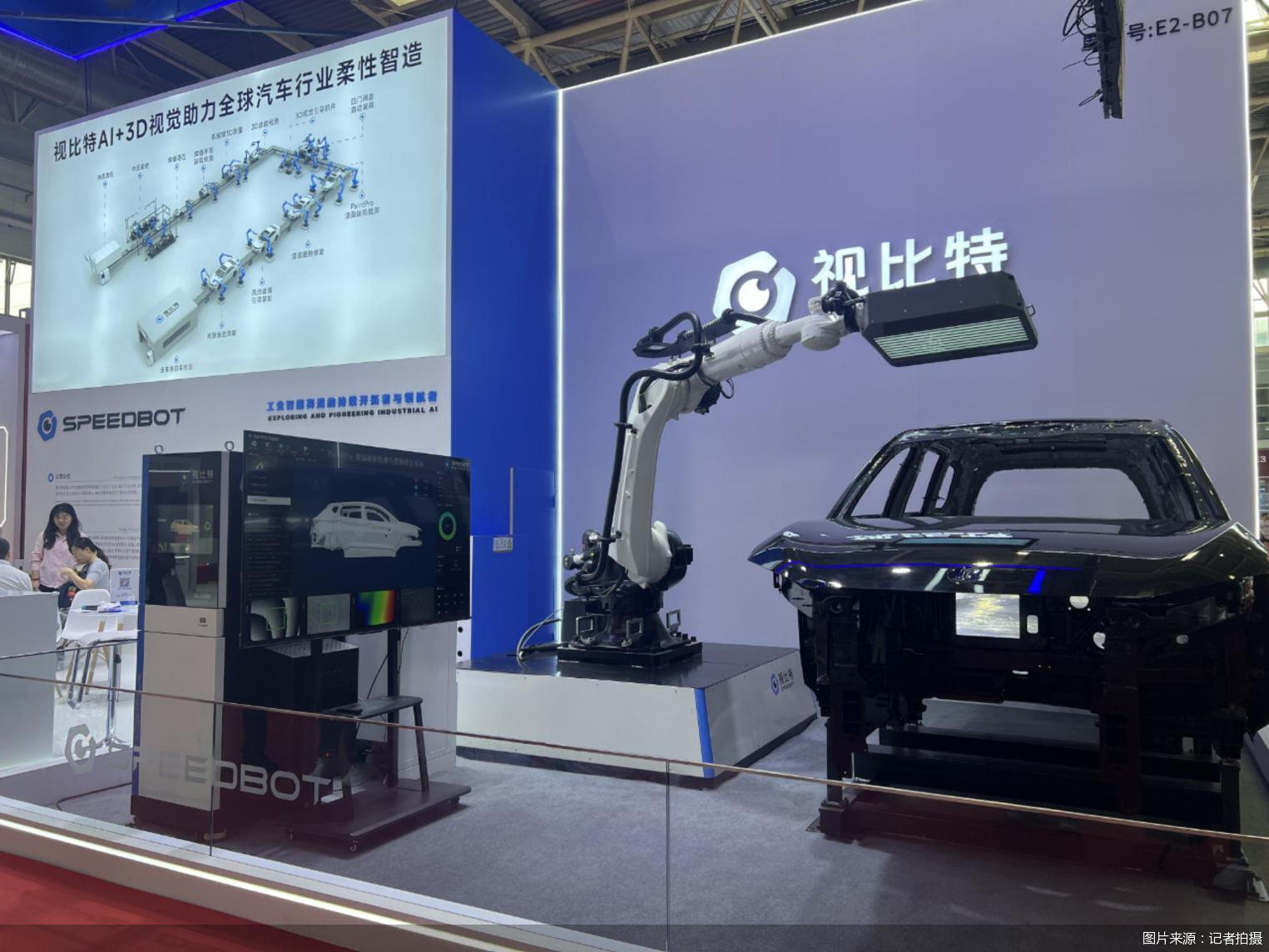
Core Insights - The third China International Supply Chain Promotion Expo (Chain Expo) highlighted the rapid transformation of the smart automotive supply chain, with a focus on collaboration and innovation among various stakeholders in the industry [1][6][12] Group 1: Smart Automotive Supply Chain - NVIDIA CEO Jensen Huang's presence at the Chain Expo emphasized the importance of smart automotive technology and the growing interest in Chinese automotive brands like BYD and "Wei Xiaoli" [1] - The Chain Expo showcased a comprehensive view of the smart automotive supply chain, presenting key technologies and products from chips to electric drive systems [1][3] - The collaboration among various companies in the supply chain is crucial, as each component plays a significant role in the overall manufacturing process of smart vehicles [3] Group 2: Tesla's Innovations - Tesla's booth featured the Model "3Y" combination, which attracted significant attention, showcasing its advanced charging solutions and manufacturing capabilities [4] - As of June this year, Tesla has produced over 8 million vehicles globally, with half of that production coming from its Shanghai Gigafactory, which has an annual capacity exceeding 950,000 vehicles and a localization rate of over 95% for components [4][6] - Tesla aims to deepen its relationship with Chinese suppliers to establish global green supply chain standards and explore AI applications in various sectors [6] Group 3: Domestic Innovations - Dongfeng Motor is actively involving suppliers in its research and development efforts, particularly in the area of domestic chip development, showcasing self-developed chips at the Chain Expo [6] - The establishment of a technology innovation consortium for automotive-grade chips in Hubei province aims to streamline the process from demand definition to mass production [6] Group 4: Material Innovations - Battery materials are a focal point, with companies like BetterRay introducing innovative solutions to enhance the lifespan and performance of electric vehicle batteries [7] - CATL showcased its sodium-ion batteries, which promise to reduce reliance on lithium resources and lower costs significantly compared to traditional lead-acid batteries [8] Group 5: AI Integration - The integration of AI technologies in the automotive supply chain is transforming manufacturing processes, with companies like BMW implementing AI applications to enhance quality control and efficiency [11] - The emergence of new players in the automotive supply chain, driven by advancements in AI and technology, is reshaping traditional supplier dynamics [12]