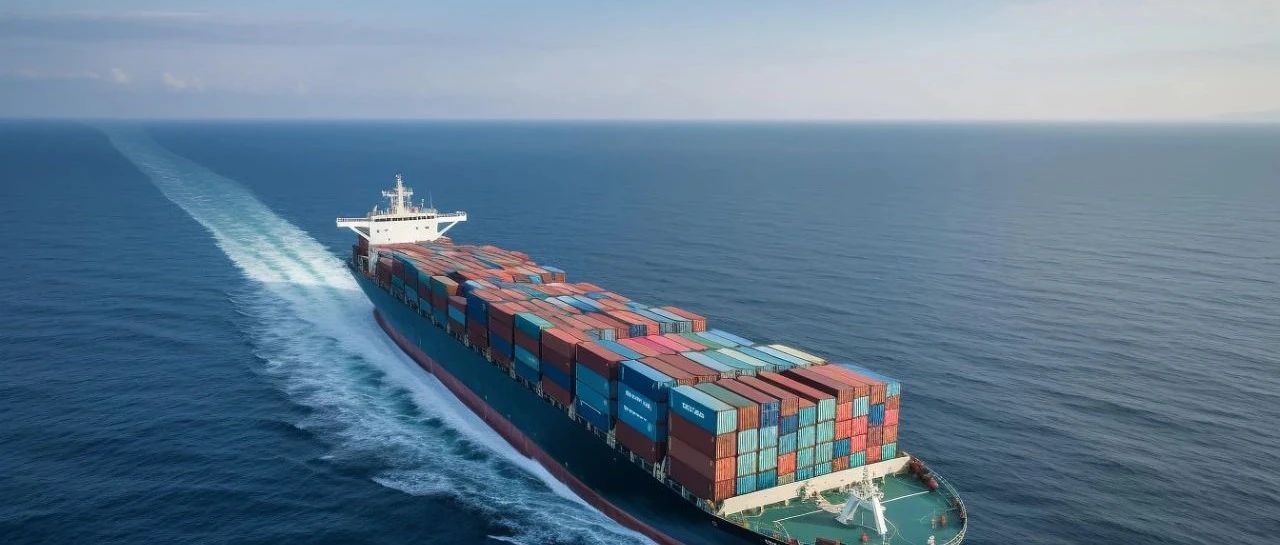
锂离子电池电芯

Search documents
欣旺达在韩再遭诉讼,专利与质量双重围剿下溃败在即?
3 6 Ke· 2026-01-29 13:24
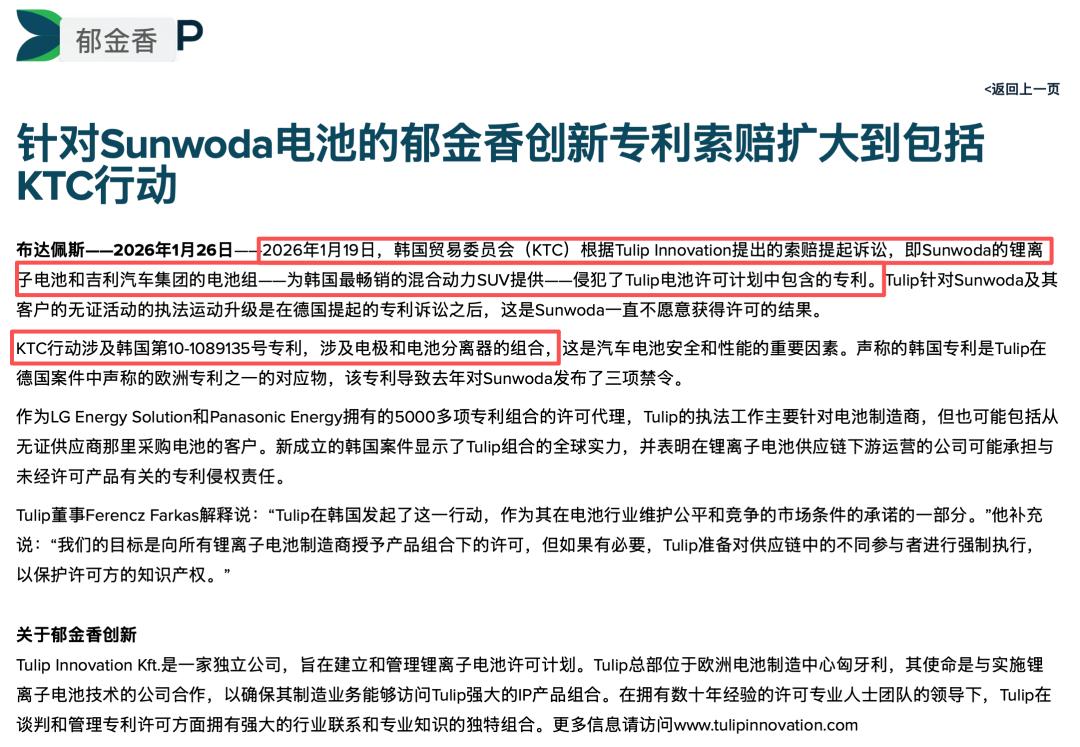
Core Viewpoint - The patent alliance "Tulip Innovation," formed by LG Energy and Panasonic, has initiated a patent infringement lawsuit against Xinwanda in South Korea, claiming that Xinwanda's lithium-ion battery cells and battery packs for Geely's popular hybrid SUV violate a specific patent related to electrode and separator technology [1][4]. Group 1: Patent Infringement and Legal Challenges - The lawsuit in South Korea is part of a broader strategy similar to previous actions taken in Germany, targeting core battery technologies that are critical for energy, safety, and lifespan [4][7]. - Xinwanda has previously faced three defeats and sales bans in Germany regarding the same patent, indicating the strength of the patent barriers established by the alliance [4][7]. - The lawsuit poses risks not only to Xinwanda but also to its customers, as the involved battery technology is used in Geely's hybrid SUV sold in South Korea, potentially affecting market prospects [7][11]. Group 2: Domestic Quality Issues and Financial Implications - Xinwanda is also facing a domestic lawsuit from Geely's Weirui company, claiming damages of 2.313 billion RMB due to serious quality issues with battery cells supplied between 2021 and 2023 [4][11]. - The quality issues have led to significant vehicle recalls, with estimates suggesting that tens of thousands of vehicles may be affected, aligning with the compensation amount sought [11][15]. - The financial impact of the 2.313 billion RMB claim is severe, potentially consuming 90% of Xinwanda's net profit for 2023 and 2024, with insufficient reserves to cover such liabilities [15][16]. Group 3: Industry Implications and Strategic Reflections - Xinwanda's situation serves as a warning for the industry, highlighting the risks of prioritizing cost over quality, as aggressive pricing strategies may compromise essential safety and reliability standards [20][24]. - The dual challenges of patent infringement and quality issues are forcing a reevaluation of supplier assessments, emphasizing the need for robust quality systems and independent patent strategies [20][24]. - The case of Xinwanda illustrates the complexities of international expansion for Chinese companies, where legal and technical challenges are becoming increasingly intertwined [20][24].


未获中国技术支持,印度新能源产业受重挫
Xin Lang Cai Jing· 2026-01-12 10:44
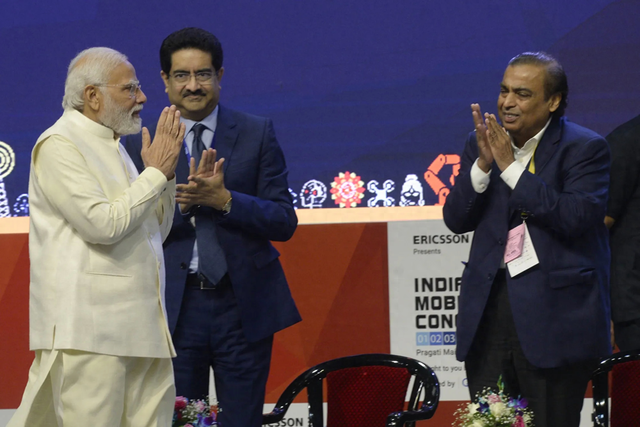
Core Viewpoint - Even the most powerful companies in India face challenges in building a self-sufficient clean energy supply chain, as evidenced by Reliance Industries Ltd. pausing its plans to manufacture lithium-ion battery cells due to the inability to secure technology support from Chinese firms [1][3]. Group 1: Company Challenges - Reliance Industries Ltd. has suspended its plans to manufacture lithium-ion battery cells in India after failing to obtain technology support from Chinese battery companies [1][3]. - The company evaluated alternative technology solutions from Japan, Europe, and South Korea, but found them to be cost-prohibitive and lacking competitiveness for large-scale deployment in the Indian market [3][4]. - Reliance Industries had initially aimed to collaborate with Xiamen Hicharge Energy Technology Co., Ltd. for battery cell technology licensing, but negotiations stalled due to China's restrictions on technology transfer [3][4]. Group 2: Government Initiatives - The Indian government introduced the Production-Linked Incentive (PLI) scheme in 2022 to reduce dependence on imported battery cells, offering up to ₹181 billion (approximately ¥14.12 billion) in subsidies for achieving project milestones [4]. - Reliance's renewable energy subsidiary, Reliance New Energy, faced penalties last year for failing to meet phase targets under the PLI scheme [4]. Group 3: Strategic Shift - Following setbacks in lithium battery cell production, Reliance Industries is shifting its focus towards the assembly of Battery Energy Storage Systems (BESS) to support its renewable energy projects [5].
超27GWh!中外储能扩产进行时
行家说储能· 2025-10-22 10:47
Core Viewpoint - Recent developments in energy storage capacity by multiple companies, both domestic and international, indicate a significant expansion in the sector, with a total capacity exceeding 27GWh from various projects [2]. Group 1: Chinese Companies - Foxconn's energy storage brand "Fuchu Kenen" aims for an annual production capacity of 3GWh, establishing a "lighthouse factory" in Zhengzhou [4][6]. - Shengyun Energy's project in Jiangxi province is set to achieve an annual production capacity of 10GWh for energy storage systems, contributing to the clean energy transition [7][10]. - Deqing Taixin New Materials plans to invest 320 million yuan in a project to produce 1GWh of lithium-ion, sodium, and solid-state battery cells [13][16]. - Guangdong Xintao Garden's project focuses on producing aluminum alloy battery shells and energy storage cabinets, with a total investment of 500 million yuan [11]. Group 2: International Companies - International Power Systems (IPS) has launched a battery energy storage system factory in Bulgaria, with a phased capacity plan starting at 1.5GWh and aiming for 5GWh by mid-2026 [17][19]. - Prime Batteries Technology (PBT) is expanding its factory in Romania, increasing its annual capacity from 2.5GWh to 8.5GWh, with a focus on lithium-ion battery storage systems [20][21]. - PBT has delivered 226MWh of energy storage systems for renewable energy projects and expects to deliver a total of 605.8MWh by the end of the year, down from an initial target of 800MWh [23].
湖州3.2亿电池项目启动
起点锂电· 2025-10-18 10:18
Group 1 - The CINE2025 Solid-State Battery Exhibition and Industry Annual Conference is scheduled for November 6-8, 2025, at the Guangzhou Nansha International Convention Center, with over 200 exhibitors, 2,000 participating companies, and 20,000 professional attendees expected [1][3]. - The event will feature the 2025 Qidian Solid-State Battery Golden Award Ceremony and the SSBA Solid-State Battery Industry Alliance Council meeting [1]. - A list of first batch exhibitors and sponsors includes major companies such as CATL, BYD, GAC, and others, indicating strong industry participation [1]. Group 2 - The Deqing County People's Government in Zhejiang Province approved an environmental impact assessment for a project aimed at producing 1GWh of lithium-ion, sodium, and solid-state battery cells, with an investment of 32 million yuan [2]. - Deqing Taixin New Materials Technology Co., Ltd. plans to establish a facility covering approximately 42.77 acres, including new production lines for lithium, sodium, and solid-state batteries [2]. - The company was established in September 2023 and focuses on battery manufacturing, new materials technology, and recycling of used power batteries [2].
超70亿元!欣旺达将建海外电池大工厂
鑫椤锂电· 2025-03-14 07:40
Group 1 - The Thai Investment Promotion Committee (BOI) has approved a significant investment of over 50 billion Thai Baht (approximately 10.7 billion RMB) by Xinwanda Electronics to establish battery production facilities in Thailand, marking the country's first large-scale investment project for electric vehicle batteries [1] - Xinwanda plans to build two factories in Chonburi, which are expected to create 1,000 jobs, including over 900 engineers and researchers, and provide battery-grade production technology training for more than 4,000 Thai personnel [1] - This project signifies Thailand's acceleration towards becoming a manufacturing hub for new energy vehicles, with BOI indicating that Xinwanda is also considering battery recycling operations in the country [1] Group 2 - Thailand's traditional automotive industry is undergoing transformation, with a reported 10% year-on-year decline in automotive production in 2023, reaching a four-year low, while domestic sales and export values fell by 26% and 8.8%, respectively [1] - Chinese new energy vehicle companies, represented by BYD and Great Wall Motors, have collectively invested over 102 billion Thai Baht (approximately 21.8 billion RMB) in Thailand [1] - The Thai government has introduced new policies to stimulate the market, including tax incentives for plug-in hybrid vehicles and credit guarantees for pickup truck buyers, with Japanese automakers like Toyota and Honda seeking government support through trade-in policies [2]