长赣高铁

Search documents
长沙764个项目列入市级重点项目清单,紧扣五大领域构建发展新格局
Chang Sha Wan Bao· 2026-02-25 02:08
Core Viewpoint - Changsha has released a list of 764 key construction projects for 2026, focusing on industrial development, infrastructure, social welfare, technological innovation, and ecological protection to support high-quality development [13]. Group 1: Industrial Development Projects - The list includes 449 industrial development projects, accounting for nearly 60% of the total, aimed at enhancing the city's industrial strength [13][14]. - Notable projects include the 51.6 billion yuan Magmite Smart Industry Center Phase III, which will establish new production and testing facilities [15]. - The Huike Mini-LED backlight and direct display module project has completed its main structure ahead of schedule, marking a significant step towards becoming a global leader in high-definition display manufacturing [16]. Group 2: Infrastructure Projects - There are 118 infrastructure projects aimed at addressing urban infrastructure gaps, covering areas such as airports, high-speed rail, highways, and power grids [13][19]. - The construction of Changsha Huanghua Airport T3 terminal is nearing completion and is expected to enhance the airport's capacity and service level [20]. - The Chang-Gan high-speed rail project is progressing rapidly, with significant construction milestones achieved, reducing travel time between Changsha and Ganzhou to under 2 hours [21]. Group 3: Social Welfare Projects - The list includes 148 social welfare projects focused on education, healthcare, and housing, aimed at improving the quality of life for residents [13][23]. - The Changsha Olympic Sports Center, set to host the 2029 National Games, has completed its foundation work and is moving to the next construction phase [23]. - The Xiangjun Peicui Experimental School will provide 4,400 quality educational slots upon completion, enhancing local educational resources [23]. Group 4: Technological Innovation Projects - The list features 28 technological innovation projects, including the Xiangjiang Science Center and the Malanshan Audio-Video Laboratory, which are expected to drive industrial transformation and upgrade [17]. - These projects are designed to inject continuous vitality into Changsha's industrial high-quality development through technological advancements [17]. Group 5: Ecological Protection Projects - The list includes 21 ecological protection projects aimed at promoting sustainable development and environmental conservation [13].

长赣高铁江西段主体工程开工
Zhong Guo Xin Wen Wang· 2025-12-10 01:13
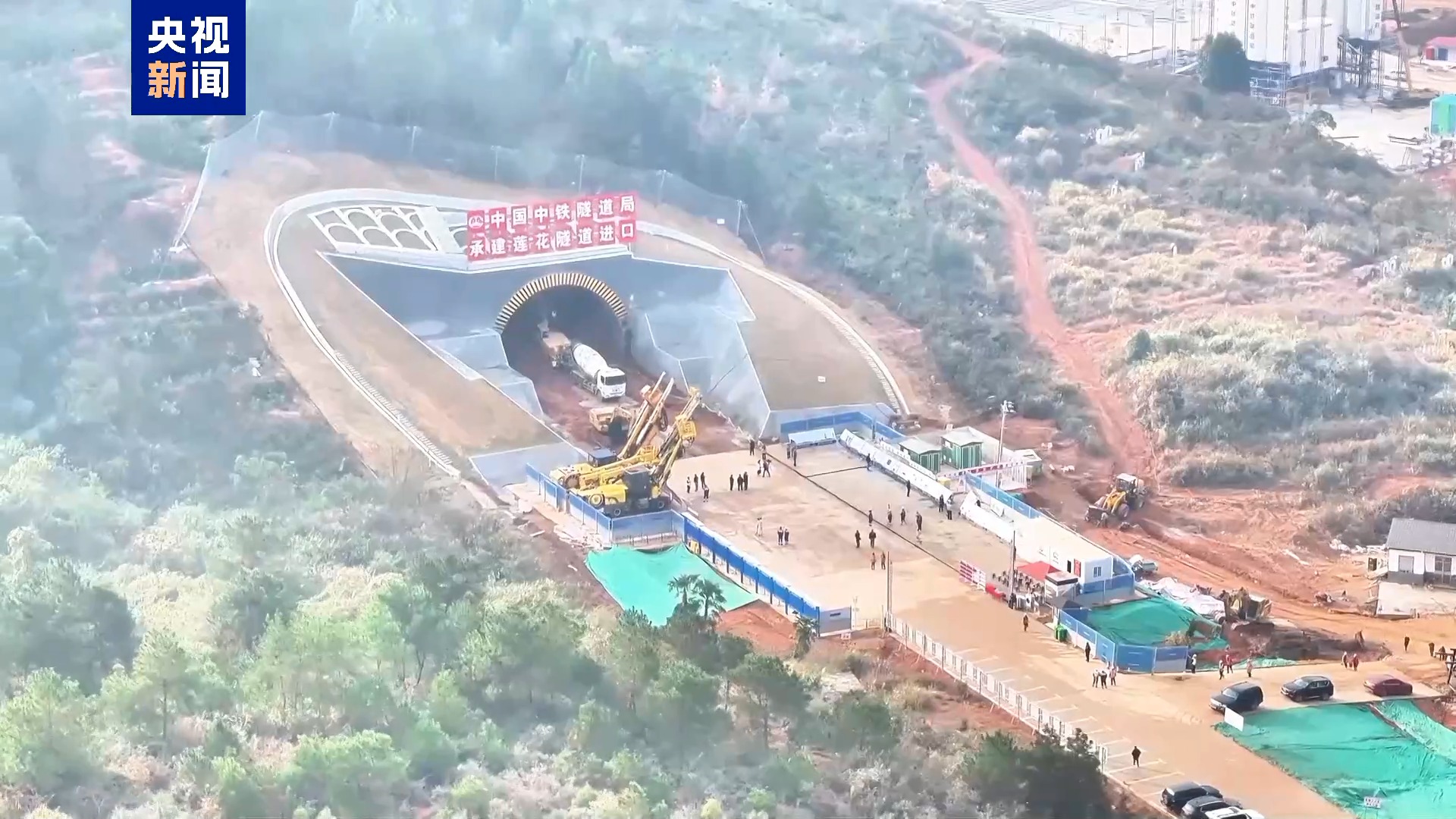
Core Viewpoint - The commencement of construction for the Lianhua Tunnel marks the start of the main engineering phase for the Chang-Gan High-Speed Railway in Jiangxi Province, which is a significant step towards the full construction of the railway [1][2] Group 1: Project Overview - The Chang-Gan High-Speed Railway spans 429.5 kilometers from Changsha in Hunan to Ganzhou in Jiangxi, with a designed speed of 350 kilometers per hour [1] - The Jiangxi section of the railway is 297.6 kilometers long, featuring 176 new bridges and 83 tunnels, resulting in a bridge-tunnel ratio of 88.24% [1] - The railway will include nine stations in Jiangxi, with five new stations and four existing ones, and the construction period is planned for five years [1] Group 2: Technical Aspects - The Lianhua Tunnel, which is 4.9 kilometers long, is one of seven high-risk tunnels in the Jiangxi section, located in an area with challenging geological conditions [1] - Advanced technologies such as geological sketching, radar, and horizontal drilling are being utilized for geological forecasting to understand the conditions ahead of the tunnel [1] - The project team is employing fully mechanized equipment for tunnel excavation and initial support, which reduces risks for workers and ensures construction quality [1][2] Group 3: Strategic Importance - The Chang-Gan High-Speed Railway is a key component of China's "Eight Vertical and Eight Horizontal" high-speed rail network, specifically part of the "Chongqing-Xiamen Corridor" [2] - Once completed, the railway will significantly reduce travel time from Changsha to Ganzhou from approximately 4 hours to as fast as 1.5 hours, enhancing connectivity and promoting regional development [2]
长赣高铁江西段主体工程开工建设
Yang Shi Xin Wen Ke Hu Duan· 2025-12-08 10:48
Core Viewpoint - The commencement of construction for the Lianhua Tunnel marks the full-scale construction phase of the Jiangxi section of the Chang-Gan High-Speed Railway, which is a significant part of China's "Eight Vertical and Eight Horizontal" high-speed rail network [1][3]. Group 1: Project Overview - The Chang-Gan High-Speed Railway spans 429.5 kilometers from Changsha, Hunan to Ganzhou, Jiangxi, with a design speed of 350 kilometers per hour [3]. - The Jiangxi section has a total length of 297.6 kilometers, featuring 176 new bridges and 83 tunnels, resulting in a bridge-tunnel ratio of 88.24% [3]. - There will be nine stations in Jiangxi, with most being newly constructed, and the project is expected to take five years to complete [3]. Group 2: Technical Aspects - The Lianhua Tunnel, located in Lianhua County, is one of the seven high-risk tunnels in the Jiangxi section, measuring 4.9 kilometers in length [5]. - The project team employs advanced geological forecasting technologies and mechanized equipment to ensure construction safety and efficiency [5]. Group 3: Impact on Transportation - Upon completion, the railway will significantly reduce travel times, with the journey from Changsha to Ganzhou cut from approximately 4 hours to as fast as 1.5 hours, and from Pingxiang to Ganzhou reduced to about 1 hour [5].
武汉有望新增一条南下高铁通道
Chang Jiang Ri Bao· 2025-09-25 00:29
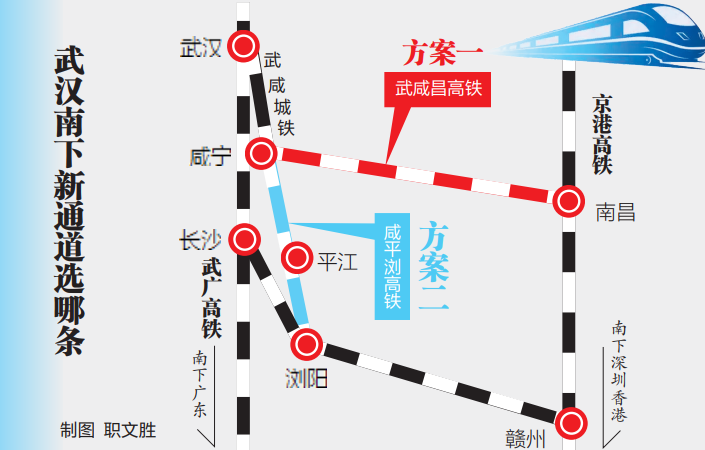
Core Viewpoint - The construction of the Jiangxi and Hunan sections of the Changgan High-Speed Railway marks a significant step towards realizing the long-awaited "second southward corridor" from Wuhan, enhancing connectivity and alleviating congestion on the existing Wuhan-Guangzhou high-speed railway [1] Group 1: Current Infrastructure and Demand - The Wuhan-Guangzhou high-speed railway, operational since 2009, has transported nearly 1.9 billion passengers, with passenger volume exceeding 200 million in both 2023 and 2024, making it one of the busiest high-speed rail lines in China [1] - During peak travel seasons such as Spring Festival and National Day, tickets for the Wuhan-Guangzhou high-speed railway are often sold out, indicating a demand that exceeds current capacity, with train intervals reduced to as little as 4 minutes [1] Group 2: Potential Extensions and Opportunities - The Wuxi-Xianning Intercity Railway, operational since 2013, primarily serves short-distance commuters but faces limitations due to its "dead-end" nature, lacking connections to the national high-speed rail network [4] - There are two proposed extension plans for the Wuxi-Xianning Intercity Railway: one connecting to Nanchang and integrating with the existing Beijing-Hong Kong high-speed railway, and the other extending south into Hunan to connect seamlessly with the newly constructed Changgan High-Speed Railway [5][6] - Regardless of the chosen extension route, the development will create a new high-speed rail corridor from Wuhan to the south, alleviating pressure on the Wuhan-Guangzhou line and revitalizing the Wuxi-Xianning Intercity Railway, while strengthening connections within the Yangtze River middle urban agglomeration [7]
连续“零增长”,这个中部大省开始发力了
Mei Ri Jing Ji Xin Wen· 2025-06-16 14:37
Core Viewpoint - The construction of the Chang-Gan high-speed railway in Hunan is set to begin, marking a significant development in the region's high-speed rail network after a period of stagnation in new projects [2][8]. Group 1: Current Developments - The Chang-Gan high-speed railway, approximately 429 kilometers long with a design speed of 350 km/h, has a total investment of about 83 billion yuan [8]. - The project has faced multiple delays since its planning began in 2014, including environmental assessments and funding challenges [8][10]. - Hunan's high-speed rail construction has slowed in recent years, with no new lines built for two consecutive years [5][12]. Group 2: Economic Impact - The completion of the Chang-Gan high-speed railway is expected to significantly reduce travel times, such as cutting the journey from Changsha to Ganzhou from 4 hours to under 2 hours [15]. - The railway will enhance connectivity with major urban areas, supporting the development of the Guangdong-Hong Kong-Macao Greater Bay Area [15][16]. - Hunan's strategic location as a transit hub between eastern coastal and central-western regions is emphasized, with plans to leverage this for economic growth [17]. Group 3: Future Prospects - Hunan is set to experience a "explosive" growth in high-speed rail projects, with several other lines queued for construction [2][12]. - The integration of various high-speed rail lines will transform Hunan's transport network from a single-axis structure to a multi-channel system [14]. - The ongoing projects are expected to enhance the overall economic landscape of Hunan, facilitating better access to markets and resources [18][19].
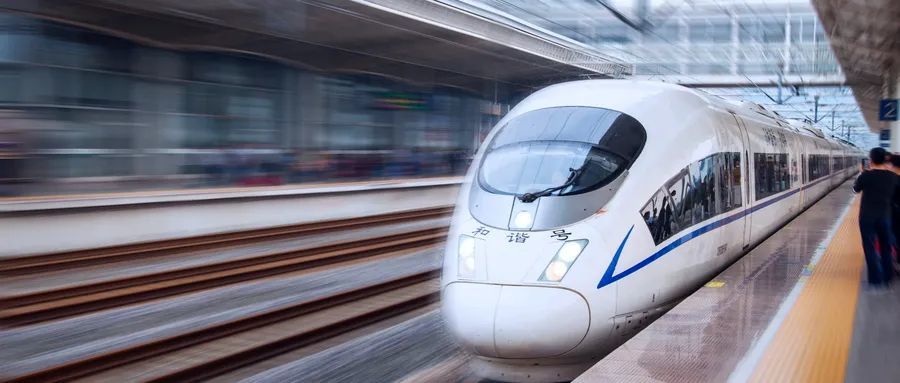
城市24小时 | 规划超十年,这条高铁终于要开建了?
Mei Ri Jing Ji Xin Wen· 2025-05-21 02:10
Group 1: Project Overview - The Chang-Gan High-Speed Railway (长赣高铁) has received preliminary design approval and is expected to commence construction within the year [1] - The railway will reduce travel time from Changsha to Ganzhou from 4 hours to under 2 hours, and from Changsha to Xiamen from 7 hours to approximately 5 hours [1] - The railway spans approximately 429.4 kilometers with a design speed of 350 km/h and includes 11 stations, with an estimated construction period of 5 years [1] Group 2: Economic Impact - Changsha is anticipated to be the primary beneficiary, enhancing its status as a major high-speed rail hub in Central China [2] - The railway will complete the "米" shaped high-speed rail layout, connecting Chongqing to Xiamen and providing a second high-speed rail corridor to Shenzhen [2] - Smaller cities in Jiangxi, such as Jinggangshan and Suichuan, will also benefit from improved connectivity, although concerns exist regarding the economic impact on these areas compared to Changsha [2] Group 3: Historical Context - The planning for the Chang-Gan High-Speed Railway began in 2014, and it was included in the "13th Five-Year Plan" for railways in 2017, but construction was delayed due to various issues [1] - The feasibility study was approved by the National Development and Reform Commission in October 2022, and the environmental impact assessment was approved in November 2024 [1]