
陈村年桔

Search documents
从“产品出海”到“文化出海” 双轮驱动“广货”全球启新程
2 1 Shi Ji Jing Ji Bao Dao· 2026-02-10 23:11
Core Viewpoint - The "Guanghuo" initiative represents Guangdong's commitment to high-quality development and industrial upgrading, facilitating a comprehensive global outreach that transcends traditional foreign trade practices [1][2]. Group 1: Overview of "Guanghuo" Initiative - The "Guanghuo" initiative has evolved into a significant platform for Guangdong's global trade, linking local industrial clusters with over 200 countries and regions [1]. - Guangdong has maintained its position as China's largest foreign trade province for over 30 years, accounting for approximately one-quarter of the national total [2]. Group 2: Industrial Foundation - The industrial advantages of "Guanghuo" are particularly evident in the consumer electronics and home appliance sectors, with Shenzhen being a global innovation hub [4]. - Major companies like Midea and Galanz are expanding their global presence, with Midea's high-end appliances ranking among the world's best and Galanz products being exported to over 190 countries [4]. Group 3: Challenges and Opportunities - Despite its achievements, "Guanghuo" faces challenges such as a lack of core technology and global brand recognition, with many SMEs relying on OEM models [4][5]. - The transition from low-end manufacturing to high-end creation is crucial for "Guanghuo" to enhance its global competitiveness [6]. Group 4: Policy and Support - Guangdong's government is implementing supportive policies, including export tax rebates and R&D subsidies, to alleviate financial and logistical pressures on enterprises [5][10]. - The Canton Fair serves as a national-level platform, facilitating connections with global buyers and enhancing the outreach of "Guanghuo" products [5]. Group 5: Cultural Empowerment - Cultural elements are being integrated into the "Guanghuo" initiative, enhancing the global appeal of products through cultural storytelling and branding [7][8]. - Companies are leveraging local cultural heritage to create unique brand identities, such as the promotion of Guangdong lychee as the "Eastern Love Fruit" [8]. Group 6: Strategic Collaboration - The dual-driven strategy of industrial foundation and cultural empowerment is essential for overcoming the "big but not strong" dilemma faced by "Guanghuo" [9][10]. - Successful examples from companies like Xiaopeng and DJI illustrate the effectiveness of this collaborative approach in enhancing brand and cultural outreach [9]. Group 7: Future Outlook - The 2026 "Guanghuo" Spring Action marks a new beginning for transforming "Guanghuo" into a global brand, emphasizing the importance of quality and innovation [11]. - By adhering to the dual-driven strategy and focusing on cultural confidence, "Guanghuo" aims to create more world-class national brands and contribute to the high-quality development of Chinese manufacturing [11].

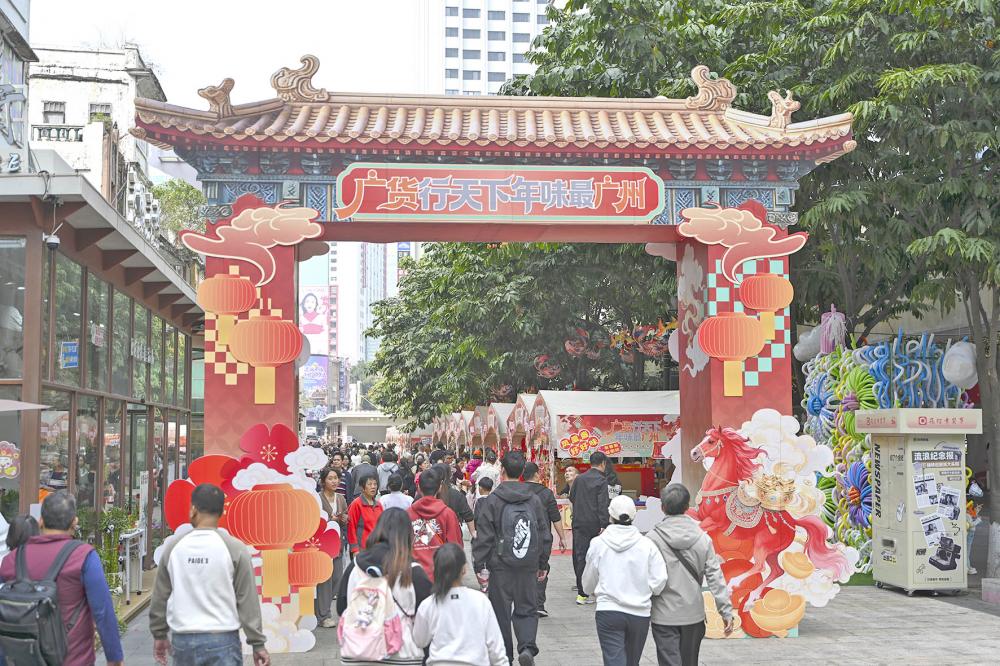
从“产品出海”到“文化出海”:双轮驱动“广货”全球启新程
2 1 Shi Ji Jing Ji Bao Dao· 2026-02-10 00:25
Core Viewpoint - The "Guangdong Goods Going Global" initiative represents a significant step in Guangdong's strategy to enhance its global trade presence, focusing on high-quality development and industrial upgrades, while leveraging local cultural elements to strengthen brand identity and market reach [2][3][9]. Group 1: Industrial Foundation - Guangdong has maintained its position as China's largest foreign trade province for over 30 years, accounting for about one-quarter of the national total, establishing itself as a core hub for international market engagement [3]. - The province has developed a comprehensive industrial ecosystem, particularly in consumer electronics, new energy vehicles, and home appliances, with thousands of specialized enterprises and leading companies [3][4]. - Shenzhen is highlighted as a global innovation center for consumer electronics, with major companies like Huawei and OPPO driving rapid responses to global demand through efficient industrial clusters [4][5]. Group 2: Challenges and Opportunities - Despite impressive export volumes, Guangdong's "Guangdong Goods" face challenges such as a lack of core technologies and global brand recognition, with many small enterprises relying on OEM models [4][5]. - The need for deeper cultural communication and adaptation to international standards is emphasized, as well as the importance of overcoming barriers related to green trade and geopolitical tensions [4][9]. Group 3: Policy and Platform Support - The Guangdong government has implemented supportive policies, including export tax rebates and R&D subsidies, to alleviate financial and logistical pressures on enterprises [5][10]. - The Canton Fair serves as a national-level platform facilitating global connections, attracting numerous international buyers and enhancing trade opportunities [5][10]. Group 4: Cultural Empowerment - Cultural elements are integrated into the branding and marketing strategies of "Guangdong Goods," enhancing their appeal in international markets [7][8]. - The initiative promotes a dual approach of "product + culture," allowing for a richer narrative that resonates with global consumers, as seen in the marketing of local agricultural products and traditional crafts [7][8]. Group 5: Strategic Collaboration - The dual-wheel drive strategy, combining industrial strength and cultural communication, is essential for overcoming the "big but not strong" dilemma faced by Guangdong's exports [9][10]. - Successful examples from companies like Xiaopeng and DJI illustrate the effectiveness of this collaborative approach in enhancing brand recognition and market penetration [9][10]. Group 6: Future Outlook - The "Guangdong Goods Going Global" initiative marks a new starting point for transforming Guangdong into a global brand leader, emphasizing the importance of maintaining quality and innovation while fostering cultural confidence [11].
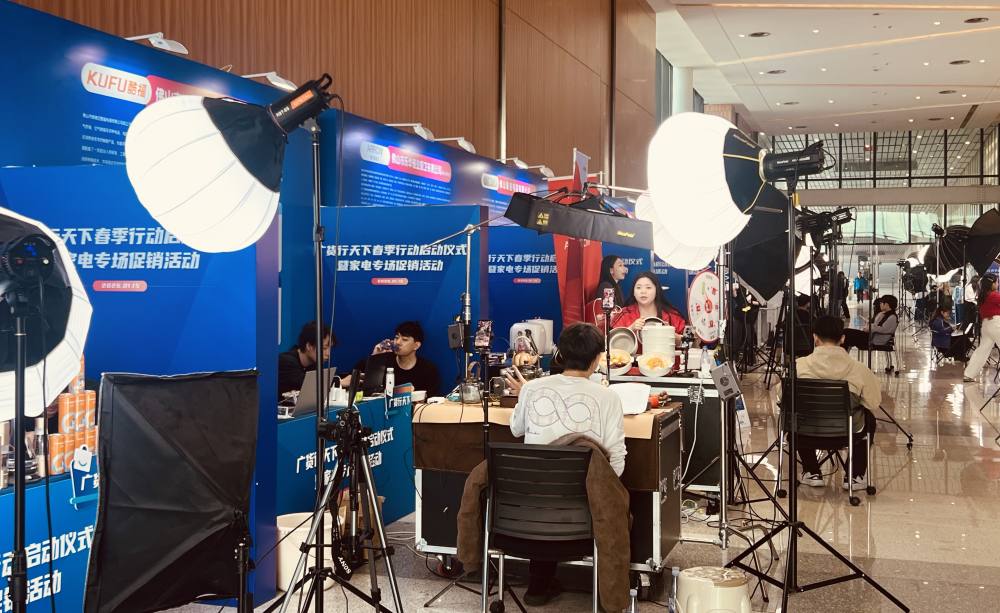
广货全球发利是,让“广东味道”香飘全球
21世纪经济报道· 2026-01-24 01:05
Core Viewpoint - The "Tongue of Guangdong" event aims to elevate the cultural representation of Guangdong's products globally, integrating hard industry support with soft cultural expression to enhance the international image of "Guangdong goods" [1][2]. Group 1: Event Overview - The fifth China Import and Export Food New Year Festival and the "Guangdong Goods Go Global" event commenced on January 23, focusing on cultural elevation alongside product promotion [1]. - This year's festival innovatively combines online and offline experiences, engaging 30 global MCN organizations to create a comprehensive consumption matrix across various platforms [1]. Group 2: Economic Impact - Guangdong's agricultural product import and export value remains the highest in China, with a total exceeding 263.24 billion yuan in the first three quarters of 2025 [5]. - The global reach of Guangdong's products extends to 214 countries and regions, transforming them from mere goods into carriers of culture and emotion [6]. Group 3: Cultural Significance - The essence of New Year goods is emotional consumption, where the quality of products is complemented by cultural narratives and innovative thinking [6]. - Guangdong's traditional foods, such as the Cantonese "Poon Choi" and "Fortune Pig's Feet," have become symbols of nostalgia for overseas Chinese during the Spring Festival [6]. Group 4: Marketing and Sales Strategies - The festival features three main exhibition areas showcasing imported foods, export-to-domestic sales, and signature New Year dishes, facilitating immediate sales through live demonstrations and tastings [7]. - The use of AI tools on major e-commerce platforms enhances consumer experience by accurately matching consumer needs with available products [7]. Group 5: International Collaboration - The RCEP agreement has significantly boosted regional trade, with Guangdong businesses acting as vital links in international cooperation [9]. - The event also highlighted the successful export of Guangdong lychees, with a reported export volume of 5,202 tons valued at 80.62 million yuan in 2025, marking substantial growth [11]. Group 6: Future Directions - The "Media+" strategy aims to empower rural revitalization and enhance the market presence of agricultural products through comprehensive brand and market development [18]. - The event also introduced the "Cloud Food Wisdom AI" initiative, providing businesses with data analysis and compliance consulting to facilitate international trade [13].
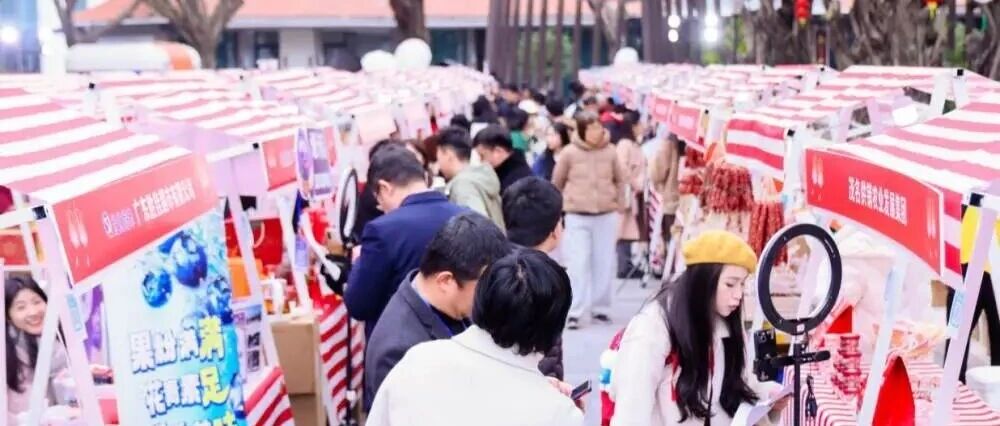
广货行天下 全球开“利是”
2 1 Shi Ji Jing Ji Bao Dao· 2026-01-23 03:31
Core Insights - The article emphasizes the integration of cultural elements into the global marketing strategy of Guangdong products, using the concept of "Li Si" as a cultural symbol to enhance emotional connections with consumers worldwide [1][2][11] - It highlights the transition from a focus on manufacturing scale and efficiency to a narrative that includes emotional and cultural dimensions, positioning Guangdong products as not just goods but as carriers of cultural significance [5][8][11] Group 1: Hard Currency of Guangdong Products - Guangdong products represent a significant portion of China's global manufacturing, with the Greater Bay Area's smart home appliance industry accounting for nearly 30% of the global market [3] - The region's products, such as electronics and traditional foods, are characterized by stringent quality standards, which serve as a passport to international markets [3][4] - Guangdong's manufacturing prowess is evident in various sectors, including consumer electronics and textiles, with a notable share of national exports [3][4] Group 2: Emotional Branding and Cultural Significance - The concept of "Nian Huo" (New Year goods) is evolving into a cultural and emotional branding tool, with Guangdong's agricultural exports leading the nation in value [5][6] - The emotional aspect of these products is crucial, as they are seen as symbols of cultural connection and tradition, enhancing their appeal in international markets [6][8] - Innovative marketing strategies, such as storytelling and cultural narratives, are being employed to resonate with global consumers, transforming products into meaningful gifts [9][10] Group 3: Media+ Ecosystem for Global Reach - The "Media+" initiative is being developed to create a comprehensive ecosystem that connects Guangdong products with global consumers, enhancing the efficiency of supply and demand [9][10] - This platform aims to facilitate storytelling and cultural exchange, making Guangdong products more relatable and desirable in international markets [9][10] - The initiative also addresses practical challenges faced by small and medium enterprises in exporting, providing them with tools and networks to navigate global markets [10][11]
岭南金桔映新春!近600万盆广东年桔全球发货|广货行天下
Nan Fang Nong Cun Bao· 2026-01-21 11:34
Core Viewpoint - The article highlights the significance of Guangdong's nianju (year orange) as a cultural symbol for the Spring Festival, emphasizing its growing popularity both domestically and internationally, with nearly 6 million pots being shipped globally [1][4][62]. Group 1: Cultural Significance - Nianju is an essential part of the Spring Festival culture in Guangdong, symbolizing good fortune and prosperity [3][11]. - The tradition of displaying nianju during the New Year is deeply rooted in local customs, with the saying "no nianju, no New Year" reflecting its importance [15][10]. Group 2: Production and Supply - Guangdong's nianju production is concentrated in several key areas, including Foshan, Guangzhou, Dongguan, and Huizhou, which together support the industry [25][24]. - Foshan's Chen Village is recognized as the "Hometown of Nianju," with over 4,000 acres dedicated to cultivation and an annual output of more than 3 million pots [27][28]. Group 3: Market Trends - The demand for nianju is increasing, with Guangdong's market share approaching 80% in the domestic market, and Chen Village supplying over 40% of the national nianju [66][67]. - Online and offline sales channels have facilitated the distribution of nianju across the country, enhancing its accessibility [68]. Group 4: Technological Advancements - The nianju industry in Guangdong has embraced technology, moving away from traditional farming methods to improve quality and efficiency [48][49]. - A comprehensive technological support system has been established to monitor and manage the growth of nianju, ensuring high standards [50][52]. Group 5: Branding and Marketing - The branding initiative "Chinese Nianju" aims to elevate Guangdong's nianju from a regional specialty to a national cultural symbol, enhancing its recognition and market presence [75][81]. - Collaborative marketing efforts have been launched to promote nianju as a representation of Chinese New Year culture, breaking regional barriers [84][78].

广东顺德年桔金黄 年味渐浓
Xin Lang Cai Jing· 2026-01-19 14:05
Core Viewpoint - The article highlights the bountiful harvest of kumquats in Chen Village, Shunde, Guangdong, as the region prepares for the Chinese New Year, with local farmers actively packaging and shipping the fruit to various locations including Guangdong, Fujian, and Singapore [1][2][3][4] Group 1 - The kumquat harvest in Chen Village is described as abundant, with the village being renowned as the "Hometown of Kumquats" [1][2][3][4] - Local farmers are engaged in the care, packaging, and transportation of kumquats, which symbolize the festive spirit of the Chinese New Year [1][2][3][4] - The kumquats are being distributed to multiple regions, indicating a strong market demand for this seasonal fruit [1][2][3][4]
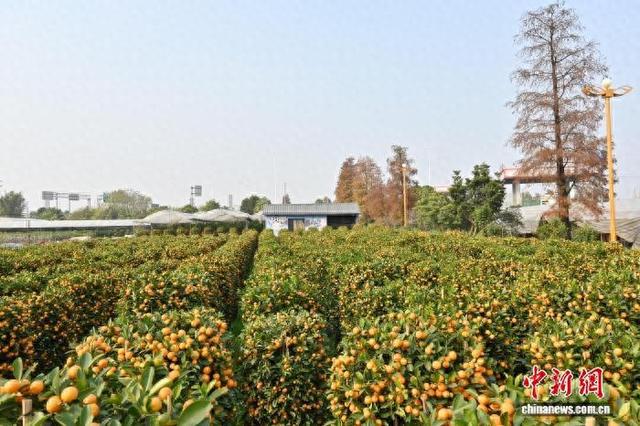
年味渐浓,年桔金黄!中国年桔全球送“吉祥”
Nan Fang Nong Cun Bao· 2026-01-06 02:04
Core Viewpoint - The article highlights the bustling activity in the Chen Village of Shunde, Foshan, where the cultivation of "Nianju" (Chinese New Year orange) is thriving, with a focus on its production scale, market reach, and branding efforts to enhance sales both domestically and internationally [2][8][25]. Group 1: Production and Market Overview - The planting area for Nianju in Chen Village has reached over 4,000 acres, with a production volume of more than 3 million pots, and shipments are currently being organized with stable prices [8][19]. - Chen Village is recognized as the "Hometown of Chinese Nianju," and the cultivation has developed into a significant industry, reflecting the expectations of local growers [7][3]. Group 2: Sales Channels and Consumer Reach - Approximately 80% of Chen Village Nianju sales are conducted through bulk wholesale, while 20% reach end consumers via retail and online sales [19]. - Despite challenges in online sales due to high costs, such as packaging and transportation, online channels have become the preferred method for consumers outside the region to purchase Nianju [22][23]. Group 3: Branding and Marketing Initiatives - The launch of the "Chinese Nianju" brand has significantly increased interest, with numerous inquiries from clients in Hong Kong and Macau following the New Year [31][32]. - A collaborative media campaign has been initiated to enhance the brand image of Chinese Nianju, transforming it into a cultural symbol that resonates with the nostalgia of the Chinese New Year [25][27].
快评丨在千年商道北京路“逛文明大集”,是什么体验?
Nan Fang Nong Cun Bao· 2025-12-19 13:01
Core Viewpoint - The "Civilization Market" series of promotional activities in Guangzhou's Beijing Road aims to stimulate consumer spending and enhance economic vitality by leveraging the historical and cultural significance of the area [9][11][17]. Group 1: Event Overview - The "Civilization Market" series officially commenced on December 19, 2023, attracting large crowds and creating a vibrant atmosphere [5][6]. - Beijing Road, known as the "Thousand-Year Business Road," has undergone modernization while preserving its historical essence, making it a key showcase for consumer vitality in the Guangdong-Hong Kong-Macao Greater Bay Area [7][9]. Group 2: Economic Impact - The activities are designed to provide market space for county-level quality products, cultural tourism, and vocational school products, effectively activating year-end economic consumption potential [10][11][14]. - The initiative aims to enrich the product offerings in the Beijing Road business district, meeting diverse consumer demands for high-quality living and driving comprehensive supply-demand dynamics [16][17]. Group 3: Regional Development - The event highlights the achievements of the "Hundred Million Project," showcasing local products such as the popular Chen Village kumquat and Heshan red tea, which have benefited from this initiative [19][21][22][24]. - The series promotes a collaborative model involving government, social forces, and community participation to explore cultural treasures and expand new consumption spaces [26][30]. Group 4: Future Plans - The activities will continue until December 28, 2023, with plans for multiple sub-events to accelerate the cultivation of new and upgraded consumption patterns, promoting deep integration of online and offline shopping [33][34].