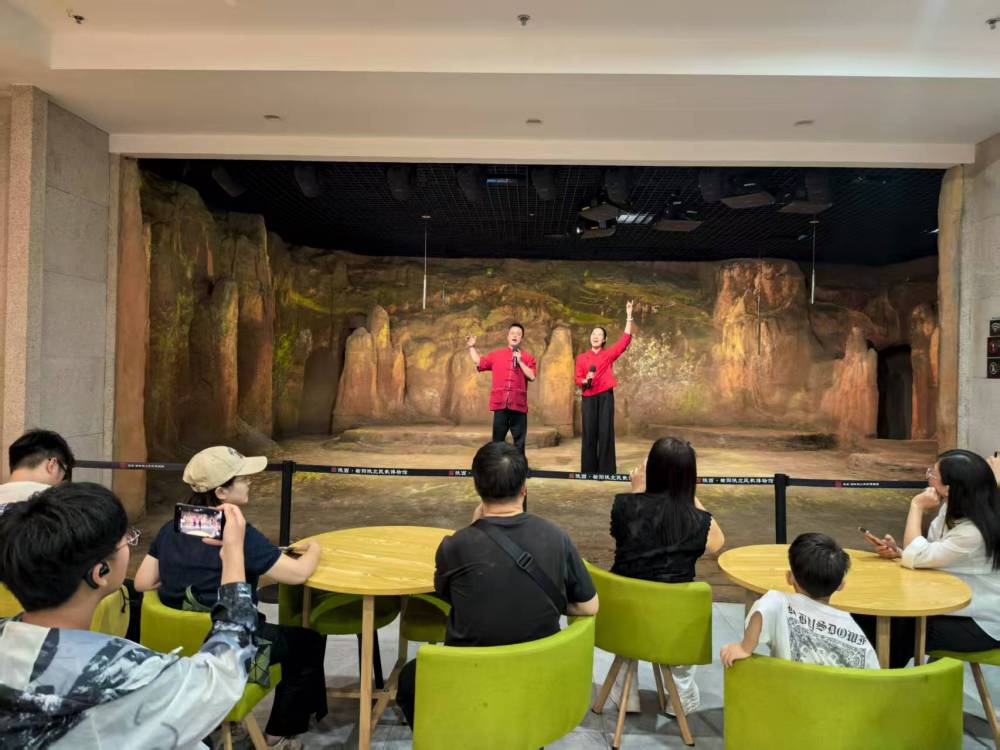
陕北秧歌

Search documents
2026“陕北榆林过大年”秧歌展演火热开扭
Xin Lang Cai Jing· 2026-02-21 05:57
Core Viewpoint - The "2026 Shaanbei Yulin Celebrates the New Year" national yangge performance is a significant cultural event showcasing traditional Chinese folk art, with a focus on innovation and participation from diverse groups [1][4]. Group 1: Event Overview - The event commenced on February 20, 2026, at 1 PM, featuring 12 yangge teams performing in Yulin's Century Square, creating a vibrant atmosphere for citizens and tourists [1][4]. - The performance includes a total of 38 teams and over 3,000 performers from across the country, running from the fourth day of the lunar new year until the seventh and again on the fourteenth and fifteenth [4]. Group 2: Performance Features - The yangge teams this year incorporated modern elements such as robots, machine dogs, and high stilts, alongside traditional performances, enhancing the overall quality and appeal [3][4]. - Each participating county showcased unique styles of yangge, with traditional forms from Yuyang District, Shenmu, Fugu, and Wubu, highlighting the diversity of the performances [3].

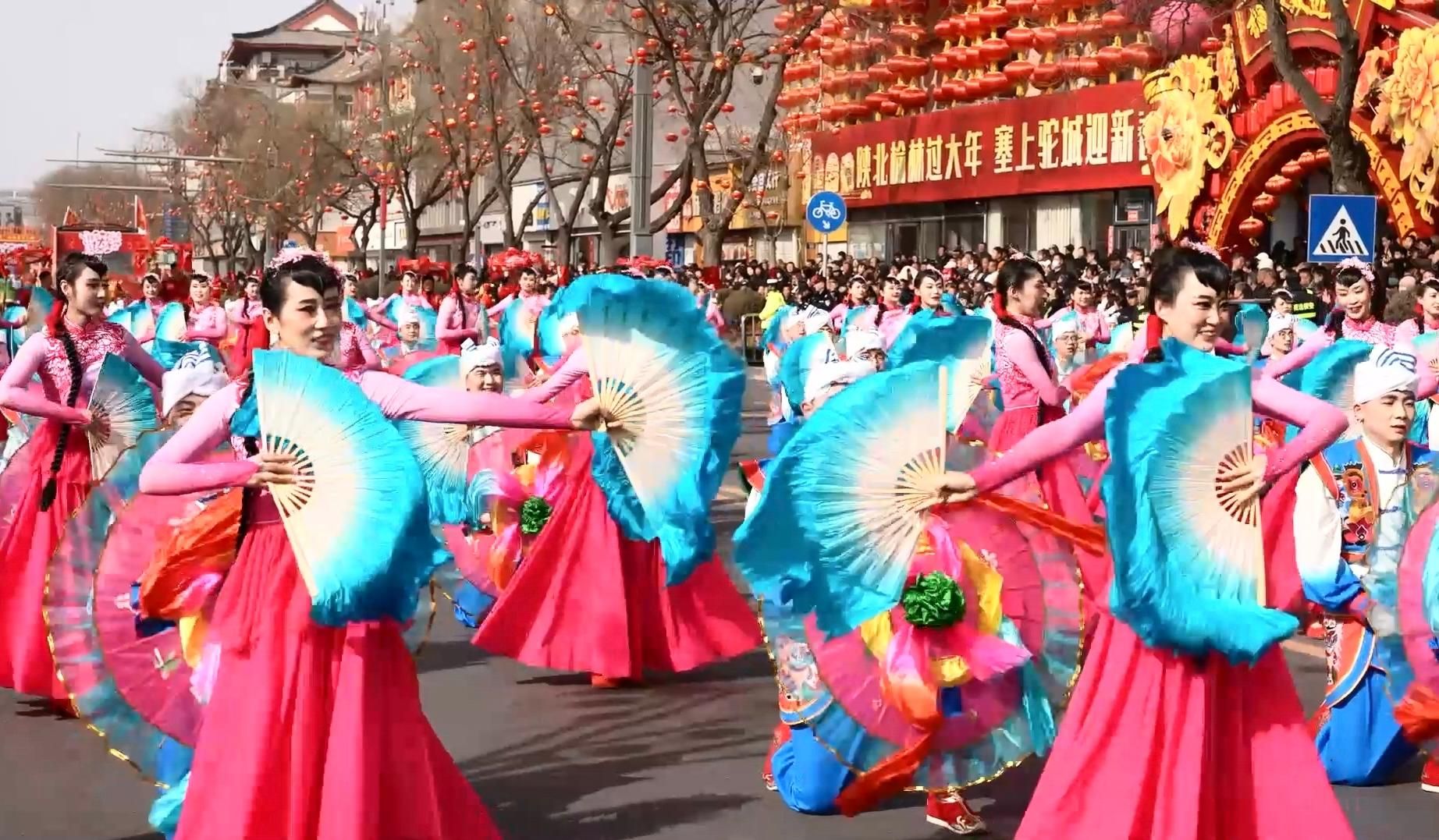
陕北秧歌喧岁首 踏歌起舞共新春
Zhong Guo Xin Wen Wang· 2026-02-17 10:11
Core Viewpoint - The article highlights the cultural significance and vibrant celebrations of the Chinese Lunar New Year, particularly focusing on the unique expression of the Shaanxi Yancheng folk dance during this festive period [1]. Group 1: Cultural Significance - The Chinese Lunar New Year, known as Spring Festival, is a crucial time for family reunions and renewal, celebrated with various regional customs across China [1]. - In Shaanxi, the Yancheng dance is a vital part of the New Year celebrations, characterized by its energetic and expressive movements, accompanied by traditional instruments like the suona and gongs [1][2]. Group 2: Performance and Participation - The Yancheng dance is categorized into "large" and "small" performances, with "large" involving 40 to hundreds of participants, while "small" features fewer participants and focuses on folk mini-dramas [2]. - The dance's appeal is evident as it attracts both local and international audiences, with participants experiencing a sense of collective joy and cultural pride [2]. Group 3: Modern Adaptations - Younger performers are integrating modern elements, such as popular music and social media, to reach a broader audience, with one video achieving over 8 million views in just half a month [3]. - Schools in the region are incorporating Yancheng dance into physical education, ensuring the tradition is passed on to younger generations [4].
(寻味中华丨节令)陕北秧歌喧岁首 踏歌起舞共新春
Xin Lang Cai Jing· 2026-02-17 02:49
Core Viewpoint - The article highlights the cultural significance and vibrant celebrations of the Chinese Lunar New Year, particularly focusing on the unique expression of the Shaanxi Yanchang dance in Northern Shaanxi, which embodies the spirit of the festival and the local community [1][3]. Group 1: Cultural Significance - The Chinese Lunar New Year, known as Spring Festival, is a crucial time for family reunions and renewal, celebrated with various regional customs across China [1]. - In Northern Shaanxi, the Shaanxi Yanchang dance is a vital part of the New Year celebrations, characterized by its energetic and expressive movements, accompanied by traditional instruments like the suona and gongs [1][3]. Group 2: Performance and Community Engagement - The Shaanxi Yanchang dance features both "large" and "small" performances, with "large" events involving dozens to hundreds of participants, creating a collective festive atmosphere [3][4]. - Performers like Zheng Dongrui and Gu Jiakai emphasize the emotional connection and cultural pride associated with the dance, which resonates with both local and international audiences [4][6]. Group 3: Modern Adaptations and Outreach - Gu Jiakai is leveraging social media to promote the Shaanxi Yanchang dance, achieving significant engagement with over 800,000 views on a video within two weeks, showcasing the dance's adaptability to modern platforms [6]. - Local schools are incorporating Shaanxi Yanchang elements into physical education, ensuring the dance's relevance and appeal to younger generations [6].
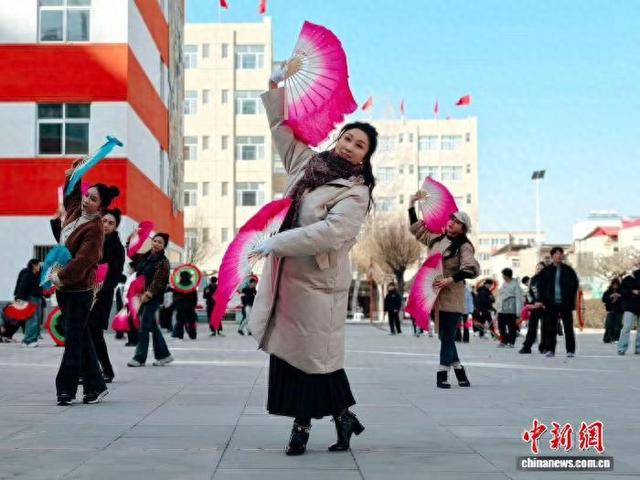
【榆林】非遗传承中的“银发力量”
Shan Xi Ri Bao· 2025-12-08 00:25
Core Viewpoint - The article highlights the integration of elderly education with the transmission of local intangible cultural heritage (ICH) in Yulin City, promoting a "Silver Hair Action" that encourages elderly learners to engage in ICH activities and pass on traditional skills to younger generations [1][8]. Group 1: Non-Heritage Education Initiatives - Yulin City has established various elderly universities and activity centers as hubs for ICH transmission, allowing elderly learners to focus on promoting traditional culture through structured learning [1][2]. - The Yulin City Elderly University has over 180 students in its Shaanxi Yangge training program, with students participating in national performances [2]. - Local elderly universities have hired ICH representatives as dedicated teachers and developed tailored teaching materials to enhance the systematic teaching of ICH [2]. Group 2: Innovative Approaches to Cultural Transmission - The integration of ICH with modern elements, such as "ICH + tourism" and "ICH + creative products," has provided broader platforms for elderly learners to showcase their skills [5][6]. - Activities like the "When Paper-Cutting Meets Cultural Creation" event allow traditional crafts to be incorporated into everyday life, promoting ICH in a contemporary context [5]. - The performance of traditional arts, such as Jinju (a type of local opera), by elderly learners has become a cultural bridge between regions, enhancing community engagement [6]. Group 3: Intergenerational Knowledge Transfer - Elderly learners have transitioned from being mere students to active disseminators of ICH, teaching younger generations about local customs and performances [7]. - Programs like the Wu Fortress Water Boat performance training class have successfully engaged elderly learners in teaching local folklore to school students and community members [7]. - The participation of elderly learners in performances has gained national attention, showcasing local heritage on platforms like the Spring Festival Gala and CCTV [7].
非遗扬帆,陕西故事“出海”
Shan Xi Ri Bao· 2025-10-04 23:32
Core Insights - Shaanxi's intangible cultural heritage (ICH) is gaining international recognition through diverse innovations and cross-border collaborations, showcasing the rich cultural heritage of the Sanqin region and contributing to the province's cultural development [1] Group 1: Fashion and Cultural Exchange - The "Cloud of Orchid" international cultural exchange event at the 2025 China International Fashion Week featured exquisite Qiang embroidery garments, highlighting the cultural stories behind each piece and the appeal of ICH across borders [2] - Wang Xiaoqin, a provincial-level ICH representative, has established 10 training bases and 6 cooperatives, creating employment for over 1,700 women and expanding the market for Qiang embroidery products both domestically and internationally [2] Group 2: Cultural Performances and Exhibitions - At the Osaka Expo, traditional performances such as Fengxiang woodblock paintings and Shaanxi paper-cutting captivated audiences, demonstrating the vibrancy of Shaanxi's ICH in the context of modern Chinese development [3] - Wang Yixuan, a 21st-generation inheritor of Fengxiang woodblock painting, creatively integrated traditional elements with contemporary themes, attracting diverse audiences and promoting ICH through collaborations with major companies [3] Group 3: Youth Engagement and Global Outreach - The "Old Waist Drum ICH Goes to Campus" event in Yulin engaged 5,000 students, marking a shift from passive to active participation in cultural heritage, fostering local cultural identity among youth [4] - The Anse waist drum has gained international acclaim, performing at significant events and cultural exchanges in countries like Germany and South Korea, showcasing the global appeal of Shaanxi's ICH [4] Group 4: Culinary and Performing Arts - Shaanxi's cultural outreach includes performances of traditional arts like the Shaanxi Yangge and storytelling in Malaysia, allowing local audiences to experience the cultural richness of the Loess Plateau [5] - The innovative presentation of traditional arts, such as the performance of Shaanxi storytelling in Australia, has resonated with international audiences, reflecting the successful fusion of tradition and modernity [5]
文旅部:推动各地建设非遗工坊1.29万家,带动120万余人就业增收
Zhong Guo Xin Wen Wang· 2025-09-29 08:54
Core Viewpoint - The press conference highlighted the achievements in the high-quality development of culture and tourism during the "14th Five-Year Plan" period, emphasizing the integration of intangible cultural heritage (ICH) into daily life and its role in economic and social development [1]. Group 1: Non-Material Cultural Heritage Protection - The atmosphere for ICH protection has become more robust, with the issuance of guidelines and local regulations across 31 provinces, fostering a collaborative environment for ICH protection [2]. - Over 270 cultural ecological protection zones have been established for comprehensive protection of ICH and its cultural and natural environments, enhancing the connection between traditional practices and modern life [2]. Group 2: Active Transmission Practices - The Ministry of Culture and Tourism has promoted the integration of traditional transmission methods with modern education, resulting in over 100 universities offering ICH protection programs and training for more than 100,000 ICH inheritors [3]. - There is a growing trend of younger individuals and even foreign friends engaging in traditional practices such as playing the guqin and watching Kunqu opera, indicating a modernization and popularization of ICH [3]. Group 3: Economic and Social Benefits - The establishment of 12,900 ICH workshops has created job opportunities for over 1.2 million people, demonstrating the economic impact of ICH on local communities [3]. - The integration of ICH with tourism and local culture has enhanced cultural experiences for the public, showcasing the potential for ICH to serve as a local identity and attract tourism [3].
这个博物馆“可听”
Xin Hua She· 2025-08-17 07:33
Core Viewpoint - The Shaanxi Folk Song Museum in Yulin City aims to rescue, protect, inherit, and promote Shaanxi folk songs through innovative exhibition methods that combine traditional and modern displays, creating an immersive auditory experience for visitors [1][8]. Group 1: Museum Overview - The museum opened in May 2018 and is designed to be experienced through sound, allowing visitors to enjoy a variety of folk songs performed by local artists [1]. - The museum features a unique exhibition style that integrates traditional and modern elements to keep cultural heritage alive [1]. Group 2: Folk Song Characteristics - Labor songs, as a representative of Shaanxi folk music, are rooted in local culture and were created during labor practices to boost morale and coordination among workers [3]. - The museum showcases various forms of folk art, including the Yulin Little Tune, which is a national intangible cultural heritage that blends southern melodies with local folk tunes [5]. Group 3: Cultural Significance - Shaanxi storytelling, originating from the Ming and Qing dynasties, is an important form of regional art that has gained recognition through modern media, such as the popular game "Black Myth: Wukong" [7]. - Shaanxi folk songs have evolved from grassroots culture to professional stages, reflecting the continuous development and innovation of traditional Chinese culture [8].