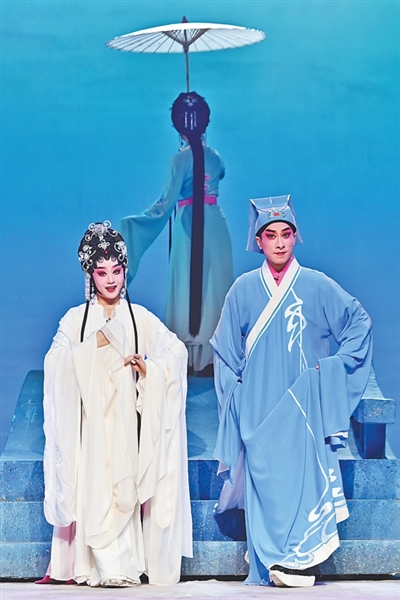
青春版昆曲《牡丹亭》

Search documents
一堂昆曲课
Xin Lang Cai Jing· 2026-02-06 06:35
Group 1 - The article highlights the successful integration of traditional Chinese opera with modern aesthetics, particularly through the efforts of figures like Bai Xianyong and Zhang Jun, which has attracted a younger audience [1][2] - Zhang Jun, as the principal of the Shanghai Theatre Academy's affiliated opera school, plays a crucial role in nurturing new talent and revitalizing traditional opera forms [1] - The immersive and interactive approach taken during the "From Kunqu to Peking Opera" event demonstrates a shift towards engaging younger audiences, making traditional art forms more accessible and enjoyable [1][2] Group 2 - The ongoing popularity of traditional opera, such as the youth-driven trend in Yue Opera led by Chen Lijun and Li Yunxiao, indicates that classic art forms can evolve while retaining their core essence [2] - The article emphasizes that traditional opera is not outdated; rather, it can resonate with modern sensibilities when presented in innovative ways [2][3] - The connection between traditional opera and contemporary audiences is closer than perceived, as both share a fundamental pursuit of beauty and emotional resonance [3]
“约饭不如约戏”,留住年轻人更需好戏连台
Xin Lang Cai Jing· 2025-12-21 18:36
Core Insights - The trend of young audiences attending theatrical performances is on the rise, with over 23% of ticket buyers for immersive performances, musicals, and stand-up comedy being from the post-2000 generation [1] - Young adults aged 25-29 have become the main audience for comedy and suspense plays, indicating a shift in cultural consumption patterns [1] Group 1 - The phrase "dragging a suitcase to see a show" reflects a cultural awakening among young people, emphasizing that cultural transmission relies on quality performances to connect with the public [1] - Concerns about traditional arts being overshadowed by fast-paced modern life are unfounded, as the real issue lies in the insufficient supply of quality cultural offerings [1] - Young audiences are not merely interested in the act of watching plays but are drawn to the emotional resonance, cultural depth, and spiritual strength embedded in the works [1] Group 2 - The shift from "dining out" to "seeing a show" signifies a transformation in lifestyle and a subtle display of cultural confidence among young people [2] - The success of cultural transmission depends on the continuous production of high-quality works that resonate with contemporary audiences, fostering a positive cycle of cultural engagement [2] - The enthusiasm for attending performances suggests that genuine artistic creation, rather than forced adaptation, is key to attracting young audiences and revitalizing cultural heritage [2]
剧场何以“圈粉”年轻人
Xin Lang Cai Jing· 2025-12-21 01:12
Core Insights - The theater industry is increasingly attracting young audiences, with a significant rise in attendance from the post-90s and post-00s generations, who now represent a substantial portion of theatergoers [1][2]. Group 1: Audience Engagement - Young audiences are actively engaging with theater, as evidenced by their participation in discussions and social media interactions surrounding performances [1]. - The report from the China Performance Industry Association indicates that over 23% of ticket buyers for immersive performances, musicals, and stand-up comedies are from the post-00s demographic [1]. Group 2: Emotional Connection - The theater serves as an emotional outlet for young people, allowing them to resonate with performances that reflect their life experiences and challenges [2]. - Comedic performances in particular provide a platform for young audiences to laugh at their own struggles, alleviating stress and fostering a sense of community [2]. Group 3: Innovative Content - Traditional art forms are being revitalized to appeal to younger audiences, with innovative adaptations of classic works attracting significant attendance, such as the youth-oriented Yue opera "My Grand View Garden," which had 98% of its audience under 30 [2]. - The integration of contemporary aesthetics and narratives into traditional performances is crucial for engaging young viewers, as it aligns with their cultural preferences [2]. Group 4: Accessibility and Opportunities - The theater industry is making efforts to remain accessible to young audiences through initiatives like student tickets and community outreach programs, ensuring that the doors of theaters are open to them [3]. - The emergence of flexible small theater formats and diverse theater festivals provides young enthusiasts with a variety of options to explore [3].
剧场何以“圈粉”年轻人?
Xin Lang Cai Jing· 2025-12-21 01:12
Core Insights - The theater industry is successfully attracting a growing number of young audiences, particularly those from the post-90s and post-00s generations, who are becoming the mainstream viewers of performances [1][2] Group 1: Audience Engagement - Young audiences are increasingly participating in theater, with over 23% of ticket buyers for immersive performances, musicals, and stand-up comedy being from the post-00s demographic [1] - The trend of young people viewing theater as a social activity is rising, with phrases like "dragging a suitcase to see a play" and "dining out is less appealing than going to the theater" becoming popular among this demographic [1] Group 2: Emotional Connection - The theater serves as an emotional outlet for young people, allowing them to resonate with performances that reflect their life challenges, such as workplace and family issues, through humor and relatable content [2] - Productions that address the existential concerns and emotional states of young audiences are gaining traction, with genuine expressions triggering a sense of connection [2] Group 3: Innovation in Traditional Arts - Traditional Chinese operas are revitalizing their appeal to younger audiences by incorporating innovative elements, with productions like the youth version of "My Grand View Garden" attracting 98% young viewers [2] - The integration of contemporary aesthetics in stage design and storytelling, along with the involvement of young actors, is essential for engaging the youth demographic [2] Group 4: Accessibility and Opportunities - The theater industry is making efforts to remain accessible to young audiences through student tickets and public welfare performances, ensuring that the doors of theaters are always open to them [3] - The increasing variety of theater offerings, including flexible small theater formats and diverse drama festivals, provides young enthusiasts with more choices [3]
剧场何以“圈粉”年轻人(青年观)
Ren Min Ri Bao· 2025-12-20 22:09
Core Insights - The theater industry is successfully attracting a younger audience, particularly those born in the 1990s and 2000s, as evidenced by the popularity of classic plays like "Teahouse" and the increasing attendance of young viewers at various performances [1][2] Group 1: Audience Engagement - The report from the China Performance Industry Association indicates that over 23% of ticket buyers for immersive performances, musicals, and stand-up comedies are from the post-2000 generation [1] - Young adults aged 25-29 have become the primary audience for comedy and suspense plays, indicating a shift in demographic engagement within the theater [1] - Social media platforms are being utilized by young audiences to share their theater experiences, leading to a new form of social interaction centered around theater attendance [1] Group 2: Emotional Connection and Content - The theater is leveraging emotional value as a key driver for consumption, providing a space for young people to express their emotions and find resonance with their experiences [2] - Performances often address the challenges faced by young adults in their personal and professional lives, creating a relatable atmosphere that fosters laughter and alleviates stress [2] - The emergence of innovative traditional performances, such as youth-oriented adaptations of classic operas, has successfully captured the interest of younger audiences, with 98% of attendees for the premiere of "My Grand View Garden" being young viewers [2] Group 3: Accessibility and Opportunities - The theater industry is making efforts to remain accessible to young audiences through initiatives like student tickets and public welfare performances, ensuring that the doors of the theater are always open to them [3] - The combination of diverse theater formats and rich drama festivals provides young theater enthusiasts with a variety of choices, enhancing their engagement with the art form [3] - The ongoing dialogue between traditional arts and contemporary youth culture is fostering a vibrant theater scene that continuously attracts younger generations [3]
新华网文化观察丨破圈融合:传统戏曲的青春进行时
Xin Hua Wang· 2025-09-11 08:47
Core Viewpoint - Traditional Chinese opera is embracing modern elements and innovative expressions, leading to a resurgence of interest among younger audiences [2][4][6] Group 1: Innovation in Traditional Opera - The collaboration between Chongqing Sichuan Opera and the Unqi Dance Troupe resulted in a unique performance titled "Yao Bu Dao Tai," blending Sichuan opera with street dance and local dialect rap [3] - Various traditional opera forms are borrowing from each other, creating new artistic effects, such as the integration of Sichuan opera's "face-changing" technique in the Wuju opera "Three Strikes of the White Bone Spirit" [4] - Original works like the modern narrative of "Late Blooming Mountain Dan Dan" retain traditional elements while innovating in storytelling and presentation [4][5] Group 2: Youth Engagement and Development - A new generation of actors, particularly those born in the 1990s and 2000s, is emerging in the traditional opera scene, as seen in performances like the youth version of "Peony Pavilion" featuring a cast of students with an average age under 22 [6][9] - Young performers are increasingly integrating contemporary themes and popular culture into traditional performances, making them more relatable to younger audiences [9][10] Group 3: Technological Integration - The integration of digital technology is enhancing audience engagement, transforming the experience from passive viewing to interactive participation [11][12] - Innovative uses of technology, such as AR and AI, are being employed to preserve and revitalize traditional opera, making it more accessible and appealing to modern audiences [12][13]



致敬跨越时代的华人贡献(侨界关注)
Ren Min Ri Bao Hai Wai Ban· 2025-07-27 22:47
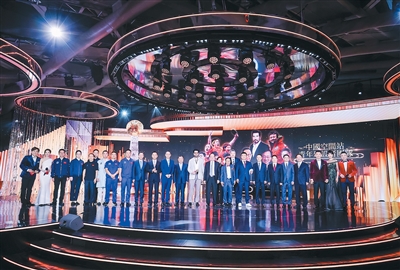
Core Viewpoint - The 17th "Influencing the World Chinese Ceremony" celebrated the achievements of Chinese individuals in various fields, highlighting their contributions to technology, culture, sports, and space exploration, embodying the spirit of resilience, unity, and openness among the global Chinese community [1][2][3]. Group 1: Awards and Recognitions - Turing Award winner Yao Qizhi received the "Lifetime Achievement Award," emphasizing his significant contributions to computer science and his role in nurturing talent in China [2]. - The "Influencing the World Chinese Award" was presented to notable figures including Chen Qingquan, Fei Xiang, and the Chinese space station youth construction team, showcasing their dedication and impact in their respective fields [1][3]. Group 2: Contributions to Technology and Culture - Chen Qingquan, recognized as the "Father of Electric Vehicles in Asia," led efforts in electric vehicle technology, contributing to China’s dominance in the global electric vehicle market, which now accounts for over 50% of global production and has a total ownership exceeding 30 million vehicles [3][7]. - Writer Bai Xianyong revitalized Kunqu opera, performing over 541 shows in 10 countries, with 75% of the audience being young people, reflecting the successful transmission of Chinese culture [7][8]. Group 3: Youth and Future of Chinese Space Exploration - The average age of the Chinese space station youth construction team is under 30, highlighting the involvement of young talent in critical space missions, including the assembly of key experimental modules [4][5]. - Yang Liwei, a prominent figure in Chinese space exploration, emphasized the importance of youth in the future of China's space endeavors, showcasing the generational continuity in this field [5]. Group 4: Sports and Community Engagement - The Chinese table tennis team's coach, Li Sun, emphasized the collective effort behind their success, supported by dedicated fans like 83-year-old Li Grandma, who documented matches for 38 years, illustrating the deep connection between athletes and their supporters [6]. - Xu Jinkun, the first Chinese sailor to complete the Vendée Globe, showcased the spirit of adventure and determination, aiming to inspire future generations in maritime pursuits [8].
不断更新的艺术生命力(艺文观察)
Ren Min Ri Bao· 2025-07-17 22:02
Core Insights - The "登临计划——首届中国戏剧经典保留剧目展演季" showcases the vitality of classic Chinese dramas through modern interpretations, featuring renowned works like "牡丹亭," "白蛇传," "陈三五娘," and "赵氏孤儿" [2][5] - The adaptations focus on contemporary themes and aesthetics, making traditional narratives resonate with modern audiences, particularly the youth [3][4] Group 1: Performance Highlights - The performances include various artistic styles, with the Cantonese opera "白蛇传·情" emphasizing emotional relationships relevant to contemporary youth [2] - The Kunqu opera "牡丹亭" retains the essence of its literary original while incorporating modern aesthetic elements, contributing to its popularity among young audiences [3] - The traditional drama "陈三五娘" and the Chaozhou opera "益春" reflect the enduring artistic value and wisdom of lower-class characters [4] Group 2: Academic Discussions - The seminar "戏里戏外话经典" explores the historical evolution and contemporary interpretations of the featured classic dramas, emphasizing the need for both adherence to tradition and innovative approaches [5] - Experts highlight the importance of dramatic narrative and fundamental human values in creating timeless classic works, which can be adapted across different theatrical forms [5] - The discussion also addresses the balance between respecting traditional elements and integrating modern sensibilities in adaptations, as noted by various scholars and artists [5] Group 3: Exhibition Insights - The exhibition "经典的诞生——中国戏剧经典保留剧目文献" showcases the historical significance of classic Chinese dramas through various artifacts, illustrating their ability to reflect and engage with contemporary issues [6] - The combination of ideological depth and artistic creativity in classic dramas contributes to their enduring relevance and adaptability across generations [6]