风能技术

Search documents
特朗普政府将“国家可再生能源实验室”名称中的“可再生”一词移除
Xin Lang Cai Jing· 2025-12-02 15:33
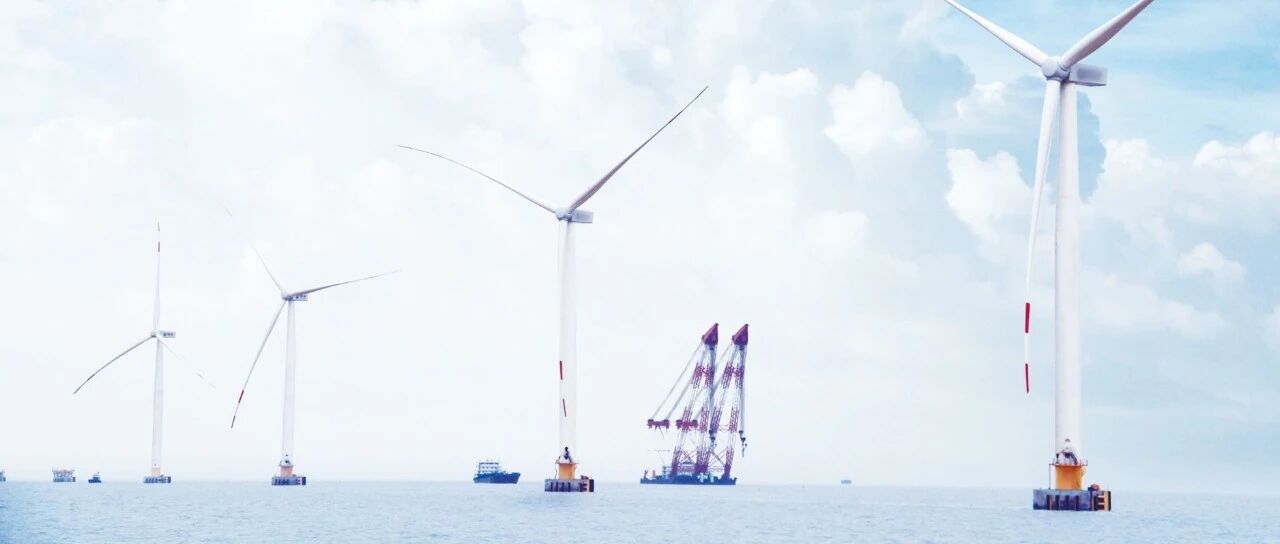
该实验室主任贾德・弗登表示:"数十年来,本实验室凭借其科研实力,不断突破技术边界,为国家发 展做出了重要贡献。新名称体现了能源部赋予我们的更广泛应用能源使命,即通过努力为所有人打造更 经济、更安全的能源未来。" 包括科罗拉多州联邦参议员迈克尔・贝内特在内的民主党人承诺,即便实验室更名,也将确保其继续在 低碳能源领域开展开创性研究工作。 特朗普政府正将 "国家可再生能源实验室"(National Renewable Energy Laboratory)更名为 "落基山国家 实验室"(National Laboratory of the Rockies)。这是该政府为重新定义与清洁能源相关的联邦机构属性 而采取的最新举措。 贝内特在一份声明中称:"特朗普总统'钻吧,宝贝,钻吧'(Drill Baby Drill)的口号,永远无法解决美 国面临的最复杂能源挑战。" 责任编辑:郭明煜 这家位于科罗拉多州戈尔登市的实验室隶属于美国能源部,是该部门管理的 17 个国家实验室之一。据 其官网介绍,该实验室长期致力于可再生能源与能源效率领域的研究、开发、商业化及推广应用,曾在 太阳能电池效率提升与风能技术创新方面发挥引领作用 ...
路甬祥:科技驱动新质生产力,促进绿色可持续发展
中国能源报· 2025-12-01 10:23
Group 1: Core Concepts - The article emphasizes the importance of new productive forces driven by technology, which enhances global production efficiency while promoting green and sustainable development [1][3] - The 20th National Congress of the Communist Party of China calls for accelerating high-level technological self-reliance to lead the development of new productive forces [3] Group 2: Green Intelligent Manufacturing - Green intelligent manufacturing integrates environmental protection and sustainable development throughout the manufacturing process, improving production efficiency and product quality while reducing resource consumption and pollution [5] - This system employs energy-efficient equipment and optimized processes to minimize waste, with real-time monitoring to prevent excessive energy consumption and reduce defective products [5][6] - The use of recyclable or biodegradable materials is encouraged to alleviate long-term environmental burdens, with some companies adopting renewable plant fibers or recycled plastics [5] Group 3: Supply Chain Management - Green intelligent manufacturing includes the green management of supply chains, assessing and reducing environmental impacts at every stage from raw material procurement to waste disposal [6] - Companies can lower carbon footprints by selecting local suppliers, using eco-friendly packaging, and designing products for easy disassembly and recycling [6] Group 4: Employee Engagement - Successful implementation of green intelligent manufacturing relies on employee engagement, necessitating systematic training to enhance environmental awareness and skills [7] - Continuous education fosters recognition of the importance of green manufacturing and encourages proactive environmental measures among employees [7] Group 5: Renewable Energy Technologies - Green renewable energy technologies aim to reduce pollution and greenhouse gas emissions, including solar, wind, hydro, geothermal, and biomass energy [8][9] - Solar energy technologies encompass photovoltaic and solar thermal systems, while wind energy utilizes turbines to convert wind energy into electricity [9] - Hydropower, geothermal energy, and biomass energy also play significant roles in transitioning to a sustainable energy structure [10] Group 6: Green Transportation Technologies - Green transportation technologies significantly reduce environmental impacts, including electric vehicles (EVs) and hydrogen fuel cell vehicles (FCEVs), which minimize greenhouse gas emissions [11][12] - Public transportation benefits from green technologies, such as natural gas buses and electric buses, which lower pollutant emissions compared to traditional diesel vehicles [13] - Intelligent transportation systems enhance traffic management, reducing congestion and carbon emissions through real-time monitoring and optimization [14] Group 7: Green Data Technologies - Green data technologies focus on minimizing energy consumption and carbon emissions throughout the data lifecycle, supporting the development of smart cities [15][16] - Applications of green data include traffic management, energy management, and environmental monitoring, contributing to overall urban sustainability [17] - Challenges include the increasing demand for data storage and processing, which raises energy consumption concerns, and the high costs associated with developing green data technologies [18]

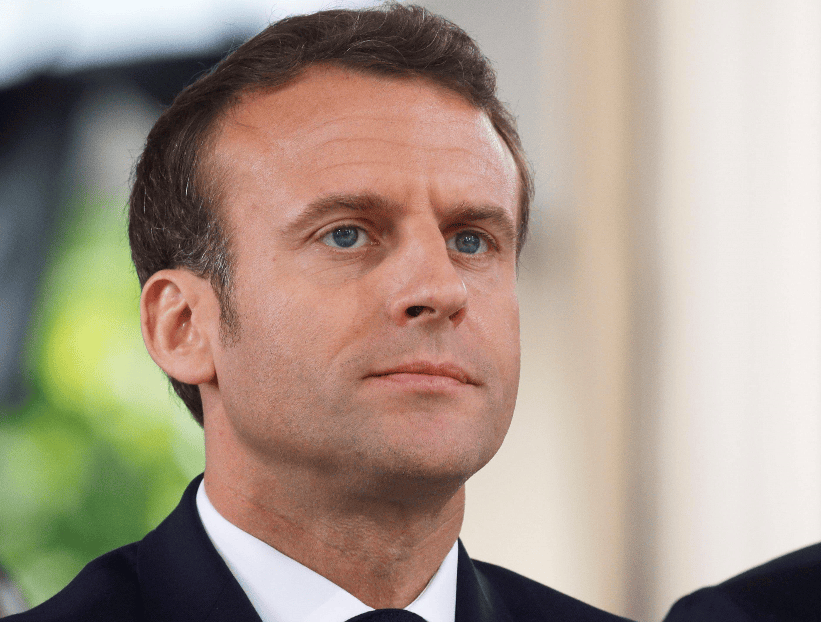
中方还没走,欧盟就收到美国罚单,马克龙连提四个请求,事情不简单
Sou Hu Cai Jing· 2025-07-08 10:59
Group 1 - The article highlights the escalation of trade tensions between the US and the EU, with the US threatening a 17% tariff on EU agricultural exports, which could severely impact major agricultural exporting countries like France and the Netherlands [1][3] - The ongoing trade disputes have seen the US impose various tariffs on the EU, including a 20% "reciprocal tariff," 25% "automobile tax," and 25% "steel and aluminum tax," leading to significant disruptions in EU industries and affecting profits and market shares [3] - French President Macron has expressed the need for stronger coordination with China on international economic and financial policies, especially in light of global challenges such as economic recovery, climate crisis, and public health issues [3][4] Group 2 - Despite progress in Sino-French economic cooperation, there remain imbalances in certain sectors, prompting Macron to seek increased Chinese investment in France to foster a more balanced economic relationship [4] - The EU faces challenges in forming a unified response to US trade threats due to the diverse interests of its member states and complex decision-making processes [5] - There are existing tensions in EU-China relations, including disputes over electric vehicle tariffs and China's policies on rare earth exports, alongside recent anti-dumping measures imposed by China on EU products [5][8] Group 3 - The article emphasizes the potential for cooperation between China and the EU in areas such as green energy, digital economy, and technological innovation, which could enhance global technological development [5] - China maintains a principle of peaceful coexistence and mutual benefit in its relations with the EU, advocating for the removal of unreasonable sanctions to foster a conducive environment for cooperation [8]