首台(套)重大技术装备保险

Search documents
申万宏源杨成长:未来产业面临“三突破三风险”,资本市场要创新服务模式
第一财经· 2026-03-05 13:07
全国政协委员、申万宏源研究首席经济学家杨成长对第一财经称,近年来,我国传统产业、新兴产业 和未来产业在产业时态上呈现相互转化态势,未来产业作为引领技术突破的重要风向标,是资本市场 服务新质生产力的重要组成部分。 "资本市场要积极推进金融服务与科技服务相融合,着力解决未来产业发展面临的技术风险共担、技 术风险评价及技术成果产业转化等难题。"杨成长称。 2026.03. 05 本文字数:2037,阅读时长大约4分钟 作者 | 第一财 经 黄思瑜 2026年政府工作报告提出,培育壮大新兴产业和未来产业。建立未来产业投入增长和风险分担机 制,培育发展未来能源、量子科技、具身智能、脑机接口、6G等未来产业。 在杨成长看来,未来产业发展呈现出明显的"三突破"和"三风险"特征。"三突破"指的是共性技术突 破、市场空间突破和产业引领突破;"三风险"指的是技术路径可行性的风险、技术产业化的风险、市 场需求场景化落地的风险。 他具体分析称,在技术研发上,未来产业注重从单点创新向通用技术攻关的转型,以量子计算、大模 型、智能体为代表的共性技术一旦发展成熟,将在多个行业引发连锁创新和生产率的跃迁;在市场空 间上,未来产业跳出了现有产 ...



湖南金融“二十条”支持“三个高地”建设
Xin Lang Cai Jing· 2026-02-26 19:41
Core Viewpoint - The Hunan Financial Regulatory Bureau has introduced measures to support the construction of three key highlands in Hunan, focusing on advanced manufacturing, technological innovation, and inland reform and opening-up [1][2]. Group 1: Support for Advanced Manufacturing - The initiative aims to establish a dedicated financial service system for the industrial chain, aligning financial resources with the industrial map [1]. - There is a strong emphasis on supporting the development of small and medium-sized enterprises (SMEs) and private enterprises through credit loans and medium to long-term financing [1]. - The plan includes expanding insurance coverage for major technological equipment and the first application of key new materials [1]. Group 2: Support for Technological Innovation - The measures encourage a combination of loans and external direct investment, focusing on early-stage, small, long-term, and hard technology investments [1]. - There is a push to enhance financing mechanisms related to intellectual property pledges, knowledge value loans, and commercial value credit loans [1]. - The initiative aims to strengthen financial services for innovative and entrepreneurial talent, creating a composite technology finance team [1]. Group 3: Support for Inland Reform and Opening-Up - The plan includes innovative financial services for non-economic and trade cooperation, supporting the establishment of specialized branches for non-trade [2]. - It encourages the development of free trade zones and international logistics channels, customizing financial products based on specific functional positioning [2]. - The measures aim to expand the coverage of export credit insurance and promote domestic and international dual circulation through investment and consumption [2].
利好科创!深圳重要发布
Zhong Guo Zheng Quan Bao· 2026-01-22 08:13
Core Viewpoint - The Shenzhen Municipal Financial Management Bureau has solicited public opinions on the "Action Plan for the Insurance Industry to Support Technological Innovation and Industrial Development (2026-2028)", which sets quantitative goals for insurance in technology and emerging industries [1] Group 1: Quantitative Goals - The plan aims for an annual growth rate of over 10% in technology insurance premium income, providing risk protection exceeding 5 trillion yuan for tech companies each year [1] - It targets the launch of at least 30 innovative insurance products annually in emerging industries such as low-altitude economy and artificial intelligence [1] - The total assets of insurance entities in Shenzhen are expected to exceed 11 trillion yuan, with total premium income in the region surpassing 700 billion yuan over three years [1] Group 2: Focus Areas and Support Measures - The plan emphasizes the development of technology insurance, encouraging insurance institutions to research and innovate products in cutting-edge fields like humanoid robots, quantum technology, and commercial aerospace [2] - It proposes the development of specialized insurance products such as major technology equipment insurance, intellectual property insurance, and cybersecurity insurance to precisely serve the real economy and technological innovation [2] - In the realm of artificial intelligence, the plan encourages the establishment of AI insurance innovation centers and the development of comprehensive insurance solutions covering various risk layers [2] Group 3: Sector-Specific Insurance Development - For the biopharmaceutical industry, the plan suggests expanding insurance products to support R&D in pharmaceuticals and medical devices, including liability insurance for clinical trials [3] - It aims to accelerate the development of low-altitude insurance, including mandatory insurance for drones and the establishment of a classification management system [3] - The plan encourages insurance institutions to adapt to the trends of smart driving and collaborate with developers to refine insurance products for intelligent vehicles [3] Group 4: Cross-Border Cooperation and Support - The plan supports cooperation between Shenzhen and Hong Kong insurance institutions to develop medical and pension insurance products tailored to the Greater Bay Area [4] - It promotes the use of trade risk avoidance tools for cross-border e-commerce enterprises and encourages domestic insurance companies to optimize their overseas operations [4] Group 5: Strengthening Insurance Institutions - The plan supports the establishment of legal headquarters for financial enterprises in Shenzhen and encourages both domestic and foreign insurance institutions to set up subsidiaries in various sectors [5] Group 6: Service Improvement and Performance Metrics - The plan emphasizes enhancing underwriting and claims service levels, utilizing advanced technologies to improve efficiency and accuracy in insurance processes [6] - Data shows that Shenzhen's insurance premium income reached 179.74 billion yuan in the first three quarters of 2025, with a year-on-year growth of 12.8%, leading among first-tier cities [6] - As of September, the total assets of insurance entities in Shenzhen reached 9.1 trillion yuan, with a year-on-year growth of 22%, and net profits of 61 billion yuan, reflecting a growth rate of 15.5% [6]
广东:鼓励在粤保险机构设置科技保险专营部门、专营团队,培养专业人才
Bei Jing Shang Bao· 2026-01-06 03:08
Core Viewpoint - The Guangdong Financial Regulatory Bureau has issued guidelines to support the high-quality development of the insurance industry, aiming to enhance its role in the modernization of China and the construction of the Guangdong-Hong Kong-Macao Greater Bay Area [1] Group 1: Development of Insurance Products - The guidelines emphasize the development of insurance products and services that cater to technological innovation, focusing on key industries such as loss of research and development, equipment loss, patent protection, and cybersecurity [1] - Insurance institutions are encouraged to create a comprehensive product and service system that covers the entire lifecycle of technology-based enterprises, including production, research and development, and the transformation of technological achievements [1] - Specific insurance products are to be developed for major technological equipment, new materials, and various medical and pharmaceutical innovations, including clinical trial liability insurance and product liability insurance for innovative drugs and medical devices [1] Group 2: Enhancing Risk Protection - The guidelines propose enhancing the overall risk protection level for technology through the establishment of co-insurance and reinsurance mechanisms, particularly for areas lacking historical data and with significant potential losses [2] - Financial institutions are urged to focus on key areas and improve product and service innovation mechanisms, as well as incentive policies [2] - Insurance companies are encouraged to innovate in pricing, underwriting, claims adjustment, and risk control, while also enhancing market-based assessment and claims mechanisms for technology risks [2] Group 3: Supporting Technology Transfer - The guidelines call for insurance institutions to support the transformation of technological achievements and to strengthen services for the international technology innovation center in the Greater Bay Area [3] - A mechanism for information sharing among departments is to be established to better match the insurance needs of technology enterprises [3] - Insurance institutions in Guangdong are encouraged to set up specialized departments and teams for technology insurance, cultivate professional talent, and optimize assessment and incentive mechanisms [3]
保险业确立数字金融“双轮驱动”新航标
Jin Rong Shi Bao· 2025-12-31 01:54
Core Viewpoint - The implementation plan for high-quality development of digital finance in the banking and insurance sectors emphasizes a dual-driven approach of digital technology and data elements, aiming to enhance the integration of the insurance industry into the real economy and national strategies [1][2]. Group 1: Digital Financial Development Goals - The plan outlines major goals for the insurance industry's digital financial development over the next five years, focusing on significant progress in digital transformation and the enhancement of capabilities driven by digital technology and data elements [2]. - It encourages the exploration of innovative applications of digital technology and data elements, aiming to improve financial service quality in key areas such as technology, green finance, inclusive finance, and elderly care [2]. Group 2: Organizational Structure and Governance - The plan prioritizes establishing a robust governance mechanism for digital finance, requiring insurance institutions to strengthen top-level design and build a digital operation system [3]. - It mandates the formation of leadership groups or committees responsible for digital finance, emphasizing the need for unified metrics that align digitalization with business growth and service quality [3]. Group 3: Risk Management and Service Integration - The plan identifies eight key areas for digital financial empowerment, highlighting the evolution of insurance from post-event compensation to risk reduction and insurance protection [4][5]. - It proposes the development of insurance products that provide risk coverage for technology enterprises, focusing on network security and data asset risks, thereby opening new opportunities for the insurance sector [4]. Group 4: Enhancing Financial Services - The plan calls for the development of personalized digital financial products to improve financial services in healthcare and elderly care, while addressing the digital divide [6]. - It emphasizes the importance of data collaboration between insurance institutions and healthcare providers to enhance consumer experience and compliance with data protection regulations [6]. Group 5: Support for Rural Revitalization - The plan encourages the use of IoT and AI technologies to broaden the scope of agricultural insurance products, enhancing efficiency in loss assessment and reducing moral hazard [6]. - It aims to integrate remote sensing and mobile internet data into agricultural insurance, thereby improving the overall risk management capabilities of the insurance industry [6].
精耕细作金融“五篇大文章” 保险业交出高质量答卷
Jin Rong Shi Bao· 2025-12-17 04:27
Core Insights - 2025 is a pivotal year for the implementation of the financial "five major articles," with continuous policy dividends and deep integration of industry innovation practices, enhancing the quality and efficiency of financial services to the real economy [1] - The insurance industry plays a crucial role as an economic stabilizer and social stabilizer, focusing on key areas such as technology finance, inclusive finance, and green finance, thereby achieving dual improvements in scale and quality, as well as service and innovation [1] Policy Support - Multiple favorable policies are being released to facilitate the implementation of financial services, including the issuance of the "Guiding Opinions" by the State Council in March, which emphasizes the need to enrich technology insurance products and provide comprehensive financial services for technology enterprises [4] - In April, the regulatory authorities released an implementation plan for high-quality development of technology finance, encouraging insurance companies to develop insurance products covering the entire process of technological innovation activities [4] - In May, several departments proposed policies to support insurance funds in participating in equity investments and venture capital, promoting long-term investment reforms [4] Technological Innovation in Insurance - The insurance industry is focusing on developing a comprehensive risk protection network for technology innovation, launching innovative products tailored to the needs of high-risk technology sectors such as integrated circuits, biomedicine, and artificial intelligence [5] - By the third quarter of 2025, the premium income from technology insurance in China increased by 30% year-on-year, significantly outpacing the industry average, making it a core growth driver for financial services in technology innovation [5] Inclusive Insurance Development - The insurance industry is enhancing its inclusive insurance offerings to better serve small and micro enterprises, rural revitalization, and vulnerable groups, translating policy dividends into tangible benefits for the public [10] - Specific initiatives include the introduction of tailored insurance products for high-risk occupations and the development of low-threshold, affordable insurance products to meet the needs of the elderly and other vulnerable groups [11][12] Green Insurance Initiatives - The insurance industry is actively promoting green insurance and investment to support the comprehensive green transformation of the economy and society, with a focus on developing targeted risk protection solutions and enhancing the green insurance system [13] - As of mid-2025, insurance funds have invested significantly in green projects, with over 1.38 trillion yuan in debt investments and more than 700 billion yuan in equity investments directed towards green industries [14]
保险业迎“十五五”战略机遇期
Jin Rong Shi Bao· 2025-11-26 02:25
Core Viewpoint - The insurance industry is positioned to play a crucial role in supporting China's modernization through technological innovation, particularly in addressing aging population challenges and enhancing risk management capabilities [1][12]. Group 1: Role of Insurance in Technological Modernization - The "15th Five-Year Plan" emphasizes the transition of the insurance industry from a "passive risk bearer" to an "active risk governance and innovation partner" [1][3]. - Insurance is expected to serve as a "stabilizer" for risks, providing tailored technology insurance products to mitigate uncertainties in innovation activities [2]. - The industry should act as a "provider of patient capital," investing in strategic technology sectors through equity and bond investments [2]. - Insurance can function as a "connector" within the industrial ecosystem, facilitating the flow of knowledge, technology, and capital, especially in the aging sector [2]. Group 2: Upgrades in Insurance Services - The insurance service model will evolve from "post-event compensation" to "pre-event risk control and in-process reduction," utilizing big data and IoT for deeper involvement in R&D and production [3]. - There will be a shift from "standard products" to "deeply customized solutions," addressing unique risks in specific industries like integrated circuits and biomedicine [3]. - The focus will move from "single-point protection" to "systemic collaboration," embedding insurance services within the industrial and innovation chains [3]. Group 3: Challenges and Solutions in Technology Insurance - Current technology insurance products have limitations in coverage breadth and service effectiveness, particularly in pricing and innovation lagging behind technological advancements [4][5]. - A multi-layered risk governance and incentive system is needed to address the challenges of "reluctance to use" insurance products [6]. - Recommendations include establishing risk compensation pools, shifting focus from claims to risk control, and exploring integrated solutions combining insurance with financing [6][8]. Group 4: Policy Support for Insurance Innovation - A robust policy support system is essential for stimulating the insurance industry's contribution to technological modernization, including targeted subsidies and tax incentives for innovative insurance products [7][8]. - Establishing national and regional risk compensation funds can help mitigate excessive claims in technology insurance [8]. - Encouraging insurance funds to support technology innovation through optimized regulatory policies and the establishment of specialized venture capital funds is crucial [8]. Group 5: Impact of AI on Insurance - The "AI+" initiative presents opportunities for the insurance industry to develop new products for emerging risks associated with AI, such as model liability and algorithmic discrimination [9][10]. - AI can transform operational models in insurance, enhancing risk assessment and management through the integration of diverse data sources [11]. - The industry must balance data ethics and algorithm governance while leveraging AI for improved service delivery and risk management [11]. Group 6: Market Performance and Growth - By the end of 2024, the insurance industry is projected to provide approximately 9 trillion yuan in technology insurance coverage, with a significant increase in premium income [13]. - The investment in technology companies by insurance funds has exceeded 600 billion yuan, reflecting a growing commitment to supporting innovation [13]. - The premium income from technology insurance has seen a year-on-year growth of 30%, significantly outpacing the industry average [13].
加强科技型企业全生命周期金融服务
Ren Min Ri Bao· 2025-10-13 06:28
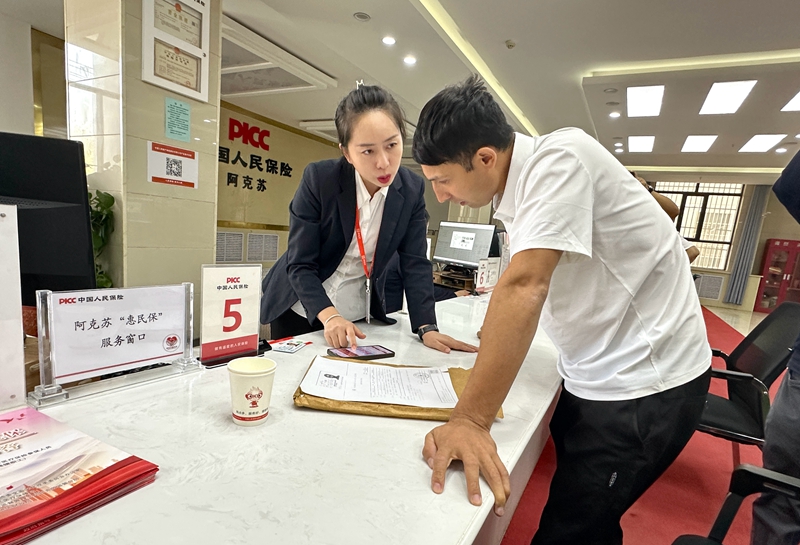
Group 1 - The core viewpoint of the articles emphasizes the importance of the "first set" and "first batch" insurance policies in promoting innovation and reducing risks for manufacturers and buyers in the technology sector [1][2][3] - The implementation of the "first set" major technical equipment insurance compensation policy and the "first batch" new materials insurance compensation is aimed at addressing market promotion challenges faced by innovative products [1][2] - The insurance products are designed to provide compensation for equipment failures and losses, thereby encouraging buyers to adopt new technologies and alleviating post-sale pressures on manufacturers [1][2] Group 2 - Since 2015, China has been implementing the "first set" major technical equipment insurance compensation mechanism, which has been optimized in terms of coverage, premium rates, and application processes to better support the market entry of innovative products [2] - The insurance policies reflect a broader trend of optimizing financial services throughout the lifecycle of technology, with various financial institutions innovating products to support technology companies at different stages of development [2] - There is a growing demand for tailored financial services in the face of rapid technological innovation and the emergence of new industries, highlighting the need for improved risk management and assessment capabilities within the insurance sector [3]
加强科技型企业全生命周期金融服务(记者手记)
Ren Min Ri Bao· 2025-10-12 21:59
Core Viewpoint - The implementation of the "first set" insurance compensation policy aims to promote innovation and alleviate market entry challenges for new technologies and materials, thereby enhancing manufacturers' confidence in research and development [1][2]. Group 1: Policy Implementation - The recent notification by relevant authorities outlines the compensation policy for the first set of major technological equipment insurance and the first batch of new materials insurance, which has garnered attention from business operators [1]. - Since 2015, China has been implementing a compensation mechanism for the first set of major technological equipment insurance, with recent optimizations in coverage, insurance rates, and application processes to better support the market entry of innovative products [2]. Group 2: Financial Support for Innovation - The first set and first batch insurance products are seen as essential components of optimizing financial services throughout the entire lifecycle of technology, supporting various stages from research and development to market promotion [2]. - Financial institutions have been innovating products and increasing support for technology companies, including the introduction of insurance for concept validation and pilot testing, which aids in transitioning technology from laboratory to production [2]. Group 3: Challenges and Recommendations - Despite the acceleration of technological innovation and the emergence of new industries, there are still shortcomings in financial service supply compared to market demand, necessitating improved risk management and assessment capabilities within the insurance industry [3]. - To enhance the effectiveness of technology finance, it is recommended to strengthen policy coordination and data sharing across departments, which would improve the willingness of enterprises to purchase insurance and expand service coverage [3].
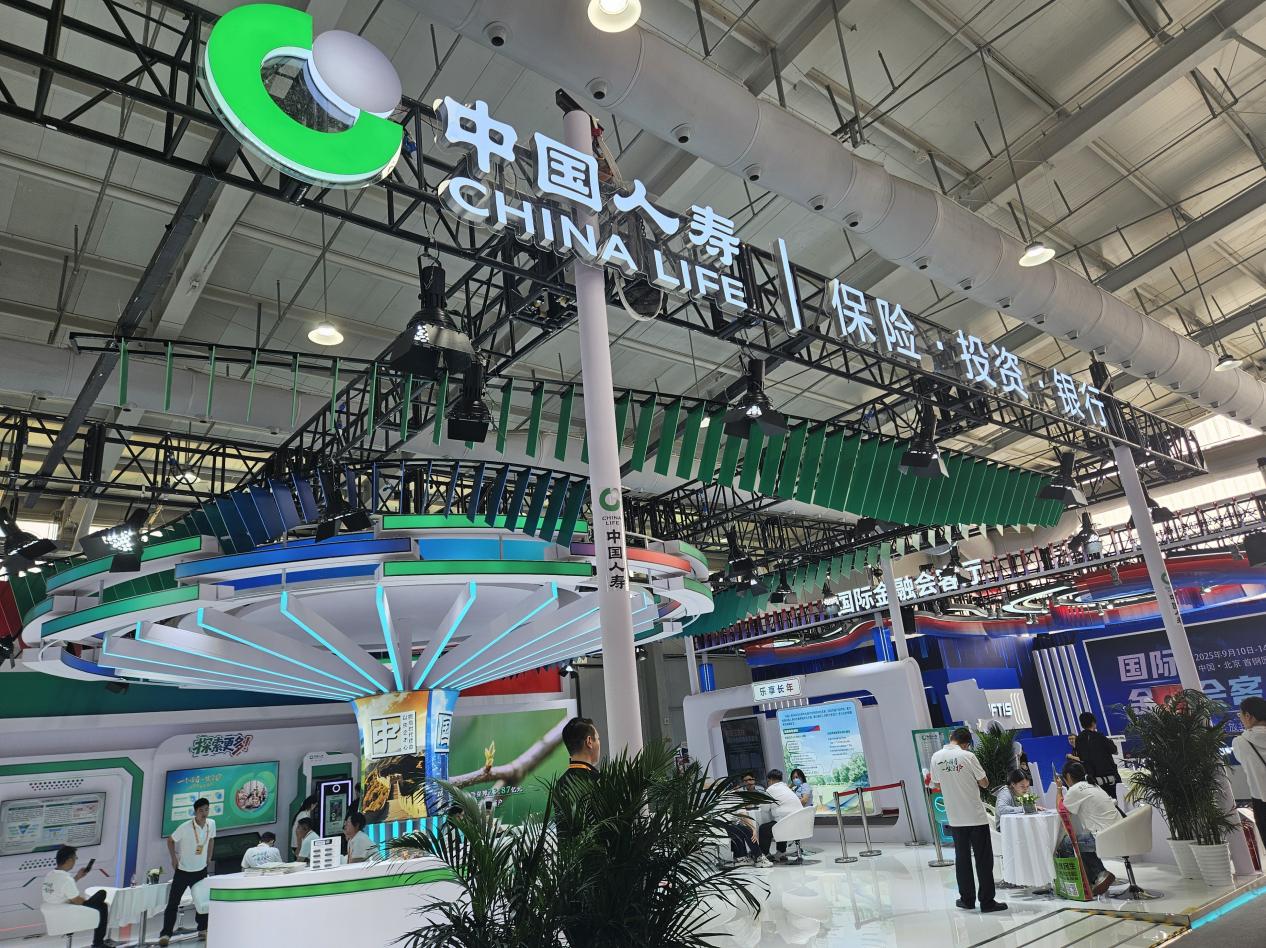
"守护之树"在服贸会扎根 中国人寿全周期服务润泽万家
Zhong Guo Jing Ji Wang· 2025-09-13 06:38
Core Viewpoint - The China Life Insurance Company showcased its commitment to providing comprehensive financial and insurance services at the 2025 China International Service Trade Fair, emphasizing its focus on customer needs and lifecycle protection [1][10]. Group 1: Technology and Digital Finance - China Life is enhancing its technology insurance system, participating in various insurance pilot programs, and launching investment funds aimed at technology enterprises [4]. - The company is advancing digital finance by leveraging AI, big data, and cloud computing to improve product innovation, service optimization, and operational efficiency [4]. Group 2: Green Finance - China Life is committed to green development, offering innovative insurance solutions such as environmental pollution liability insurance and biodiversity protection insurance [4]. - The company integrates green investments into its operations, focusing on supporting clean energy and low-carbon industries [4]. Group 3: Inclusive Finance - China Life is expanding insurance coverage for small and micro enterprises, rural areas, and specific demographic groups, providing over 35 trillion yuan in agricultural risk protection by the end of 2024 [6]. - The company has supported over 2,700 small enterprises through loan guarantee insurance and has launched an asset-backed plan for advanced manufacturing [6]. Group 4: Pension Finance - China Life is developing a unique pension finance ecosystem, managing over 60 billion yuan in basic pension insurance funds and serving 200,000 clients in personal pension business [6]. - The company has opened over 3 million personal pension accounts, contributing to the construction of the third pillar of pension support [6]. Group 5: Interactive Experience - The exhibition features interactive areas such as the "Guoshou Health Competition" game zone, allowing visitors to engage with health management concepts [6]. - Attendees can also experience the convenience of the life insurance app through a simulated operation area [6].