马匹

Search documents
前5个月广东对香港进出口同比增长7.8%
Nan Fang Ri Bao Wang Luo Ban· 2025-06-30 08:02
Core Insights - The trade relationship between Guangdong and Hong Kong has significantly strengthened, with Guangdong's exports and imports to Hong Kong showing substantial growth compared to 1997 levels [1][2] Group 1: Trade Volume and Growth - In 2024, Guangdong's total trade with Hong Kong is projected to reach 1.14 trillion yuan, a 3.1 times increase from 1997, with an average annual growth rate of 5.3% [1] - In the first five months of this year, Guangdong's trade with Hong Kong amounted to 470.77 billion yuan, representing a 7.8% increase year-on-year, outpacing the overall trade growth rate of Guangdong by 3.8 percentage points [1] - Exports to Hong Kong reached 445.28 billion yuan, growing by 6.7%, while imports totaled 25.49 billion yuan, marking a significant increase of 31.1% [1] Group 2: Trade Structure - The structure of trade methods is favorable, with general trade accounting for 28.2% of Guangdong's exports to Hong Kong, showing a growth of 7.8% [1] - Processing trade accounted for 41.4% of the total, with a slight increase of 0.4%, while bonded logistics saw a notable growth of 19.9%, increasing its share to 29.9% [1] Group 3: Market Participants - In the first five months, private enterprises in Guangdong contributed 227.73 billion yuan to trade with Hong Kong, growing by 11.4% and accounting for 48.4% of the total trade [2] - Foreign-invested enterprises recorded 220.29 billion yuan in trade, a growth of 1.2%, while state-owned enterprises contributed 14.68 billion yuan, growing by 2.8% [2] Group 4: Key Export and Import Products - Major export products include electrical and electronic components, with exports of 333.7 billion yuan, representing 74.9% of total exports to Hong Kong, and a growth of 3.7% [2] - Notable growth was observed in exports of electronic components (128.89 billion yuan, +15.7%), computers and parts (67.12 billion yuan, +10.1%), and electrical equipment (21.33 billion yuan, +26.3%) [2] - Key imports from Hong Kong included gold (19.65 billion yuan, +40.3%), consumer goods (2.32 billion yuan, +2.4%), and horses (640 million yuan, with no previous imports recorded) [2]
前5个月广东对香港进出口4707.7亿元
news flash· 2025-06-30 05:27
Core Insights - Guangdong's import and export to Hong Kong reached 1.14 trillion yuan in 2024, a 3.1 times increase since 1997, with an average annual growth rate of 5.3% [1] - In the first five months of this year, Guangdong's trade with Hong Kong amounted to 470.77 billion yuan, a year-on-year increase of 7.8%, outpacing the overall import and export growth of Guangdong by 3.8 percentage points [1] Trade Performance - Exports from Guangdong to Hong Kong totaled 445.28 billion yuan, reflecting a year-on-year growth of 6.7%, while imports were 25.49 billion yuan, showing a significant increase of 31.1% [1] - Guangdong remains the largest trade province for mainland China's trade with Hong Kong, accounting for 50% of the total import and export value [1] - Hong Kong is the second-largest trading partner for Guangdong, representing 12.6% of the province's total trade [1] Trade Structure and Market Dynamics - The structure of trade has improved, with growth observed in general trade, processing trade, and bonded logistics imports and exports [1] - The market participants are stable, with growth in imports and exports from private enterprises, foreign-invested enterprises, and state-owned enterprises [1] Key Export and Import Products - Major export products include electronic components, computers and their parts, and electrical equipment, all showing positive growth in export value [1] - Gold and horses are the primary drivers of Guangdong's imports from Hong Kong, with a significant year-on-year increase in import value [1]
前5月广东自香港进口黄金196.5亿元 同比增超四成
Zhong Guo Xin Wen Wang· 2025-06-29 11:56
Core Insights - Guangdong's imports from Hong Kong reached 196.5 billion yuan in the first five months of the year, marking a year-on-year increase of over 40% [1] - The total import and export volume between Guangdong and Hong Kong in 2024 is projected to be 1.14 trillion yuan, a 3.1 times increase since 1997, with an average annual growth rate of 5.3% [1] - The overall import and export value for Guangdong in the first five months was 4,707.7 billion yuan, a 7.8% increase compared to the same period last year, outpacing the overall growth rate of Guangdong's imports and exports by 3.8 percentage points [1] Import Details - In the first five months, Guangdong's imports from Hong Kong included 196.5 billion yuan of gold, accounting for 77.1% of total imports from Hong Kong, with a growth rate of 40.3% [1] - Other notable imports included consumer goods worth 23.2 billion yuan (up 2.4%) and horses valued at 6.4 billion yuan, which had no recorded imports in the same period last year [1] Export Details - Guangdong's exports to Hong Kong totaled 4,452.8 billion yuan in the first five months, reflecting a growth of 6.7% [2] - Major exports included electromechanical products worth 3,337 billion yuan (up 3.7%), with electronic components at 1,288.9 billion yuan (up 15.7%) and computer parts at 671.2 billion yuan (up 10.1%) [2] - Noteworthy export items also included drones, gaming consoles, and container ships, which saw significant growth rates of 6.5 times, 1.6 times, and 1 time, respectively [2]
马术“卷”进中考赛道
3 6 Ke· 2025-05-29 12:02
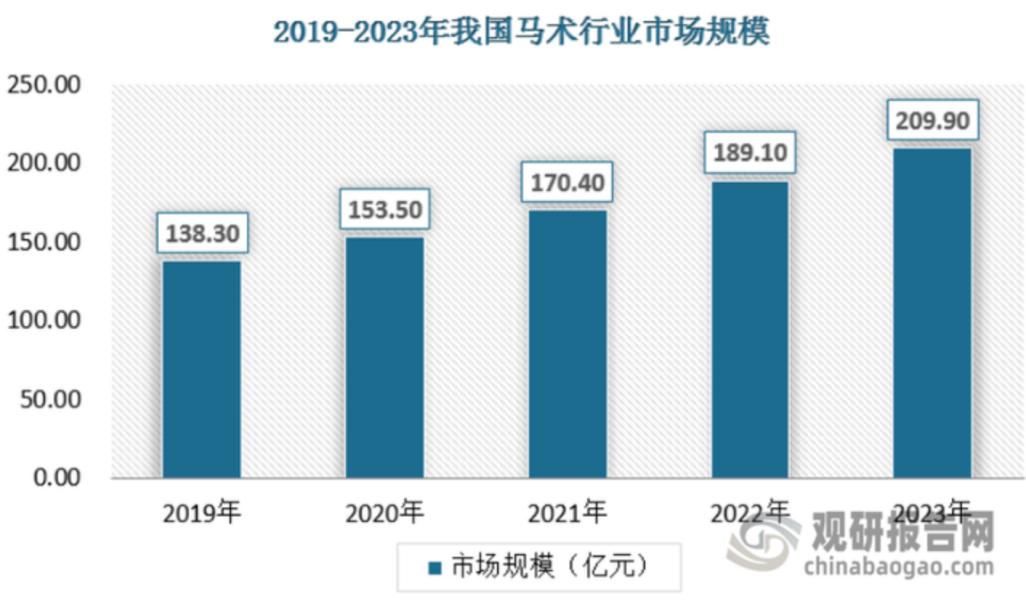
Core Viewpoint - The introduction of equestrian and golf as new special admission programs for high school students in Hangzhou reflects a growing trend towards integrating niche sports into the educational system, highlighting the increasing importance of diverse extracurricular activities in college admissions [1][21]. Group 1: Equestrian as a Niche Sport - Equestrian sports, often considered a "niche aristocratic sport," have gained visibility with the inclusion of equestrian as a special admission category in high schools [2][14]. - The cost of participating in equestrian sports is significant, with basic equipment exceeding 10,000 yuan and competition horses starting at 500,000 yuan, making it financially challenging for average families [2][8][10]. - The market size of the equestrian industry in China reached 20.99 billion yuan in 2023, with over 2,456 equestrian clubs and more than 670,000 members [3]. Group 2: Educational Pathways and Opportunities - Many students with equestrian skills have successfully entered prestigious universities through high-level sports teams, indicating a pathway for academic advancement [2][21]. - The 2025 admissions guidelines for sports training programs allow for reduced academic score requirements for students with certain athletic qualifications, including equestrian [25][21]. - Equestrian training is increasingly seen as a means to enhance a child's competitive profile for college applications, particularly in international contexts [19][20]. Group 3: Economic Implications and Demographics - The primary demographic for equestrian training consists of children from middle to upper-class families, particularly those attending international schools or planning to study abroad [11][19]. - The financial commitment for equestrian training can exceed 1 million yuan annually when considering horse purchase, maintenance, and training costs [8][10][12]. - The trend of integrating niche sports into educational systems is part of a broader movement towards diversifying high school admissions criteria, aiming to reduce the emphasis on standardized test scores [28][29].

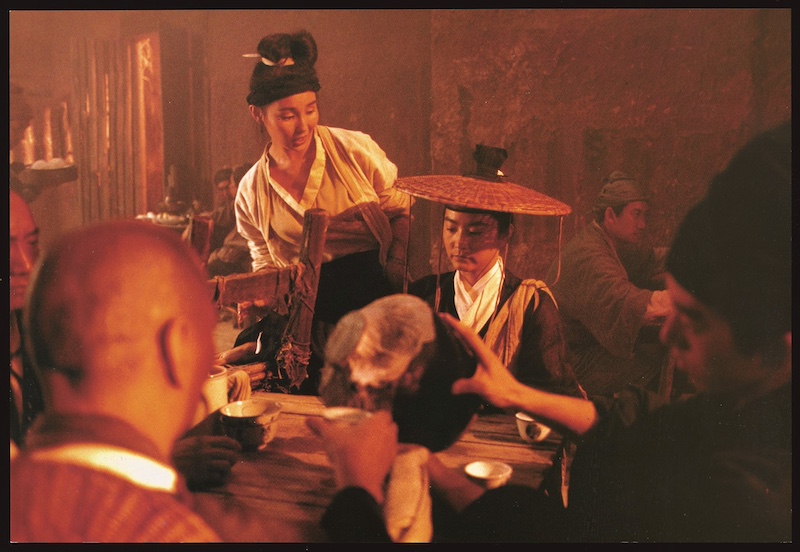
开中法如何推动大明商帮崛起|书摘
Di Yi Cai Jing· 2025-04-23 10:40
Core Insights - The article discusses the historical evolution of Chinese commercial networks and the emergence of various merchant groups, tracing their roots back to the "Kaizhong Law" which established a national trade network [1][2][4] - It highlights the transformation of the Chinese economy from a feudal system to a more market-oriented one, emphasizing the role of merchant groups like Jin merchants, Hui merchants, and Zhejiang merchants in this process [5][6][17] Group 1: Historical Context - The "Kaizhong Law" initiated a national trade network that allowed merchants from regions like Shanxi and Shaanxi to thrive by facilitating efficient capital accumulation through grain and salt trade [4][7] - The Ming Dynasty's policies, particularly under Emperor Zhu Yuanzhang, aimed to suppress commerce but inadvertently laid the groundwork for a commercial revival in the Ming and Qing dynasties [2][5] Group 2: Merchant Groups and Their Evolution - The rise of merchant groups such as Jin merchants was facilitated by their proximity to key resources like salt and grain, allowing for rapid capital turnover and accumulation [4][6] - The article details how these merchant groups evolved from "border merchants" to "internal merchants," focusing on local trade and capital efficiency [6][12] Group 3: Economic Structures and Market Control - The Ming government implemented systems like "talao" (official inns) and "guanya" (official trading intermediaries) to control the market and ensure that trade networks served state interests [8][9][10] - The decline of state-controlled trading systems led to the rise of private "Xie Jia" (rest stops) that provided integrated services for merchants, enhancing trade efficiency and reducing transaction costs [13][14][15] Group 4: Impact on Modern Economy - The article concludes that the development of a unified domestic market in the Ming Dynasty was a significant achievement, yet questions why this did not evolve into modern capitalism as seen in the West [17][18]