高性能汽车轮毂

Search documents
最新名单公布!浙江这些市县“挑大梁”
Xin Lang Cai Jing· 2026-01-08 11:43
Core Viewpoint - Zhejiang's industrial economy is crucial for economic stability and growth, with significant contributions from key industrial cities and counties, as highlighted by the recent evaluation of "Industrial Cities and Counties Taking the Lead" [1][19]. Group 1: Industrial Cities and Counties Taking the Lead - Zhejiang has 45 industrial counties, representing half of the province's total counties, with 5 major cities and 20 counties recognized for their contributions [5][23]. - From January to November last year, these cities and counties contributed 58.5% and 52.6% to the province's growth, respectively, showcasing their leadership role [6][23]. - Notable cities like Shaoxing and Wenzhou achieved industrial value-added growth rates of 9.8% and 10.3%, significantly above the provincial average of 7.0% [6][23]. - Wenzhou has consistently outperformed, with 33 months of growth exceeding national and provincial rates, and signed major projects exceeding 100 billion yuan each quarter [6][23]. Group 2: Contributions from Industrial Counties - Among the 20 recognized counties, 8 reported growth rates above 10%, with Yiwu leading at 12.2%, demonstrating resilience in a challenging trade environment [8][25]. - Yiwu's focus on high-quality manufacturing and emerging industries has resulted in over 50% of its industrial output coming from new sectors [8][25]. - Newcomers like Kecheng and Wucheng also showed impressive growth rates of 12.5% and 12.4%, indicating a strong upward trend in industrial development [10][28]. Group 3: Contributions from Non-Industrial Counties - The evaluation identified 10 non-industrial counties making significant contributions, with Longgang City leading in manufacturing investment growth [29][30]. - Longgang's first major manufacturing project, a high-performance automotive wheel hub production base, is expected to generate an annual output value of 1 billion yuan [30][32]. - East Yang and Taizhou's Road Bridge District also made notable advancements in manufacturing investment, reflecting a broader trend of industrial growth across various regions [12][33]. Group 4: Innovation Development - The "Innovation Development" category recognized 10 counties excelling in innovation, with Hangzhou's Binjiang District and New Changxiang leading the way [16][34]. - Binjiang District achieved significant growth in high-tech and strategic emerging industries, maintaining double-digit growth rates [34]. - Emerging areas like Qujiang District and Daishan County are also making strides in innovation, focusing on enhancing product value and core competitiveness [36][36].


「隐形冠军」神话终破灭
投资界· 2025-10-26 08:32
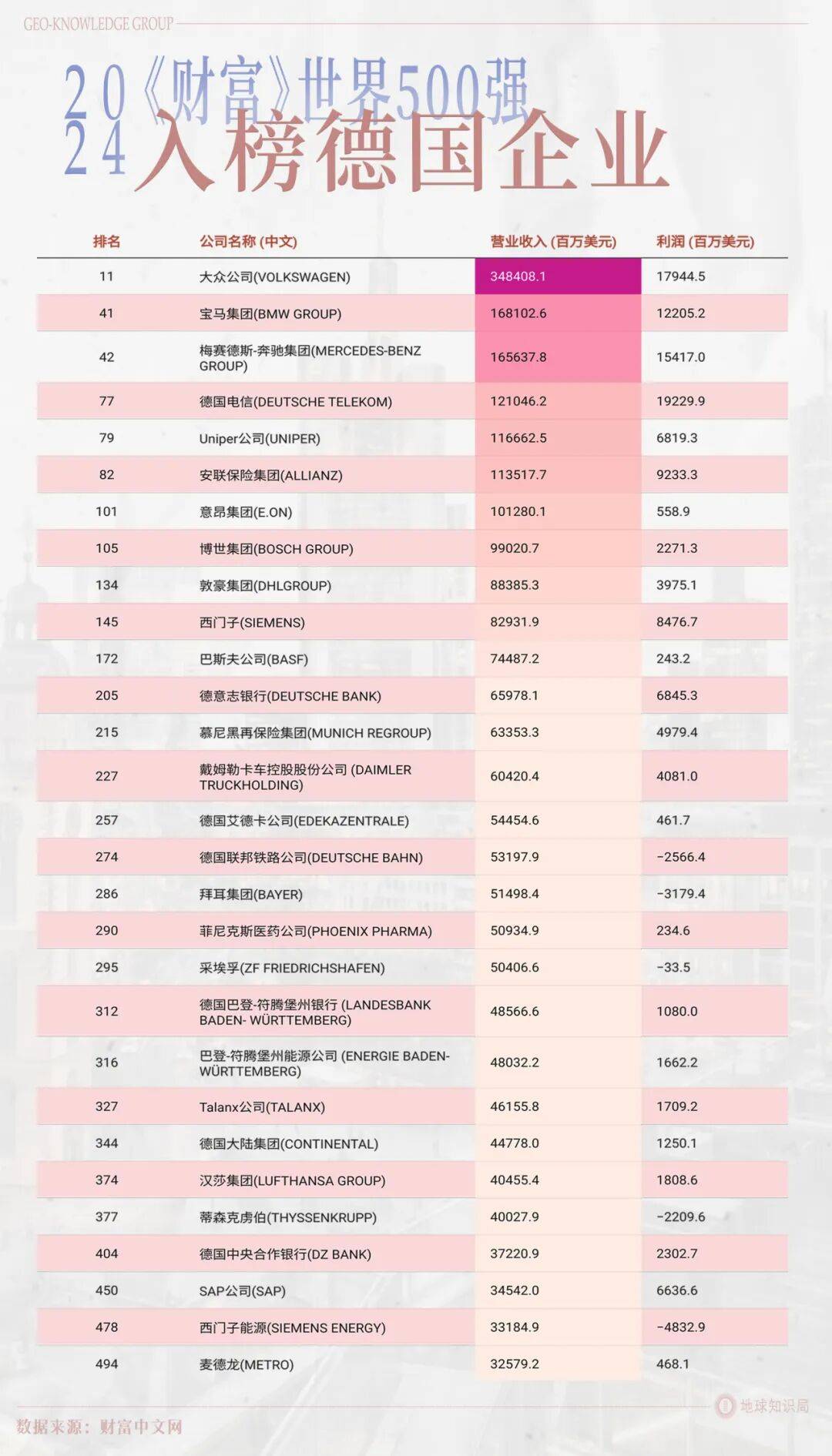
Core Viewpoint - The article discusses the concept of "hidden champions," small and medium-sized enterprises that dominate niche markets but remain largely unknown to the public. It highlights the decline of these companies in Germany and Japan due to various economic challenges and the rise of Chinese companies in the same space [4][14][36]. Group 1: Definition and Characteristics of Hidden Champions - Hidden champions are defined as companies that hold a top two global market share, have annual sales below $10 billion, and are not widely recognized by the public. This definition has evolved to include companies with annual revenues below $50 billion [5][14]. - As of 2023, there are 3,406 hidden champions globally, with Germany having 1,573, the highest number, followed by the United States and Japan [5][9]. Group 2: Economic Decline of German and Japanese Hidden Champions - Germany's economy has faced significant challenges, with GDP declining by 0.2% last year and a further 0.3% drop in the second quarter of this year, marking a rare occurrence of consecutive annual GDP shrinkage since 1950 [16][19]. - The automotive industry, a cornerstone of Germany's manufacturing sector, has seen a dramatic increase in bankruptcies, with over 80% growth in the number of bankrupt companies since 2021 [16][19]. - Major automotive companies like Bosch and Volkswagen are planning significant layoffs, with Bosch cutting 13,000 jobs and Volkswagen planning to lay off 35,000 employees by 2030 [19][21]. Group 3: Rise of Chinese Companies - Chinese companies are increasingly taking over roles traditionally held by hidden champions in Germany and Japan, with 300 German companies acquired by Chinese firms between 2014 and 2020 [32]. - China has developed a robust ecosystem of hidden champions, with over 14,000 specialized small and medium enterprises and 1,500 single-item champion companies [33][34]. - The number of identified hidden champions in China has increased from about 100 to 300 in the past five years, indicating a significant growth in this sector [34]. Group 4: Challenges Faced by Traditional Hidden Champions - German and Japanese hidden champions are struggling with digital transformation, with many companies lagging in adopting new technologies and innovations [26][28]. - The reliance on traditional business models and a lack of sensitivity to new industries have hindered their ability to adapt to changing market conditions [28][29]. - The emergence of electric vehicles and the energy crisis in Europe have further exacerbated the challenges faced by these companies, leading to a decline in their market positions [22][24].






数字化浪潮中,“隐形冠军”的旧世界正在瓦解
Xin Lang Cai Jing· 2025-10-22 02:39
Core Insights - The concept of "hidden champions" refers to small and medium-sized enterprises that dominate niche markets but remain largely unknown to the public, significantly contributing to the economic success of countries like Germany, Japan, and the U.S. [1][4] - The number of hidden champions has increased globally, with China witnessing a rapid rise in such companies, particularly in advanced manufacturing and digital technology sectors [28][29] - However, the myth of hidden champions is facing challenges as these companies in Germany and Japan are experiencing decline due to structural economic issues and competition from Chinese firms [3][19] Group 1: Definition and Characteristics of Hidden Champions - Hidden champions are defined as companies that hold a top two global market share, have annual sales below $5 billion, and maintain low public recognition [4] - As of 2023, there are 3,406 hidden champions globally, with Germany accounting for 1,573, nearly half of the total [4][7] - These companies often focus on overlooked niche industries, producing specialized products like fasteners and pet leashes [8][9] Group 2: Current Challenges Faced by Hidden Champions - Germany's economy is experiencing a structural crisis, with GDP declining by 0.2% last year and a further 0.3% drop in the second quarter of this year [15][19] - The automotive industry, a key sector for hidden champions, has seen a significant increase in bankruptcies, with over 80% growth since 2021 [15][16] - Major automotive suppliers are facing severe layoffs, with companies like Bosch planning to cut 13,000 jobs [15][19] Group 3: The Rise of Chinese Hidden Champions - China has rapidly increased its number of hidden champions, with over 14,000 specialized small and medium enterprises and 1,500 single-item champions [28][29] - Chinese companies are increasingly acquiring German firms, with 300 acquisitions between 2014 and 2020, enhancing their competitive edge in the automotive parts sector [27][28] - The number of identified hidden champions in China has tripled from about 100 to 300 in the past five years, indicating a strong growth trajectory [29] Group 4: Future Outlook - The traditional manufacturing powerhouses of Germany and Japan are struggling to adapt to new technological advancements, particularly in digitalization and AI [19][21] - The slow pace of digital transformation in these countries has left them vulnerable to competition from more agile and innovative firms in China and the U.S. [21][24] - The decline of hidden champions in Europe contrasts sharply with the rise of unicorns in China and the U.S., highlighting a shift in global economic dynamics [24][29]
德国的世界第一,正在批量阵亡
创业家· 2025-09-19 09:59
Core Viewpoint - The article discusses the phenomenon of "invisible champions" in Germany, highlighting their significance in niche markets and the recent wave of bankruptcies affecting these companies, particularly in the automotive sector [4][12][31]. Group 1: Definition and Characteristics of Invisible Champions - "Invisible champions" are defined as small to medium-sized enterprises that dominate niche markets but remain largely unknown to the general public [12]. - These companies typically have strong technical capabilities, high product value, and are difficult for competitors to imitate [12]. - Key characteristics include being rooted in small towns, having low employee turnover, and focusing on highly specialized products [13]. Group 2: Comparison of Invisible Champions in Germany and China - Germany has nearly 3,000 invisible champions, with about half located in the country, while China has fewer than 100 [14]. - The article emphasizes that Germany's invisible champions are crucial to its economy, contributing significantly to GDP and employment [24]. Group 3: Recent Challenges Faced by Invisible Champions - The automotive industry, a backbone of the German economy, is experiencing significant challenges, leading to the bankruptcy of several invisible champions [31]. - Factors contributing to these bankruptcies include rising costs due to energy price increases and a shortage of skilled labor as the workforce ages [41]. - The emergence of Chinese automotive manufacturers has also reduced demand for products from German invisible champions, further exacerbating their financial struggles [43]. Group 4: Case Studies of Invisible Champions - Wanzl, a company specializing in shopping carts, holds over 50% of the global market share, illustrating the success of invisible champions in niche markets [17]. - Körber, a leader in high-speed cigarette manufacturing machines, showcases the technological prowess of these companies [17]. - Gerhardi, a supplier of automotive parts, recently declared bankruptcy, highlighting the vulnerabilities faced by even established invisible champions [33][40].

德国的世界第一,正在批量阵亡
Hu Xiu· 2025-09-15 13:50
Core Insights - The article discusses the concept of "invisible champions," which are companies that dominate niche markets but remain relatively unknown to the general public. These companies do not seek to increase their exposure or go public, yet they achieve significant success in their specialized fields [1][5][6]. Group 1: Invisible Champions in Germany - Germany has a significant number of invisible champions, with nearly half of the global total located there, while China has fewer than 100 [7][8]. - The characteristics of these invisible champions include being rooted in small towns, having low employee turnover, and focusing on highly specialized products that are difficult to replicate [8][24]. - Examples of successful invisible champions include Wanzl, which dominates the global market for shopping carts, and Körber, a leader in high-speed cigarette manufacturing [11][15]. Group 2: Challenges Facing German Invisible Champions - Recently, many German invisible champions, particularly in the automotive sector, have faced bankruptcy, with notable companies like Gerhardi going under [34][38]. - Contributing factors to this trend include rising costs due to geopolitical issues, such as the energy crisis following the Russia-Ukraine conflict, and a looming labor shortage as the workforce ages [39][44]. - The decline in demand for German products is also attributed to the rise of Chinese automotive supply chain companies, which offer competitive pricing and quality [43][45]. Group 3: Economic Impact of Invisible Champions - German small and medium-sized enterprises (SMEs), which include many invisible champions, account for over 99% of all companies and contribute 55% to the GDP [24]. - These SMEs play a crucial role in job creation, employing over 70% of the workforce and providing around 80% of vocational training positions [24][46]. - The article emphasizes the need for attention and protection for these less visible but vital companies, as they form the backbone of the German economy [46].