高端服装

Search documents
Louis Vuitton Owner LVMH Closes Year-End Quarter With Weak Sales Growth
WSJ· 2026-01-27 17:09
Core Insights - The results from the French luxury-goods giant indicate that consumers were not spending significantly on high-end garments, jewelry, and cosmetics ahead of the holiday season [1] Company Performance - The performance of the French luxury-goods giant suggests a decline in consumer spending in the luxury sector [1]


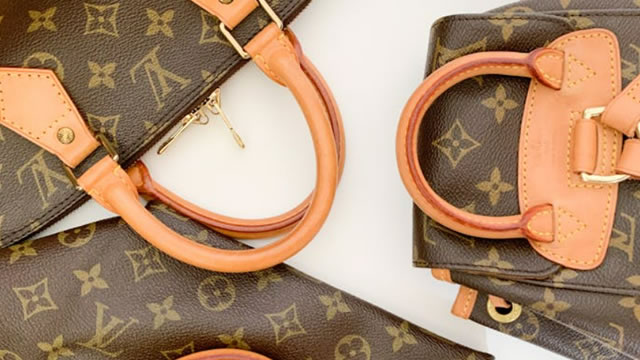
因限制第三方零售价 欧盟1.57亿欧元“罚单”砸向三大奢牌
Xi Niu Cai Jing· 2025-10-15 03:55
Core Points - The European Commission imposed fines totaling over €157 million (approximately 1.3 billion yuan) on luxury brands Gucci, Chloé, and Loewe for violating EU antitrust regulations by restricting third-party retailers' pricing practices [2][4] Group 1: Company Actions - The three brands, part of Kering Group, Richemont Group, and LVMH Group, engaged in resale price maintenance (RPM) practices, which included requiring retailers to adhere to suggested retail prices, setting maximum discount rates, and limiting promotional periods [4] - These practices were found to cover the entire European Economic Area and persisted for several years, leading to increased product prices and reduced consumer choice [4] Group 2: Fine Details - The fines were reduced due to the companies' cooperation during the investigation, with Gucci and Loewe receiving a 50% reduction, resulting in final fines of €119.7 million and €18.01 million, respectively, while Chloé received a 15% reduction, leading to a fine of €19.69 million [5]

受美关税影响 多家德国零售商将重心从美国转向欧洲市场
Sou Hu Cai Jing· 2025-05-06 21:55
Group 1 - European retailers and consumer brands are shifting focus from the US to Europe and other markets due to anticipated price increases from US tariff policies, which are expected to depress consumer demand in the US [1] - Zalando, a German online fashion retailer, is actively expanding its European market presence and engaging with potential new customers [1][2] - Hugo Boss, a German high-end clothing brand, has moved its products manufactured in China to markets outside the US, citing a significant deterioration in US consumer spending due to economic uncertainty [4][6] Group 2 - Adidas, a German sportswear manufacturer, reported strong growth in Q1 but noted that uncertainty from US tariff policies is directly impacting company decisions [8] - The CEO of Adidas indicated that in a "normal world," the company could have raised its full-year revenue and operating profit forecasts, but current tariff uncertainties prevent such actions [10] - Market analysts believe that the direction of US trade policies remains unclear, posing significant external risks for global manufacturing companies [10]