麻团

Search documents
◎禾风禾俗 冬至吃麻团
Xin Lang Cai Jing· 2026-01-12 23:09
Group 1 - The article highlights the cultural significance of eating "ma tuan" (sesame balls) during the winter solstice in Haiyan, emphasizing the tradition of family and community gatherings [1][2] - The preparation of "ma tuan" involves using glutinous rice, red sugar, black sesame, and yellow soybean powder, showcasing a hands-on approach to food making that fosters social interaction [2][3] - The origin of "ma tuan" is linked to the historical context of the Hakka people, who created this dish from leftover rice, illustrating how food can serve as a means of hospitality and cultural exchange [3] Group 2 - The article describes the sensory experience of eating freshly made "ma tuan," highlighting its soft and sticky texture, rich filling, and the communal joy it brings during the winter season [2] - The exchange of different regional foods, such as "ma tuan" and "radish silk dumplings," reflects the culinary diversity and interconnectedness of communities in Haiyan [3] - The tradition of eating "ma tuan" during the winter solstice is not only a culinary delight but also a way to connect past and present, symbolizing hopes for a better life [3]
一张“浙BA”票根 串起浙江绍兴城市烟火图鉴
Zhong Guo Xin Wen Wang· 2025-08-24 09:03
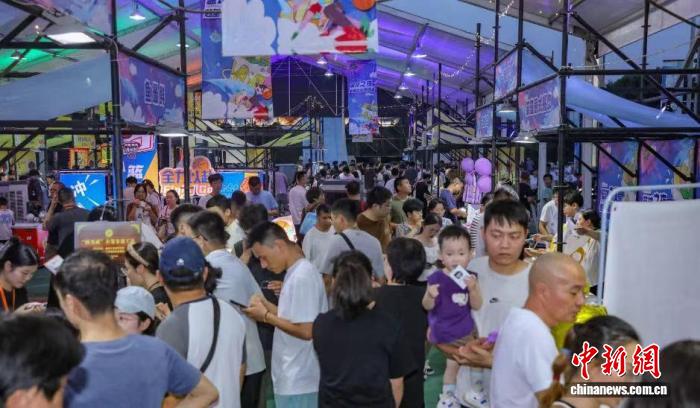
Core Insights - The "Zhe BA" basketball league in Shaoxing has successfully engaged local communities and boosted economic activity through various promotional strategies and events [1][2][3][4] Group 1: Event Impact - The first home game of the Shaoxing team attracted nearly 10,000 fans to the Shaoxing Olympic Sports Center, indicating strong local interest in the league [2] - The local government issued over 60 million yuan in consumption vouchers to stimulate spending around the event, benefiting various market participants [2] Group 2: Cultural Integration - Shaoxing has creatively integrated local culture with the basketball events, using media to promote regional specialties and create buzz around the league [3] - The concept of "ticket root economy" is emphasized, where the ticket serves as a key to unlock local cultural experiences and enhance community identity [3][4] Group 3: Long-term Economic Strategy - The city is leveraging the basketball events to promote long-term economic benefits, including exclusive housing discounts for ticket holders, with discounts up to 100,000 yuan for home purchases [4] - The initiative aims to transform the excitement of attending games into sustained consumer engagement and urban development [4]

潮!北京胡同里的“网红打卡地”
Ren Min Ri Bao Hai Wai Ban· 2025-05-21 22:12
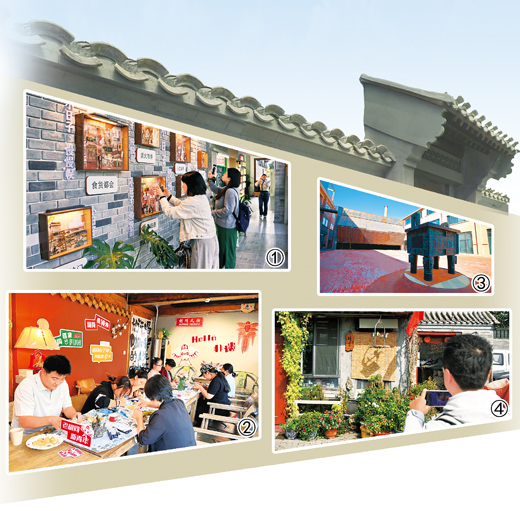
Core Viewpoint - Beijing is revitalizing its traditional hutongs, blending historical culture with modern creativity, making them popular cultural and tourist destinations [3][10][15] Group 1: Cultural Preservation and Revitalization - The city is committed to protecting over 1,000 existing hutongs as part of its "14th Five-Year Plan for the Protection and Development of Historical and Cultural Cities" [3][10] - Activities like the "Hear the Hutong" series aim to recreate the auditory memories of old Beijing, emphasizing the historical significance of hutongs [2][3] - The transformation of industrial sites into cultural creative parks, such as the 77 Creative Park, showcases the integration of modern functions while preserving historical aesthetics [9][10] Group 2: Culinary and Social Experience - Traditional food stalls in hutongs, like 增盛魁, continue to serve authentic Beijing breakfast, attracting both locals and tourists [4][5][6] - The vibrant atmosphere of hutongs is characterized by the mingling of sounds from food preparation and social interactions, creating a unique cultural experience [5][6] - The culinary offerings in hutongs are evolving, with new interpretations of traditional dishes that appeal to a diverse audience [14][15] Group 3: Artistic and Creative Spaces - The 93 Courtyard Museum and other cultural venues are becoming hotspots for experiencing traditional crafts and arts, promoting non-material cultural heritage [10][11] - The 77 Creative Park has become a cultural landmark, hosting various artistic events and attracting a younger demographic [9][10] - The integration of modern art and traditional culture is evident in venues like Blue Note Beijing, which hosts international jazz performances [12][13] Group 4: International Influence and Diversity - Hutongs are increasingly becoming spaces where international cultures intersect, with establishments offering diverse culinary experiences [14][15] - The presence of international artists and musicians in Beijing's cultural scene reflects the city's growing global appeal [12][13] - The blending of traditional and modern elements in hutongs creates a unique environment that resonates with both local and international visitors [15]