黄金税收新政

Search documents
万联晨会-20260313
Wanlian Securities· 2026-03-13 01:36
Core Insights - The report indicates a collective decline in the A-share market, with the Shanghai Composite Index down by 0.1%, the Shenzhen Component down by 0.63%, and the ChiNext Index down by 0.96% [2][7] - The total trading volume in the Shanghai and Shenzhen markets reached 24,416.71 billion [2][7] - In terms of industry performance, coal, public utilities, and agriculture sectors led the gains, while defense, machinery, and communication sectors faced declines [2][7] Company Analysis: 华利集团 (Huali Group) - The company reported a revenue of 24.98 billion in 2025, reflecting a year-on-year growth of 4.06%, despite a decline in orders from some existing clients, attributed to a significant increase in new client orders [9] - The net profit attributable to shareholders was 3.207 billion, a decrease of 16.50% year-on-year, primarily due to the new factory's capacity ramp-up phase and adjustments in production capacity [9] - The company’s Q4 revenue was 6.301 billion, down 3.00% year-on-year, with a net profit of 0.771 billion, down 22.66% year-on-year [9] Company Analysis: 老凤祥 (Lao Feng Xiang) - The company achieved a revenue of 52.823 billion in 2025, a decrease of 6.99% year-on-year, with a net profit of 1.755 billion, down 9.99% year-on-year, attributed to high gold prices suppressing demand for jewelry [13] - In Q4, the company saw a revenue increase of 14.50% year-on-year to 4.211 billion, with a net profit surge of 82.49% year-on-year to 0.174 billion, driven by rising gold prices and lower raw material costs [13] - The company is focusing on optimizing its store network, with a total of 5,355 marketing outlets by the end of 2025, including 213 direct stores, while emphasizing the establishment of themed stores to adapt to new consumer scenarios [14]

风险暴露仍拉国资入伙,杰我睿黄金局有何隐情?
第一财经· 2026-02-05 04:12
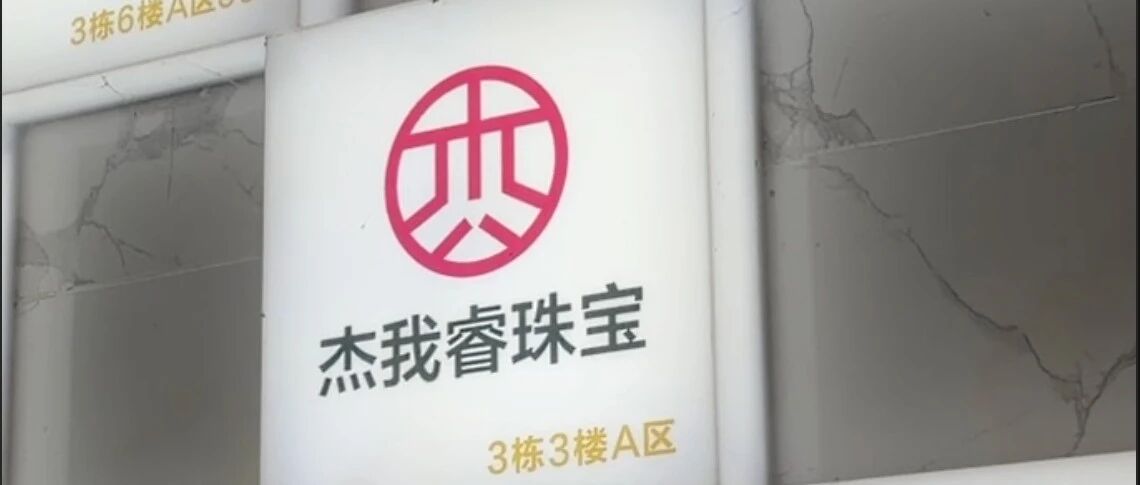
Core Viewpoint - The article discusses the financial difficulties faced by Shenzhen-based precious metals company Jie Wo Rui Jewelry Co., Ltd. (Jie Wo Rui) and its connections with a state-owned enterprise in Gansu, highlighting the risks and complexities in their operations and partnerships [2][3]. Group 1: Company Overview - Jie Wo Rui is a significant player in the precious metals market in Shenzhen, initially focusing on gold raw material trading and later expanding into retail and gold price trading for individual investors, which increased its risk exposure [2][4]. - The company operates through three main platforms: Jie Wo Rui Jewelry, Long Ye Jin, and Jin Cheng Jin Shi Jie, each serving different aspects of precious metal transactions [4][5]. Group 2: Business Operations and Changes - Jie Wo Rui was founded in 2014 and initially operated similarly to many small jewelry wholesalers in Shenzhen, with ownership changes occurring over the years, particularly with Zhang Zhiteng taking control in 2024 [5][7]. - By 2025, Jie Wo Rui expanded its business scope to include precious metal smelting and recycling services, indicating a shift in operational focus [8]. Group 3: Partnerships and Collaborations - The collaboration with the Gansu state-owned enterprise, which was established through a joint venture, raises questions about the motivations behind this partnership and its implications for Jie Wo Rui's business strategy [9][12]. - The state-owned enterprise's involvement is seen as a means for Jie Wo Rui to leverage credibility and potentially mitigate rising costs in the supply chain [17][18]. Group 4: Financial Risks and Legal Issues - Prior to the state-owned enterprise's involvement, Jie Wo Rui had already begun to show signs of financial distress, with over 30 lawsuits filed against it due to its aggressive expansion into price trading and the resulting financial losses [22][23]. - The company has faced issues related to operational transparency, with multiple natural person accounts involved in transactions, complicating the financial landscape [23].

风险暴露仍拉国资入伙,杰我睿黄金局有何隐情?
Di Yi Cai Jing· 2026-02-05 03:17
Core Viewpoint - The article discusses the financial crisis faced by Shenzhen Jie Wo Rui Jewelry Co., Ltd. (Jie Wo Rui), which is involved in a significant payout crisis exceeding 10 billion yuan, with customers facing extreme delays in withdrawals [1][4][17]. Group 1: Company Overview - Jie Wo Rui is a prominent precious metal trader in the Shui Bei area, initially focused on sourcing and recycling gold materials before shifting towards retail and opening gold pre-order trading to retail investors, thereby increasing its risk exposure [4][25]. - The company operates through three main platforms: Jie Wo Rui Jewelry, Long Ye Jin, and Jin Cheng Jin Shi Jie, each serving different aspects of precious metal transactions [5][26]. Group 2: Financial Crisis Details - The payout crisis has led to reports of customers needing to wait up to 82 years to withdraw 500 yuan, highlighting the severity of the financial situation [1][21]. - Prior to the involvement of state-owned enterprises, Jie Wo Rui had already shown signs of financial distress, with over 30 lawsuits filed against it since March of the previous year due to leveraged trading losses [17][37]. Group 3: Involvement of State-Owned Enterprises - A state-owned enterprise from Gansu has partnered with Jie Wo Rui, which has been used as a marketing strategy to attract customers, suggesting a potential motive to leverage state backing for business expansion [12][32]. - The collaboration with the state-owned enterprise raises questions about the intentions behind the partnership and the implications for Jie Wo Rui's operational strategies [14][35]. Group 4: Operational and Structural Issues - The company has faced issues related to operational chaos, including multiple natural person accounts being used for transactions, complicating the financial structure and accountability [18][38]. - There are indications of a lack of transparency in the company's operations, with contracts showing discrepancies in official seals and affiliations, further complicating the situation for customers seeking refunds [16][37].
独家|风险暴露仍拉国资入伙,杰我睿黄金局有何隐情?
Di Yi Cai Jing· 2026-02-05 03:07
Core Viewpoint - The story of Jie Wo Rui highlights the complexities involving related parties and local state-owned enterprises, as the company faces a significant payment crisis due to its expansion into retail and increased risk exposure [1][2]. Group 1: Company Overview - Jie Wo Rui Jewelry Co., Ltd. (Jie Wo Rui) is a prominent precious metal supplier in Shenzhen's Shui Bei area, transitioning from upstream gold sourcing to retail and gold price trading for individual investors, which has increased its risk exposure [1][2]. - The company operates through three main platforms: Jie Wo Rui Jewelry, Long Ye Jin, and Jin Cheng Jin Shi Jie, each focusing on different aspects of precious metal transactions [2][3]. - The platforms allow for internal transfers of account balances and precious metal inventory, indicating a complex interrelation among them [2]. Group 2: Ownership and Management Changes - Jie Wo Rui was founded in 2014 by Guo Fangfang, with Zhang Zhiteng becoming the legal representative in 2017, marking a significant shift in management [3][4]. - In July 2024, Guo Fangfang transferred 100% of Jie Wo Rui's shares to Zhang Zhiteng, who then became the legal representative [4]. - By the end of 2025, the company underwent further changes, including the introduction of a new shareholder and an increase in registered capital to 11 million yuan, with Zhang Zhiteng holding approximately 90.91% of the shares [5]. Group 3: Financial and Operational Risks - Prior to the involvement of state-owned enterprises, Jie Wo Rui had already shown signs of financial distress, with over 30 lawsuits filed since March of the previous year due to leveraged trading losses [15][16]. - The company has faced issues with payment difficulties, leading to user complaints and demands for accountability from associated platforms [14][15]. - The operational structure has been criticized for its complexity, with multiple natural person accounts involved in transactions, raising concerns about financial transparency [16]. Group 4: State-Owned Enterprise Involvement - A state-owned enterprise from Gansu has partnered with Jie Wo Rui, raising questions about the motivations behind this collaboration and its implications for the company's operations [2][8]. - The partnership appears to be leveraged as a marketing tool to attract users, with claims that the state-owned enterprise's involvement could enhance credibility [8][12]. - The Gansu province has been promoting its gold industry as a key economic driver, which may explain the interest in collaborating with Jie Wo Rui [13].
菜百股份(605599)2025年业绩预告点评:金价上行投资金高增 持续受益黄金税收新政
Xin Lang Cai Jing· 2026-02-01 10:28
Group 1 - The core viewpoint of the report highlights that the increase in gold prices is driving a surge in investment gold, benefiting the company's investment gold business due to new gold tax policies [1][3] Group 2 - The company maintains a buy rating, forecasting EPS for 2025-2027 to be 1.55, 1.96, and 2.17 yuan, representing year-on-year growth of 67.5%, 26.5%, and 10.8% respectively. A target price of 29.4 yuan is set based on a 15x PE for 2026 [2] - The company expects a net profit attributable to shareholders for 2025 to be between 1.06 billion and 1.23 billion yuan, reflecting a year-on-year increase of 47.43% to 71.07%. The non-recurring net profit is projected to be between 950 million and 1.12 billion yuan, with a growth of 39.16% to 64.03% [2] - For Q4 2025, the company anticipates a net profit attributable to shareholders of 413 million to 583 million yuan, indicating a year-on-year growth of 150% to 253%. The non-recurring net profit for the same quarter is expected to be between 366 million and 536 million yuan, with a growth of 130% to 237% [2] Group 3 - The demand for investment gold is strong due to rising gold prices, with the World Gold Council predicting that China's total gold investment and consumption demand will reach 274 tons in Q4 2025, a year-on-year increase of 18% and a significant quarter-on-quarter rise of 60% [3] - The demand for gold bars and coins surged, with a quarter-on-quarter increase of 61% and a year-on-year growth of 42%, reaching 119 tons. For the entire year of 2025, Chinese investors are expected to purchase a total of 432 tons of gold bars and coins, marking a 28% increase from 2024 and setting a new annual record [3] - The company benefits from a direct sales model, which allows it to maintain price advantages under the new gold tax policy, potentially capturing investment gold demand from other brands [3]

菜百股份:2025年业绩预告点评金价上行投资资金高增,持续受益黄金税收新政-20260130
GUOTAI HAITONG SECURITIES· 2026-01-30 13:30
Investment Rating - The report maintains an "Accumulate" rating for the company [6][12]. Core Insights - The company is expected to benefit from rising gold prices and increased demand for investment gold, with a projected net profit for 2025 ranging from 1.06 billion to 1.23 billion yuan, representing a year-on-year growth of 47.43% to 71.07% [12][13]. - The report highlights that the company's direct sales model and high proportion of investment gold sales position it well to capitalize on the favorable market conditions created by the new gold tax policy [12][13]. Financial Summary - Total revenue is projected to grow from 16.55 billion yuan in 2023 to 29.57 billion yuan in 2025, reflecting a growth rate of 46.2% [5]. - Net profit attributable to the parent company is expected to increase from 707 million yuan in 2023 to 1.20 billion yuan in 2025, a growth of 67.5% [5]. - Earnings per share (EPS) is forecasted to rise from 0.91 yuan in 2023 to 1.55 yuan in 2025 [5]. - The return on equity (ROE) is projected to reach 25.1% in 2025, up from 18.7% in 2023 [5]. Market Data - The company's target price is set at 29.40 yuan, based on a 15x price-to-earnings ratio for 2026 [6][12]. - The stock has a market capitalization of 16.74 billion yuan, with a 52-week price range of 10.78 to 21.71 yuan [7][12]. Investment Demand - The report notes a significant increase in gold investment demand, with a projected total of 274 tons in the Chinese market for Q4 2025, marking an 18% year-on-year increase [12][13]. - The demand for gold bars and coins is expected to surge, with a quarterly increase of 61% and a yearly increase of 42%, reaching 119 tons [12][13].
菜百股份(605599):2025年业绩预告点评:金价上行投资资金高增,持续受益黄金税收新政
GUOTAI HAITONG SECURITIES· 2026-01-30 11:19
Investment Rating - The report maintains a rating of "Buy" for the company [6][12]. Core Views - The company is expected to benefit from rising gold prices and increased demand for investment gold, with a projected net profit for 2025 ranging from 1.06 billion to 1.23 billion yuan, representing a year-on-year growth of 47.43% to 71.07% [12][13]. - The company is positioned to capture market share due to favorable changes in gold tax policies, enhancing its competitive edge in the investment gold sector [12][13]. Financial Summary - Total revenue is projected to grow from 16.55 billion yuan in 2023 to 29.57 billion yuan in 2025, reflecting a growth rate of 46.2% [5]. - Net profit attributable to shareholders is expected to increase from 707 million yuan in 2023 to 1.20 billion yuan in 2025, marking a growth of 67.5% [5]. - Earnings per share (EPS) is forecasted to rise from 0.91 yuan in 2023 to 1.55 yuan in 2025 [5]. - The return on equity (ROE) is anticipated to reach 25.1% in 2025, up from 18.7% in 2023 [5]. Market Data - The company's target price is set at 29.40 yuan, based on a price-to-earnings (P/E) ratio of 15x for 2026 [6][12]. - The stock has shown significant price movement, with a 52-week price range of 10.78 to 21.71 yuan [7]. - The total market capitalization is approximately 16.74 billion yuan [7]. Investment Demand Insights - The demand for gold investment in China is projected to reach 274 tons in Q4 2025, a year-on-year increase of 18% [12]. - The demand for gold bars and coins is expected to surge, with a 61% quarter-on-quarter increase and a 42% year-on-year increase, totaling 119 tons [12]. - The company benefits from a fully direct sales model, which enhances its sales performance as gold prices rise [12].
深圳水贝下架“投资金” 相关人士回应
Xin Lang Cai Jing· 2025-12-23 12:33
Core Viewpoint - The price of gold has reached a historical high, leading to the discreet removal of "investment gold" from the Shenzhen Shui Bei market, the largest gold and jewelry wholesale market in China [1] Summary by Relevant Sections Market Changes - Since the announcement of the new gold tax policy in November, the pricing display in the Shui Bei market has undergone multiple adjustments, initially showing separate prices for "investment gold" and "jewelry gold" [1] - Recently, the market no longer distinguishes between "investment gold" and "jewelry gold," and the "investment gold" option has been removed from the pricing screens operated by the Shui Bei Association's app [1] Industry Response - Some merchants in the Shui Bei market have indicated on social media that "there is no longer investment gold in the Shui Bei market" [1] - The new tax policy categorizes gold into investment and non-investment types and encourages investment gold to enter centralized trading on the Shanghai Gold Exchange and the Shanghai Futures Exchange [1]
黄金税改+海南封关=行业迎来合规发展新机遇
Sou Hu Cai Jing· 2025-12-21 10:53
Core Viewpoint - The new gold tax policy, effective from November 1, 2025, marks the most significant tax reform in China's gold industry since 2002, aiming to clarify the investment and non-investment attributes of gold through tax leverage, thus ending the ambiguous era of value-added tax in the industry [3][5]. Tax Policy Impact - The new tax policy allows member units of exchanges to deduct input tax at a rate of 13% for investment-related gold purchases, while non-member units can only deduct at 6%, creating a 7% tax burden difference [5]. - The overall tax burden for non-investment gold has increased, leading to higher retail prices for consumers, which explains the perception of increased gold prices among the public [5]. Industry Transformation - Leading companies view the new tax policy as an opportunity for high-quality development, with a focus on regulatory compliance and transparency in the market [7]. - The policy is expected to drive the gold retail market from a rough development model to a more regulated and high-quality operational model [7]. Globalization Opportunities - The upcoming implementation of the Hainan Free Trade Port on December 18 is seen as a significant opportunity for the gold and jewelry industry to break through development bottlenecks and expand globally [8]. - The proportion of duty-free goods entering Hainan is expected to increase from over 20% to more than 70%, providing substantial cost savings for consumers purchasing gold in duty-free shops [8]. Strategic Initiatives - Companies like China Gold Group are implementing strategies to leverage the advantages of both Hainan and Hong Kong, establishing international headquarters and managing global supply chains [8]. - Chow Tai Fook is also utilizing Hainan as a strategic point for cross-border trade and industry aggregation, with strong sales performance in its duty-free stores [9]. Financial Support and Infrastructure - Financial institutions are adapting to support the gold industry, with banks like ICBC and CCB developing specialized financial services to meet diverse enterprise needs [10]. - The Hainan Free Trade Port is positioned as a testing ground for innovative financial services, presenting both opportunities and challenges for financial institutions [10]. Competitive Landscape Changes - The competition logic in the gold and jewelry industry is shifting from reliance on raw material prices to focusing on consumer experience, product innovation, craftsmanship, and cultural significance [12]. - Companies are increasingly integrating technology to enhance operational efficiency and customer experience, with Chow Tai Fook developing AI tools to improve decision-making and streamline operations [12].
水贝下架“投资金价”
Di Yi Cai Jing Zi Xun· 2025-12-19 07:18
Core Viewpoint - The recent tax reform has led to significant price increases in gold jewelry, with major brands like Chow Tai Fook and Shui Bei adjusting their prices by over 10% due to market factors and increased procurement costs [3][6][7]. Group 1: Price Adjustments - Chow Tai Fook announced a price increase of approximately 15% on its fixed-price gold jewelry, with expectations of further increases following the tax reform [3]. - Shui Bei has stopped displaying "investment gold prices," opting instead to show a single "inclusive tax price," resulting in a price difference of over 100 yuan, with increases of about 11% to 13% [5]. - Some popular products have seen price increases exceeding 30%, indicating a strategic shift towards higher-margin products [6]. Group 2: Strategic Shifts - Major brands are focusing on enhancing their high-end image and profitability by shifting their product offerings towards high-margin fixed-price items, which integrate craftsmanship, design, and brand premium [6][7]. - The tax reform has increased procurement costs, necessitating price adjustments to maintain and expand profit margins in a volatile market [7]. - The transition in Shui Bei's market reflects a move away from a low-price model towards a value-based competition, emphasizing product design and innovation [10]. Group 3: Market Dynamics - The new tax policy has significantly impacted Shui Bei, as merchants can no longer sell gold jewelry based on market gold prices, leading to a mandatory increase in prices by about 7% for non-investment gold [9]. - There are reports of merchants facing severe penalties for non-compliance with invoicing regulations, indicating a tightening of market management [9]. - Shui Bei's transformation is characterized by a focus on value competition, innovation in business models, and diversification into non-gold categories to mitigate risks and meet consumer demands [10].