黑糖珍珠奶茶

Search documents
台胞德化“赶大集”
Xin Lang Cai Jing· 2026-02-15 23:22
本报讯 (记者 汤海波) 蚵仔煎、香葱肉卷、大肠包小肠、黑糖珍珠奶茶、车轮饼……德化瓷艺城前, 一道道台式美食香气扑鼻,一个个宝岛摊位挤满食客。持续至22日的2026年德化"村碗"年货美食嘉年华 在此举办,为闽台美食交流搭建了平台,吸引众多市民游客打卡寻味。 此次嘉年华活动共邀请到40余家台湾小吃、伴手礼业者参加。台胞们不仅现场制作地道的台湾风味,还 带来了不少特色年货伴手礼。市民和游客一边听着介绍,一边品尝特色小吃、选购特色好物。 "美食是两岸交流的最好媒介之一。"台湾台中市中华美食发展交流协会总执行长杨铭忠告诉记者,"民 以食为天,我们就应该从最基础的民生开始,持续推进交流合作。"杨铭忠希望这样接地气、有烟火气 的活动越办越多,助力更多台湾年轻人"登陆"发展。 第一次来福建的台胞摊主林宗延说,大陆市场很大,此次参加嘉年华活动,除了带来泡菜臭豆腐、花生 卷冰淇淋、香葱肉卷等台湾美食,还希望能够开拓大陆市场,将正宗的台湾味道分享给更多人。 ...
“读秒捡钱”,这个春节县城奶茶赚疯了
Ge Long Hui· 2025-12-26 14:10
Core Insights - The rapid development of tea beverage brands in county-level markets reflects a significant shift in consumer preferences and market dynamics, with major brands like Starbucks and Heytea expanding into these areas [4][19] - The tea beverage industry experienced a surge in demand during the recent Spring Festival, with a notable increase in delivery orders from county markets, indicating a robust growth potential in these previously underserved regions [6][5] Market Trends - The number of new chain tea beverage stores in county areas exceeded 9,000 in 2022, with an overall opening rate of approximately 36%, showcasing the rapid expansion of this market segment [10] - Major tea brands have reported a 65% year-on-year increase in delivery orders during the Spring Festival period, highlighting the growing consumer base and demand in county markets [6] Consumer Behavior - Consumers in county areas are increasingly seeking diverse beverage options, with a shift from traditional offerings to modern tea drinks, reflecting changing tastes and preferences among younger demographics [5][19] - The average price of a tea beverage ranges from 10 to 20 yuan, making it accessible to a broad consumer base while still generating significant daily revenue for stores [11] Business Strategies - Brands are focusing on improving order fulfillment speed and operational efficiency to capitalize on peak demand periods, with some stores achieving beverage preparation times of around one minute [8][9] - The expansion strategy includes targeting lower-rent locations outside of prime commercial areas, allowing for cost savings while still reaching a wide customer base through delivery services [16][18] Competitive Landscape - The tea beverage market is becoming increasingly competitive, with many brands facing challenges related to product homogeneity and market saturation, prompting a focus on differentiation and innovation [11][12] - The rise of online marketing and delivery platforms has become crucial for brand visibility and sales, particularly in county markets where traditional foot traffic may be lower [18][23]

茶饮品牌,开始集体卷“传家宝”了
东京烘焙职业人· 2025-12-20 08:33
Core Viewpoint - The tea beverage industry is experiencing a significant shift towards nostalgia, with brands returning to classic products as a strategic response to market saturation and consumer demand for familiar flavors [3][5][41]. Group 1: Industry Trends - In 2025, tea brands are moving away from novelty and focusing on classic flavors, as the rapid innovation cycle has become unsustainable [6][7]. - The trend of "classic product returns" is driven by a need for value creation and consumer familiarity, leading to a resurgence of familiar tastes [8][9]. - Major brands are reviving historical products that once defined consumer experiences, utilizing minor innovations to reintroduce them to the market [9][10]. Group 2: Successful Product Returns - In April 2025, Shuyi Shao Xian Cao reintroduced its popular product "Chengman Mountain Tea Flower," which had previously sold over 9 million cups in 2022, marking the start of the nostalgia trend [12][10]. - Nayuki's tea is preparing for the summer with the return of "Baqi Yangmei," which achieved sales of 3 million cups in just half a month [14][16]. - Tea Baidao reintroduced classic fruit teas and upgraded its "Double Ball Ice Cream Red Tea" to enhance consumer satisfaction during the summer season [18][20]. Group 3: Consumer Engagement and Brand Strategy - The return of classic products is not merely nostalgia marketing; it is a strategic adjustment to address growth pressures and competition in a saturated market [41][50]. - Brands are leveraging the emotional connection consumers have with classic products, which often serve as a form of social currency and personal memory [51][49]. - The focus on classic products allows brands to maintain operational efficiency and quality assurance, as these items have established recipes and consumer trust [48][46]. Group 4: Innovative Marketing Approaches - Brands are employing innovative strategies to revitalize classic products, such as deconstructing traditional combinations and integrating new elements to create unique offerings [61][62]. - The marketing approach has shifted from merely selling products to creating meaningful experiences and cultural symbols that resonate with consumers [66][68]. - Engaging consumers in the product creation process, such as through DIY options and feedback mechanisms, enhances brand loyalty and anticipation for product returns [70][73]. Group 5: Long-term Value Creation - Establishing annual return rituals for classic products helps brands cultivate consumer habits and expectations, transforming short-term hits into long-term assets [75][78]. - The essence of successful classic product revitalization lies in maintaining quality while innovating, ensuring that nostalgia does not compromise brand integrity [80][81].
蜜雪冰城在日本展开攻势
日经中文网· 2025-12-14 00:33
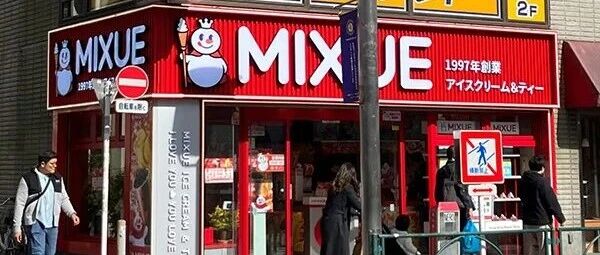
Core Viewpoint - MIXUE is rapidly expanding its presence in Japan while maintaining a focus on quality and customer satisfaction, aiming to adapt its offerings to local preferences [2][11]. Group 1: Expansion Strategy - MIXUE operates over 46,000 stores globally, surpassing Starbucks, and is strategically increasing its store count in Japan, with a focus on major cities like Tokyo, Osaka, and Yokohama [2][9]. - The company has opened seven stores in Japan as of November, including the newly launched MIXUE Shin-Okubo Station store [9][12]. - Future expansion will prioritize locations that attract both tourists and local customers, particularly in high foot traffic areas [12]. Group 2: Product Offering and Pricing - MIXUE's pricing strategy is centered around affordability, with most products priced below 500 yen (approximately 22.6 yuan), including popular items like soft serve ice cream at 150 yen (about 6.8 yuan) and drinks starting at 130 yen (about 5.9 yuan) [9][11]. - The company emphasizes a self-managed supply chain to keep costs low while ensuring quality, sourcing fresh ingredients locally in Japan [11]. Group 3: Customer Demographics and Marketing - The primary customer demographic consists of women aged 10 to 29, with a notable presence of foreign tourists, who make up 20-50% of customers depending on the location [11]. - MIXUE plans to enhance brand awareness through social media marketing and promotional activities, particularly targeting younger audiences [11][12].

益禾堂开学季500家门店齐开,大湾区强势布局70家
Nan Fang Nong Cun Bao· 2025-09-23 09:30
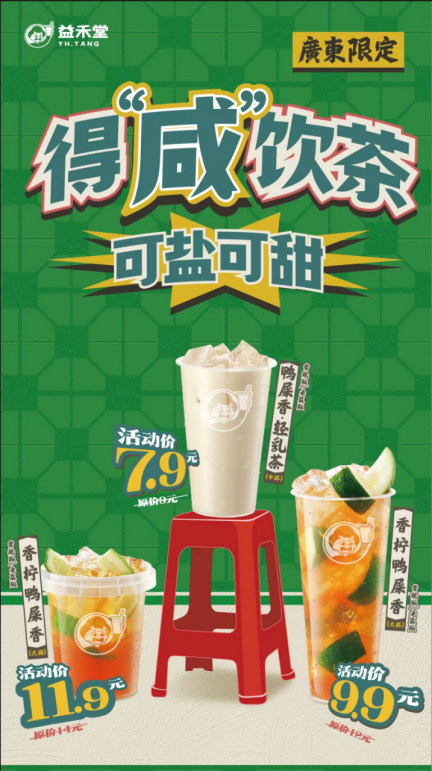
Core Viewpoint - Yihuo Tang has strategically expanded its presence by opening 500 new stores across 25 provinces during the summer back-to-school season in 2025, marking a significant step towards its goal of reaching a "ten thousand store" scale [1] Group 1: Market Expansion - The new 70 stores in the Greater Bay Area cover over ten cities, including Guangzhou, Shenzhen, and Dongguan, highlighting the brand's commitment to this key market [2] - Since its first store opened in Guangdong in 2016, Yihuo Tang has steadily expanded from first-tier cities to second and third-tier city business districts, with over 1,500 stores now in the Greater Bay Area [2][3] - The brand's focus on product innovation is evident, with local favorites like scented lemon tea and brown sugar pearl milk tea being well-received by consumers [2] Group 2: Targeting Young Consumers - Yihuo Tang's strategy emphasizes campus consumption, with 175 of the new stores located in educational districts, reinforcing its connection to student life [3][4] - The brand has over 1,600 stores in universities nationwide, achieving a coverage rate of over 70%, making it the leading new tea drink brand in the campus market [5] - During the college entrance examination period, Yihuo Tang provided free special mint lemon water near exam sites, showcasing its commitment to social responsibility and understanding of young consumer needs [5] Group 3: Marketing Strategies - The brand's marketing approach for the back-to-school season includes promotions that resonate with Generation Z, focusing on social interaction and value [6] - Data indicates a 40-50% increase in foot traffic in educational districts around the back-to-school period, prompting Yihuo Tang to implement targeted promotional strategies [6] - Engaging activities such as "0.99 yuan mint milk green tea" and group purchase options were designed to attract different customer segments [6][8] Group 4: Product Innovation and Cultural Engagement - Yihuo Tang has shown agility in responding to social trends, such as launching a free giveaway of mint milk green tea after its appearance in a popular skit, achieving over 200,000 cups sold in a single day [9] - The brand integrates local culture into its offerings, such as seasonal drinks for university events and themed packaging during exam seasons [9] - Collaborations with popular anime IPs have helped Yihuo Tang connect with younger audiences, expanding its influence within this demographic [9]