黛珂AQ舒活毛孔净澈精华油

Search documents
独家 | 高丝中国换帅,“接棒者”擅长品牌重塑
FBeauty未来迹· 2025-12-12 11:18
Core Viewpoint - Kose Group has recently announced a significant management change in its China operations, appointing Ishii Yasuhiro as the new General Manager starting January 1, 2026, as part of its restructuring and performance recovery strategy for the Chinese market [3][20][25] Group 1: Management Changes - Ishii Yasuhiro, who has extensive experience in the Chinese market, will take over from the current Chairman and General Manager, Shinohara Kazuki, who will return to the headquarters to lead the Consumer Brand division [3][4] - This management change aligns with Kose's long-term strategy for 2030 and reflects the company's commitment to prioritize the Chinese market for global growth [3][20] Group 2: Ishii Yasuhiro's Background - Ishii has a diverse career spanning cosmetics, food, and electronics, with significant roles in Shiseido and other companies, focusing on brand marketing, channel development, and digital transformation in China [6][9] - His fluency in Chinese and deep understanding of local market dynamics position him as a strategic asset for Kose as it seeks to enhance its local operations [9][10] Group 3: Strategic Focus and Market Response - Under Ishii's leadership, Kose aims to solidify Decorte and Sekkisei as its core brands in China, targeting both high-end and mass markets through differentiated strategies [13][17] - The company has reported a rebound in sales in the Chinese market, with a notable increase in online average transaction value by 109% year-on-year, indicating a successful response to market demands [15][18] Group 4: Organizational Transformation - Kose is transitioning to a holding company structure, which will grant greater autonomy to its subsidiaries, including Kose China, enhancing operational efficiency and market responsiveness [20][23] - The new governance structure is designed to align with Kose's long-term vision of becoming a lifelong beauty partner, emphasizing the need for adaptability in a competitive market [23][25]


“全球首款量子护肤”亮相,高丝以科技创新重塑日妆竞争力
FBeauty未来迹· 2025-11-14 09:55
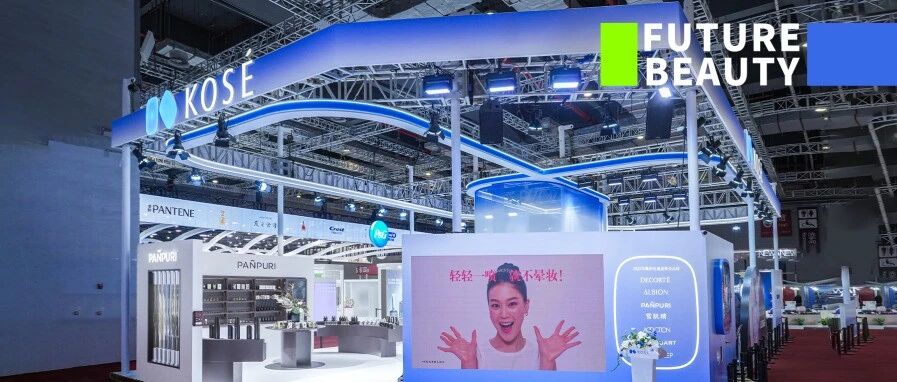
Core Insights - Kose Group is transitioning from a defensive strategy to a strategic offensive approach in the Chinese market, emphasizing localization and technological differentiation in response to the evolving beauty market dynamics [3][31]. Group 1: Kose's Market Strategy - Kose has participated in the China International Import Expo for five consecutive years, showcasing its commitment to the Chinese market [3]. - The company aims to transform China from an "important market" to an "innovation engine" through its unique "smart beauty" logic [3][4]. - Kose's recent strategic shift includes a focus on local innovation and technology, moving away from mere scale expansion [3][31]. Group 2: Product Innovation - The launch of "Decorte AQ Active Pore Cleansing Oil," a product developed using quantum computing technology, marks a significant innovation in the cosmetics industry [5][7]. - This product is the first of its kind to apply quantum computing in cosmetics formulation, significantly reducing the time required for product development [7][10]. - Kose's research team has created a universal artificial pore model to address the complex issue of pore blockage, leading to the development of a scientifically-backed product [11][15]. Group 3: Market Performance - Kose's recent financial report indicates a remarkable 20.9% growth in the Chinese market, signaling a recovery after six consecutive quarters of decline [34]. - The company is expected to achieve profitability for the year, reflecting a successful turnaround strategy [34]. Group 4: Corporate Governance - Kose Group is transitioning to a holding company structure, marking a significant shift in its governance model, which is expected to enhance its adaptability to market changes [34][37]. - The appointment of a new CEO from within the company signifies a move towards modern corporate management practices [35][37]. Group 5: Future Outlook - Kose plans to leverage advanced technologies like quantum computing and iPS cell research to develop products tailored to Chinese consumer needs [42]. - The company is committed to expanding its brand presence and product offerings in China, aiming for a more localized approach to meet diverse consumer demands [40][41].
8大外资集团总裁最新表态,洞见中国美妆市场未来
FBeauty未来迹· 2025-11-10 10:17
Core Viewpoint - The article highlights the significant shift in international beauty companies' strategies from "deepening local presence" to "empowering global results," driven by China's innovation ecosystem and supply chain capabilities [3][6][32]. Group 1: L'Oréal - L'Oréal views China as a crucial market and innovation hub, celebrating the 20th anniversary of its R&D center in China, emphasizing that investing in China is investing in the future [5][6]. - The company announced three major achievements at the expo, including the release of a sociology book on beauty, a partnership for consumer rights protection, and a strategic collaboration with Alibaba Cloud [7]. Group 2: Procter & Gamble - Procter & Gamble emphasizes innovation as a means to enhance consumer lives, focusing on consumer-centered strategies to drive category growth and value creation [9][10]. - The company has seen positive market responses to its commitment to innovation and consumer needs, leading to a more sustainable growth path [9][11]. Group 3: Estée Lauder - Estée Lauder's participation in the expo marks a significant moment as it showcases all its brands in China, reflecting its commitment to deepening interactions with Chinese consumers [14]. - The company reported a 9% organic sales growth in mainland China, highlighting its strong performance in the high-end beauty market [14]. Group 4: Shiseido - Shiseido positions itself as an industry innovator, focusing on addressing core challenges in the beauty sector while expanding its scientific and sustainable practices [17][18]. - The launch of the RQ PYOLOGY brand at the expo signifies Shiseido's commitment to the future of the beauty industry in China [19]. Group 5: Amorepacific - Amorepacific views the expo as a strategic platform for deep dialogue with the Chinese market, focusing on local innovation and sustainable development [21][22]. - The company aims to enhance its local R&D capabilities and consumer engagement through various initiatives [25][24]. Group 6: Kao - Kao emphasizes its commitment to the Chinese market, showcasing a diverse range of products and innovations at the expo [28][29]. - The company highlights its collaborative approach between its Japanese headquarters and local R&D teams to meet Chinese consumer needs [30]. Group 7: Henkel - Henkel's participation in the expo reflects its long-term strategic planning and commitment to the Chinese market, showcasing new products and innovations [37][39]. - The company aims to transition from a multi-brand operator to a value chain leader, enhancing its local manufacturing capabilities [39].




直击2025年进博会:美妆巨头们最务实的一次亮相
Xin Lang Cai Jing· 2025-11-10 05:53
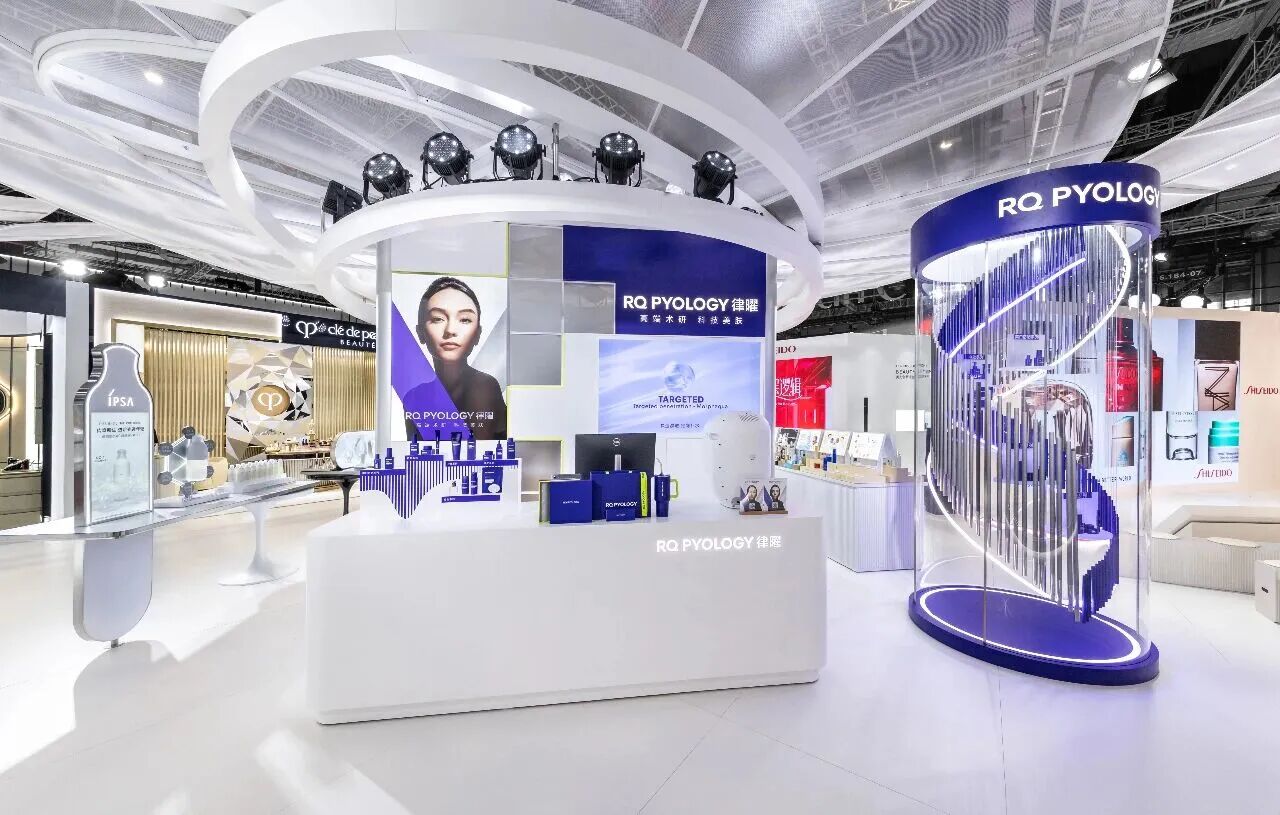
Core Viewpoint - The 2025 China International Import Expo (CIIE) saw a lower participation rate from leading beauty companies, reflecting a trend of market growth slowing down and companies opting for cost-saving measures while still seeking innovative product development and localized strategies [1][2]. Group 1: Product Innovation and Localization - New products are taking center stage, with a focus on localized customization being a key theme among multinational companies [2][4]. - Shiseido's medical beauty brand RQ PYOLOGY showcased a new project developed in collaboration with local institutions, emphasizing the importance of local partnerships in innovation [2][4]. - The introduction of a unique "skin rhythm" evaluation system by RQ PYOLOGY aims to provide precise skin condition analysis, highlighting a shift towards research-driven, localized product strategies [4][20]. Group 2: Mature Brand Strategy - Multinational companies are increasingly favoring the introduction of mature brands into the Chinese market as a pragmatic response to slowing growth, leveraging established supply chains and faster market entry [9][11]. - Shiseido's fragrance and beauty brand Serge Lutens made its debut at the expo, with plans for formal entry into the Chinese market next year [11][13]. - The professional skincare sector is also witnessing a wave of established brands entering the market, such as Amorepacific's Aestheline and L'Oréal's Dr.G, indicating a trend towards stability and reliability in brand offerings [11][13]. Group 3: Technological Innovation - Technology is redefining competitive boundaries, with brands like Kosé utilizing quantum computing to enhance product formulation efficiency [17][20]. - L'Oréal released a white paper on PDRN (Polydeoxyribonucleotide) applications in skincare, showcasing its potential in anti-aging and skin longevity [20][22]. - Chinese companies like Huaxi Bio are also responding to global anti-aging trends with systematic research on ECM (extracellular matrix) solutions, indicating a robust focus on scientific innovation [22][24]. Group 4: Market Trends and Consumer Focus - Beauty brands are shifting from aggressive marketing tactics to enhancing user experience, focusing on product efficacy and consumer needs [9][20]. - The emphasis on practical innovation reflects a broader industry consensus that growth is returning to a more rational and realistic trajectory, prioritizing verifiable product effectiveness over mere concepts [24].
高丝披露中国市场战略:绝不退出,转守为攻
FBeauty未来迹· 2025-07-30 12:58
Core Viewpoint - Kose Group is committed to the Chinese market, viewing it as a core part of its global strategy and a key driver for innovation and sustainable growth. The company has transitioned from a defensive to an offensive strategy in China, emphasizing its long-term development plans [2][5][17]. Group 1: Strategic Positioning - Kose Group's chairman, Shinohara Kazuhiko, emphasized that the channel optimization and brand restructuring starting in the second half of 2024 is not a retreat but a necessary evolution for long-term growth [5][17]. - The company aims to redefine high-end value and strengthen brand presence in the competitive Chinese market, particularly through its premium brands Decorte and Sekkisei [7][12]. Group 2: Market Performance and Challenges - The high-end cosmetics market in China is experiencing a compound annual growth rate decline of 3% from 2021 to 2024, with market size shrinking from 257.8 billion yuan to 236.4 billion yuan, indicating a loss of 21.4 billion yuan [10]. - Kose recognizes the need to adapt to changing consumer demands and has initiated a structural reform to enhance its competitive edge in the high-end segment [12][32]. Group 3: Product Strategy and Innovation - Kose is focusing on three high-end product lines to enhance brand loyalty and consumer desire, including the Decorte AQ series, which has seen significant online engagement and sales growth [15][21]. - The company plans to introduce new products targeting high-end segments, such as the LIPOSOME lip essence and a quantum-computed formula for a new skincare product, aiming to capture market attention [17][18]. Group 4: Marketing and Consumer Engagement - Kose is enhancing its marketing strategies by leveraging social media and e-commerce platforms to reach a broader audience, including younger consumers and male demographics [22][23]. - The company is also simplifying its product lines to better align with market demands while maintaining its classic offerings [24][32]. Group 5: Localization and Talent Development - Kose is committed to localizing its research and development efforts, having stationed researchers in China since 2004 to better understand consumer needs [38][40]. - The company emphasizes the importance of cultivating local talent to drive innovation and responsiveness in its operations, with plans for ongoing training and leadership development [44]. Group 6: Future Outlook - Kose is optimistic about the long-term growth potential of the Chinese beauty market, focusing on personalized and effective product offerings to meet evolving consumer expectations [48]. - The company's strategic transformation is seen as a comprehensive restructuring that integrates R&D, marketing, and organizational frameworks to foster sustainable innovation capabilities [48].