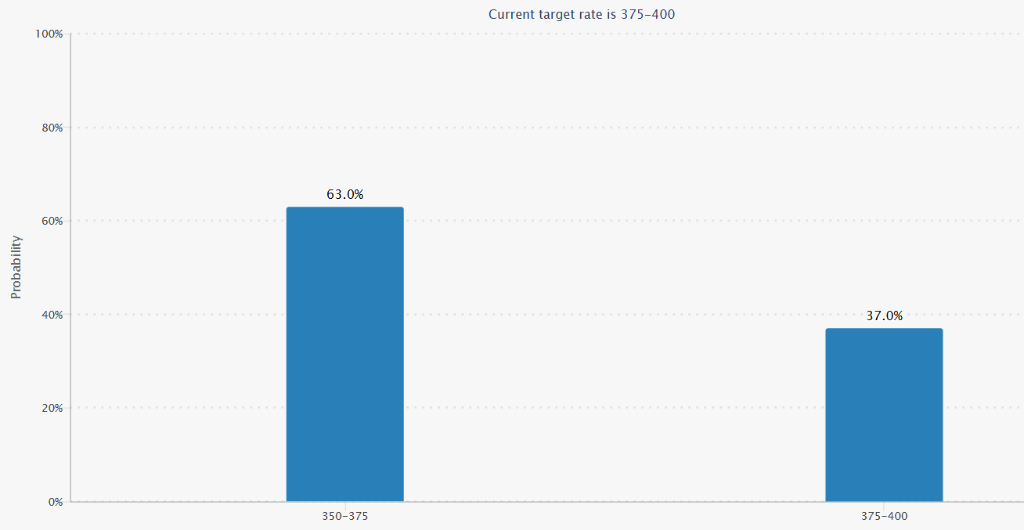
12月担保隔夜融资利率(SOFR)期货

Search documents
12月降息悬了?美联储内部现六年来罕见分歧,“老债王”格罗斯出手做空美债!
美股IPO· 2025-11-01 16:03
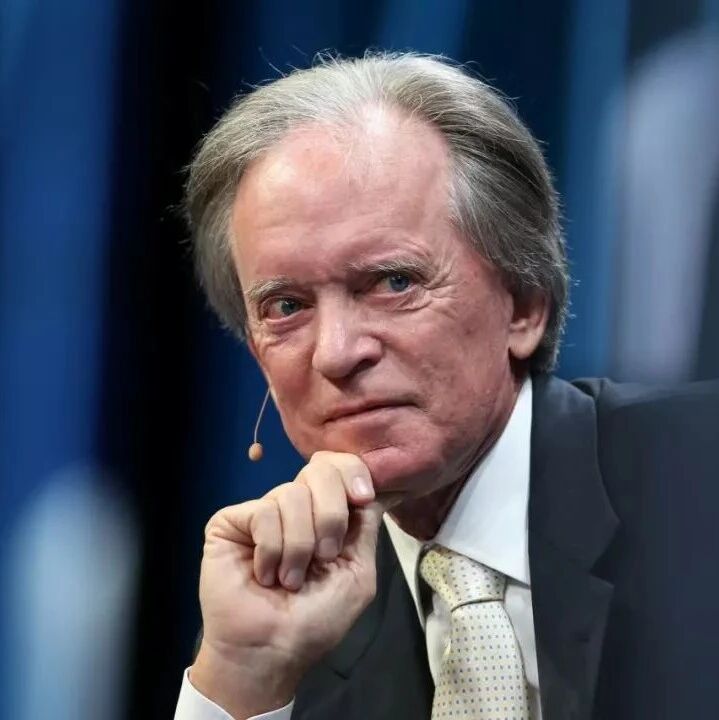
Group 1 - The Federal Reserve's recent interest rate decision saw two dissenting votes among the 12 committee members, marking a rare occurrence of opposing views, with one member advocating for a 50 basis point cut and another for maintaining the current rate [1][6] - The uncertainty surrounding the Fed's policy path has led to increased market volatility, with notable figures like Bill Gross beginning to short U.S. Treasury bonds [4][9] - The probability of a rate cut in December has decreased significantly from 91.7% to 63% according to the CME FedWatch Tool, indicating a shift in market expectations [2][5] Group 2 - Bill Gross, co-founder of PIMCO, has expressed a bearish outlook on U.S. Treasuries, citing concerns over rising deficits and a weakening dollar as key factors influencing his decision to sell 10-year Treasury futures [3][11] - The internal divisions within the Federal Reserve are becoming a focal point for market participants, with various officials presenting differing views on the necessity of rate cuts [6][8] - Analysts suggest that in the current environment, investors may need to adjust their strategies towards longer-term bonds, which are less sensitive to short-term policy fluctuations [11]

12月降息悬了?美联储内部现六年来罕见分歧,“老债王”格罗斯出手做空美债!
华尔街见闻· 2025-11-01 11:10
Core Viewpoint - The article discusses the increasing uncertainty in the market due to the Federal Reserve's mixed signals regarding interest rate decisions, highlighted by the divergence among its members and the actions of prominent investors like Bill Gross [2][5][10]. Group 1: Federal Reserve's Policy Divergence - Federal Reserve Chairman Jerome Powell acknowledged strong differing opinions within the FOMC, with two dissenting votes in the recent rate decision [5][6]. - Some officials advocate for a significant rate cut, while others prefer to maintain the current rates, indicating a lack of consensus [5][7]. - The probability of a rate cut in December has dropped from 91.7% to 63% according to the CME FedWatch Tool, reflecting market uncertainty [2][4]. Group 2: Bill Gross's Investment Strategy - Bill Gross, co-founder of PIMCO, has begun selling U.S. Treasury futures, betting on rising yields due to high deficits and excessive debt issuance [4][10]. - Gross expressed a bearish outlook on U.S. Treasuries, citing risks from an expanding deficit and a weakening dollar [11][12]. - He believes that even with a slowdown in economic growth, the supply of U.S. Treasuries is too high, leading to his decision to sell 10-year Treasury futures [12]. Group 3: Market Reactions and Strategies - Analysts suggest that in the current environment, investors should adjust their strategies towards longer-term bonds, which are less affected by short-term policy fluctuations [13]. - High U.S. Treasury yields are supporting the dollar index, making dollar cash holdings more attractive to global investors [14]. - Morgan Stanley's currency team has shifted its outlook on the dollar to neutral after the Fed's October meeting, advising to close short positions on the euro and yen [15].
12月降息悬了?美联储内部现六年来罕见分歧,“老债王”格罗斯出手做空美债!
Hua Er Jie Jian Wen· 2025-11-01 02:11
Core Insights - The Federal Reserve's internal divisions and uncertainty regarding interest rate decisions have intensified, with Chairman Powell indicating that a rate cut in December is not guaranteed [1][4] - Bill Gross, a prominent investor, has begun shorting U.S. Treasury futures, betting on rising yields due to high deficits and excessive bond issuance [3][5][6] Group 1: Federal Reserve's Internal Dynamics - The Federal Reserve is experiencing unprecedented internal dissent, with two out of twelve voting members opposing the recent rate decision, highlighting differing views on whether to cut rates or maintain them [4] - Some members, like Jeff Schmid, argue for holding rates steady due to a balanced labor market and persistent inflation, while others, including Governor Waller, advocate for a rate cut based on labor market concerns [4][6] - This level of disagreement is noted as the first of its kind in six years, suggesting potential for ongoing divergence in future policy decisions [4] Group 2: Market Reactions and Investment Strategies - Bill Gross's decision to sell 10-year Treasury futures reflects a bearish outlook on U.S. government bonds, driven by concerns over expanding deficits and a weakening dollar [5][6] - Analysts suggest that in the current environment, investors should consider shifting strategies towards longer-term bonds, which are less sensitive to short-term policy changes [6] - High U.S. Treasury yields are supporting the dollar, making it more attractive for global investors, as expectations for Fed rate cuts have moderated [7]