
A16制程技术

Search documents
台积电起诉前高管窃密2nm技术叛逃 英特尔CEO回应
Sou Hu Cai Jing· 2025-11-28 07:13
Core Points - TSMC has filed a lawsuit against former senior vice president Luo Wei-ren for allegedly taking confidential 2nm technology to Intel after leaving the company [1] - Luo Wei-ren had signed non-disclosure and non-compete agreements during his tenure at TSMC, promising not to work for competitors after leaving [1] - Intel's CEO Pat Gelsinger has publicly supported Luo, claiming the accusations are baseless and emphasizing Luo's previous contributions to wafer process technology development at Intel [2] Group 1 - TSMC's lawsuit is based on concerns that Luo may use or disclose trade secrets to Intel [1] - Luo Wei-ren's background includes a PhD from UC Berkeley and a long career in semiconductor technology, including roles at both TSMC and Intel [1] - The legal action reflects TSMC's commitment to protecting its intellectual property and competitive advantage in advanced semiconductor manufacturing [1] Group 2 - Intel's response highlights the company's support for Luo and its stance on the allegations, indicating a potential conflict between the two companies [2] - Gelsinger's internal communication to employees reinforces Intel's position on the matter and aims to maintain morale amid the controversy [2] - The situation underscores the competitive dynamics in the semiconductor industry, particularly regarding talent movement and intellectual property [2]


资深高管窃密“投敌”,台积电点名炮轰英特尔
Xin Lang Ke Ji· 2025-11-28 03:26
Core Viewpoint - TSMC has filed a lawsuit against former senior executive Luo Wei-ren for allegedly taking valuable trade secrets to Intel, raising concerns about competition and the semiconductor industry landscape [1][11]. Group 1: Legal Action and Allegations - TSMC officially filed a lawsuit against Luo Wei-ren for violating non-compete agreements and trade secret laws, specifically accusing him of transferring core business secrets to Intel [1][11]. - The lawsuit highlights TSMC's anger towards Intel, indicating the seriousness of the allegations and the potential implications for both companies [1][6]. Group 2: Background of Luo Wei-ren - Luo Wei-ren, aged 75, has a distinguished career in semiconductor manufacturing, having worked at Intel for 18 years before joining TSMC in 2004, where he played a crucial role in advanced process technology [2][3]. - During his tenure at TSMC, he was instrumental in obtaining over 1500 patents, with around 1000 being U.S. patents, contributing significantly to TSMC's rise as a global leader in chip manufacturing [2][3]. Group 3: Details of the Allegations - TSMC claims that Luo misled the company about his future plans, stating he would pursue an academic career, while he actually joined Intel just three months after his retirement [3][5]. - It is alleged that Luo took sensitive information, including details about 2nm technology and other advanced processes, which could provide Intel with a significant competitive advantage [4][5]. Group 4: Implications for the Semiconductor Industry - The case could have far-reaching effects on the semiconductor industry, particularly regarding talent mobility and intellectual property protection, as it underscores the risks associated with insider knowledge transfer [11]. - TSMC's concerns about the potential leakage of advanced technology to Intel could alter the competitive dynamics in the semiconductor market, especially as both companies vie for leadership in cutting-edge manufacturing processes [5][11]. Group 5: Intel's Position - Intel has remained relatively silent on the allegations, with CEO Pat Gelsinger dismissing them as rumors, while not providing details on the hiring process for Luo [6][9]. - The timing of Luo's move to Intel is critical, as the company is attempting to revitalize its foundry business and regain its competitive edge in semiconductor manufacturing [7][9]. Group 6: Previous Incidents of Data Breach - This incident is not isolated, as TSMC faced a similar data breach earlier in the year involving an employee leaking confidential information to a competitor, raising questions about internal security measures [10]. - The semiconductor industry, characterized by high R&D investments, faces significant challenges in protecting proprietary technologies from unauthorized access and competition [10].
资深高管窃密“投敌”,台积电点名炮轰英特尔|硅谷观察
Xin Lang Ke Ji· 2025-11-28 01:00
Core Viewpoint - TSMC has filed a lawsuit against former senior executive Luo Wei-ren for allegedly taking valuable trade secrets to Intel, highlighting the intense competition in the semiconductor industry and the potential impact on the global chip foundry landscape [2][5]. Group 1: Legal Action and Allegations - TSMC officially filed a lawsuit against Luo Wei-ren for violating non-compete agreements and trade secret laws, specifically accusing him of transferring core business secrets to Intel [2][5]. - The lawsuit has drawn global attention due to the competitive relationship between TSMC and Intel, which could reshape the semiconductor industry [2][5]. - TSMC's legal action is based on Luo's alleged concealment of his intentions to join Intel shortly after retirement, which TSMC views as a breach of trust and contractual obligations [5][8]. Group 2: Luo Wei-ren's Background and Role - Luo Wei-ren, a 75-year-old semiconductor expert, has a significant history in the industry, having worked at Intel for 18 years before joining TSMC in 2004 [3][4]. - During his 21 years at TSMC, Luo played a crucial role in the development of advanced process technologies, holding over 1,500 patents, with approximately 1,000 being U.S. patents [3][4]. - His contributions were pivotal in TSMC's rise as a global leader in chip foundry services, particularly in advanced nodes from 28nm to 2nm [3][4]. Group 3: Technology Transfer and Implications - TSMC alleges that Luo took sensitive information related to 2nm technology and other advanced processes, which could provide Intel with a significant competitive advantage [8][12]. - The 2nm process is set to begin mass production in late 2025 and represents the pinnacle of semiconductor manufacturing technology [8][12]. - If the information is indeed transferred to Intel, it could allow the company to close the technological gap with TSMC and potentially reclaim key customers [8][12]. Group 4: Industry Context and Competitive Dynamics - The relationship between TSMC and Intel has evolved from competition to collaboration and back to rivalry, reflecting the complexities of the semiconductor industry [12][13]. - Intel has faced challenges in maintaining its technological edge, particularly in advanced process nodes, which has led to a reliance on TSMC for some manufacturing needs [12][13]. - The ongoing legal battle may have broader implications for talent mobility and intellectual property protection within the semiconductor sector [17]. Group 5: Internal Control and Security Concerns - TSMC has faced multiple incidents of internal leaks, raising questions about its ability to safeguard sensitive information [14][15]. - The company invests over $10 billion annually in R&D, making the protection of its core technologies critical to its competitive position [17]. - The outcome of the lawsuit could influence future practices regarding employee transitions and the safeguarding of proprietary information in the industry [17].

突发!曝台积电高管窃2nm机密跳槽!
是说芯语· 2025-11-19 05:11
Core Viewpoint - The article discusses the potential misconduct of a former TSMC executive, Luo Wei-ren, who allegedly took confidential technology information to Intel after retiring, raising concerns about corporate espionage and legal implications [1][3]. Group 1: Allegations and Legal Implications - Luo Wei-ren, former senior vice president of TSMC's technology research and development, has reportedly taken a large amount of confidential information related to advanced process technologies (2nm, A16, A14) to Intel after his retirement [1][3]. - TSMC has not yet filed a lawsuit, and the legal status remains unclear; however, if TSMC does file a complaint and confirms the involvement of 2nm secrets, legal actions similar to previous cases of technology theft may be pursued [3]. - The Taiwanese law enforcement is currently gathering evidence to determine if any illegal activities occurred, with a focus on whether Luo's actions constitute a breach of trade secrets [3]. Group 2: Background of Luo Wei-ren - Luo Wei-ren joined TSMC in 2004 and held various senior positions, including vice president of operations and senior vice president of corporate strategy development, during which he led the technology team to secure over 15,000 patents [4]. - His leadership in advanced process upgrades has been significant for TSMC, making his transition to Intel, a direct competitor, particularly concerning for TSMC [3][4].
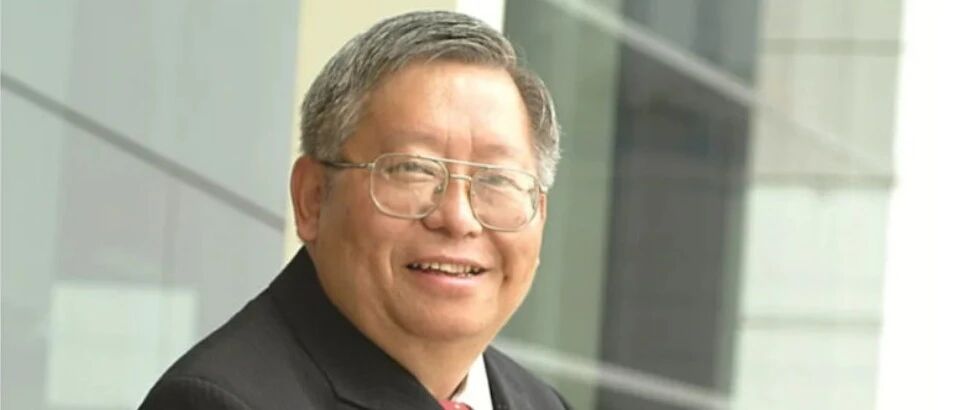
突发!曝台积电高管窃2nm机密跳槽!
国芯网· 2025-11-19 04:45
Core Viewpoint - The article discusses the potential implications of the former TSMC executive, Luo Wei-ren, moving to Intel and the allegations of him taking confidential technology information related to advanced semiconductor processes, which could lead to legal actions if confirmed [1][3]. Group 1: Allegations and Legal Implications - Luo Wei-ren, after retiring from TSMC, reportedly took a significant amount of confidential information regarding 2nm, A16, and A14 process technologies to Intel, raising concerns about potential industrial espionage [1][3]. - TSMC has not yet filed a complaint, and the legal status remains unclear; however, if TSMC does file a complaint, it could lead to investigations similar to previous cases involving TSMC engineers accused of stealing key technologies [3]. - The Taiwanese authorities are currently gathering evidence to determine if any illegal activities occurred, particularly focusing on the potential theft of trade secrets [3]. Group 2: Luo Wei-ren's Background and Contributions - Luo Wei-ren, aged 75, joined TSMC in 2004 and held various senior positions, including Vice President of Operations and Senior Vice President of Corporate Strategy Development, where he significantly contributed to the advancement of TSMC's technology [3][4]. - During his tenure, he led TSMC's technology team to secure over 15,000 patents, establishing a strong foundation for the company's advanced process development [4].
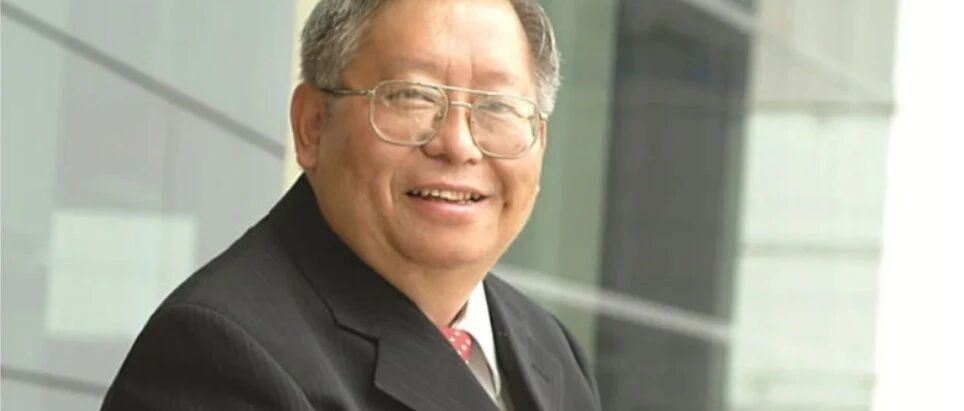
台积电退休高管传带走2nm先进制程技术机密
Jing Ji Ri Bao· 2025-11-18 23:21
Core Points - The former senior vice president of TSMC, Luo Wei-ren, retired in July and joined Intel in October, allegedly taking confidential information related to TSMC's advanced processes [1][2] - TSMC is currently gathering evidence and has not yet filed a complaint with the authorities, while the Taiwanese High Prosecutors Office is investigating potential violations of trade secret laws [2][3] Group 1: Personnel Changes - Luo Wei-ren's transition from TSMC to Intel has raised concerns about the potential misuse of confidential information [1][2] - TSMC typically requires departing executives to sign non-compete agreements, but reports suggest that Luo did not sign such an agreement [2] Group 2: Legal and Regulatory Actions - The Taiwanese High Prosecutors Office is investigating the situation to determine if any laws regarding trade secrets have been violated [2][3] - TSMC has not made any public statements regarding the incident, and Intel has also refrained from commenting on market rumors [2] Group 3: Luo Wei-ren's Contributions - Luo Wei-ren has been with TSMC for 21 years and has played a crucial role in advancing the company's technology, including leading the development of the 10nm process [2] - He has been recognized for his contributions with over 1500 patents and received the TSMC Medal of Honor for his significant technical decisions [2]