商业机密泄露

Search documents
罗维仁住所被突袭!
Xin Lang Cai Jing· 2025-11-29 10:26
Core Points - TSMC has filed a lawsuit against former senior executive Wei-Jen Lo for allegedly leaking trade secrets, prompting an investigation by Taiwanese prosecutors [1][3] - Intel has denied the allegations against Lo, asserting that there is no basis for the claims and emphasizing its commitment to protecting confidential information [3] Group 1: Legal Actions and Investigations - TSMC has initiated legal proceedings in Taiwan against Wei-Jen Lo, citing potential violations of the "Security Law" [1] - Taiwanese prosecutors have conducted searches at Lo's residences, seizing computers and other evidence, and have obtained court approval to freeze his shares and real estate [1] Group 2: Company Responses - Intel has publicly defended Lo, highlighting his respected status in the semiconductor industry and the company's strict internal policies against the misuse of confidential information [3] - TSMC has expressed a strong likelihood that Lo disclosed or transferred its trade secrets to Intel, necessitating legal action to protect its interests [3] Group 3: Background on Wei-Jen Lo - Wei-Jen Lo has a 21-year career at TSMC, where he played a key role in the production of advanced processes such as 5nm, 3nm, and 2nm [3] - After retiring from TSMC, Lo rejoined Intel in October 2023, marking a return to his former employer where he had previously worked for 18 years [3]


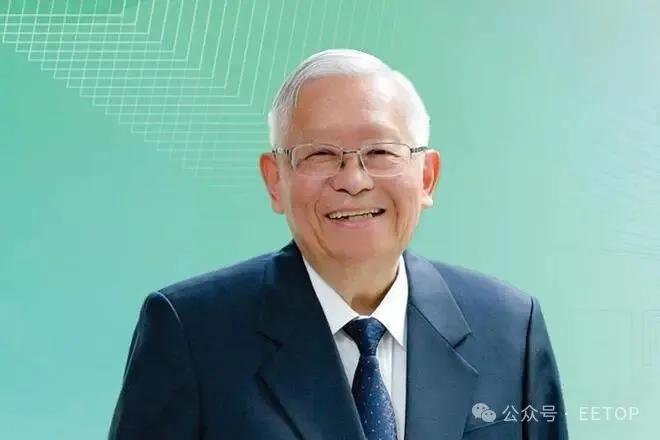
涉嫌向英特尔泄密 台积电前高管住所遭检方搜查、电脑被扣
Sou Hu Cai Jing· 2025-11-27 14:26
Core Points - The Taiwan prosecutors have conducted a search at the residence of former TSMC executive Luo Wei-ren, seizing computers and other evidence [2] - TSMC has filed a lawsuit against Luo for allegedly leaking trade secrets to Intel, which Intel denies, claiming the accusations lack basis [2] - The investigation involved searches at two locations in Taipei and Hsinchu, with the court approving the seizure of Luo's stocks and real estate [2] - Luo worked at TSMC for 21 years, contributing to the production of advanced 5nm, 3nm, and 2nm technologies, before retiring in July and joining Intel in October [2] - Prior to his tenure at TSMC, Luo spent 18 years at Intel [2] Company and Industry Summary - TSMC is actively pursuing legal action against former employees to protect its intellectual property, highlighting the competitive nature of the semiconductor industry [2] - The incident underscores the ongoing tensions and competitive dynamics between TSMC and Intel, two major players in the semiconductor market [2] - The investigation and legal proceedings may impact TSMC's reputation and operational focus, as well as Intel's recruitment strategies in the industry [2]
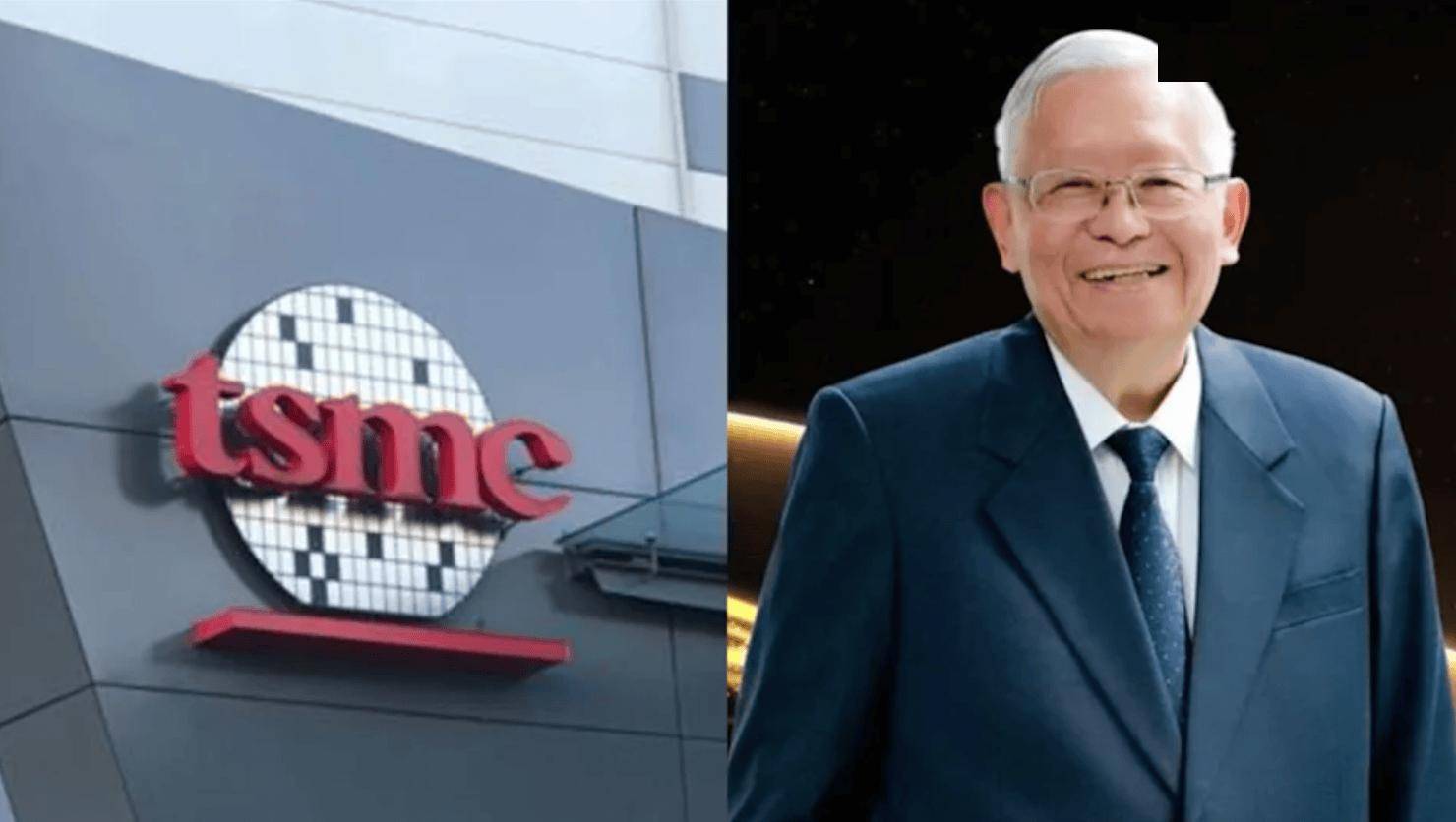
涉嫌泄密?台积电起诉前高管
财联社· 2025-11-25 12:47
Core Viewpoint - The article discusses the recent controversy surrounding TSMC's former senior vice president, Luo Wei-ren, who allegedly took confidential documents related to advanced semiconductor processes when he joined Intel, leading to a lawsuit from TSMC against him for potential breach of confidentiality [2][3][4]. Group 1: TSMC's Legal Action - TSMC has filed a lawsuit against Luo Wei-ren, who retired in July and subsequently joined Intel as an executive vice president, for potentially using or leaking confidential information [3]. - TSMC's legal action is based on Luo's failure to disclose his intention to join Intel during his exit process, despite being reminded of his non-compete obligations [3][4]. - The company had previously extended Luo's retirement age from the standard 67 to 75, indicating his significant role within TSMC [4]. Group 2: Background on Luo Wei-ren - Luo Wei-ren has a Ph.D. in solid-state physics and surface chemistry from UC Berkeley and has a history of working at Intel before joining TSMC in 2004 [4]. - Despite being reassigned to a strategic development role in March 2022, Luo continued to request information from the R&D department, raising concerns about his intentions [4]. Group 3: Industry Context - This incident marks the second significant leak of confidential information from TSMC in recent months, following an earlier case involving nine employees who leaked critical data related to TSMC's 2nm process to Tokyo Electron [6]. - TSMC's internal monitoring led to the discovery of this earlier leak, resulting in the termination and legal action against the involved employees [6].

传台积电75岁退休老将携2nm机密回到“老东家”英特尔担任研发副总裁,带走了“20多箱”涉及台积电先进工艺技术的机密资料
Ge Long Hui· 2025-11-20 02:46
Core Insights - Recent rumors suggest that TSMC's former Senior Vice President of Technology Development and Corporate Strategy, Luo Wei-ren, has returned to Intel as Vice President of R&D after retiring in October [1] - There are allegations that Luo took "more than 20 boxes" of confidential materials related to TSMC's advanced process technologies before his retirement, raising significant concerns [1] Company Insights - TSMC is facing potential intellectual property risks due to the alleged transfer of sensitive technology information to a competitor [1] - Intel may benefit from Luo's expertise and insights into TSMC's advanced technologies, potentially enhancing its competitive position in the semiconductor industry [1]

突发!曝台积电高管窃2nm机密跳槽!
是说芯语· 2025-11-19 05:11
Core Viewpoint - The article discusses the potential misconduct of a former TSMC executive, Luo Wei-ren, who allegedly took confidential technology information to Intel after retiring, raising concerns about corporate espionage and legal implications [1][3]. Group 1: Allegations and Legal Implications - Luo Wei-ren, former senior vice president of TSMC's technology research and development, has reportedly taken a large amount of confidential information related to advanced process technologies (2nm, A16, A14) to Intel after his retirement [1][3]. - TSMC has not yet filed a lawsuit, and the legal status remains unclear; however, if TSMC does file a complaint and confirms the involvement of 2nm secrets, legal actions similar to previous cases of technology theft may be pursued [3]. - The Taiwanese law enforcement is currently gathering evidence to determine if any illegal activities occurred, with a focus on whether Luo's actions constitute a breach of trade secrets [3]. Group 2: Background of Luo Wei-ren - Luo Wei-ren joined TSMC in 2004 and held various senior positions, including vice president of operations and senior vice president of corporate strategy development, during which he led the technology team to secure over 15,000 patents [4]. - His leadership in advanced process upgrades has been significant for TSMC, making his transition to Intel, a direct competitor, particularly concerning for TSMC [3][4].

突发!曝台积电高管窃2nm机密跳槽!
国芯网· 2025-11-19 04:45
Core Viewpoint - The article discusses the potential implications of the former TSMC executive, Luo Wei-ren, moving to Intel and the allegations of him taking confidential technology information related to advanced semiconductor processes, which could lead to legal actions if confirmed [1][3]. Group 1: Allegations and Legal Implications - Luo Wei-ren, after retiring from TSMC, reportedly took a significant amount of confidential information regarding 2nm, A16, and A14 process technologies to Intel, raising concerns about potential industrial espionage [1][3]. - TSMC has not yet filed a complaint, and the legal status remains unclear; however, if TSMC does file a complaint, it could lead to investigations similar to previous cases involving TSMC engineers accused of stealing key technologies [3]. - The Taiwanese authorities are currently gathering evidence to determine if any illegal activities occurred, particularly focusing on the potential theft of trade secrets [3]. Group 2: Luo Wei-ren's Background and Contributions - Luo Wei-ren, aged 75, joined TSMC in 2004 and held various senior positions, including Vice President of Operations and Senior Vice President of Corporate Strategy Development, where he significantly contributed to the advancement of TSMC's technology [3][4]. - During his tenure, he led TSMC's technology team to secure over 15,000 patents, establishing a strong foundation for the company's advanced process development [4].

iOS 26 泄密案被告内讧:否认合谋,650 美元付款成案件核心
Sou Hu Cai Jing· 2025-10-31 00:33
Core Viewpoint - The iOS 26 leak case has taken a dramatic turn, suggesting that it may be more about the defendants shifting blame rather than a high-tech corporate espionage case [1] Group 1: Case Background - The case dates back to July when Apple sued Jon Prosser and Michael Ramacciotti for allegedly conspiring to steal and leak confidential information about the unreleased iOS 26 "Liquid Glass" visual update [1] - Ramacciotti allegedly accessed an internal development iPhone through a friend who is an Apple employee and provided the obtained trade secrets to Prosser, who promised compensation [1] Group 2: Defendants' Responses - Prosser missed the deadline to respond to the court, resulting in a default judgment against him at Apple's request [2] - In contrast, Ramacciotti submitted a written response after two extensions, disputing Apple's allegations [2] Group 3: Key Dispute - A central point of contention is a payment of $650 (approximately 4,617 RMB), which Ramacciotti acknowledged receiving but denied any conspiracy [2] - Ramacciotti claimed there was no prior agreement to steal information or receive payment, stating that the $650 was offered by Prosser after the fact [2] Group 4: Legal Implications - If the court accepts Ramacciotti's argument that the payment occurred after the leak and was not prearranged, Apple's accusations of "collusion" could be significantly weakened [3] - The nature of the incident could shift from "intentional theft" to "negligent disclosure" without evidence of an agreement [3]

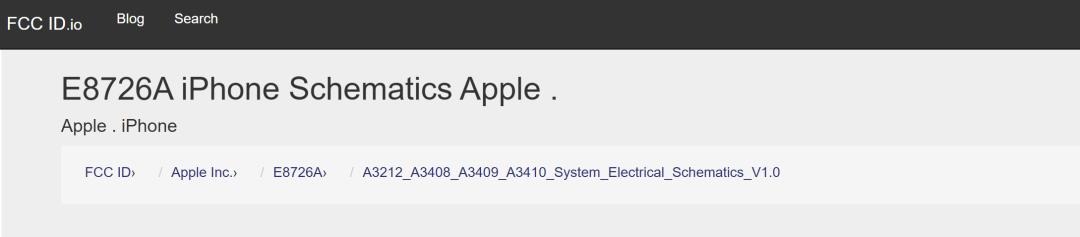
163页iPhone 16e原理图全部泄露,FCC疑似“手滑”,苹果曾一再强调要「无限期保密」
3 6 Ke· 2025-09-30 08:43
Core Insights - The recent leak of the iPhone 16e design schematics by the FCC is considered a significant breach of confidentiality, revealing sensitive information about Apple's internal design logic [1][3][12] Group 1: Leak Details - The leaked document is a 163-page PDF containing the complete circuit schematics for the iPhone 16e, including various technical details that could benefit competitors [3][11] - The document was discovered by a regulatory document tracking website, indicating a potential database configuration error at the FCC [11][12] Group 2: Apple's Response - Apple had previously submitted a formal request to the FCC for indefinite confidentiality regarding the design documents, emphasizing the potential unfair advantage this information could provide to competitors [11][12] - The request categorized documents into those requiring long-term confidentiality (circuit schematics, technical descriptions) and those that could be kept confidential for a shorter period (photos, user manuals) [11] Group 3: Implications for Competitors - The leaked schematics provide competitors with direct insights into Apple's design logic, which could save time and resources compared to reverse engineering a physical device [14] - The availability of such detailed information may also reveal undisclosed patent strategies, further impacting Apple's competitive edge [14] Group 4: FCC's Actions - Following the leak, the FCC has removed the document from its official certification website, indicating an attempt to mitigate the spread of the leaked information [14]