商业机密保护

Search documents
台湾检方起诉Tokyo Electron台湾子公司
日经中文网· 2025-12-03 02:59
Core Viewpoint - The Taiwanese subsidiary of Tokyo Electron has been indicted for its involvement in the theft of trade secrets from TSMC, with prosecutors seeking a fine of 120 million New Taiwan Dollars [2][4]. Group 1: Legal Proceedings - The Taiwanese prosecution has charged Tokyo Electron's subsidiary with violating multiple laws, including the Trade Secrets Act and the National Security Act, marking the first time a corporate entity has been prosecuted under national security laws for technology leakage in Taiwan [4]. - In August, three former TSMC employees were indicted for illegally using TSMC's trade secrets outside Taiwan, specifically related to the development of advanced 2-nanometer semiconductor technology [4]. Group 2: Company Responsibility - Investigations revealed that one of the indicted former TSMC employees joined Tokyo Electron's Taiwanese subsidiary and attempted to use TSMC's trade secrets in optimizing the performance of next-generation semiconductor equipment [5]. - The prosecution determined that Tokyo Electron failed to implement adequate measures to protect trade secrets, indicating a lack of effort in preventing information leaks, and thus holds the company criminally responsible [5]. - Tokyo Electron has stated that it is verifying the details of the announcement from Taiwanese authorities and previously claimed that no organized wrongdoing was found following the indictment of the former employees [5].



台积电2纳米制程泄密案最新进展
Xin Lang Cai Jing· 2025-12-03 02:22
Core Viewpoint - TSMC is involved in a significant technology leak case where a former engineer and two current employees are accused of stealing 2nm process technology and leaking it to a competitor, resulting in legal actions and fines against Tokyo Electron [1][3]. Group 1: Incident Overview - A former engineer, Chen Liming, colluded with two TSMC engineers, Ge Yiping and Wu Bingjun, to steal confidential 2nm process technology [1][2]. - The incident was discovered by TSMC in July 2023, leading to the company filing a complaint with the Taiwan High Prosecutors Office [2][4]. - The three individuals involved have been charged with multiple offenses under Taiwan's Security Law and Trade Secrets Law, with fines sought against Tokyo Electron totaling NT$120 million (approximately US$4 million) [1][3]. Group 2: Background of the Individuals - Chen Liming had an 8-year tenure at TSMC and was involved in advanced process defect improvement roles, including 5nm and 3nm technologies [2][4]. - After leaving TSMC, Chen was recruited by Tokyo Electron as a senior marketing specialist, where he sought assistance from current TSMC employees to access internal systems remotely [2][4]. - All three engineers involved graduated from the same university and had a senior-junior relationship, indicating a close connection among them [2][4]. Group 3: Legal Proceedings - The High Prosecutors Office concluded its investigation on December 2, 2023, and has requested severe penalties for the accused, with Chen facing a combined sentence of 14 years, Wu 9 years, and Ge 7 years [2][4]. - The three engineers were remanded for further investigation, with a decision made to extend their detention for three months [2][4].
Taiwan charges Tokyo Electron unit in TSMC trade secrets case
Reuters· 2025-12-02 10:12
Core Viewpoint - Taiwan prosecutors have charged Tokyo Electron's Taiwan unit with violations of the National Security Act and the Trade Secrets Act following the indictment of a former employee for stealing trade secrets [1] Group 1: Legal Charges - The charges against Tokyo Electron's Taiwan unit stem from allegations of violating national security and trade secret laws [1] - A former employee has been indicted for stealing trade secrets, which has prompted the legal actions [1] Group 2: Implications for the Company - The legal issues may impact Tokyo Electron's operations and reputation in Taiwan, a critical market for semiconductor manufacturing [1] - The case highlights the increasing scrutiny on companies regarding compliance with national security and trade secret regulations in the region [1]

被指向英特尔泄密2nm,台积电前高管住所遭搜查
Guan Cha Zhe Wang· 2025-11-29 00:09
Core Viewpoint - The case involving TSMC's former senior vice president, Luo Wei-ren, who allegedly took confidential information related to advanced semiconductor processes before joining Intel, has raised significant concerns and led to legal actions by TSMC against him [2][4]. Group 1: Allegations and Legal Actions - TSMC has filed a lawsuit against Luo Wei-ren for violating a non-compete agreement and potentially leaking trade secrets after he joined Intel [2][4]. - Taiwanese prosecutors have initiated an investigation into Luo, conducting searches at his residences and seizing computers and USB drives [2][5]. - The prosecutors have also obtained approval to freeze Luo's TSMC stocks and real estate assets [2]. Group 2: Background of Luo Wei-ren - Luo Wei-ren, who retired from TSMC in July 2023, was a key figure in the company's advancement towards 2nm technology and had previously worked at Intel for 18 years [4][5]. - He was recognized for his contributions to TSMC, including the implementation of the "Night Hawk Plan" to enhance 10nm process development [5]. Group 3: Intel's Response - Intel's CEO, Pat Gelsinger, stated that the company adheres to strict policies regarding the use of third-party confidential information and expressed confidence in Luo's return to the team [5][6]. - Gelsinger emphasized that talent mobility is essential for innovation in the semiconductor industry and that Intel is focused on strengthening its engineering culture and advancing its technology strategies [5][6]. Group 4: Industry Implications - Analysts suggest that Luo's expertise could be crucial for Intel's transformation, especially as the company seeks to recover from its manufacturing setbacks [6][7]. - The ongoing investigation and legal proceedings may have broader implications for the semiconductor industry, particularly regarding the protection of trade secrets and competitive dynamics between TSMC and Intel [7].


台积电起诉前高管窃密2nm技术叛逃 英特尔CEO回应
Sou Hu Cai Jing· 2025-11-28 07:13
Core Points - TSMC has filed a lawsuit against former senior vice president Luo Wei-ren for allegedly taking confidential 2nm technology to Intel after leaving the company [1] - Luo Wei-ren had signed non-disclosure and non-compete agreements during his tenure at TSMC, promising not to work for competitors after leaving [1] - Intel's CEO Pat Gelsinger has publicly supported Luo, claiming the accusations are baseless and emphasizing Luo's previous contributions to wafer process technology development at Intel [2] Group 1 - TSMC's lawsuit is based on concerns that Luo may use or disclose trade secrets to Intel [1] - Luo Wei-ren's background includes a PhD from UC Berkeley and a long career in semiconductor technology, including roles at both TSMC and Intel [1] - The legal action reflects TSMC's commitment to protecting its intellectual property and competitive advantage in advanced semiconductor manufacturing [1] Group 2 - Intel's response highlights the company's support for Luo and its stance on the allegations, indicating a potential conflict between the two companies [2] - Gelsinger's internal communication to employees reinforces Intel's position on the matter and aims to maintain morale amid the controversy [2] - The situation underscores the competitive dynamics in the semiconductor industry, particularly regarding talent movement and intellectual property [2]
台积电泄密案升级!罗唯仁住所遭搜查、查封!
国芯网· 2025-11-28 04:42
Core Viewpoint - The article discusses the investigation of former TSMC senior vice president Luo Wei-ren for allegedly leaking sensitive technology information to Intel, marking an escalation in a significant commercial dispute [3]. Group 1: Investigation Details - Taiwanese authorities conducted searches at Luo Wei-ren's residences in Taipei and Hsinchu due to suspicions of violating security laws [3]. - The investigation is focused on allegations that Luo may have leaked TSMC's 2nm process technology to Intel, which Intel has denied [3]. - The Taiwanese Intellectual Property Office stated that the court has approved the freezing of Luo's stocks and real estate [3]. Group 2: Company Responses - TSMC has accused Luo of potentially leaking sensitive information, while Intel has firmly rejected these allegations, stating there is no substantial basis for the claims [3]. - Intel emphasized its strict policies against the use or transfer of third-party confidential information and highlighted Luo's respected status in the semiconductor industry [3]. - The company noted that talent movement between firms is common and healthy in the industry, suggesting that the situation is not unusual [3].
英特尔否认台积电指控:跳槽高管没有泄露芯片机密
Sou Hu Cai Jing· 2025-11-27 02:05
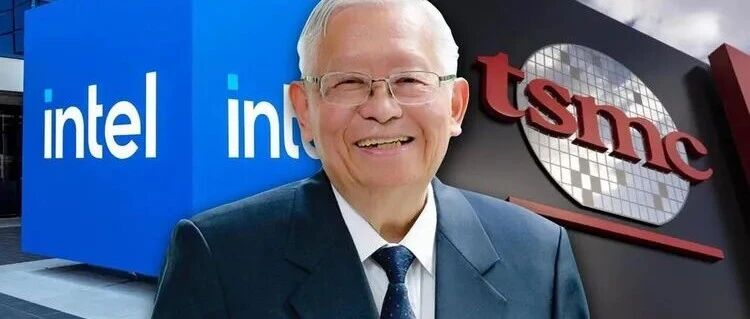
Core Viewpoint - Intel denies allegations from TSMC regarding the leakage of trade secrets by former executive Wei Chen Luo, who recently joined Intel as Executive Vice President [2]. Group 1: Company Actions - Intel emphasizes its strict policies and controls against the use or transfer of third-party confidential information or intellectual property [2]. - The company asserts that it has no reason to believe the allegations against Wei Chen Luo are valid based on current information [2]. Group 2: Legal Proceedings - TSMC has filed a lawsuit against Wei Chen Luo in Taiwan's Intellectual Property and Commercial Court, claiming he violated confidentiality and non-compete agreements [2]. - TSMC alleges that Luo took advanced process-related trade secrets below 2 nanometers when he transitioned to Intel [2].

震惊!字节Seed团队一研究员因多次泄密被开除,曾任职小米
Sou Hu Cai Jing· 2025-11-13 15:37
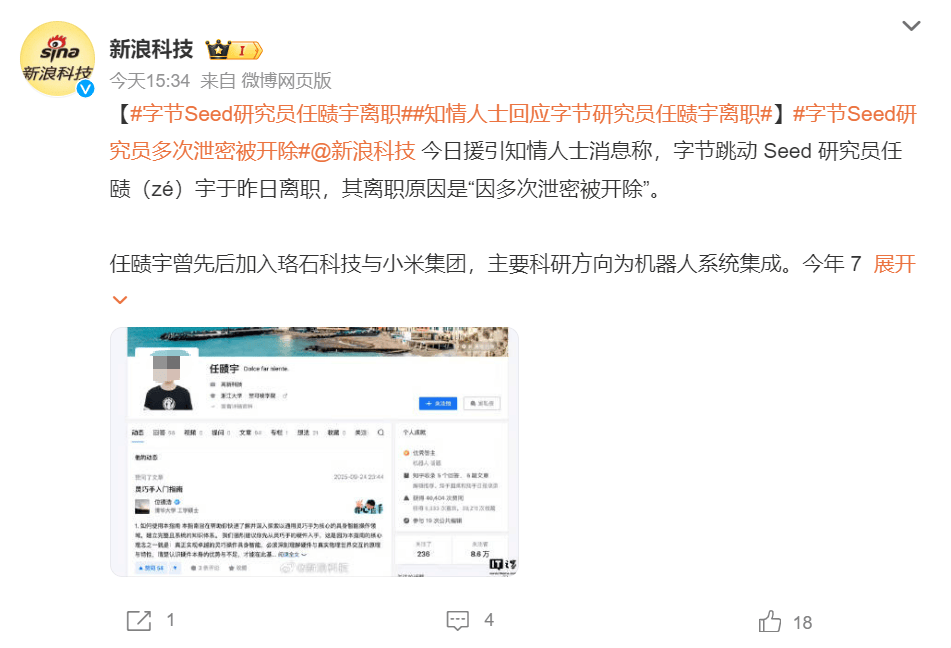
Core Points - ByteDance's Seed researcher Ren Zeyu was dismissed for multiple leaks of confidential information [1][11] - The Seed team focuses on cutting-edge research areas including large language models, speech technology, and robotics [8][10] Group 1: Company Background - Ren Zeyu had a strong background in robotics, having worked at companies like Xiaomi and Lattice Robotics before joining ByteDance [6] - The Seed department was established in 2023 and is considered a strategic asset within ByteDance, contributing to various applications in AI and robotics [8][10] Group 2: Implications of the Dismissal - ByteDance's strict internal discipline and information security management led to the dismissal, reflecting the company's emphasis on confidentiality [11] - Leaks can undermine product competitiveness and damage brand reputation, particularly in high-stakes fields like AI and robotics [12]
OpenAI强硬回击马斯克窃密诉讼!xAI被指恶意人肉离职员工
量子位· 2025-10-04 04:13
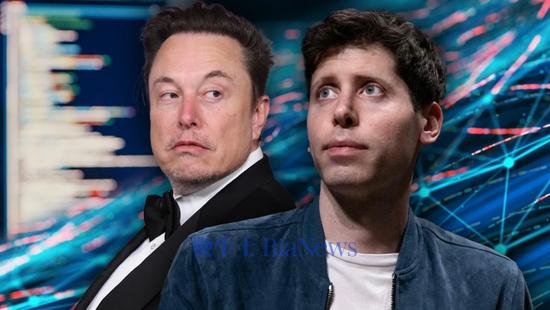
Core Viewpoint - OpenAI has responded strongly to the lawsuit filed by xAI, denying all allegations of corporate espionage and asserting that the lawsuit is an attempt to intimidate its employees [2][3][10]. Group 1: Allegations by xAI - xAI has made three main allegations against OpenAI: violation of federal trade secret laws, intentional interference with xAI's economic relationships with its employees, and violation of California's unfair competition laws [11]. - Specific incidents cited include the alleged theft of proprietary information by former xAI engineers Xuechen Li and Jimmy Fraiture, who are accused of transferring sensitive data to OpenAI [12][14][15]. - xAI also claims that a former senior finance executive left without signing a confidentiality agreement and took critical strategic information to OpenAI [19][20]. Group 2: OpenAI's Defense - OpenAI has categorically denied the allegations, stating that Xuechen Li never officially joined the company and did not transfer any proprietary information [27][29]. - Regarding Jimmy Fraiture, OpenAI asserts that any actions taken during his "garden leave" were personal and not directed by OpenAI, and that no confidential information was received [31][32]. - OpenAI emphasizes that the unnamed finance executive's departure was unrelated to any alleged poaching and was due to refusing to engage in improper financial practices at xAI [33][34]. Group 3: Legal Proceedings - OpenAI has filed a motion to dismiss xAI's lawsuit, arguing that the claims lack merit and that the inclusion of names of former employees not accused of wrongdoing is an act of intimidation [37]. - A hearing for this motion is scheduled for November 18, 2025, which will address procedural matters rather than the substantive issues of the case [38].

忍无可忍,无须再忍:马斯克第六次起诉!
Xin Lang Ke Ji· 2025-09-29 00:43
Core Viewpoint - The ongoing legal battle between Musk's xAI and OpenAI has escalated, with xAI accusing OpenAI of systematically poaching employees and stealing trade secrets, marking the sixth lawsuit in a year and a half [1][12]. Summary by Relevant Sections Allegations and Lawsuits - xAI has filed a lawsuit in federal court, claiming that OpenAI has engaged in a "disturbing pattern" of actions that violate confidentiality agreements, attempting to gain unfair advantages in AI development by luring away key employees [3][11]. - Musk expressed his frustration on his platform, stating that after multiple warnings, legal action was the only option left [3][12]. - The lawsuit details accusations against OpenAI for deliberately recruiting xAI's core staff, including engineers who have access to critical technology and strategic plans [4][5]. Employee Cases - The lawsuit specifically names two engineers, including Xuechen Li, who allegedly downloaded xAI's entire codebase before leaving for OpenAI, and another engineer, Jimmy Fraiture, who also copied technical documents [4][7]. - xAI has successfully obtained a temporary restraining order against Li, preventing him from working at OpenAI or any AI company and requiring him to surrender personal devices for investigation [6][12]. Competitive Landscape - The legal conflict highlights the intense competition in the AI sector, with xAI accusing OpenAI of stealing information to maintain its market dominance, particularly as xAI's Grok model is reported to rival OpenAI's offerings [10][11]. - Musk's xAI has quickly risen in the AI industry, raising significant funds and attracting talent from major tech companies, positioning itself as a formidable competitor to OpenAI [17][20]. Historical Context - The lawsuits represent a significant shift in the relationship between Musk and OpenAI, which he co-founded. Disagreements over the company's direction and its transition to a profit-driven model have fueled Musk's legal actions [18][22]. - Musk's previous lawsuits against OpenAI and its partners, including Microsoft and Apple, reflect ongoing concerns about monopolistic practices in the AI industry [19][21].