ACE具身研发范式

Search documents
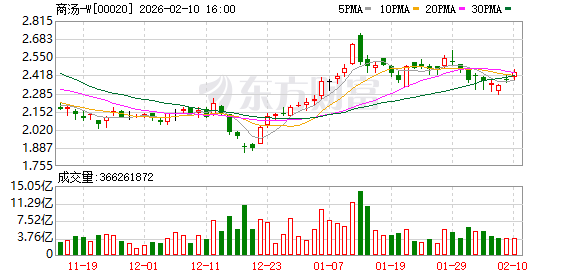
蚂蚁 投了“商汤系”机器人公司
Shang Hai Zheng Quan Bao· 2026-02-10 14:33
Group 1 - The core focus of the news is on the increasing investment in the "brain" sector of robotics, highlighting significant funding rounds for companies like Daxiao Robotics and Qunchu Intelligent [2][3] - Daxiao Robotics, founded in 2025, has completed its angel round of financing led by Ant Group, with participation from several notable investors, emphasizing its innovative "human-centered" ACE embodied research paradigm [2] - The ACE paradigm enables extensive data collection, potentially addressing the "data scarcity" issue in the embodied intelligence industry, with capabilities to gather millions of hours of data annually [2] Group 2 - The industry trend indicates a shift in investment focus from hardware to software in the robotics sector, with companies like Qunchu Intelligent and Zivariable Robotics also securing significant funding [3] - Qunchu Intelligent raised several hundred million yuan in its Series A round, focusing on embodied intelligence technology and infrastructure development [3] - The distinction between embodied intelligence models and traditional language models like ChatGPT is emphasized, with the former requiring integration of multimodal information and complex physical actions, presenting a higher technical challenge [3]


对话大晓机器人董事长王晓刚,解码具身智能落地“三部曲”
Sou Hu Cai Jing· 2026-01-14 00:14
Core Insights - The article discusses the advancements and challenges in the field of embodied intelligence and humanoid robots, highlighting the need for scalable production and systematic operations to support industry growth [2][3]. Group 1: Company Developments - SenseTime's co-founder Wang Xiaogang emphasizes the importance of comprehensive capabilities for establishing a foothold in the humanoid robot sector, indicating that the company is not without its shortcomings [2]. - The launch of the ACE embodied research paradigm and the open-source commercial application of the "Awakening World Model 3.0" are significant milestones for the company, addressing core pain points in embodied intelligence [2][3]. - The company has built a full-link technology system that effectively addresses issues such as data scarcity and generalization difficulties in the industry [2]. Group 2: Industry Standards and Challenges - Wang Xiaogang, who is also involved in the standardization committee for humanoid robots, identifies three main challenges in establishing a standard system: lack of data sharing standards, unclear safety responsibilities, and the need for improved quality standards [3]. - The industry is still in its early stages, requiring collaborative efforts across the sector to develop effective standards [3]. Group 3: Technological Innovations - The ACE paradigm introduces a human-centric approach to data collection, significantly enhancing data quality and reducing costs compared to traditional methods [12][14]. - The new paradigm allows for the collection of millions of hours of data annually, which is crucial for the development of effective embodied intelligence systems [12][14]. - The "Awakening World Model 3.0" integrates multi-modal understanding and predictive capabilities, marking a significant evolution in the field [19][22]. Group 4: Strategic Collaborations - The company has formed strategic partnerships with leading firms in various sectors, including hardware and cloud services, to create a comprehensive ecosystem for embodied intelligence [27][29]. - Collaborations with companies like Galaxy General aim to leverage each other's strengths in technology and production to overcome key technical challenges [29][31]. Group 5: Market Focus and Future Outlook - The company plans to focus on commercial and industrial applications in the next 3-5 years, with an emphasis on high-standard environments like front warehouses and retail storage [32]. - The potential for large-scale deployment in commercial services is highlighted, while industrial applications face challenges due to data sensitivity and low willingness to share [32]. - The company aims to develop a unified platform to support the development of both software and hardware in the industry, similar to NVIDIA's CUDA ecosystem [23].

赵何娟对话王晓刚:什么将是机器人的ChatGPT时刻|2025 T-EDGE全球对话
Tai Mei Ti A P P· 2026-01-05 18:12
Core Insights - The humanoid robotics sector is experiencing rapid growth, with global investment reaching approximately $7 billion in the first nine months of 2025, driven particularly by the Chinese market, marking a 250% increase year-over-year [1] - Despite the investment surge, most humanoid robots remain limited to basic functionalities like dancing and boxing, indicating that technological advancements are still in their infancy [1] - A global dialogue event, the 2025 T-EDGE Global Conversations, is set to take place, focusing on innovative ideas in the AI era, featuring discussions on new research paradigms in embodied intelligence [1] Investment Trends - The humanoid robotics investment reached about $7 billion in the first nine months of 2025, a 250% increase compared to the same period last year [1] - The growth is largely attributed to the Chinese market, highlighting its significant role in the global robotics landscape [1] Technological Developments - Current humanoid robots are primarily engaged in simple tasks, indicating that the technology is still developing and has not yet reached its full potential [1] - The ACE research paradigm introduced by Daxiao Robotics focuses on human-physical world interactions, utilizing environmental data collection to build a comprehensive world model [3][4] - The ACE paradigm aims to create a unified understanding of the world by integrating physical laws, human behavior, and real machine actions, enabling robots to understand and generate complex interactions [3] Research Paradigms - The shift from machine-centric to human-centric research paradigms is emphasized, suggesting that understanding human interactions with the physical world is crucial for advancing embodied intelligence [20] - The new paradigm aims to collect data through human activities using wearable devices and sensors, which can provide insights into physical interactions and behaviors [20][21] - The need for theoretical breakthroughs in understanding physical laws and human-machine interactions is highlighted as essential for the development of effective embodied intelligence [18][19] Future Opportunities - The integration of AI with sensor technology is seen as a significant opportunity, with the potential for a new market in intelligent sensors that can enhance robotic capabilities [32] - The development of a robust ecosystem for AI and sensor integration is crucial for advancing the field, with a focus on creating adaptable models that can work with various hardware [35] - The potential for a large-scale wearable market is anticipated, driven by advancements in AI and sensor technology [30] Industry Insights - The conversation around embodied intelligence reflects a broader trend in AI development, moving towards more complex interactions with the physical world [4][28] - The importance of interdisciplinary talent development is emphasized, as the future of robotics will require expertise in both AI and physical sciences [41] - The company aims to leverage its understanding of human behavior and physical interactions to design robots that can effectively operate in real-world environments [28][47]

大晓机器人发布“以人为中心”ACE具身研发范式
Guan Cha Zhe Wang· 2025-12-22 15:15
Core Insights - The company, Daxiao Robotics, has introduced the ACE embodied research paradigm and the open-source Kairos 3.0 model, aiming to create a self-controlled and collaborative industrial ecosystem in the embodied intelligence sector [1][2]. Group 1: Industry Challenges - The embodied intelligence industry faces a significant data bottleneck, with real machine data limited to 100,000 hours, creating a substantial gap compared to the vast data available in the autonomous driving sector [1]. - Traditional research paths relying on real machine remote control or pure visual learning encounter challenges in cost, efficiency, and generality due to the "machine-centric" development paradigm [1]. Group 2: Technological Innovations - The ACE paradigm emphasizes a "human-centric" approach, shifting the focus from hardware parameters to human interaction in the development process [1]. - Environmental data collection technology, a core component of the ACE paradigm, integrates multi-dimensional data from various modalities, enhancing the training of embodied intelligence models [3]. - This technology enables comprehensive data coverage, supporting complex tasks with hundreds of atomic actions and achieving sub-pixel level precision in tracking intricate human movements [3]. Group 3: Collaborative Ecosystem - Daxiao Robotics has partnered with various hardware manufacturers, including Insta360 and Wolong Electric Drive, to enhance the information collection capabilities of their models and modules [4]. - In the cloud services and data domain, collaborations with companies like SenseTime and Tencent Cloud aim to build a comprehensive support system, reducing R&D costs for small and medium-sized enterprises [4]. - The Kairos 3.0 model has been adapted to work with several domestic chip manufacturers, significantly improving chip performance and fostering a collaborative synergy from foundational computing power to intelligent applications [2][4].

VLA模型走不通,机器人的下一步该怎么走?
Tai Mei Ti A P P· 2025-12-22 12:58
Core Insights - The VLA (Visual-Language-Action) model faces challenges in training due to the scarcity and complexity of physical world data, which is essential for enhancing its capabilities [2] - The shift from a machine-centered to a human-centered AI research paradigm is necessary for training embodied intelligence models [2] Group 1: ACE Paradigm - The ACE (Action-Centric Embodiment) paradigm focuses on human interaction with the physical world as the starting point for research, utilizing environmental data collection as a core engine [3] - The ACE framework integrates first-person and third-person video, haptic information, motion trajectories, and voice data to create a physics-based 3D asset library [3] Group 2: Open Source Model - The "Awakening World Model 3.0" has been released as an open-source and commercially applicable model, aiming to unify understanding across different domains by integrating physical laws, human behavior, and real machine actions [5] - The platform supports 11 major categories and 54 subcategories, covering 115 types of embodied scenarios, allowing developers to quickly generate visual task simulations with simple commands [5] Group 3: Industry Collaboration - The company collaborates with various robotics firms to integrate the ACE paradigm and world model with hardware solutions tailored for different scenarios [6] - Partnerships with domestic chip manufacturers enhance the computational capabilities of the Awakening World Model 3.0 [6] Group 4: Market Applications - In the short term, the focus will be on deploying quadruped robots with autonomous navigation capabilities in security and inspection sectors [6] - The medium-term strategy includes addressing labor-intensive logistics scenarios, while long-term goals involve exploring applications in home environments, contingent on resolving safety and liability issues [6] Group 5: Industry Trends - The ACE paradigm aligns with trends observed in companies like Tesla and Figure AI, indicating a significant opportunity in the sector over the next one to two years [7]

破解具身智能数据困境 大晓机器人发布“以人为中心”ACE具身研发范式
Huan Qiu Wang· 2025-12-22 08:13
Core Insights - The embodied intelligence industry is facing a dual challenge of data gaps and deviations in research paths, with a significant disparity between the data requirements for intelligent driving and the current data volume in the embodied intelligence field [1] - The traditional research paradigm is deemed ineffective, as it either complicates human interaction or machine learning, leading to high data costs and inefficiencies [1] - To address these challenges, the company has launched the ACE embodied research paradigm and the open-source Awakening World Model 3.0, along with the embodied super brain module A1 [1][3] Group 1 - The ACE paradigm is centered around human-centric data collection, enabling the gathering of millions of hours of data without disrupting human activities, thus significantly increasing efficiency and reducing costs [3] - The Awakening World Model 3.0 integrates multi-modal understanding, generation, and prediction, allowing machines to comprehend physical laws and human behaviors, enhancing their cognitive capabilities [3][4] - The model is open-sourced to promote ecosystem development, allowing various enterprises to utilize its tools and contribute to a shared data pool [4] Group 2 - The embodied super brain module A1 addresses existing hardware limitations by providing 360-degree environmental coverage and enabling autonomous navigation in complex environments without pre-collected high-precision maps [5] - The A1 module is designed to be compatible with various quadruped robots and integrates with multiple industry applications, targeting sectors such as security, energy, and transportation [5] - The company plans to scale the deployment of A1-equipped robots in security inspections and urban governance in the short term, with a long-term vision of expanding into flexible industrial production lines and eventually into household applications [5]

大晓机器人构建具身智能开放新生态
Xin Lang Cai Jing· 2025-12-21 11:28
Core Viewpoint - Daxiao Robotics has launched the ACE embodied research paradigm, the first open-source and commercially applicable Kairos 3.0 world model, and the A1 embodied super brain module, aiming to promote the large-scale commercial implementation and robust development of embodied intelligence through collaboration with industry partners [1] Group 1: Technological Innovations - The ACE embodied research paradigm features a key technology called environmental data collection, which utilizes cross-perspective multimodal devices to integrate multidimensional data such as vision, touch, sound, and mechanics, providing precise data support for embodied intelligence model training [1] - The Kairos 3.0 world model is a multimodal understanding-generating-predicting model that inputs multidimensional information like visual, 3D trajectory, touch, and friction, enabling a deep understanding of the physical laws of the real world and the underlying logic of human behavior [1] - The A1 embodied super brain module relies on a cloud model platform to interpret natural language commands and image semantics in real-time, allowing it to understand complex real-world scenarios like a human and generate executable intermediate instructions for precise execution by underlying controllers [1]
首创ACE具身研发范式,大晓机器人构建具身智能开放新生态
具身智能之心· 2025-12-20 01:02
Core Viewpoint - The article discusses the launch of innovative technologies by DaXiao Robotics, including the ACE embodiment research paradigm, the open-source Kairos 3.0 world model, and the embodiment super brain module A1, aimed at creating a self-controlled, open, and win-win industrial ecosystem for embodied intelligence [1][3][25]. Group 1: ACE Research Paradigm and World Model - DaXiao Robotics has introduced the ACE embodiment research paradigm, which fundamentally innovates the research path for embodied intelligence by focusing on human-centric data collection and interaction with the physical world [12][14]. - The Kairos 3.0 world model enhances the value of real data, achieving a scale of over 100 million hours of data, which is crucial for the development of embodied intelligence [12][18]. - The ACE paradigm allows for the collection of over 10 million hours of data annually through environmental data collection techniques, which integrate various modalities such as visual, tactile, and auditory data [12][14]. Group 2: Technological Innovations and Applications - The embodiment super brain module A1 enables robots to operate in complex and dynamic environments without pre-collected high-precision maps, showcasing robust path generation capabilities [25][27]. - The A1 module can interpret natural language commands and execute tasks with high precision, making it suitable for various applications across multiple industries [27][29]. - DaXiao Robotics has established partnerships with leading chip manufacturers and cloud service providers to enhance the performance of its technologies and facilitate the rapid development of customized embodied intelligence products [23][32][34]. Group 3: Industry Collaboration and Ecosystem Development - The company emphasizes the importance of ecosystem collaboration, working with various partners across the supply chain, including hardware, chip, and cloud service providers, to create a comprehensive and self-controlled ecosystem for embodied intelligence [30][31]. - DaXiao Robotics aims to lead the scale development of China's embodied intelligence industry by continuously innovating technologies and fostering collaborative efforts with industry partners [31][33].

具身智能行业 着力构建自主创新生态
Zheng Quan Ri Bao· 2025-12-19 22:31
Core Insights - The article discusses the rapid advancement of embodied intelligence technology and the establishment of an ecosystem by industry players, particularly highlighting the launch of innovative products by Shanghai Daxiao Infinite Robotics Co., Ltd. [1] Group 1: Product Launches and Innovations - Daxiao Robotics introduced the ACE embodied research paradigm, the open-source Kairos 3.0 world model, and the A1 embodied super brain module, aiming to create a fully autonomous and controllable industrial ecosystem [1][2] - The Kairos 3.0 model is the first open-source and commercially applicable embodied world model, capable of processing multi-dimensional information to understand physical laws and human behavior [2] - The A1 super brain module is designed to accelerate the commercialization of robots, with strategic partnerships announced for various applications, including retail and inspection [3] Group 2: Data Collection and Value - The ACE research model utilizes environmental data collection, enabling the gathering of millions of hours of data annually, which enhances the overall data value to over 100 million hours [2] - The technology aims to provide four core data values: comprehensive data dimensions, long-range task coverage, high interaction precision, and scalable collection efficiency [2] Group 3: Market Potential and Industry Collaboration - The retail sector is identified as a rapidly growing market, with significant potential for robots to address operational challenges in front warehouses and flash purchase warehouses [4] - Daxiao Robotics is collaborating with various industry partners across different fields, including hardware, chips, and cloud services, to build a comprehensive ecosystem [5][6] - The company anticipates significant orders in software-related areas and aims for large-scale product launches in the coming year [4]
让机器人拥有“超级大脑” 大晓机器人构建具身智能开放新生态
Xin Lang Cai Jing· 2025-12-19 17:25
Core Insights - The company, DaXiao Robotics, has launched the industry's first ACE embodied research paradigm and the open-source Kairos 3.0 model, aiming to create a fully autonomous and controllable industrial ecosystem [2][5] - The focus is on product implementation in real-world scenarios, differentiating from other humanoid robot companies by leveraging past industry experiences to enhance robotic capabilities [2][5] Group 1: Technological Innovations - The A1 embodied super brain module allows robotic dogs to operate in complex and dynamic environments without pre-collected high-precision maps, showcasing robust and safe path generation capabilities [3] - The ACE embodied research paradigm emphasizes a human-centric approach, enabling extensive data collection and maximizing the value of real data through the Kairos 3.0 model [3][4] Group 2: Data Collection and Model Training - The core technology of the ACE paradigm is the environmental data collection, integrating multi-dimensional data from various modalities to support the training of embodied intelligence models [4] - This technology has been successfully applied in real-time retail warehousing, covering thousands of SKUs and completing the entire sorting and packaging process [4] Group 3: Future Directions - DaXiao Robotics aims to continue technological innovation and deepen ecosystem collaboration to accelerate the implementation of industry-level embodied intelligence solutions [4][5] - The company is committed to building a self-controlled and leading development path for China in the global smart technology competition [5]