
ADAS功能

Search documents
新能源车交付前夜,大众每天都在“算账”
3 6 Ke· 2025-11-11 01:11
Core Insights - Volkswagen Group is facing challenges in its financial performance, particularly in China, where it has invested heavily in transformation efforts [1][3] - The company aims to increase its electric vehicle (EV) sales significantly by 2026, with a target of over 20 new EV models and a sales share rising from 5% to double digits [2] - Volkswagen's CFO for China, Patrick Heinecke, emphasizes the importance of local innovation and efficient operations to ensure sustainable profitability in the Chinese market [1][2] Financial Performance - Volkswagen Group's third-quarter results indicate ongoing financial decline, with a warning of continued losses in the next two years [3] - The company reported a drop in investment returns from joint ventures in China, forecasting profits to decrease from €2.6 billion in 2023 to €1.7 billion in 2024, and further to €0.5-1 billion in 2025 [4] - The profitability of EVs is a critical concern, as the company anticipates that the transition phase will not yield parity in profit margins between traditional fuel vehicles and EVs until the later stages of its planning cycle, likely around 2030 [2][4] Cost Optimization Efforts - Volkswagen is actively engaged in cost optimization, with a goal to reduce costs by 40% compared to previous global platforms, aiming for a 50% reduction in the long term [7][8] - The company is focusing on detailed cost analysis and price forecasting through intensive product workshops, involving all team members in the process [2][6] - The management team is prioritizing the prediction of market price trends and optimizing costs across all vehicle segments to enhance profitability [6][7] Strategic Investments - Recent investments include a partnership with Horizon Robotics to develop system-level chips, with an investment of approximately $200 million, and the opening of a new Porsche R&D center in Shanghai [9] - Volkswagen is committed to maintaining control over core technologies in the Chinese market, despite speculation about shifting to external collaborations for software development [8][9] Market Position and Future Outlook - Volkswagen anticipates that its joint venture profits will rebound to €2 billion by 2027 and reach €3 billion by 2030, supported by new ventures like Volkswagen Anhui [5] - The company acknowledges the competitive landscape in the A-segment market, which is more challenging than the B and C segments, impacting overall profitability [5][6] - The focus on enhancing capital efficiency in the fuel vehicle segment is crucial as the market share for fuel vehicles continues to decline, currently standing at 22% in China [8]
新能源车交付前夜 大众每天都在“算账”
经济观察报· 2025-11-10 14:41
Core Viewpoint - Volkswagen Group is undergoing a significant transformation in China, focusing on cost optimization and the transition to electric vehicles, while facing challenges in profitability and market competition [2][4][10]. Investment and Financial Performance - Volkswagen Group's third-quarter financial report indicates ongoing performance decline, with a notable investment of €50 billion in transformation efforts in China [2][3]. - The CFO of Volkswagen China, Patrick Heinecke, emphasizes the importance of establishing a sustainable profit model in the Chinese market, which is crucial for the global transformation success [2][3]. - Investment returns from joint ventures in China are projected to decrease from €2.6 billion in 2023 to €1.7 billion in 2024, with further declines expected in 2025 [7]. Sales and Market Strategy - Volkswagen aims to increase the share of electric vehicle sales from 5% to double digits by 2026, with over 20 new electric models planned [3][4]. - The profitability of electric vehicles is expected to remain lower than that of traditional fuel vehicles during the transition phase from 2025 to 2026, with a target to achieve parity by the end of the planning cycle, likely around 2030 [3][4]. Cost Optimization Efforts - The current focus for Volkswagen China is on meticulous cost analysis and optimization, with a significant reduction in costs by 40% compared to previous global platforms, aiming for a 50% reduction in the long term [3][11]. - The management team is actively engaged in product workshops to analyze cost details and predict pricing, indicating a shift towards a more cost-conscious operational approach [4][10][12]. Challenges and Future Outlook - Despite the anticipated growth in electric vehicle sales, Volkswagen acknowledges that the scale of electric vehicle production is still insufficient to match the profitability of fuel vehicles, necessitating careful management of R&D and investment expenditures [7][10]. - The competitive landscape in the A-segment market is particularly fierce, impacting profit margins, while Volkswagen expects joint venture profits to rebound to €2 billion by 2027 and reach €3 billion by 2030 [7][8]. Technological Investments - Volkswagen is committed to maintaining core technology in software development and has announced new investments, including a $200 million collaboration with Horizon for system-level chip design [13]. - The establishment of a new Porsche R&D center in Shanghai signifies Volkswagen's dedication to enhancing its local value chain and technological capabilities in China [13].

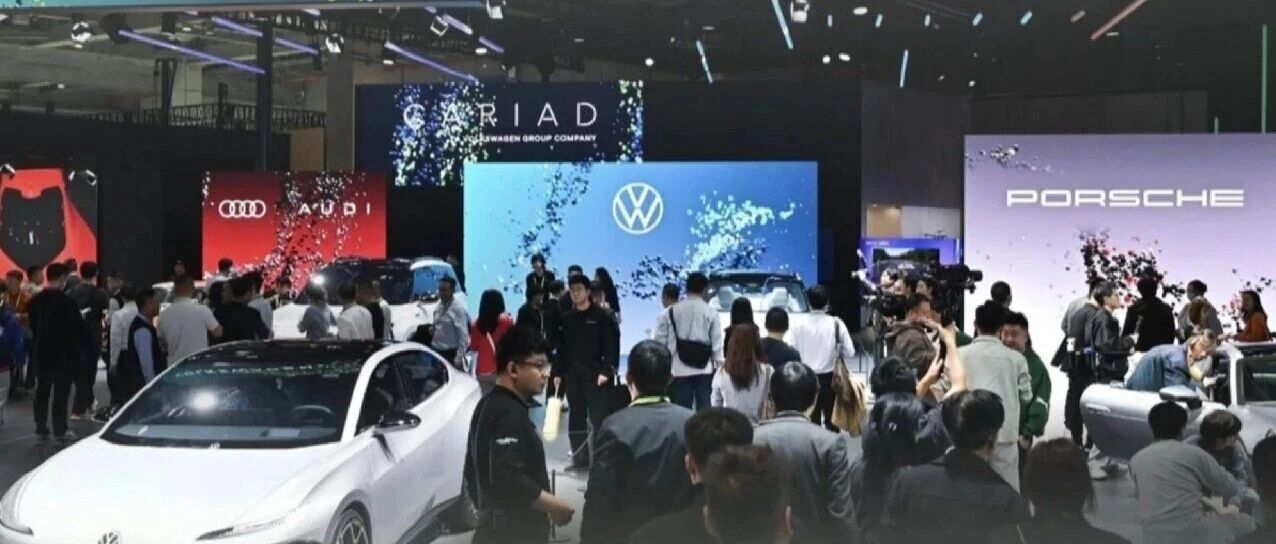
大众中国初步完成“财务建模”
Jing Ji Guan Cha Wang· 2025-11-07 14:09
Core Insights - Volkswagen Group's third-quarter financial report indicates that the company has not yet emerged from a downward trend, particularly in China where it is increasing investment [1][3] - The CFO of Volkswagen Group (China) emphasized the importance of local innovation and efficient operations, as the company has invested €50 billion in transformation efforts in China [1][2] - The financial modeling for the transition to new energy vehicles is nearing completion, with strategic goals entering the execution phase [1][2] Sales and Profitability Goals - Volkswagen aims to increase the share of new energy vehicle sales from 5% to double digits by 2026, with over 20 new models launched [2] - The company anticipates that profitability from new energy vehicles will not match that of traditional fuel vehicles until the later stages of the planning cycle, likely around 2030 [2] - Profit contributions from joint ventures are expected to rebound to €2 billion by 2027 and reach €3 billion by 2030, including contributions from the new joint venture in Anhui [2][5] Financial Performance and Challenges - Volkswagen's financial performance has significantly weakened, with a projected drop in investment returns from joint ventures in China from €2.6 billion in 2023 to €1.7 billion in 2024, and further down to €0.5-1 billion in 2025 [4] - The company is facing challenges in maintaining profitability as the volume of new energy vehicle sales increases, but the scale is still insufficient to enhance profit margins compared to fuel vehicles [4][6] Cost Optimization Strategies - Volkswagen is focused on optimizing costs, with a target to reduce costs by 40% compared to previous global platforms, aiming for a 50% reduction in the long term [7] - The company is conducting intensive product workshops to analyze cost details and price forecasts, indicating a shift towards a more cost-conscious operational approach [6][7] - The management team is prioritizing the prediction of market price trends and optimizing costs to ensure profitability amid intense competition [6][8] Recent Developments - Volkswagen announced two new investments, including a collaboration with Horizon to develop system-level chips with an investment of approximately $200 million, and the opening of a new Porsche R&D center in Shanghai [9]