AGV无人叉车

Search documents
西部机场航空物流AGV无人叉车正式投运
Zhong Guo Min Hang Wang· 2026-01-06 01:03
Core Insights - The introduction of AGV unmanned forklifts marks a significant step in the digital transformation of the Western Airport Group's air logistics company, enhancing intelligent development in the sector [1] Group 1: Technology and Features - The AGV unmanned forklifts are equipped with a multi-sensor fusion navigation system, achieving a positioning accuracy of ±10mm, suitable for various cargo handling needs [2] - The system supports up to 15 devices operating simultaneously through a self-developed multi-agent collaborative scheduling algorithm, optimizing operational efficiency and avoiding congestion [2] - The industrial-grade IoT terminal enables seamless data integration with warehouse management systems (WMS), transport management systems (TMS), and safety management systems (SMS), facilitating a closed-loop management process [2] Group 2: Efficiency and Performance - The AGV unmanned forklifts significantly reduce cargo damage rates by over 80% compared to traditional methods and can operate continuously, addressing high-volume cargo demands effectively [3] - The first day of operation demonstrated a 60% improvement in pickup efficiency, reducing the time per cargo pickup from 7.5 minutes to 3 minutes, and decreasing error rates in cargo information to below 0.1% [4] - The implementation of AGV technology is expected to lower annual labor costs by approximately 1.2 million yuan and enhance overall processing capacity by 40% during peak periods [4] Group 3: Future Developments - The air logistics company aims to further advance its smart logistics strategy by enhancing the intelligence of AGV unmanned forklifts, focusing on core technologies such as autonomous obstacle avoidance and dynamic cargo position recognition [4] - The company plans to leverage big data analytics to refine operational strategies, aiming for improved efficiency and flexibility in air logistics operations [4]
货运保障能力再升级!广州白云机场国内2号货站正式投运
Nan Fang Du Shi Bao· 2025-12-31 10:18
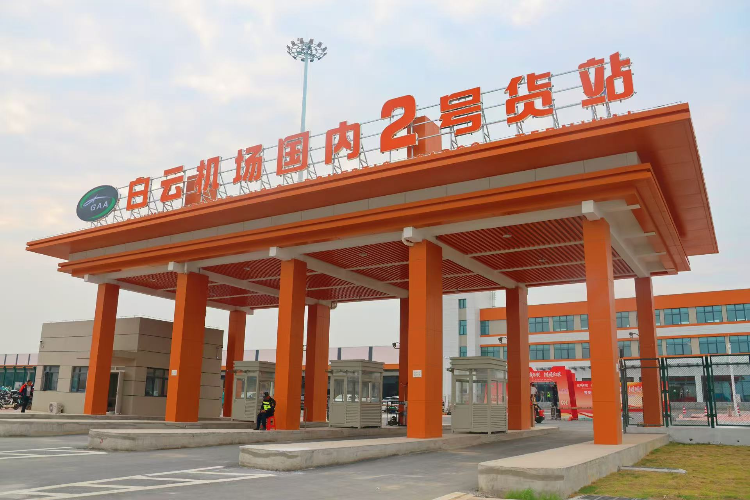
Group 1 - The Guangzhou Baiyun Airport Domestic Cargo Terminal No. 2 officially commenced operations on December 30, marking a significant enhancement in the airport's air cargo handling capacity [2] - The cargo terminal, part of the Baiyun Airport Phase III expansion, covers an area of 58,700 square meters and is designed to handle an annual cargo and mail processing capacity of 360,000 tons [2] - The terminal features a clear functional layout that ensures efficient collaboration throughout the entire operational process, including specialized facilities for temperature-sensitive goods [2] Group 2 - The operation of the new cargo terminal will strengthen the regional air cargo network's comprehensive service capabilities, particularly for e-commerce, cold chain transport, and high-value products [3] - This development supports the construction of Guangzhou as a national logistics hub and aims to create a highly efficient, low-cost, and competitive international logistics center [3] - The new terminal is expected to inject new momentum into the high-quality development of the Guangdong-Hong Kong-Macao Greater Bay Area [3]


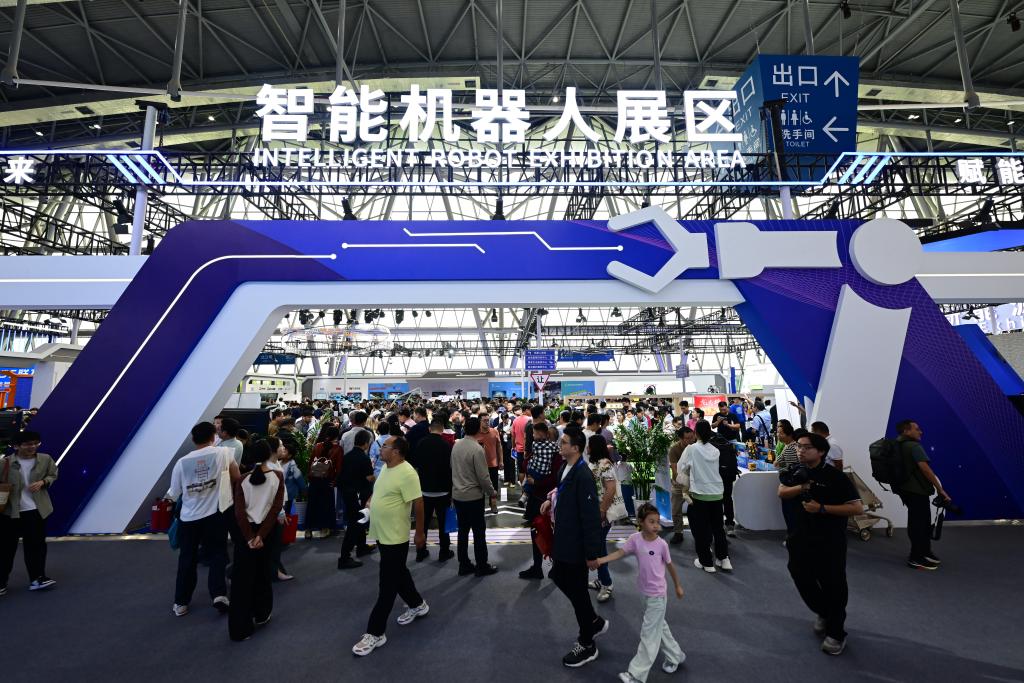
加力向新而行 更好合作共赢——透视2025世界制造业大会
Xin Hua Wang· 2025-09-26 10:17
Core Insights - The 2025 World Manufacturing Conference showcased significant advancements in China's manufacturing sector, highlighting the integration of new technologies and products, with a total of 735 projects signed and an investment of 380.2 billion yuan [1][3]. Group 1: Industry Upgrades - Traditional industries are undergoing transformation, with companies like Tongling Nonferrous Metals Group focusing on high-end product structures and digital transformation [2]. - The "2025 China Manufacturing Enterprises Top 500" list revealed that industries such as engineering machinery and rubber products have seen an average R&D investment growth rate exceeding 100% since the 14th Five-Year Plan [3]. - High-tech manufacturing industries experienced a 9.5% year-on-year increase in value added in the first half of the year, contributing 23.3% to overall industrial growth [5]. Group 2: Innovation and New Industries - The conference featured a variety of new technologies, including humanoid robots and advanced materials, indicating a shift towards innovative manufacturing practices [4]. - China is focusing on strategic needs and advancing key technology projects to foster new industries and applications [4][5]. - The establishment of over 3.5 million industrial internet connections and the creation of numerous smart factories demonstrate the integration of digital technologies in manufacturing [5]. Group 3: Industry Ecosystem and Collaboration - The conference emphasized the importance of a robust industrial chain, with companies showcasing products that reflect deep integration within the supply chain [7]. - New research institutions are being established to support innovation and facilitate the transition of technology from labs to production lines [8]. - The event highlighted the need for global cooperation, with companies like Anhui Hefei Co., Ltd. demonstrating products that will be used in international markets [9][10]. Group 4: Global Engagement - Chinese manufacturing is increasingly engaging with global markets, with companies like Volkswagen leveraging experiences from China to enhance competitiveness in Europe [11]. - The conference called for collaboration among small and medium-sized enterprises to integrate into international supply chains [11][12]. - China's manufacturing sector continues to support global supply chains, maintaining its position as the world's largest manufacturing economy for 15 consecutive years [12][13].
智“惠”全球——中国制造助力全球产业链升级
Xin Hua Wang· 2025-09-22 11:22
Group 1 - The 2025 World Manufacturing Conference showcased advancements in intelligent manufacturing, including a green intelligent spraying robot that can complete the painting of a car in an average of over 80 seconds [2] - China's electromechanical product exports reached 7.8 trillion yuan in the first half of the year, a year-on-year increase of 9.5%, with high-end equipment growing over 20% [3] - The rise in exports with new value reflects China's manufacturing industry moving towards the high end of the global value chain, contributing over 30% to global manufacturing growth during the 14th Five-Year Plan period [5] Group 2 - Anhui Heli Co., Ltd. has developed over 100 models of intelligent logistics products and showcased four unmanned intelligent forklift products at the conference, with plans to apply one model in Indonesia [5] - Volkswagen plans to launch about 50 pure electric and plug-in hybrid models in China by 2030, significantly shortening the development cycle for new models [6] - Marelli, a multinational automotive parts manufacturer, has established eight R&D centers and 17 factories in China, supporting both domestic and overseas markets [8] Group 3 - The actual use of foreign capital in China's manufacturing industry exceeded 220 billion yuan in 2024, with high-tech manufacturing accounting for 11.7% [8] - The Ministry of Industry and Information Technology expressed a commitment to optimizing the business environment to attract more foreign investment [8]