Bambu Lab X1

Search documents
智能硬件创新赋能出口升级 细分赛道深圳领跑全球
Zheng Quan Shi Bao· 2026-01-13 18:10
Core Insights - The rise of consumer hardware innovation in Shenzhen, driven by companies like DJI, has significantly boosted the export of electromechanical products, which reached 15.4 trillion yuan in the first three quarters of 2025, marking a 4.5% increase and accounting for 75.7% of Shenzhen's total exports [1] - The emergence of the smart hardware industry, including products like 3D printers and translation headsets, is reshaping global industrial competition and enhancing the "Shenzhen Creation" brand [1] Group 1: 3D Printing Industry - TuoZhu Technology has become a leading player in the desktop 3D printing market, holding over 80% market share in China, with its flagship product, Bambu Lab X1, simplifying operations for ordinary users [2][3] - The launch of MakerWorld, a 3D model community, has connected creators with users, achieving nearly 10 million monthly active users and over one million models [3] - China exported 3.491 million 3D printers (excluding parts) in the first three quarters of 2025, nearing the total export of 3.778 million units for 2024, with four of the top five global consumer 3D printing companies based in Shenzhen [3] Group 2: Translation Technology - TimeSpace Pot's translation headset utilizes real-time simultaneous translation technology, addressing the need for seamless cross-language communication [4] - The company achieved a breakthrough in dual-direction simultaneous translation, allowing for efficient communication without waiting for complete sentences [4][5] - The headset's design focuses on precise sound capture, utilizing multiple microphones to filter out background noise, enhancing translation accuracy [5] Group 3: Smart Kitchen Appliances - Tiger One Technology is innovating in the traditional kitchen appliance sector by integrating "cooking science" to simplify cooking processes [6][8] - The company has developed a new oven that automatically adjusts temperature based on food data, and its air fryer has become a top seller on Amazon [8] - Tiger One's proprietary technology has led to a gross margin increase from 58% to 64%, with projected revenues of $70-80 million in 2025, representing over 300% growth [8] Group 4: Shenzhen Hardware Innovation Ecosystem - The growth of companies like TuoZhu, TimeSpace Pot, and Tiger One exemplifies the rise of Shenzhen's hardware innovation sector, which focuses on user needs and technological advancements [9] - These companies are enhancing the autonomy and completeness of Shenzhen's manufacturing chain, contributing to a robust hardware innovation ecosystem [9]
年营收超60亿元,它会成为3D打印领域的大疆吗?
Tai Mei Ti A P P· 2025-12-12 05:46
Core Insights - The conflict between DJI and TuoZhu Technology has escalated due to DJI's investment in a 3D printing company, which TuoZhu's founder views as a direct attack on his business [1] - TuoZhu has rapidly grown in the 3D printing market, attracting significant investment from top firms, indicating a shift in market dynamics [1] Company Background - TuoZhu Technology was founded by former DJI employees, including founder Tao Ye, who left DJI after eight years to pursue opportunities in 3D printing [2][5] - The founding team possesses extensive experience from DJI, allowing TuoZhu to replicate DJI's successful business strategies [4][5] Growth Strategy - TuoZhu's growth strategy mirrors DJI's approach: starting with high-quality products in niche markets, then aggressively pricing to capture broader consumer markets [6][8] - TuoZhu's first product, Bambu Lab X1, launched at approximately $1,000, achieving a printing speed of 500mm/s, significantly faster than the industry average [7] - By 2024, TuoZhu's annual shipments are projected to exceed 1.2 million units, capturing nearly 30% of the global market with revenues around 6 billion yuan [8] Ecosystem Development - TuoZhu has implemented a "3M strategy" focusing on Machine, Model, and Material to create a sustainable ecosystem for 3D printing [9][10] - The company launched MakerWorld, an open-source model platform, allowing users to easily print models and enhancing user engagement [10][12] - MakerWorld has grown to become the largest 3D printing model community globally, with around 50 million registered users and over a million models available [12] Market Dynamics - The global 3D printing market is projected to reach $24.6 billion by 2024, with a compound annual growth rate (CAGR) of 28%, indicating significant growth potential [13] - Investment activity in the 3D printing sector has surged, with over 70 investment events reported in 2023 alone, highlighting increased interest from capital markets [14] Competitive Tensions - DJI's recent investment in TuoZhu's competitor, SmartPrint, is perceived as a defensive move to mitigate the threat posed by TuoZhu's rapid growth and potential encroachment into DJI's core markets [15][17] - Talent retention has become a critical issue for DJI, as many former employees have successfully transitioned to startups, creating a competitive landscape that challenges DJI's market position [16][17]


大疆,带给3D打印行业一场“成人礼”
Tai Mei Ti A P P· 2025-11-21 02:31
Core Insights - The recent investment by DJI in Smart派 has stirred significant attention in the 3D printing industry, indicating a pivotal moment for the sector [2][3] - The entry of major players like DJI is seen as a validation of the 3D printing market rather than a threat, suggesting that the industry is maturing and gaining serious interest from established companies [7][10] Industry Growth - The consumer-grade 3D printing market is projected to reach a scale of $4 billion in 2024, with a compound annual growth rate approaching 30% [8] - The reduction in costs of key components and the integration of AI tools are making 3D printing more accessible, with entry-level products now priced below 2,000 yuan [9] Competitive Landscape - As the industry matures, competition is expected to intensify, which is a natural outcome of growth and market validation [11][12] - Companies like拓竹 are already demonstrating significant profitability, with projected revenues nearing 6 billion yuan and a net profit margin of 30%, surpassing that of major players like Apple [11] Technological Paths - The 3D printing sector is characterized by two main technological paths: Fused Deposition Modeling (FDM) and Stereolithography (光固化), with FDM being more user-friendly and widely adopted [17] - The presence of different technological approaches is essential for a healthy competitive environment, allowing for innovation and improvement within the industry [18] Emotional Dynamics - The emotional responses from industry players, particularly regarding DJI's entry, reflect underlying anxieties about competition and market positioning rather than factual concerns [20][22] - The narrative surrounding DJI's involvement serves as a mirror for the industry, highlighting the need for companies to strengthen their fundamentals and adapt to a more competitive landscape [19][25]
大疆离职员工,「打印」出一个百亿独角兽
创业邦· 2025-11-05 03:18
Core Insights - Bambu Lab, a Shenzhen-based tech unicorn, has captured nearly 30% of the global consumer 3D printing market within four years of its establishment, with a valuation exceeding 100 billion RMB [6][7][12] - The company’s revenue surged from 2.7 billion RMB in 2023 to 6 billion RMB in 2024, marking a year-on-year growth of approximately 33 billion RMB [7][12] - Bambu Lab's products have been recognized for their industrial-grade performance at consumer prices, gaining significant attention from influencers and media [6][12] Company Overview - Founded in 2020 by former DJI core team members, Bambu Lab aims to revolutionize the 3D printing industry, which was previously dominated by "farmers" operating multiple machines [6][10][12] - The company’s first product, the Bambu Lab X1, launched in 2022, was well-received, generating nearly 50 million RMB in crowdfunding within a month [12][13] - Bambu Lab has shifted its strategy from targeting niche enthusiasts to attracting new users by offering affordable and user-friendly 3D printers [13][14] Market Position and Growth - In 2024, Bambu Lab's sales volume reached approximately 1.2 million units, achieving a market share of 29% in the global consumer 3D printing segment [16][21] - The company benefited from government subsidies and influencer promotions, significantly boosting its domestic sales [16][21] - Bambu Lab's rapid growth has led to a substantial increase in its workforce, expanding from 139 to 571 employees between 2022 and 2024 [20][21] Technological Advancements - Bambu Lab's competitive edge lies in its innovative technology and product development, with a focus on creating high-quality, user-friendly machines [18][19] - The company has maintained a strong emphasis on product perfection before market release, contrasting with industry norms of relying on user feedback for improvements [19][20] - Bambu Lab's latest H2D printer integrates laser engraving and cutting capabilities, showcasing its technological leadership [19] Challenges and Competition - As Bambu Lab grows, it faces increasing pressure in customer service and product support, particularly as the user base expands [25][26] - The company is also encountering competition from other established players in the 3D printing market, which are launching similar products at competitive prices [26] - Legal challenges have emerged, including a patent infringement lawsuit from Stratasys, which could impact Bambu Lab's revenue in the U.S. market [26]
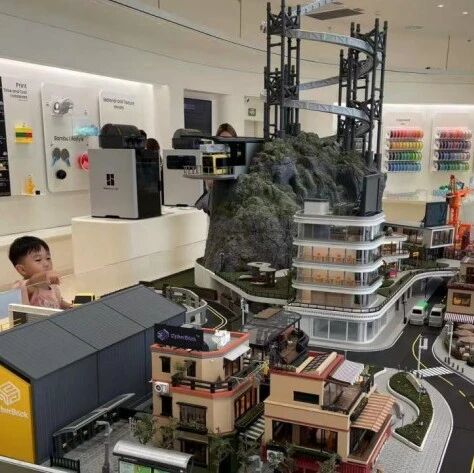
大疆离职员工,「打印」出一个百亿独角兽
3 6 Ke· 2025-11-03 10:45
Core Insights - Bambu Lab, a Shenzhen-based tech unicorn, has rapidly captured nearly 30% of the global consumer 3D printing market within four years, with a valuation exceeding 100 billion RMB [1][2][3] - The company was founded by former DJI core team member Tao Ye, who aimed to revolutionize the 3D printing industry by making it more accessible and user-friendly [5][12] - Bambu Lab's products have gained significant recognition, including being named one of Time magazine's best inventions of the year [7][12] Company Overview - Bambu Lab was established in November 2020 by a team of former DJI employees, including Tao Ye, who previously held various leadership roles at DJI [5][13] - The company focuses on consumer-grade 3D printers, with its first product, the Bambu Lab X1, launched in 2022, achieving remarkable sales and popularity [7][12] - The company has expanded its product line to include models aimed at beginners, such as the P1S and A1 series, priced between 2000 to 4000 RMB [9][11] Market Performance - In 2024, the global consumer 3D printing market reached a size of 4.1 billion USD, with Bambu Lab contributing significantly to this growth [2][11] - Bambu Lab's revenue surged from 2.7 billion RMB in 2023 to 6 billion RMB in 2024, marking a year-on-year increase of approximately 33 billion RMB [2][11] - The company achieved a market share of 29% in 2024, with total shipments of around 1.2 million units, surpassing the global annual growth in consumer 3D printer shipments [11][12] Competitive Landscape - Bambu Lab is often compared to DJI due to its innovative approach and strong leadership team, which includes several former DJI executives [12][13] - The company faces increasing competition from other 3D printing firms, which have begun launching similar products at competitive prices [22][23] - Legal challenges have emerged, including a lawsuit from Stratasys over patent infringements, which could impact Bambu Lab's revenue in the U.S. market [23][24] Innovation and Technology - Bambu Lab emphasizes a user-centric approach, focusing on product perfection before market release, and has developed proprietary technology to enhance user experience [15][16] - The company has maintained a strong technical edge through rigorous hiring practices, ensuring a highly skilled workforce [16][18] - Bambu Lab's manufacturing facilities are strategically located in Shenzhen, benefiting from the region's advanced supply chain and manufacturing capabilities [18][20]
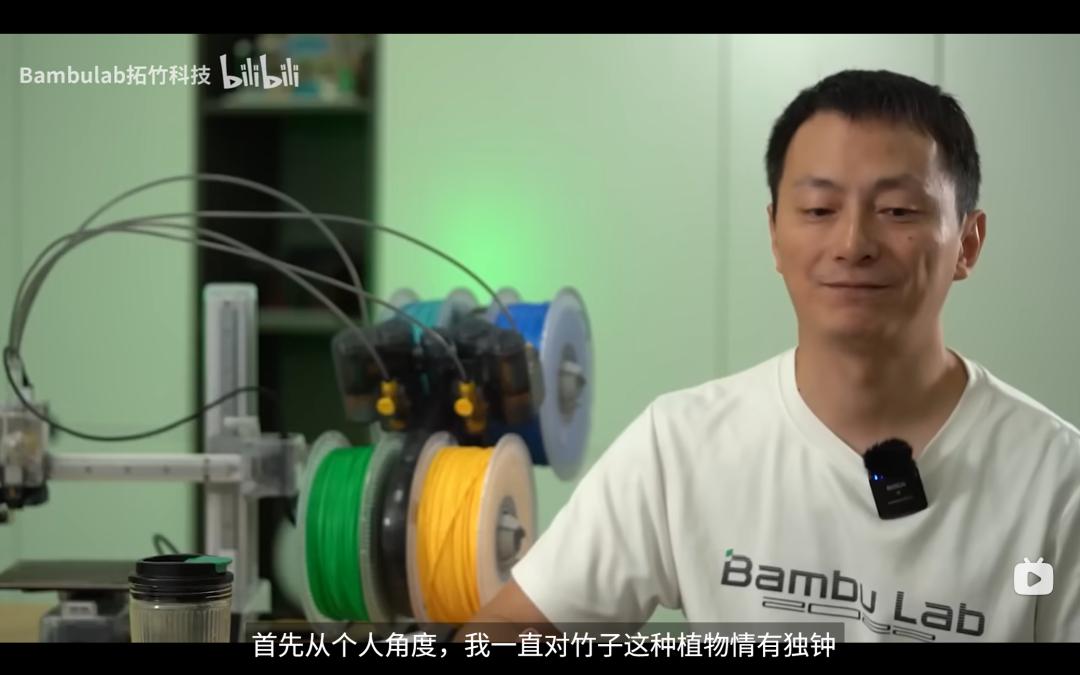
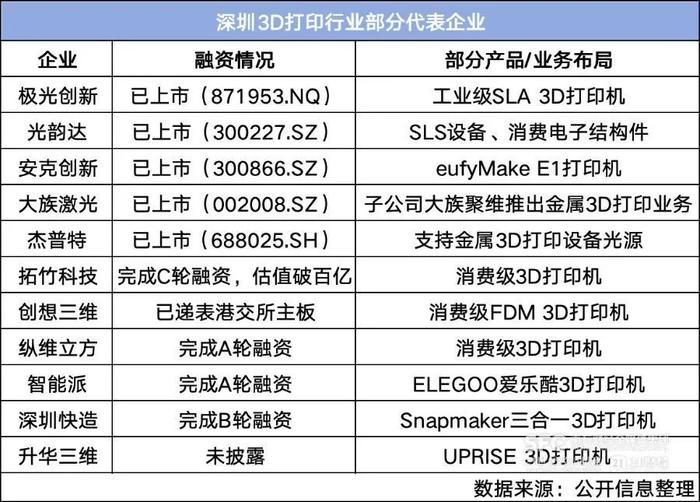
深圳,成为全球“消费级3D打印第一城”
2 1 Shi Ji Jing Ji Bao Dao· 2025-08-18 03:56
Core Insights - Shenzhen has emerged as a leading hub for 3D printing, accounting for over 80% of China's 3D printer exports in the first seven months of this year [1][4] - The global shipment of entry-level 3D printers is expected to exceed 1 million units by Q1 2025, with Chinese suppliers dominating 95% of the market share [1][4] - Key Shenzhen companies such as Creality, Bambu Lab, and Elegoo are driving significant growth in the 3D printing sector, with Creality holding a 39% market share [1][4] Industry Overview - The 3D printing industry is experiencing rapid growth, with a 35.8% increase in the production of 3D printing equipment in Shenzhen during the first half of this year [1][12] - The global 3D printing market is projected to expand at a rate of 20% annually, potentially exceeding $50 billion by 2028 [11][12] Company Highlights - Creality has achieved continuous revenue growth, surpassing 1 billion yuan for three consecutive years, and is preparing for an IPO [5][6] - Bambu Lab has become a unicorn with a valuation exceeding 10 billion yuan, driven by the success of its Bambu Lab X1 printer [7][10] - Elegoo has reported sales exceeding 1.2 billion yuan in 2023, with products sold in over 100 countries [6][10] Market Dynamics - Shenzhen's 3D printing companies are employing diverse strategies for international expansion, including building independent platforms and engaging in community marketing [10][11] - The competitive landscape is characterized by a shift from traditional high-priced foreign brands to affordable, high-performance products from Chinese manufacturers [4][10] Future Prospects - The establishment of a complete 3D printing industry chain in Shenzhen, encompassing modeling systems, materials, equipment, and application services, positions the city as a global leader in the sector [1][11] - The ongoing innovation and collaboration among Shenzhen firms are expected to sustain the region's dominance in the global 3D printing market [12]
独家丨前安克3D打印机负责人王志宇创业,计划融资2000万元
雷峰网· 2025-04-03 08:11
Core Viewpoint - Wang Zhiyu's team is developing a new 3D printer that can expand to four heads, with a printing speed that is 2-4 times faster than the current leading product from Tuo Zhu [1][2]. Group 1: Company Overview - Wang Zhiyu, the former head of Anker's 3D printer division, has left to start his own venture in the 3D printing industry, aiming to raise 20 million yuan in funding [2]. - The new team consists of nearly 30 members, all former Anker employees, and possesses significant overseas distributor resources [2]. - The first-generation product is expected to achieve a printing speed of 0.1mm precision and utilize dual nozzles, with the capability to expand to four nozzles [2]. Group 2: Product Development and Market Performance - The new product is anticipated to outperform Tuo Zhu's latest dual-head color printer H2D by 2-4 times in printing speed [2]. - Wang Zhiyu previously led the development of Anker's first consumer-grade 3D printer, AnkerMake M5, which achieved a maximum printing speed of 250mm/s, five times faster than most desktop 3D printers available at that time [3]. - The AnkerMake M5 was highly successful on Kickstarter, raising 8.88 million USD, surpassing the crowdfunding results of Tuo Zhu's Bambu Lab X1 launched later that year [3]. Group 3: Company Transition - Following Wang Zhiyu's departure, Anker's 3D printing team, which originally had around 100 members, continues to operate within the company, focusing on printer-related business [3]. - The AnkerMake brand has been rebranded to eufyMake and integrated into the eufy smart home brand system [3].