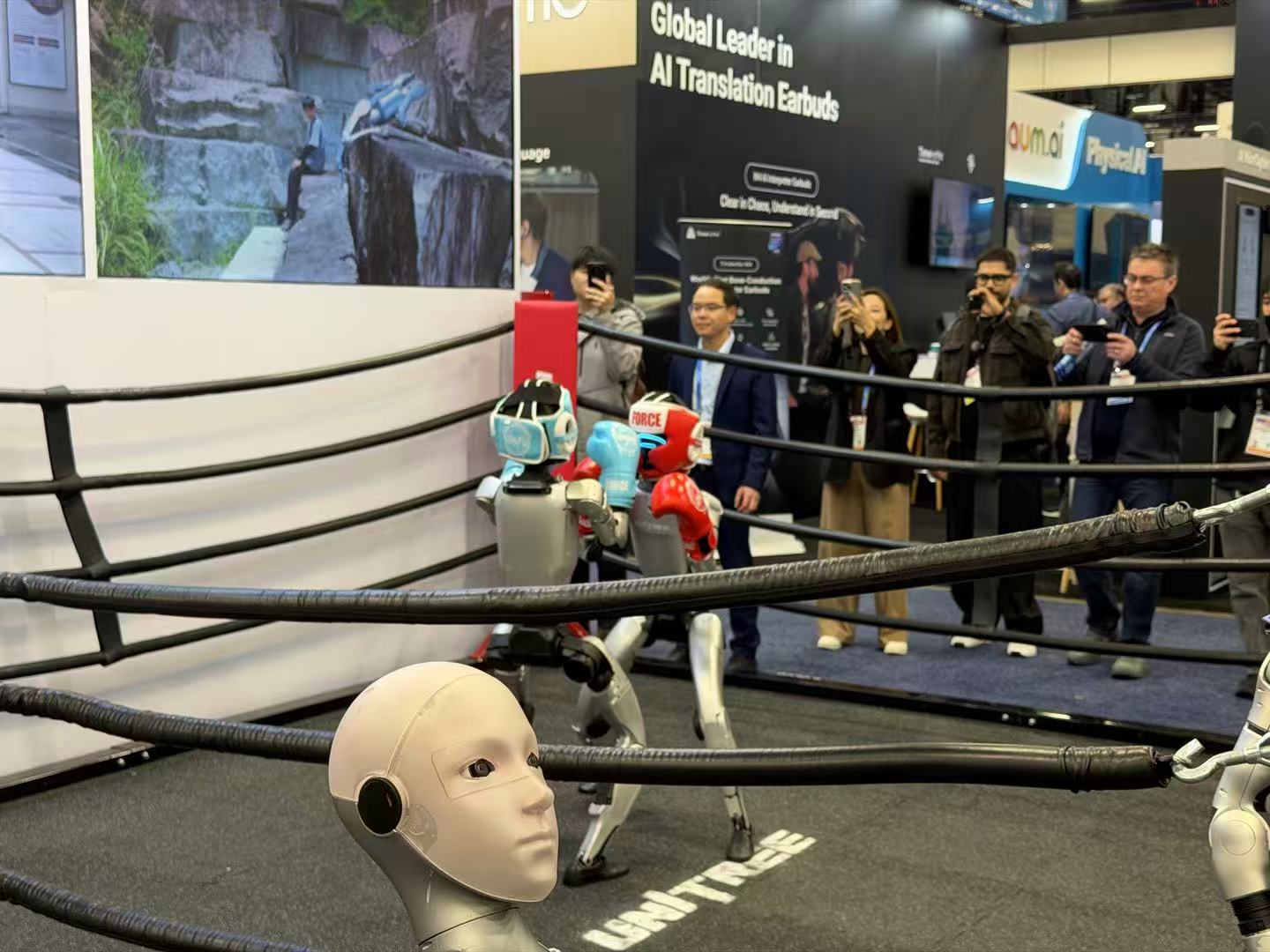
Booster K1机器人

Search documents
2026中关村论坛,机器人打工已撑起半边天
机器人大讲堂· 2026-03-26 15:00
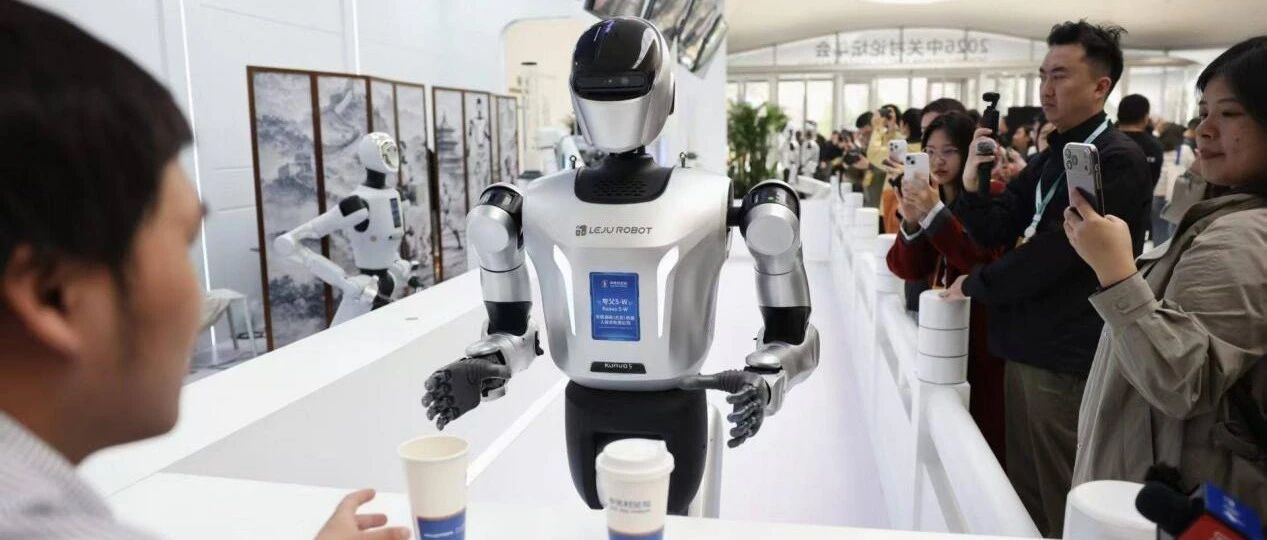
Core Viewpoint - The 2026 Zhongguancun Forum showcases a significant advancement in robotics, highlighting the integration of various robotic technologies and their applications in real-life scenarios, particularly in the service industry [1][34]. Group 1: Robotics in Dining - The opening day featured a collaborative robot restaurant, where six companies presented a harmonious operation of eight heterogeneous robots, demonstrating efficient service from order taking to food delivery within 1 to 2 minutes [2][5]. - Leju Robotics introduced a welcoming robot that guides customers to order, showcasing advanced motion control and path planning capabilities [3][5]. - Qianxun Intelligent's humanoid robot demonstrated precision in making tanghulu (candied hawthorn), validating its advanced model's ability to adapt to real-world tasks [6][5]. - Galaxy General's robots excelled in logistics, ensuring timely transport of food items, emphasizing the importance of accuracy and speed in service delivery [8]. Group 2: Collaborative Robotics - The success of the robot restaurant relied on the RoboBrain 2.0 and RoboOS 2.0 platforms, which facilitated seamless collaboration among different robotic types, enhancing operational efficiency [10]. - The integration of various robotic forms, including bipedal and wheeled robots, demonstrated the potential for large-scale collaborative operations in commercial settings [10]. Group 3: Emotional and Artistic Robotics - The Tech Show featured a robotic band performing familiar tunes, showcasing the ability of robots to express emotions through music, with precise coordination among multiple robotic instruments [11][12]. - The team behind the robotic band implemented emotional models to enhance performance, indicating a shift towards more expressive robotic capabilities [14][16]. Group 4: Innovative Applications - The introduction of robotic tea masters demonstrated the ability to replicate traditional tea-making processes with high precision, supported by remote operation technology [17][19]. - Various robots showcased their capabilities in diverse tasks, from performing traditional lion dances to providing information at service desks, highlighting the versatility of robotic applications [22][24][26]. Group 5: New Product Launches - The forum featured the global launch of the W-Bot 2.0 by Yuequan Bionic, which integrates structural and technological innovations, expanding its operational capabilities significantly [30][31]. - The X-Hand M1 and Y-Hand M2 were also showcased, emphasizing advancements in dexterity and load capacity, setting new performance benchmarks for robotic hands [33]. Group 6: Policy Support for Innovation - The forum emphasized the importance of policy support in fostering technological and industrial innovation, with initiatives aimed at enhancing the integration of technology services and promoting growth in strategic emerging industries [34]. Group 7: Future Outlook - The advancements in robotics presented at the forum indicate a shift towards a more integrated and practical application of technology in everyday life, suggesting a future where robotics play a crucial role in various sectors [35].

科技庙会火热上演 机器人碰撞出传统年俗与前沿科技的新火花
Yang Guang Wang· 2026-02-21 23:15
Core Viewpoint - The 2026 Beijing Haidian New Year Technology Fair showcases the integration of traditional customs with cutting-edge technology, highlighting the advancements in robotics and AI during the Spring Festival [1][9]. Group 1: Event Overview - The technology fair features over 70 companies and more than 150 interactive exhibits, emphasizing the role of robotics in enhancing the festive experience [2]. - The event includes performances by humanoid robots, such as the Booster K1, which is 95 cm tall and weighs approximately 19.5 kg, resembling a small child [2][3]. Group 2: Technological Highlights - The fair prominently displays 43 embodied robot exhibits, with 34 being humanoid robots, showcasing Haidian's technological capabilities [3]. - Robots like "Xiao Mo" demonstrate advanced skills, such as accurately assembling skewers of hawthorn and stacking blocks, highlighting their precision and control [3][7]. Group 3: Consumer Engagement - The event aims to enhance public scientific literacy and stimulate consumer activity by providing engaging experiences during the Spring Festival [3][9]. - Visitors can interact with robots in various activities, such as a 1V1 penalty shootout, showcasing the robots' agility and strength [8]. Group 4: Future Implications - The fair serves as a platform for introducing future living scenarios, including care robots that assist the elderly with mobility and health issues [9]. - The event represents a new commercial model, blending cultural festivities with technological showcases to attract and retain consumers [9].

中国人形机器人,引爆全球订单
3 6 Ke· 2026-01-19 05:48
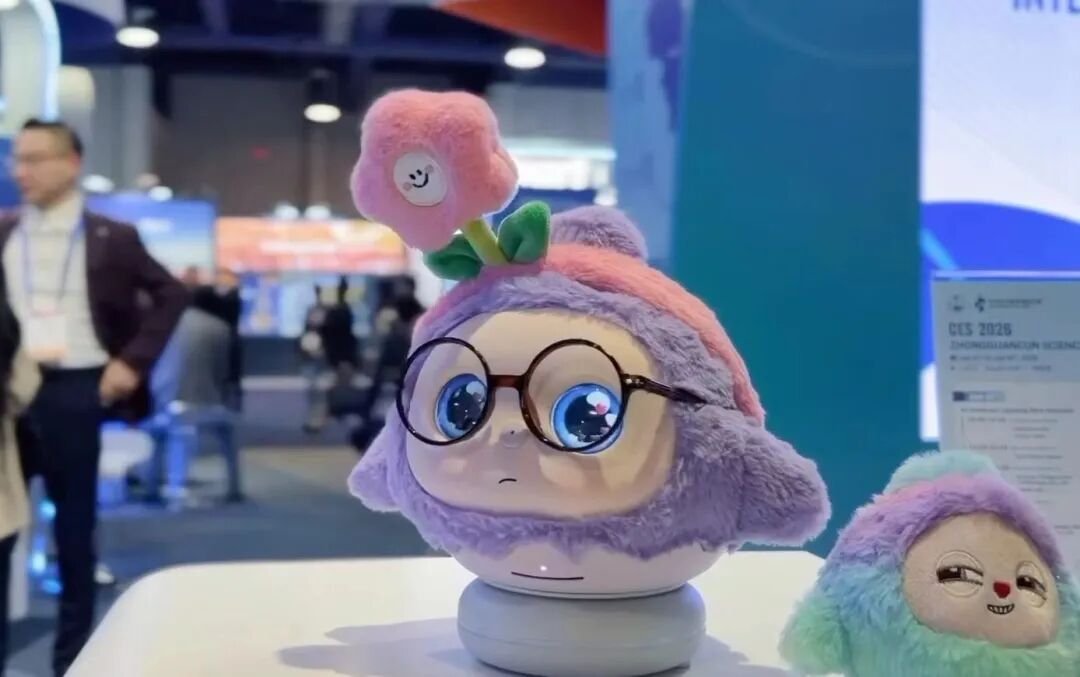
Core Insights - The Chinese robotics industry is transitioning from a "follower" to a "leader" in global technology competition, particularly in humanoid robots, as evidenced by strong performance at the 2026 CES and significant growth in the Middle East market [1][2][7] - The global humanoid robot market is expected to see a shipment volume of 13,000 units by 2025, with Chinese manufacturers like Zhiyuan and Yushu capturing significant market shares [6][12] CES Performance - The 2026 CES showcased a record number of Chinese robotics companies, breaking previous stereotypes of low-end manufacturing, with humanoid robots being the main attraction [2][3] - Companies like Accelerated Evolution reported that their Booster K1 robots were fully pre-ordered during the event, indicating strong market demand [2] Market Trends in the Middle East - The Middle East is emerging as a key market for Chinese robotics, with a 32% annual compound growth rate, driven by high purchasing power and a preference for high-end products [7][8] - Local distributors in the Middle East emphasize the importance of high-quality, technologically advanced products, as lower-end offerings could harm brand image [7] Emotional Companion Robots - LOVEAXI's AI companion robot, "lovi," gained significant attention at CES, highlighting the potential for emotional support robots in global markets [3][5] - The company noted that cultural differences between Asian and Western markets necessitate tailored product positioning and marketing strategies [6] Supply Chain and Component Strength - The rapid rise of Chinese robotics in the global market is supported by strong capabilities in core components and supply chains, with companies like Lingzi achieving significant overseas sales [10][12] - Lingzi's partnerships with top global institutions and companies demonstrate the recognition of Chinese core hardware in high-end markets [12] Localization and Market Entry Challenges - Chinese robotics companies face challenges in market entry and cultural integration, particularly in mature markets like Europe and North America, where compliance with local standards is crucial [15][16] - Companies are adopting strategies such as establishing local subsidiaries and emphasizing cultural respect to overcome these challenges [16] Strategic Evolution - The Chinese robotics industry is evolving from simple product exports to a more complex ecosystem that includes technology and standard exports [16] - The collaboration among various players in the robotics supply chain is becoming more sophisticated, with upstream component suppliers, midstream manufacturers, and downstream integrators working together [16]

对话加速进化赵维晨:机器人只有“做小”才能进入家庭,越小门槛越高|财之道
Xin Lang Cai Jing· 2026-01-15 12:17
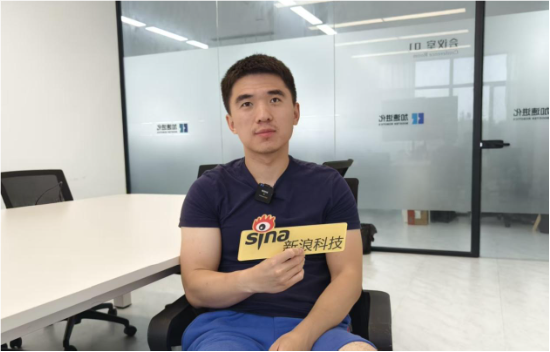
Core Insights - The company, Accelerated Evolution, focuses on smaller humanoid robots, emphasizing safety and practicality over larger models that may appear impressive but are deemed unsafe for home use [2][20][30] - The company has achieved significant growth, with sales increasing from 45 units in 2024 to 1,034 units in 2025, representing nearly a 22-fold increase [21] - The company has successfully established a sustainable business model by integrating education and robotics competitions, which has garnered recognition from the capital market [3][21] Business Model - Accelerated Evolution's commercialization strategy mirrors the early adoption of personal computers, targeting both tech enthusiasts and educational institutions to foster a new generation of developers [4][22][23] - The company aims to leverage educational settings to build awareness and skills in robotics, similar to how programming was taught in schools during the rise of personal computing [5][23] - The integration of robotics competitions into their business model serves to validate skills for both students and educators, enhancing engagement and development [7][25][26] Market Potential - The Chinese market for educational robotics is substantial, with approximately 3,000 higher education institutions, indicating a significant opportunity for growth [8][26] - The company sees a potential for global expansion, aiming to establish partnerships with international educational institutions to promote Chinese robotics technology [9][28] Product Focus - The company prioritizes stability, safety, and interaction capabilities in its robots, with a focus on lightweight designs to enhance safety [10][29] - The smaller robot models, such as the Booster K1, are designed to be user-friendly and safe for educational environments, contrasting with larger models that pose safety risks [11][30] Competitive Advantage - Accelerated Evolution is the only company currently focusing on 95 cm humanoid robots, positioning itself uniquely in the market [14][32] - The company has a strong AI capability, which is essential for developing educational robotics programs, ensuring that their products are not just hardware but also include robust software ecosystems [15][32][33] Financial Outlook - The company anticipates achieving breakeven by 2026, supported by a strong cash flow and a sustainable business model [16][35] - The long-term vision for the robotics industry is seen as a prolonged battle, requiring substantial investment and strategic focus to achieve widespread adoption [16][35][36]
加速进化实现首次月度经营性现金流回正
Xin Lang Cai Jing· 2026-01-11 04:36
Group 1 - The core message of the article highlights that Booster Robotics showcased its K1 robots at CES, and all units have been pre-ordered [1] - The company achieved its first positive monthly operating cash flow since its inception in December 2025 [1] - In 2025, Booster Robotics sold a total of 1,034 robots and served over 500 customers [1]
加速进化CES展示机器人售罄 经营性现金流回正
Xin Lang Cai Jing· 2026-01-11 03:48
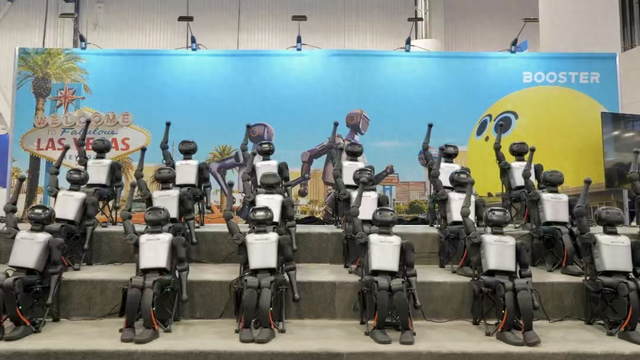
Group 1 - The core point of the article is that Booster Robotics successfully sold all of its Booster K1 robots during the CES exhibition, indicating strong market demand and interest in their products [1][3] - Booster Robotics reported achieving positive monthly operating cash flow for the first time since its establishment in June 2023, marking a significant milestone in its business model and indicating a shift towards sustainable growth [3] - The company participated in CES for the second consecutive year, showcasing a significant number of Booster K1 robots, which attracted considerable attention from the industry and attendees [3] Group 2 - The exhibition booth of Booster Robotics, while not large, achieved a leading "sales efficiency" in the robotics section of CES, demonstrating effective space utilization and commercial value maximization [3] - The company adopted a "see it, buy it" principle at the exhibition, allowing for immediate delivery of the showcased robots, which contributed to the successful sales strategy [3]
【环时深度】2026 CES展,中国AI企业拉高国际能见度
Huan Qiu Shi Bao· 2026-01-09 22:37
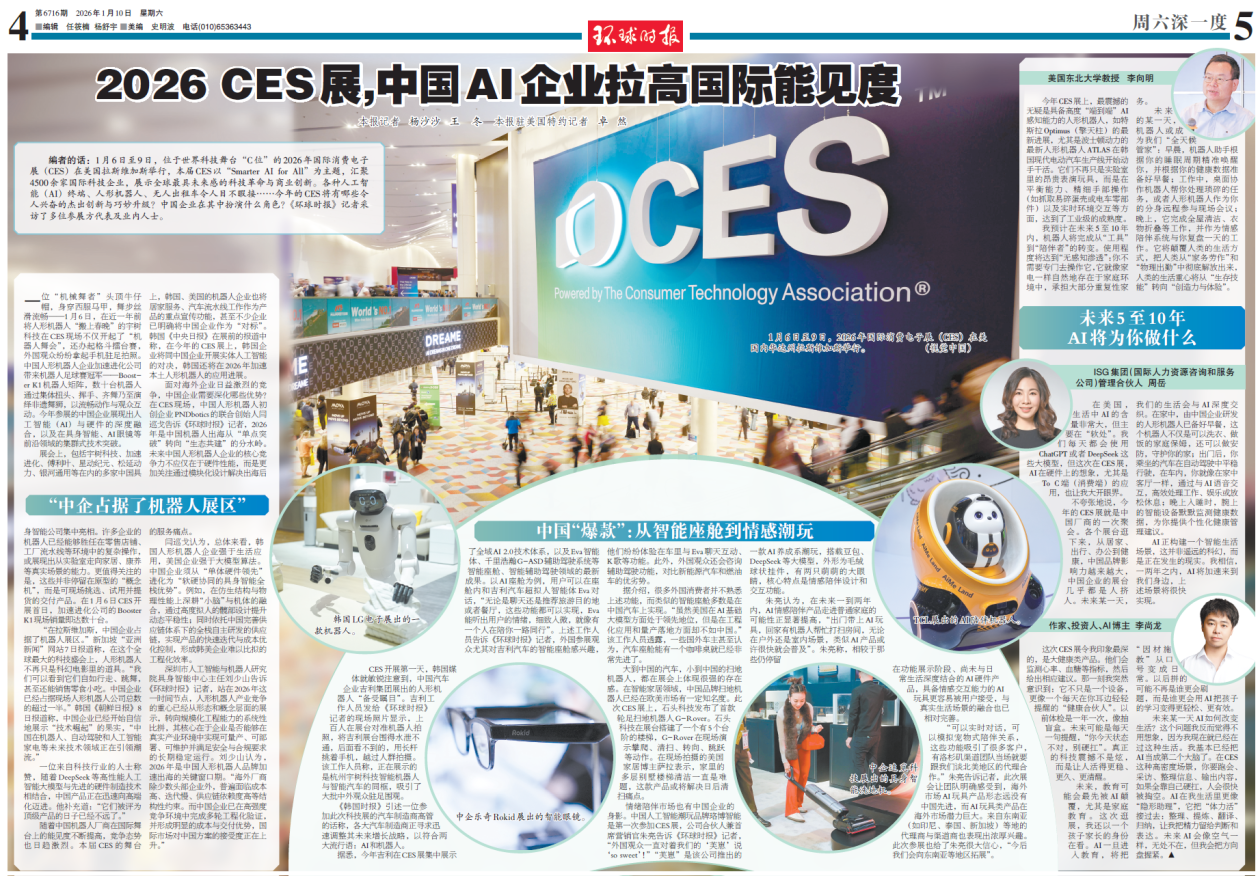
Group 1 - The 2026 International Consumer Electronics Show (CES) in Las Vegas showcased over 4,500 international tech companies, focusing on the theme "Smarter AI for All" [2] - Chinese companies demonstrated significant advancements in humanoid robots and AI integration, with many products ready for immediate purchase and use [5][10] - The presence of Chinese firms in the humanoid robot sector exceeded half of the total exhibitors, indicating a strong competitive stance against Korean and American companies [5][11] Group 2 - Chinese humanoid robot companies are evolving from hardware-centric approaches to a focus on modular design and service solutions for international markets [7] - The competition in the humanoid robot industry is shifting towards the ability to produce scalable, deployable, and maintainable systems that meet safety and compliance standards [9] - Chinese brands are increasingly recognized for their engineering efficiency and cost advantages, enhancing their acceptance in international markets [9] Group 3 - The automotive sector, represented by companies like Geely, highlighted the integration of AI in smart cabins and autonomous driving systems, attracting significant attention from international audiences [11][12] - The CES showcased a variety of AI products, from smart home devices to emotional companion toys, indicating a growing market for AI in everyday life [12][15] - The potential for AI to transform daily living is emphasized, with expectations for AI to become an integral part of household management and personal assistance in the near future [18][21]


国产机器人会师CES
3 6 Ke· 2026-01-09 13:02
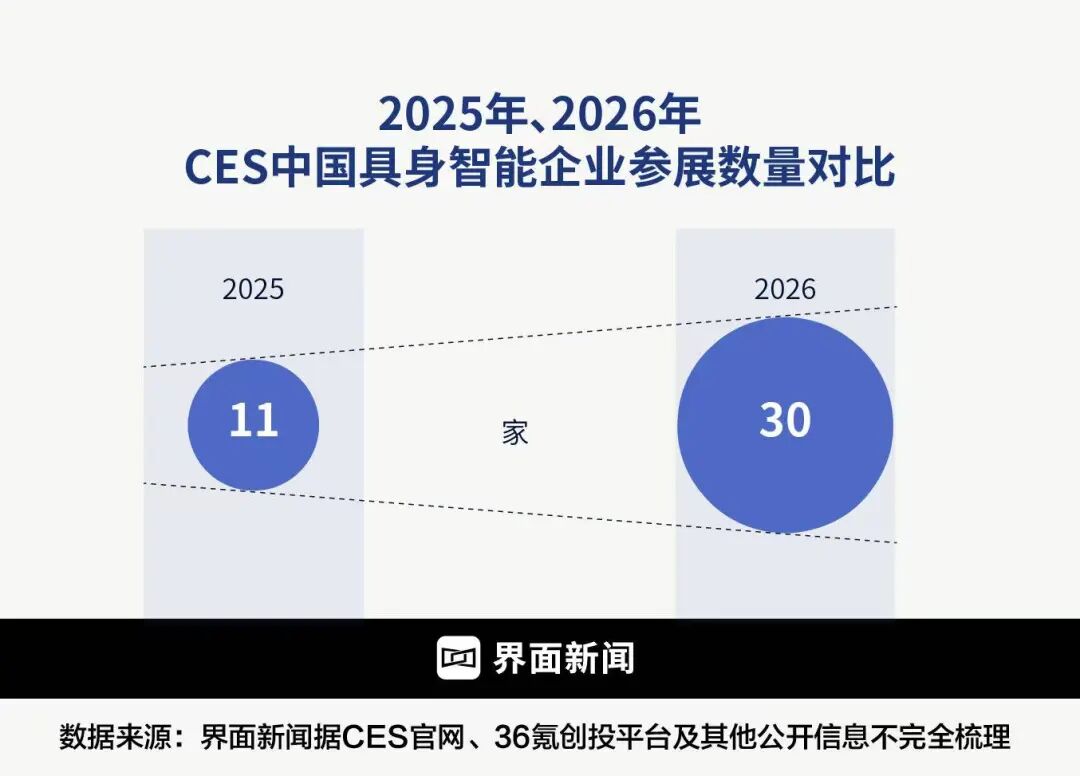
Core Insights - The CES exhibition has become a crucial platform for Chinese robotics companies to expand their overseas strategies, with the number of participating companies increasing from nearly 10 in 2025 to around 30 in 2026 [1][3] - The Chinese embodied intelligence industry is transitioning from basic research to commercialization, with a focus on securing orders and deliveries as key competitive metrics [3][20] - The competitive landscape is intensifying, with Chinese companies expected to dominate the humanoid robot sector, as noted by industry leaders [3][22] Group 1: Industry Trends - The CES exhibition serves as a global market showcase, with companies investing significant resources in preparation, often spending millions to secure prime exhibition space [3][16] - Chinese robotics companies are increasingly focusing on overseas markets due to heightened domestic competition and the potential for greater success abroad [3][20] - The demand for localized delivery and support services is critical for success in international markets, with companies emphasizing the need for on-the-ground support [20][28] Group 2: Company Highlights - Notable companies participating include Yushu Technology, ZhiYuan Robotics, and Accelerated Evolution, showcasing a wide range of products from humanoid robots to dexterous hands [4][7] - Accelerated Evolution reported significant sales, achieving dozens of orders for their humanoid robot Booster K1 on the first day of the exhibition [18] - Companies are adopting diverse strategies to attract attention, with some focusing on interactive demonstrations while others emphasize product variety [9][11] Group 3: Competitive Landscape - The competition between Chinese and American robotics companies is intensifying, with both sides focusing on technological advancements and market penetration [22][25] - Chinese companies benefit from a robust manufacturing ecosystem, particularly in core components like harmonic reducers, which have seen significant market share growth [25][26] - The challenge for Chinese firms lies in adapting to the more conservative acceptance of new technologies in Western markets, necessitating a focus on quantifiable product outcomes [26][28]
中国人形机器人集体闪耀CES 剑指全球市场拓展
Zhong Guo Jing Ying Bao· 2026-01-08 15:24
Core Insights - The 2026 CES in Las Vegas will feature over 1,000 Chinese companies, making them the largest overseas exhibitor group, with a significant focus on humanoid robotics [1] - Chinese humanoid robot companies are showcasing their flagship products and demonstrating practical applications, indicating a strong presence in the global humanoid robotics industry [1][4] Group 1: Company Participation and Innovations - Accelerated Evolution showcased its Booster K1 robots, which performed interactive dances and achieved sales of several units on the first day of CES [2] - Zhiyuan Robotics presented a full range of robot products, including the Lingxi X2 and the newly launched Q1, emphasizing their commitment to building an embodied intelligence ecosystem [3] - Star Motion Epoch displayed multiple products and has established partnerships with nine of the top ten global tech companies, delivering over 600 units, including a significant order in logistics worth nearly 50 million yuan [3][6] Group 2: Market Expansion and Global Strategy - The participation of Chinese humanoid robots at CES reflects their ambition to expand into overseas markets and achieve commercial growth [5] - Star Motion Epoch reported that half of its 500 million yuan in orders come from overseas markets, highlighting its global outreach strategy [6] - Songyan Power aims to establish a presence in key markets such as North America and Europe, planning to achieve significant market expansion by the second quarter of 2026 [7] Group 3: Industry Trends and Competitive Advantages - The humanoid robot industry in China is experiencing a surge, with a projected exponential growth in global production in 2026 [8] - Chinese companies have achieved a localization rate of 50%-70% for core components, with manufacturing costs significantly lower than their Western counterparts, enhancing their competitive edge in the international market [8]
拳脚、舞步与订单,中国机器人“刷屏”CES
Di Yi Cai Jing· 2026-01-07 05:12
Core Insights - Chinese humanoid robots are gaining significant attention at CES 2026, showcasing advancements from laboratory concepts to real-world applications [1][2] - The presence of numerous Chinese companies at CES highlights the growing influence of China's robotics industry on the global stage [2][5] Group 1: Company Highlights - Companies like Unitree, Galaxy General, and Fourier are among the prominent Chinese exhibitors, with many participating for the first time [2][4] - Unitree's G1 humanoid robot engaged in a fighting demonstration, attracting a large audience and showcasing its competitive pricing with the R1 robot priced at $4,900 [4] - The debut of ZhiYuan's humanoid robot, which performed a dance, captivated foreign attendees, indicating a strong interest in Chinese robotic innovations [5] Group 2: Market Trends - The CES event is increasingly focusing on consumer-oriented (C-end) robotics, with products like Fourier's "Care-bot" designed for emotional companionship [9] - The four-legged robot Bobo from Weita Power allows for interactive experiences and is set to launch globally in Q2 2026, targeting markets in North America, Europe, and the Middle East [11] - Magic Atom reported that over 60% of its revenue comes from overseas, emphasizing the importance of international markets for Chinese robotics companies [13] Group 3: Industry Insights - The robotics industry is recognized for its reliance on Chinese supply chains, even among foreign companies, highlighting China's critical role in hardware manufacturing [13] - Many exhibitors at CES aim to enhance brand visibility and secure overseas orders, indicating a strategic push for international market penetration [13]