
DLSS 4

Search documents
涨涨涨,60 系显卡又跳票,2026 只有涨价没有升级
3 6 Ke· 2026-02-09 01:52
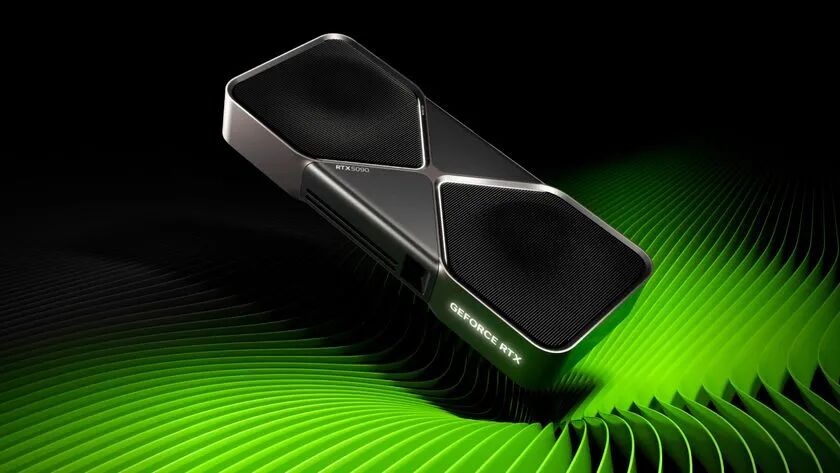
Core Viewpoint - The hardware industry is facing significant challenges in 2025 and 2026, with major delays in the release of the RTX 60 series graphics cards, as NVIDIA shifts its focus to AI products, leaving the gaming market in a state of stagnation [1][3]. Group 1: Graphics Card Market - NVIDIA has postponed the release of the RTX 60 series graphics cards to the end of 2027, prioritizing AI products over gaming hardware [1]. - The graphics card market is expected to experience a substantial update void over the next two years due to this shift [3]. - NVIDIA's introduction of DLSS 4 and 4.5 updates aims to extend the lifespan of older graphics cards, but this is seen as a temporary fix rather than a genuine hardware upgrade [4][7]. Group 2: Memory Market Dynamics - Intel CEO Lip-Bu Tan predicts that the current memory price increase cycle will last until at least 2028, with no signs of relief in sight [10]. - The demand for high-bandwidth memory (HBM) driven by AI applications is causing a significant increase in costs for consumer electronics, leading to a "stagflation" scenario where prices rise while performance declines [12][14]. - Major memory manufacturers are reallocating resources to HBM production, which is squeezing the supply of consumer-grade DDR4/5 and LPDDR memory, further escalating costs for manufacturers [14][16]. Group 3: Semiconductor Manufacturing Challenges - The semiconductor industry is facing limitations in process technology, with TSMC's N2 process showing minimal performance improvements compared to the more established 3nm process, leading to higher costs for marginal gains [17]. - Manufacturers are likely to adopt conservative strategies, focusing on refining existing 3nm products rather than pursuing new advancements, resulting in a stagnation of technological progress [19][21]. - The industry is expected to see more products that are merely name upgrades with downgraded specifications, reflecting a broader trend of stagnation in consumer electronics [21][23]. Group 4: Consumer Electronics Outlook - The consumer electronics market is entering a phase of technological stagnation, where new products may not represent significant performance improvements, but rather increased prices for minimal enhancements [23][25]. - Consumers are advised to adjust their expectations regarding technological advancements, recognizing that the current environment is characterized by rising costs and stagnant performance [28][31].


NVIDIA and Microsoft Open Next Era of Gaming With Groundbreaking Neural Shading Technology
Globenewswire· 2025-03-13 13:04
Core Insights - NVIDIA announced significant advancements in its RTX neural rendering technologies ahead of the Game Developers Conference (GDC) [1] - The partnership with Microsoft will introduce neural shading support in the Microsoft DirectX preview, enhancing game development capabilities [1][3] Group 1: Neural Rendering Technologies - Neural shading combines AI with traditional rendering, significantly improving frame rates, image quality, and reducing system resource usage [2] - NVIDIA RTX Kit is receiving major updates, including support for Unreal Engine 5, enhancing features like RTX Mega Geometry and RTX Hair [3] Group 2: RTX Remix and Game Development - The official release of the NVIDIA RTX Remix open-source platform allows modders to create remasters of classic games, with a new playable Half-Life 2 RTX demo featuring advanced neural rendering enhancements [4][9] - Over 30,000 modders have utilized the RTX Remix platform, leading to the creation of hundreds of classic game mods, with over 1 million gamers engaging with these mods [10] Group 3: DLSS 4 Technology - DLSS 4 has been rapidly adopted, now supported in over 100 games and apps, achieving this milestone two years faster than its predecessor, DLSS 3 [12] - The introduction of Multi Frame Generation in DLSS 4 allows for the generation of up to three additional frames per traditionally rendered frame, significantly enhancing performance [13]

申万海外科技英伟达 FY25Q4 财报梳理及业绩会交流纪要
2025-02-27 01:29
Summary of Key Points from the Conference Call Company and Industry Overview - **Company**: NVIDIA - **Industry**: Technology, specifically focusing on data center solutions, AI infrastructure, and gaming Core Financial Performance - **Q4 FY25 Revenue**: $39.3 billion, up 78% YoY, exceeding expectations of $38.2 billion [1][3] - **Non-GAAP Net Profit**: $22.1 billion, up 72% YoY, above the expected $21 billion [1] - **Data Center Revenue**: $35.6 billion in Q4, up 93% YoY, driven by Blackwell product sales [1][4] - **Gaming Revenue**: $2.5 billion in Q4, down 22% QoQ, but annual revenue grew 9% [1][13] Product and Market Insights - **Blackwell Series**: Achieved $11 billion in revenue in Q4, with full production ramp-up expected [1][4] - **Next-Gen Products**: Blackwell Ultra to be launched in H2 2025, with significant improvements in performance and efficiency [1][26] - **CSP Contribution**: Major cloud service providers (Microsoft, Google, Amazon, Oracle) accounted for nearly half of data center revenue [1][7] Growth Drivers - **AI Demand**: Strong demand for AI infrastructure, with companies investing heavily in GPU-based computing for training and inference [5][6] - **Post-Training and Customization**: Increased demand for NVIDIA's infrastructure due to model customization and post-training processes [6] - **Enterprise Growth**: Enterprise business revenue grew nearly 100% YoY, driven by AI applications in various sectors [9] Financial Guidance and Projections - **Q1 FY26 Revenue Guidance**: Expected to reach $43 billion, slightly above consensus [1][18] - **Gross Margin Expectations**: Anticipated to improve to mid-70% levels as production scales [1][24] Regional Insights - **US Market Strength**: Significant growth in the US market, with ongoing investments in AI infrastructure [11][32] - **China Market**: Sales in China remain below pre-export control levels, with competition intensifying [11] Additional Insights - **Networking Business**: Revenue declined 3% QoQ, but expected to recover with new product launches [12] - **Gaming and AIPC**: Gaming revenue faced challenges due to supply constraints, but new product launches are expected to drive future growth [13][14] - **Healthcare and Automotive**: Strong demand in healthcare and automotive sectors, with partnerships for AI-driven solutions [10][16] Conclusion - NVIDIA is positioned strongly in the AI and data center markets, with robust financial performance and growth prospects driven by the demand for AI infrastructure and services. The company is focused on scaling production of its Blackwell products while preparing for the launch of next-generation solutions.