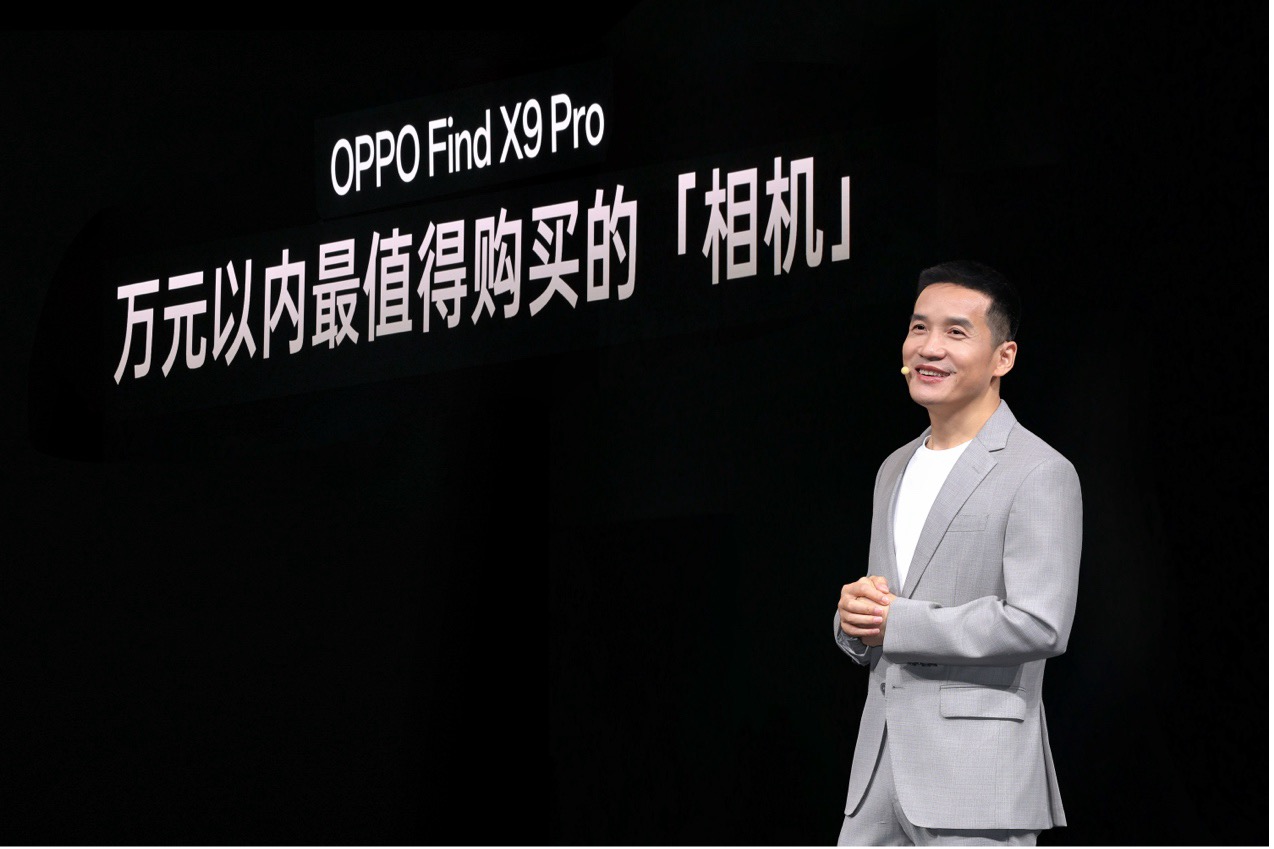
Find X9 Pro

Search documents
2025年中国手机市场数据出炉,OPPO安卓阵营增长第一
Xin Lang Cai Jing· 2025-12-30 04:37
Group 1 - The core viewpoint of the articles indicates that despite an overall decline in the Chinese smartphone market in 2025, brands like Apple, OPPO, and Xiaomi are experiencing growth, with OPPO leading the Android segment with a growth rate of 106% [1] Group 2 - IDC forecasts that the ongoing increase in cost structures will significantly pressure global smartphone manufacturers, with a consensus in the industry that the overall price range of new flagship models is rising [3] - The high-end market shows relatively low price sensitivity, as consumers demonstrate strong purchasing intent when products feature significant technological breakthroughs and innovative experiences [3] - OPPO's product lineup this year has received positive market feedback, with the Reno14 model ranking first in sales across all price segments during the summer, and the Find X9 series experiencing notable sales growth in international markets like Spain and Mexico [3] - The Find X9 Pro was recognized as the best imaging smartphone of the year by MKBHD, a prominent tech reviewer [3] - OPPO is the only major brand in China to achieve growth in the third quarter, with nearly 50% of its users being repeat customers, indicating strong brand loyalty and user retention [3]


2025年第45周:数码家电行业周度市场观察
艾瑞咨询· 2025-11-20 00:04
Group 1: eSIM Technology - eSIM technology marks the transition to a "cardless era" in smartphones, with major manufacturers like Huawei and OPPO quickly adapting to this trend [2][3] - The launch of Apple's iPhone Air has prompted domestic manufacturers to develop eSIM-compatible devices, although consumer response indicates a preference for functionality over extreme thinness [2][3] Group 2: AI in Mobile Technology - Mobile AI is evolving from traditional voice assistants to self-evolving AI-native phones, becoming a key player in the smart economy [4] - Companies like Honor and Huawei are leveraging edge-cloud collaboration to enhance AI capabilities in various consumer scenarios, indicating a shift towards intelligent service hubs [4] Group 3: Edge Computing and AI Applications - A significant percentage of Chinese enterprises believe generative AI will disrupt their business within the next 18 months, with many already implementing it [5] - Edge computing is becoming essential for AI applications, addressing latency, cost, and compliance issues, with predictions that 80% of CIOs in Asia-Pacific will rely on edge services by 2027 [5] Group 4: Robotics and AI - The humanoid robot industry in China is making strides in hardware production and cost control, but still lags behind the U.S. in intelligent models and software ecosystems [6][7] - The competition in humanoid robotics will hinge on breakthroughs in "embodied intelligence," with both countries vying for leadership in AI and robotics [6][7] Group 5: AI in E-commerce - AI-driven e-commerce products are gaining traction, but user experience remains a challenge, with competition focusing on information distribution and execution capabilities [8] - The future of AI e-commerce will revolve around understanding consumer needs, although widespread adoption may take time [8] Group 6: AI Emotional Companionship - AI applications for emotional companionship are rising in popularity, with Chinese entrepreneurs leveraging hardware supply chains to accelerate deployment [9] - The user base for generative AI in China has grown significantly, indicating a strong market potential for emotional AI applications [9] Group 7: AI Headphones Market - The AI headphones market has rapidly transitioned from concept to scale, with a significant portion of products priced below 500 yuan [10] - The market is diversifying, with different brands targeting various segments, but user satisfaction remains mixed [10] Group 8: Virtual Idols and AI - The AI virtual idol sector is experiencing a resurgence, significantly lowering production costs and time [12] - Successful cases demonstrate the potential for virtual idols to become global IPs, although challenges in content quality and consistency remain [12] Group 9: Smart Glasses Market - The year 2025 is projected to be pivotal for smart glasses, with numerous manufacturers entering the market [13] - Key challenges include privacy concerns and technological limitations, which must be addressed for widespread adoption [13] Group 10: Humanoid Robots and Chip Demand - The humanoid robot industry is expected to grow rapidly, with significant demand for AI chips, particularly in motion control and visual sensing [17] - Domestic manufacturers are gradually catching up in the chip supply chain, although high-end AI chips still rely on international suppliers [17] Group 11: Global Expansion of Chinese Home Appliances - Chinese home appliance companies are diversifying their overseas presence to mitigate risks and enhance competitiveness [18] - Digital technology is a key driver of this strategy, with companies like Midea and TCL leading the way in global manufacturing and R&D [18] Group 12: AI Chip Industry Dynamics - The AI chip industry in China is characterized by a practical approach, focusing on technology implementation and industrial empowerment [19][20] - The competition will center on third-party markets, with a shift towards specialized chips and ecosystem development [19][20] Group 13: Meta's AI Strategy - Meta is adjusting its strategy in the AI sector by laying off staff and recruiting top talent to enhance its model development capabilities [21] - The company's future success will depend on its ability to translate investments and talent into technological breakthroughs [21] Group 14: Hisense's Financial Performance - Hisense reported steady revenue growth in its recent quarterly results, driven by advancements in display technology and high-end product sales [22] - The company is well-positioned for future growth, particularly in the commercial display sector [22] Group 15: Alibaba's AI Glasses - Alibaba's Quark AI glasses have begun pre-sales, integrating various services from its ecosystem [24] - The product is seen as a significant step in showcasing Alibaba's AI capabilities and ecosystem collaboration [24] Group 16: Midea's R&D Investment - Midea plans to invest over 50 billion yuan in R&D over the next three years, focusing on AI and embodied intelligence [25] - The company aims to enhance its global competitiveness and technological leadership through this investment [25] Group 17: Huawei's HarmonyOS 6 - Huawei's HarmonyOS 6 has been launched with significant upgrades in performance and connectivity features [26] - The company is actively working to expand its global market share and reshape the operating system landscape [26] Group 18: New Stone's Autonomous Delivery Vehicles - New Stone has secured significant funding to expand its autonomous delivery vehicle operations, projecting substantial growth in demand by 2027 [27][28] - The company is focusing on algorithm upgrades and global market expansion to meet future demand [27][28] Group 19: Tesla's Compensation Plan - Tesla's proposed compensation plan for CEO Elon Musk has drawn scrutiny, with significant performance targets set for stock incentives [29] - The plan aims to ensure Musk's focus on the company's transition to autonomous driving and robotics [29] Group 20: Qualcomm's AI Chip Launch - Qualcomm has introduced new AI inference chips targeting a rapidly growing market, emphasizing energy efficiency and cost [30] - The company is expanding its presence in various sectors, including smart driving and IoT, to mitigate potential revenue challenges [30] Group 21: NVIDIA's Market Position - NVIDIA has achieved a remarkable market valuation, driven by surging demand for AI computing power [31] - However, concerns about potential market bubbles and geopolitical risks pose challenges for the company's future growth [31] Group 22: Haier's IPO Plans - Haier is preparing for an IPO of its industrial internet platform, aiming to raise significant capital for further development [33] - The platform has already made substantial contributions to various industries, indicating strong market potential [33] Group 23: Xiaomi's Growth Strategy - Xiaomi aims to enter the global top 100 companies within five years, focusing on high-end technology and chip development [34] - The company is also expanding its global presence and product offerings to drive growth [34] Group 24: Ant Group's AI Strategy - Ant Group is shifting its focus from digital payments to intelligent payments, leveraging AI as a core strategy [36] - The company aims to integrate AI with user needs to capture new opportunities in the AI era [36]







eSIM还在半路上
Bei Jing Shang Bao· 2025-10-20 15:35
Core Viewpoint - The three major Chinese telecom operators have collectively announced the approval for commercial eSIM services, with Apple and OPPO launching eSIM-enabled devices, indicating a significant shift towards a "no-card revolution" in the industry [1][4][6]. Group 1: Industry Developments - China Mobile, China Unicom, and China Telecom have received official approval to launch eSIM services, marking a new phase in mobile technology [1]. - Apple will release the eSIM-enabled iPhone Air on October 22, while OPPO plans to introduce the Find X9 Pro with eSIM support [1][4]. - The rollout of eSIM technology is expected to face challenges in terms of operational rules and practical implementation, as indicated by varying responses from service staff regarding eSIM activation procedures [1][3]. Group 2: Market Response - Initial responses from telecom staff regarding eSIM services have been inconsistent, highlighting a lack of clarity and training on new procedures [3][4]. - Currently, the availability of eSIM devices is limited, with only a few models, primarily from Apple, being ready for market [5][6]. - OPPO's eSIM model is still undergoing approval processes, and other major brands like Huawei and Xiaomi have not yet launched eSIM-enabled smartphones [5][6]. Group 3: Future Trends - The global eSIM smartphone connection is projected to reach 1 billion by the end of 2025 and 6.9 billion by 2030, indicating a strong growth trajectory for eSIM technology [7]. - The advantages of eSIM, such as space-saving in devices and enhanced user flexibility, are clear, but the transition from traditional SIM cards will require significant adjustments in service models and regulations [6][7].


eSIM来了,但还在来的路上
Bei Jing Shang Bao· 2025-10-20 14:50
Core Viewpoint - The launch of eSIM technology by major Chinese telecom operators marks a significant shift in mobile connectivity, but practical implementation faces challenges in terms of service and operational rules [1][2][7]. Group 1: eSIM Launch and Initial Reactions - Major telecom operators in China, including China Mobile, China Unicom, and China Telecom, received approval for eSIM services and announced their launch on October 13 [1]. - Apple is set to release the iPhone Air with eSIM technology on October 22, while OPPO plans to introduce its Find X9 Pro model with eSIM support [1][3]. - Initial inquiries at telecom service centers reveal a lack of clarity and readiness regarding eSIM services, indicating that staff are still familiarizing themselves with the new technology [2][3]. Group 2: Challenges in Implementation - The current eSIM offerings are limited, with only a few models available for consumers, primarily the iPhone Air, while OPPO's eSIM model is expected to launch later [3][6]. - Operational challenges include the requirement for users to visit physical stores for eSIM activation, which complicates the user experience and slows down adoption [8]. - Experts suggest that telecom operators need to revise existing service models and regulations to facilitate smoother transitions to eSIM technology, including rules for number portability and cross-region service [8][9]. Group 3: Future Outlook - The potential for eSIM technology to revolutionize the mobile industry is evident, with predictions indicating that by the end of 2025, there will be 1 billion eSIM-enabled smartphones globally, increasing to 6.9 billion by 2030 [8]. - The advantages of eSIM, such as saving physical space in devices and enabling multiple numbers on a single chip, highlight its importance in the future of mobile technology [8][9].
OPPO Launches Find X9 and Find X9 Pro; Pro Satellite Edition Supports eSIM, Series Starts at ~$611 in China
Pandaily· 2025-10-17 11:02
Core Insights - OPPO launched the Find X9 flagship line on October 16, 2025, featuring two models: Find X9 and Find X9 Pro, with sales starting in China on October 22, 2025. A Satellite Edition with eSIM support is expected in November [1][13]. Pricing - Find X9 is priced from RMB 4,399 (approximately $611) and Find X9 Pro starts at RMB 5,299 (approximately $736). Both models offer additional memory/storage options up to 1 TB, with the 1 TB eSIM-enabled Pro Satellite Edition launching in November [6]. Chips and Core Hardware - Both models utilize OPPO's "Chip Chain" platform, powered by MediaTek Dimensity 9500, with LPDDR5X RAM and UFS 4.1 storage. The series also incorporates OPPO's P3 display chip and Shanhai communications enhancement silicon [4]. Displays - Find X9 features a 6.59-inch OLED display with a resolution of 2760×1256, 120 Hz refresh rate, and a global peak brightness of 1,800 nits. Find X9 Pro has a 6.78-inch OLED display with a resolution of 2772×1272, 1–120 Hz LTPO, and a global peak brightness of 1,600 nits [5][7]. Cameras - Find X9 includes a 32 MP front camera and a rear triple camera setup with a 50 MP main, 50 MP ultrawide, and 50 MP inverted periscope telephoto. Find X9 Pro features a similar setup but with a 200 MP Hasselblad telephoto lens, the first mobile lens to receive Hasselblad optical certification [10][12]. Batteries and Charging - Find X9 is equipped with a 7,025 mAh "Glacier" battery, supporting 80 W wired, 50 W wireless, and 5 W reverse wireless charging. Find X9 Pro has a 7,500 mAh battery with the same charging capabilities [9][12]. Additional Features - Both models support Wi-Fi 7, NFC, IR blaster, ultrasonic fingerprint, and have IP66/IP68/IP69 dust/water resistance. They also feature stereo speakers, a quad-mic array, and a triple Wi-Fi antenna system, along with ColorOS 16 [11].

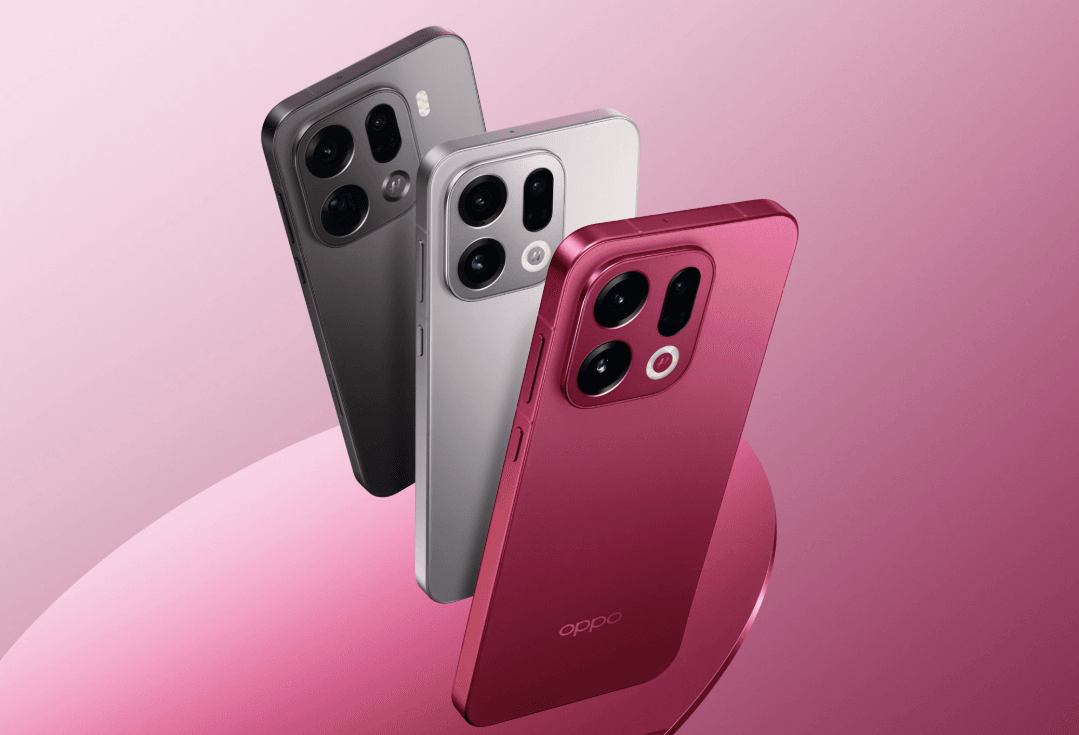
iPhone Air预购,三大运营商暂无法异地办理eSIM
Bei Ke Cai Jing· 2025-10-17 09:29
Core Points - The launch of iPhone Air marks the official entry of the eSIM era in the Chinese smartphone market [1][2] - Major telecom operators in China, including China Unicom, China Mobile, and China Telecom, have received approval to conduct eSIM mobile service trials [1] - During the trial period, online processing for eSIM activation is not available; users must visit physical stores [1][2] Telecom Operators - China Mobile has stated that eSIM services do not currently support remote activation, with future updates pending [1] - China Unicom allows activation of local numbers at any of its stores but does not support cross-province activation for new eSIM devices [1] - China Telecom's app indicates that remote card replacement for eSIM users is not supported initially, with local inquiries recommended for specific provinces [2] Product Launch - iPhone Air was globally released in September, but its launch in mainland China was delayed due to the lack of eSIM service approval [2] - The pre-order for iPhone Air began on October 17, with official sales set for October 22 [2] - OPPO also announced its new Find X9 Pro model, which supports eSIM functionality [3]
OPPO 发布年度旗舰Find X9系列,打造全新一代“旅拍神器”
Jing Ji Wang· 2025-10-17 07:00
Core Viewpoint - OPPO has launched the Find X9 series, emphasizing significant upgrades in imaging, battery life, display, and interaction, marking a milestone in the company's 30-year history [1] Imaging Technology - The Find X9 series introduces Hasselblad 8K ultra-clear photos, allowing users to capture high-quality images without additional operations, addressing the issue of pixelation in high-resolution photos [3] - The Find X9 Pro features a groundbreaking "Hasselblad True 200 Million" long-focus lens, utilizing AOA active optical calibration technology to enhance resolution by 15% [4] - The series incorporates the LUMO super pixel engine for processing up to 200 million pixels, enabling high-quality images that can rival top medium-format cameras [4] - OPPO has deepened its collaboration with Hasselblad, introducing a professional imaging kit that supports up to 40X optical zoom, enhancing the experience for concert photography [5] Color and Video Capabilities - The Find X9 Pro is equipped with advanced fourth-generation color restoration technology, ensuring accurate color representation across various lighting conditions [7] - The series supports 4K 120fps Dolby Vision and 10bit Log video recording, catering to professional content creators [8] Performance and Battery Life - The Find X9 series is powered by the Dimensity 9500 chip, featuring a large capacity battery of 7500 mAh for the Pro model, utilizing self-developed materials for enhanced longevity [11] - The series includes a self-developed communication chip for optimized network connectivity during travel [11] Display Technology - The Find X9 series features a groundbreaking 1nit eye-care display, significantly improving visibility in low-light conditions [12] Software and User Experience - The series debuts with ColorOS 16, enhancing performance and connectivity across devices, including seamless integration with Apple products [13] Design and Durability - The Find X9 series showcases a refined design with a focus on comfort and durability, featuring IP66/68/69 water resistance and SGS five-star drop resistance certification [13] Pricing and Availability - The starting price for the Find X9 series is 4399 yuan, with the Hasselblad professional imaging kit priced at 1699 yuan [14]