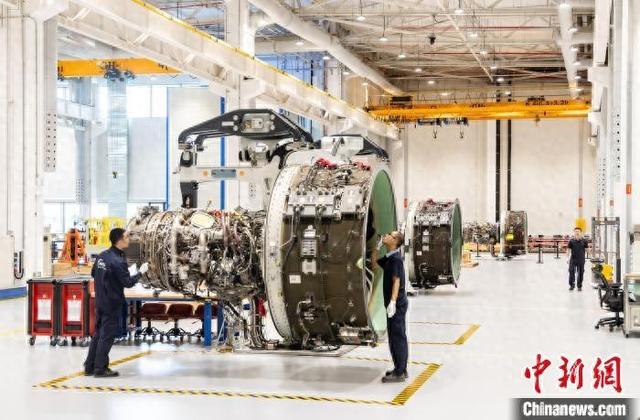
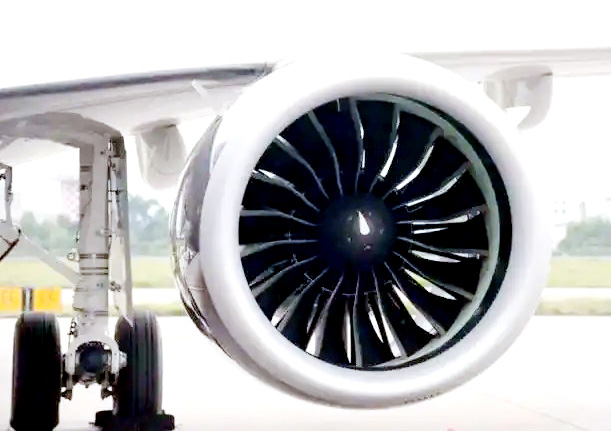
GTF发动机

Search documents
普惠多措应对GTF发动机问题
Xin Lang Cai Jing· 2026-01-23 04:26
Core Insights - The recent durability issues with the Pratt & Whitney GTF engine have led to significant fluctuations in aircraft ground time, drawing attention within the aviation industry [2] - The ground time issues are attributed to engine failures and maintenance turnaround, contrasting sharply with the stable performance of competing engines, indicating a clear industry divergence [2] Summary by Category Engine Performance - In 2023, Pratt & Whitney disclosed defects in the high-pressure turbine blades of the GTF engine, necessitating inspections of 600 units, which has forced several airlines to ground some aircraft due to a shortage of backup planes [2] - The Airbus A320 series has been the most severely affected, with ground rates soaring above 40% in early 2024, followed by a decline in summer and a rebound by the end of the year, with projections suggesting a return to over 30% by the end of 2025 [2] - The ground rates for the Airbus A220 and Embraer E2 series are approximately 25%, while the industry benchmark CFM56 narrowbody fleet is projected to have a ground rate of 21% by December 2025, and its successor, the Leap series, is performing well with a stable ground rate of around 12% [2] Company Response - The parent company of Pratt & Whitney is advancing the implementation of enhanced kits for high-temperature components and promoting an upgraded version of the engine set for 2026 to alleviate operational pressures [2]


小摩闭门会-2026航天和国防展望-看好商业航空和国防的哪些公司
2026-01-04 15:35
Summary of the Aerospace and Defense Industry Outlook Industry Overview - The overall outlook for the aerospace and defense industry in 2026 is optimistic, supported by a favorable budget environment despite some market complexities [3][5][15] - The commercial aviation sector is expected to perform strongly in 2025, with companies like General Electric (GE) and Howmet showing significant potential for growth [5][6] Key Companies and Performance - **General Electric (GE)**: Anticipated to see a 25% growth in the aftermarket segment in 2025, driven by high demand for new generation LEAP and GTFS engines [3][13] - **Howmet**: Noted for its strong performance alongside GE, with rising valuation multiples and improved earnings expectations [5] - **Honeywell**: Identified as having substantial potential in the commercial aviation sector [5] - **Bombardier**: Demonstrated a solid recovery in its balance sheet and is expected to perform steadily in the business jet market [3][5][14] - **Boeing and Airbus**: Both companies are projected to have stable order books, with deliveries expected to reach about 8% by the end of the decade, which will help retire older aircraft and boost aftermarket demand [3][8] Market Trends and Projections - Fleet size is expected to grow by approximately 12% from 2026 to 2028, supported by high order backlogs and strong market demand [3][7] - The average age of the narrowbody fleet is currently 11.5 years, and new aircraft deliveries will help reduce this age [7][8] - The retirement rate for widebody aircraft is projected to reach 4%-5% by 2029-2030, which will further enhance aftermarket demand [8] Defense Spending and Challenges - U.S. defense spending is currently around 3.5% of GDP, with discussions suggesting it may need to increase to counter challenges posed by China [15][17] - The "Golden Dome" missile defense system is progressing slowly, with companies like Eltaf and Harris potentially emerging as winners, while RTX and Lockheed Martin are also heavily involved [3][20] - The budget coordination act is expected to provide additional funding for investment accounts, which could benefit defense contractors [18][21] Cash Flow and Financial Outlook - RTX is projected to achieve cash flow exceeding $8.5 billion if operational capital continues to contribute positively [23] - Boeing's stock price rebound is attributed to lowered cash flow expectations for 2026, with a potential for cash flow to exceed $10 billion in the coming years [24] - TransDigm's performance has been lackluster due to poor aftermarket results and a lack of investor interest in acquisitions [27] Emerging Technologies and Market Dynamics - Open fan technology in aviation engines is a contentious topic, with GE pushing for its adoption while concerns about reliance on a single supplier persist [12] - The aftermarket for engines is experiencing significant demand, with a backlog of maintenance needs for older engines [13] Conclusion - The aerospace and defense industry is poised for growth, driven by strong demand in commercial aviation and defense sectors, although challenges remain in execution and market dynamics. Companies that adapt to these trends and leverage technological advancements are likely to succeed in the coming years [3][5][15][23]
创新赢得未来 擎画行业崭新蓝图——专访普惠中国区总裁刘昊宇
Zhong Guo Min Hang Wang· 2025-10-27 08:41
Core Insights - Pratt & Whitney (PW) celebrated its 100th anniversary by donating a commemorative album and hosting educational lectures for youth aviation enthusiasts, highlighting its historical contributions to the aviation industry [1] - The company has established a long-term partnership with the Chinese civil aviation sector, providing engines for over 1,500 aircraft operated by more than 200 Chinese operators, showcasing its commitment to the local market [2] - PW's GTF engine has been recognized for its fuel efficiency, emissions reduction, and noise reduction, with over 2,400 aircraft globally equipped with GTF engines since its first delivery in 2016 [2] Investment and Capacity Expansion - To support the growing GTF fleet, PW has made significant investments, including expanding its Asheville, North Carolina blade factory to achieve an annual production capacity of approximately 300,000 blades [3] - The global MRO capacity for GTF engines is expected to grow by 30% this year, with two major repair facilities located in China, enhancing local service capabilities [3] Future Outlook - The Chinese civil aviation market is projected to become the largest globally, with an estimated need for around 8,000 single-aisle aircraft over the next 20 years, positioning PW's GTF engine as a foundational technology for advanced, efficient, and environmentally friendly aircraft [4] - The GTF Advantage project aims to enhance engine performance, increasing thrust by 4% to 8% and improving fuel efficiency, with the first engine expected to be delivered by the end of this year [5][6] - GTF Advantage is particularly valuable for the Chinese market, offering superior performance in high-altitude conditions, thus expanding the operational flexibility of aircraft like the A320neo [6]

Raytheon Technologies(RTX) - 2025 Q3 - Earnings Call Transcript
2025-10-21 13:32
Financial Data and Key Metrics Changes - Adjusted sales for Q3 were $22.5 billion, up 12% on an adjusted basis and 13% organically year over year [14] - Adjusted segment operating profit increased to $2.8 billion, up 19% year over year, with a consolidated segment margin expansion of 70 basis points [14] - Free cash flow was robust at $4 billion for the quarter, contributing to a full-year outlook of $7 to $7.5 billion [15][18] Business Line Data and Key Metrics Changes - Collins Aerospace reported sales of $7.6 billion, up 8% adjusted and 11% organically, with commercial OE sales up 16% and commercial aftermarket sales up 13% [20] - Pratt & Whitney's sales reached $8.4 billion, up 16% on both an adjusted and organic basis, driven by a 5% increase in commercial OE sales and a 23% increase in commercial aftermarket sales [22][24] - Raytheon reported sales of $7 billion, up 10% on both an adjusted and organic basis, with adjusted operating profit of $859 million, up $198 million year over year [25] Market Data and Key Metrics Changes - The book-to-bill ratio for the quarter was 1.63, resulting in a backlog of $251 billion, up 13% year over year [7][28] - New awards in the quarter totaled $37 billion, with $23 billion in defense and $14 billion in commercial orders [7] Company Strategy and Development Direction - The company is focused on executing commitments and driving performance improvements through its core operating system, achieving 10% organic sales growth while keeping headcount flat [8] - Investments of over $600 million in capacity expansion projects are planned to support growth, including a $300 million investment at Raytheon [10] - The company is leveraging data analytics and AI tools to improve productivity and decision-making across its operations [12] Management's Comments on Operating Environment and Future Outlook - Management expressed confidence in the strength of global demand for products and services, particularly in commercial aerospace, with passenger air travel expected to grow approximately 5% this year [4] - The full-year adjusted sales outlook has been raised to a range of $86.5 billion to $87 billion, reflecting strong operational performance and end-market strength [16] - Management anticipates continued top-line growth, margin expansion, and solid free cash flow conversion beyond the current year [19] Other Important Information - The company completed the sale of the actuation business and the Collins Simmons Precision Products business for $765 million [15] - The company is on track to achieve a free cash flow outlook of $7 billion to $7.5 billion for the year, driven by segment operating profit growth and working capital improvement [18] Q&A Session Summary Question: Confidence in delivering LEAP engines to Airbus - Management indicated strong execution and support for production ramps, with a focus on balancing material allocation to meet delivery targets [32][38] Question: Limitations to Raytheon segment growth - Management highlighted strong demand with a book-to-bill of 2.27, but emphasized the need for a healthy supply chain to meet production increases [44][45] Question: Collins margins and tariff impacts - Management acknowledged a $90 million headwind from tariffs affecting Collins margins, but noted ongoing efforts to mitigate these impacts [85] Question: Expectations for GTF compensation payments - Management confirmed that the financial outlook for GTF compensation payments remains consistent, with no changes to the timing of expected reductions in AOG levels [80] Question: Incremental margins in Collins - Management attributed weaker incremental margins to tariff impacts, with ongoing efforts to improve productivity and efficiency [85] Question: Top line and bottom line moving pieces for Pratt - Management clarified that the uptick in revenue outlook for Pratt is driven by a mix of spare engines and increased defense contracts, with expectations for continued MRO output growth [90]
Raytheon Technologies(RTX) - 2025 Q3 - Earnings Call Transcript
2025-10-21 13:30
Financial Data and Key Metrics Changes - Sales increased by 13% organically year over year, with adjusted segment operating profit up 19% and free cash flow at $4 billion for the quarter [3][4][14] - Adjusted earnings per share (EPS) rose 17% to $1.70, driven by segment operating profit growth [14][16] Business Line Data and Key Metrics Changes - Commercial aftermarket sales grew 18%, while commercial OE and defense sales both increased by 10% [13][14] - Collins sales were $7.6 billion, up 8% adjusted and 11% organically, with commercial OE sales up 16% and defense sales up 6% [20][21] - Pratt and Whitney sales reached $8.4 billion, up 16% on both adjusted and organic bases, with commercial aftermarket sales up 23% [22][24] - Raytheon sales were $7 billion, up 10% on both adjusted and organic bases, driven by higher volume in Land and Air Defense Systems [25][26] Market Data and Key Metrics Changes - Global demand for products and services remains strong, with commercial aerospace passenger air travel expected to grow by approximately 5% this year [4][5] - The book-to-bill ratio was 1.63, resulting in a backlog of $251 billion, up 13% year over year [5][28] Company Strategy and Development Direction - The company is focused on executing commitments and driving performance improvements through its core operating system, achieving 10% organic sales growth while keeping headcount flat [8][10] - Investments of over $600 million in capacity expansion projects are underway to support growth [10][12] - The company is innovating for future growth, including developing hybrid electric propulsion systems and next-generation braking systems [11][12] Management's Comments on Operating Environment and Future Outlook - Management raised the full-year outlook for adjusted sales to a range of $86.5 billion to $87 billion, reflecting strong operational performance and end-market strength [16][18] - Free cash flow outlook remains at $7 billion to $7.5 billion for the year, with expectations for continued top-line growth and margin expansion [18][28] Other Important Information - The company completed the sale of the actuation business and the Collins Simmons Precision Products business for $765 million [15] - The company is experiencing a headwind from tariffs, impacting margins across segments [89] Q&A Session Summary Question: Confidence in delivering LEAP engines to Airbus - Management expressed confidence in supporting production ramps for Airbus and balancing material allocation to meet delivery targets [34][40] Question: Limitations to Raytheon segment growth - Management noted strong demand but emphasized the need for a healthy supply chain to meet production increases [44][50] Question: Margins in Collins and tariff impacts - Tariffs were identified as a key driver affecting margins, with ongoing efforts to mitigate these impacts [88][90] Question: Expectations for GTF compensation payments - The financial outlook for GTF compensation payments remains consistent, with planned payments for the fourth quarter [83][84] Question: Incremental margins and future growth in Raytheon - Management highlighted the potential for margin expansion driven by a favorable backlog mix and increased production efficiency [120][122]
Raytheon Technologies(RTX) - 2025 Q2 - Earnings Call Transcript
2025-07-22 13:30
Financial Data and Key Metrics Changes - In Q2 2025, adjusted sales reached $21.6 billion, reflecting a 9% increase on both an adjusted and organic basis, driven by growth across all segments [16] - Segment operating profit was $2.7 billion, up 12% year over year, with a consolidated segment margin expansion of 30 basis points [16] - Adjusted earnings per share (EPS) increased by 11% to $1.56, influenced by segment operating profit growth and a lower effective tax rate [16] - Free cash flow for the quarter was an outflow of $72 million, impacted by powder metal-related compensation and tariff costs [17] Business Line Data and Key Metrics Changes - Collins reported sales of $7.6 billion, up 9%, with commercial aftermarket sales increasing by 13% and defense sales up 11% [21] - Pratt and Whitney's sales also reached $7.6 billion, up 12%, driven by a 19% increase in commercial aftermarket sales [23] - Raytheon achieved sales of $7 billion, up 6%, supported by higher volume in land and air defense systems [25] Market Data and Key Metrics Changes - The company reported a book-to-bill ratio of 1.86, with a backlog of $236 billion, up 15% year over year [5] - Global Revenue Passenger Kilometers (RPKs) are expected to grow over 5% for the year, supporting strong commercial aftermarket demand [6] - The U.S. defense budget reconciliation includes over $150 billion for additional defense spending, indicating strong demand for defense products [7] Company Strategy and Development Direction - The company is focused on executing its backlog, driving cost discipline, and investing in innovation [28] - Strategic partnerships are being formed in Europe to support production ramp-ups, particularly for defense systems [7][12] - The company is leveraging data analytics and AI to enhance productivity and operational efficiency [13] Management's Comments on Operating Environment and Future Outlook - Management expressed confidence in the strong demand across end markets, with expectations for continued top-line growth [8] - The outlook for adjusted sales for the full year has been increased to a range of $84.75 billion to $85.5 billion, reflecting strong first-half performance [18] - The effective tax rate is expected to remain stable at 19.5%, with improvements in operating performance contributing to EPS growth [19] Other Important Information - The company raised its dividend by 8%, reflecting confidence in long-term cash generation capabilities [14] - The company is maintaining its full-year free cash flow outlook at $7 billion to $7.5 billion, with expected recovery from the work stoppage at Pratt [20] Q&A Session Summary Question: Can you discuss Raytheon's multiyear outlook and the potential for awards flowing from the backlog? - Management highlighted strong demand with a 1.35 book-to-bill ratio and a 25% increase in backlog since the end of 2023, emphasizing the focus on ramping production and forming key partnerships in Europe [34][36] Question: What are the latest developments regarding tariffs and their impact on demand? - Management noted a reduction in tariff cost outlook from $850 million to $500 million, with no current negative impact on demand observed [45][48] Question: Can you clarify the impact of the reconciliation bill on R&D capitalization? - The company expects a moderate cash benefit from the restoration of R&D expensing, which will continue to provide benefits in the coming years [56][57] Question: How do you see the trajectory of Raytheon's margins going forward? - Management expressed optimism about achieving 12% plus margins, driven by improved program mix and productivity [102][105] Question: What is the status of the GTF advantage and supply chain improvements? - Production for the GTF advantage has begun, with deliveries planned for later this year, and overall supply chain stability is improving [110][111]
珠海摩天宇金湾厂区成功交付首台维修发动机
Zhong Guo Xin Wen Wang· 2025-06-13 02:32
Core Insights - The successful delivery of the first repaired engine by Zhuhai Mo Tian Yu Jin Wan Factory to China Southern Airlines marks a significant milestone in the MRO (Maintenance, Repair, Overhaul) capabilities of the airline [1][4] - The Jin Wan Factory, a joint venture between China Southern Airlines and German MTU Aero Engines, officially commenced operations in March 2023 and aims to enhance service quality and efficiency in engine maintenance [1][2] Group 1 - The Jin Wan Factory is expected to deliver over 50 engines this year, with an annual maintenance capacity projected to reach 260 engines after full production [2][5] - The factory's operational efficiency and advanced production management systems are designed to support the MRO network for GTF engines, indicating a commitment to high-quality service [2][5] - The combined maintenance capacity of the Zhuhai Mo Tian Yu facilities is anticipated to exceed 700 engines annually, positioning it as a potential leader in the global MRO market [5]