HyperOS

Search documents
China's Xiaomi tells CNBC it's planning a yearly smartphone chip release and its own AI assistant for overseas
CNBC· 2026-03-04 10:58
Core Insights - Xiaomi plans to launch a new smartphone processor chip annually, indicating its ambition to delve into more advanced technology sectors [1][3] - The company is preparing to introduce its own AI assistant for international markets, complementing its existing AI assistant, Xiao AI, used in China [2][7] Group 1: Chip Development - Xiaomi's first custom system-on-chip (SoC), the XRing O1, was launched last year using a 3 nanometer manufacturing process, a rarity among smartphone manufacturers [2][9] - The company aims to release yearly upgrades to its SoC, aligning with industry leaders like Apple, which has a history of annual chip releases [5][9] - The integration of a custom SoC with Xiaomi's HyperOS operating system is expected to differentiate its products from competitors [6][9] Group 2: AI Assistant Strategy - Xiaomi's AI assistant, Xiao AI, is currently focused on the Chinese market, but the company plans to launch an AI assistant for international markets alongside its electric vehicles (EVs) in 2027 [7][8] - The company is likely to partner with Google to utilize its Gemini models for the overseas AI assistant, similar to strategies employed by other smartphone manufacturers [8] - The goal is to have the AI assistant integrated across both smartphones and cars, enhancing the user experience [8]


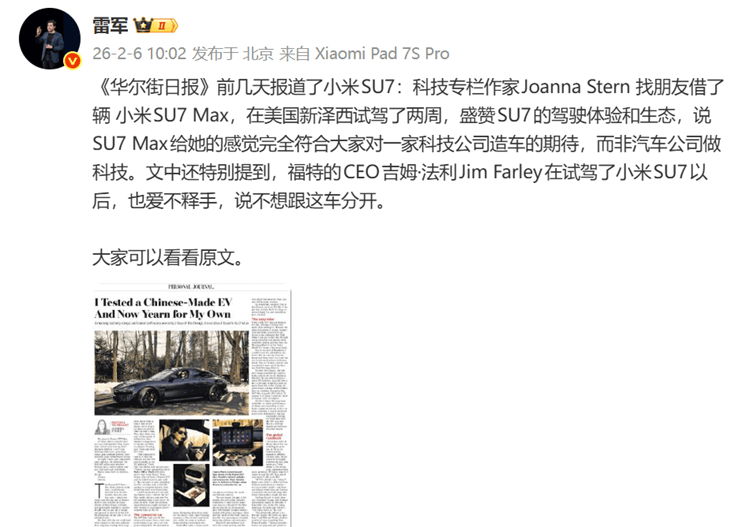
雷军:福特CEO试驾小米SU7之后,爱不释手,甚至不想跟车分开!
Sou Hu Cai Jing· 2026-02-06 06:49
Core Insights - Xiaomi's SU7 Max has garnered positive reviews for its driving experience and technology integration, positioning it as a strong competitor in the electric vehicle (EV) market despite not being available in the U.S. yet [1][8][20] - Ford's CEO, Jim Farley, expressed admiration for the Xiaomi SU7 after test-driving it, indicating a recognition of the competitive threat posed by Chinese EV manufacturers [4][9][24] Company Performance - The Xiaomi SU7 Max features advanced technology, including a 16.1-inch infotainment screen running HyperOS, and offers a battery range of approximately 500 miles (810 kilometers) [10][18] - The vehicle's pricing in China starts at 299,900 Chinese yuan (around $43,000), which is competitive with the Tesla Model Y, yet offers a more premium experience [20] Industry Trends - Chinese EV manufacturers, including Xiaomi, BYD, and Geely, are noted for delivering vehicles with longer battery ranges and superior digital platforms compared to Western competitors [8][9] - There is a growing sentiment that Chinese automakers are poised to enter the U.S. market, especially if manufacturing occurs domestically, as indicated by comments from industry executives [21][22] Competitive Landscape - Ford is exploring partnerships with various Chinese manufacturers, including Xiaomi, Geely, and BYD, to enhance its EV offerings and address the competitive gap with Chinese brands [24][26] - The current U.S. market is hindered by tariffs and restrictions on Chinese-made EVs, but these barriers may change in the future, allowing for greater competition [21][22]

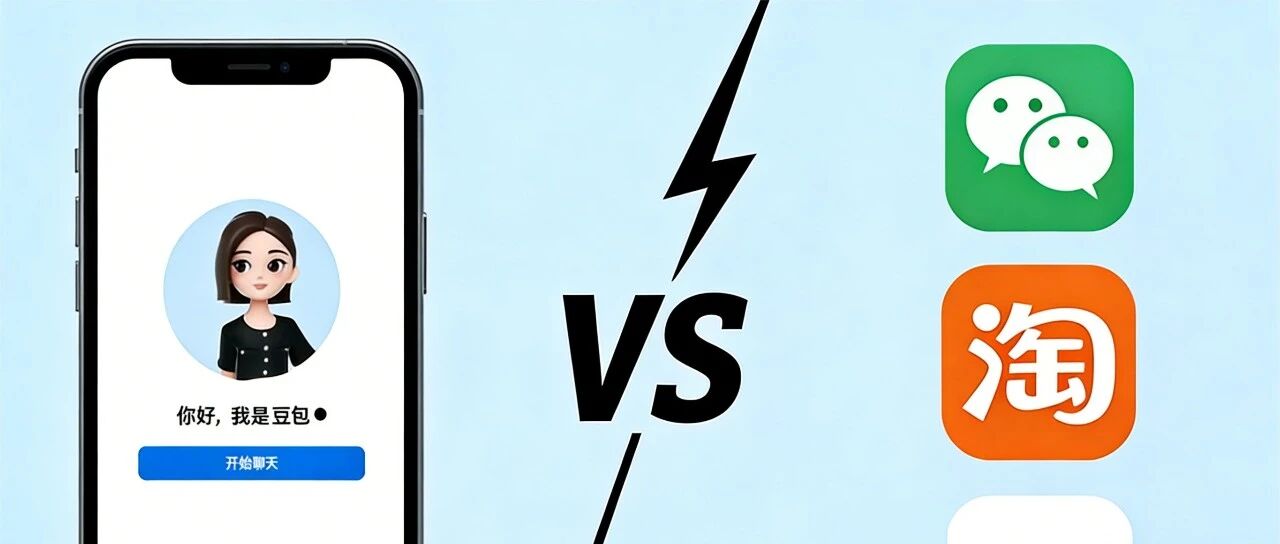
豆包手机引发的思考:AgentVS超级App,AI公司VS手机厂商
新财富· 2025-12-16 08:22
Core Viewpoint - The launch of the Doubao mobile assistant by ByteDance represents a significant step towards the realization of system-level AI agents, challenging the dominance of super apps like WeChat and Alipay in the mobile ecosystem [2][14][27] Group 1: Doubao Mobile Assistant Launch - On December 1, ByteDance's Doubao team released a technical preview of the Doubao mobile assistant, which collaborates deeply with phone manufacturers at the operating system level to enable cross-application automation [2] - The initial batch of 30,000 units sold out instantly, but within two days, major super apps like WeChat, Alipay, Taobao, and Meituan blocked the Doubao mobile assistant [3] Group 2: AI Agent Development - The Doubao mobile assistant demonstrates the feasibility of GUI agents, completing a closed-loop attempt for AI phones, but raises questions about its practical utility in real-world scenarios [5] - The evolution of AI agents has transitioned from fixed scripts and rule engines to a stage where GUI intelligent agents can understand and operate across applications, as seen with advancements from companies like Microsoft and Anthropic [6][7] Group 3: System-Level Agent vs. Super Apps - The system-level agent can understand user intent and orchestrate multiple apps, moving the focus from an app-centric model to a user-intent-centric model [8][10] - The core advantages of system-level agents include the ability to organize tasks across multiple apps and theoretical platform neutrality, alleviating long-standing issues like fragmented cross-app processes [11][12] Group 4: Industry Dynamics and Conflicts - The emergence of the Doubao mobile assistant has highlighted the conflict between system-level agents and super apps, with super apps responding defensively to protect their user entry points [14][15] - The long-term outcome may not be the elimination of one model over the other, but rather a redefinition of power boundaries and responsibilities between system-level agents and super apps [17] Group 5: Manufacturer Strategies - Different manufacturers are adopting varied strategies regarding AI agents, with Huawei integrating agents into its operating system, Xiaomi focusing on ecosystem integration, and Apple maintaining a single official agent [19][23][24] - The competitive landscape suggests a future where multiple agents coexist in the Android ecosystem, while iOS maintains a clearer structure with one official agent and several plugins [24][25]


China's Xiaomi is planning a next-gen phone chip, but won't release one yearly like Apple
CNBC· 2025-09-26 10:18
Core Viewpoint - Xiaomi is set to launch its self-developed smartphone SoC, XRING 01, in late May, aiming to enhance its position in the high-end smartphone market, but it will not follow a yearly release schedule like Apple [1][5]. Group 1: Chip Development Strategy - Xiaomi plans to invest at least 50 billion yuan ($7 billion) over the next decade to develop its own chips, indicating a long-term commitment to semiconductor development [5]. - The company aims to produce 1 million units of the XRING 01 initially, but needs to reach 10 million units per chip release to break even, suggesting a cautious approach to scaling production [7][8]. - Xiaomi's strategy includes learning and planning for future chip generations, acknowledging the need for patience in achieving profitability [5][8]. Group 2: Competitive Landscape - Xiaomi's move to develop its own chips aligns with similar strategies from major competitors like Apple, Samsung, and Huawei, as it seeks to capture a larger share of the premium smartphone market [2]. - The company currently relies on Qualcomm and MediaTek for its smartphone chips but intends to continue this partnership while gradually introducing its own semiconductors [12][13]. Group 3: Technological Integration - The XRING 01 is based on a 3-nanometer manufacturing process, one of the most advanced technologies available, which positions Xiaomi competitively in the semiconductor space [3]. - Developing its own SoC allows Xiaomi to better integrate its hardware with its Android-based operating system, HyperOS, and its AI applications, HyperAI, enhancing user experience [9][11].

16GB+1TB顶配跌至2790元,徕卡影像+小屏真旗舰,雷军这次清仓了
Sou Hu Cai Jing· 2025-08-28 11:31
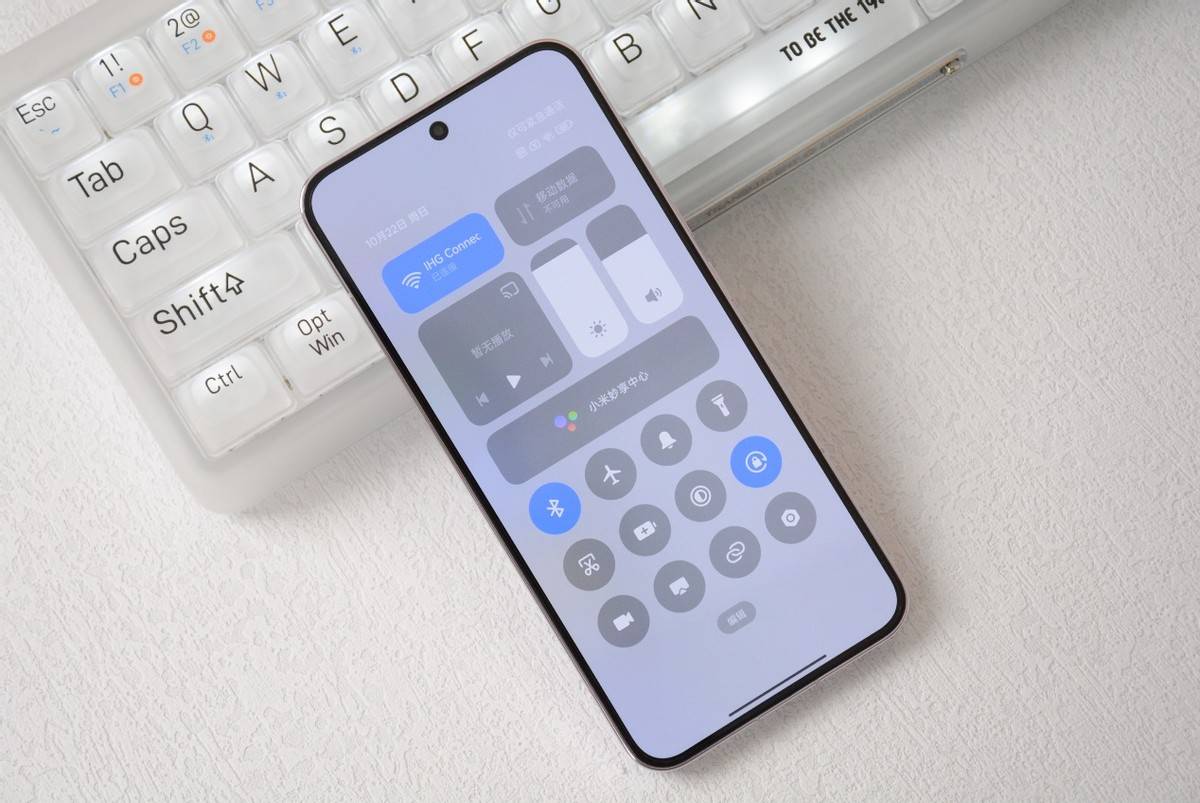
Core Viewpoint - The article highlights the unique positioning of the Xiaomi 14 as a compact flagship smartphone in an era dominated by larger devices, emphasizing its performance, camera capabilities, and user experience [1][9]. Performance and Specifications - Xiaomi 14 is equipped with Snapdragon 8 Gen3, LPDDR5X, and UFS 4.0, providing strong performance for demanding applications and gaming [3]. - The device features a 50MP main camera with Leica tuning, offering high-quality images, particularly with its 75mm floating telephoto lens [3]. Camera Capabilities - While the ultra-wide angle camera has limitations in low light and edge quality, the main and telephoto cameras cover 80% of typical photography needs, enhanced by Leica's color style [5]. - The camera setup is designed for practical use, allowing users to capture detailed images in various scenarios [5]. Battery and Charging - Xiaomi 14 includes a 4610mAh battery with 90W wired and 50W wireless fast charging, ensuring a full day of use and quick recharging capabilities [5][7]. - The device balances compact design with substantial battery life, appealing to users who prioritize portability without sacrificing performance [7]. User Experience - Weighing between 188g and 193g, Xiaomi 14 is designed for easy one-handed operation, contrasting with heavier flagship models [7]. - The introduction of Xiaomi's HyperOS enhances connectivity across devices, making the smartphone a central hub in the Xiaomi ecosystem [9][10]. Market Positioning and Pricing - The top configuration of Xiaomi 14 has seen a significant price drop from 4999 yuan to 2790 yuan, indicating challenges in establishing a high-end market presence [12]. - This price reduction presents an opportunity for consumers to acquire a high-performance compact flagship at a mid-range price, appealing to those who prefer smaller devices [15].
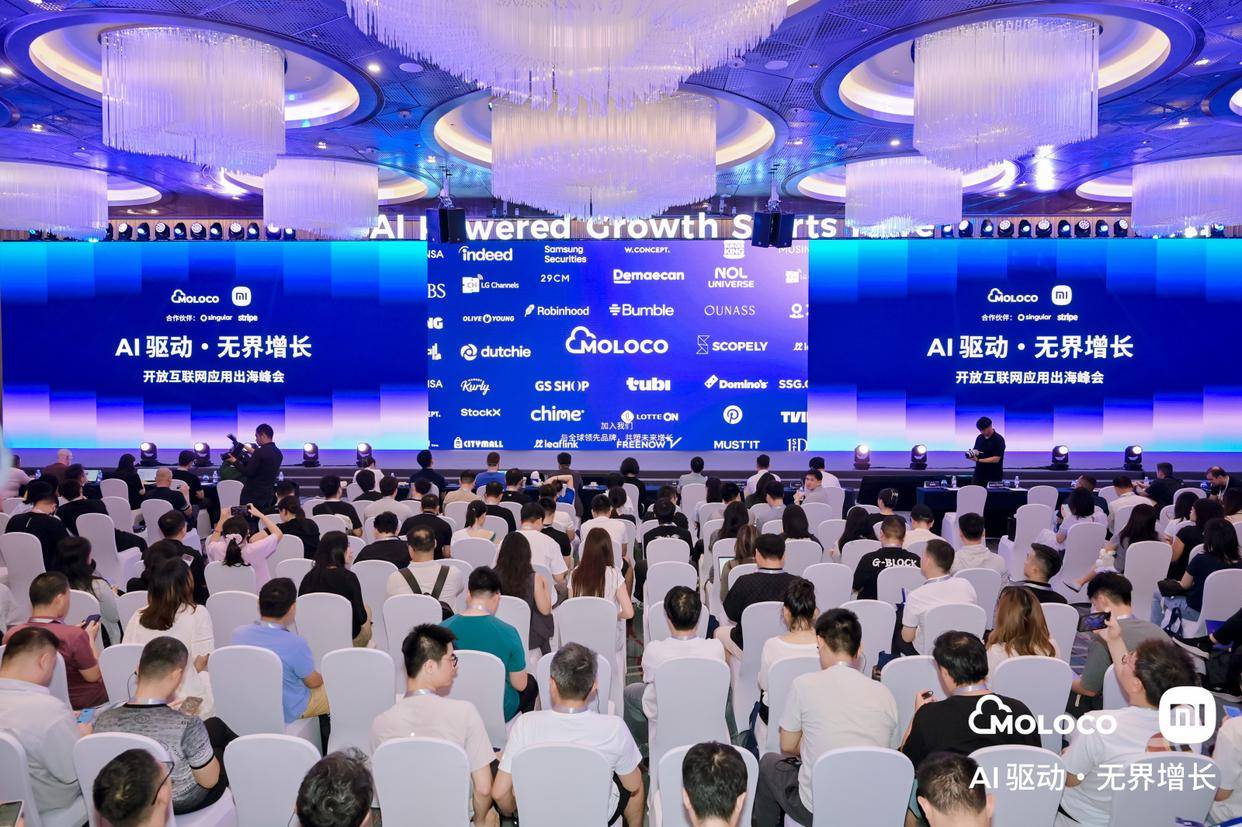
共聚 ChinaJoy!Moloco与小米国际互联网业务部携手共话全球增长新机遇
Sou Hu Cai Jing· 2025-08-07 20:51
Core Insights - The summit "AI-Driven, Boundless Growth" organized by Moloco and Xiaomi focused on AI technology-driven global growth strategies and the challenges faced by Chinese companies in overseas markets [1][3][5] Group 1: AI Technology and Global Growth - Moloco, a leader in AI-driven monetization, has been optimizing advertising strategies to play a crucial role in the global application ecosystem [5] - The company has collaborated with 180,000 enterprises globally, utilizing AI-driven advertising solutions to help clients achieve growth [5] - Moloco has developed a comprehensive product matrix including Moloco Ads, Moloco SDK, MCM, and MSM, covering user acquisition and monetization optimization [5] Group 2: Market Insights and Strategies - The global mobile gaming market has surpassed $80 billion, with a focus on Android open ecosystems and emerging market opportunities [6] - High-value users, constituting 0.02% of the user base, contribute 20% of industry profits, highlighting the importance of targeted marketing [6] - Moloco's AI remarketing solution, based on a network of 2 billion Daily Active Users (DAU), has shown significant improvements in Return on Advertising Spend (ROAS) [6] Group 3: Xiaomi's Global Strategy - Xiaomi's international internet business has 719 million monthly active users, reflecting a 9.2% year-on-year growth [9] - The company aims to create a more interconnected and intelligent ecosystem through its "human-vehicle-home" strategy [9] - Xiaomi plans to leverage insights from its automotive business to explore overseas market growth opportunities [9] Group 4: Collaborative Efforts - The partnership between Moloco and Xiaomi enhances advertising precision and monetization efficiency by integrating Moloco's AI technology with Xiaomi's global hardware ecosystem [14] - The collaboration aims to provide a comprehensive solution for global developers, addressing the challenges of international market competition [14] - Both companies will continue to leverage their complementary strengths in AI and global market positioning to enhance advertising effectiveness [14]
iPhone shipments in China plunge 20%; Will AAPL take a hit?
Finbold· 2025-03-17 13:09
Core Viewpoint - Apple faces significant challenges in China, a crucial market, as iPhone shipments decline, impacting its stock performance and overall growth prospects [1][6]. Group 1: iPhone Shipments and Market Performance - iPhone shipments in China dropped 20.6% year-over-year to 4.4 million units in January, contributing to a broader decline in the smartphone market, which saw total shipments decrease by 14.3% to 27.2 million units [2][3]. - The decline in iPhone sales is attributed to increased competition from domestic brands like Huawei and Xiaomi, macroeconomic pressures, and a shift in consumer preferences towards more affordable options [3][4]. Group 2: Impact of U.S.-China Trade Relations - The ongoing U.S.-China trade tensions, including tariffs, are expected to further hinder iPhone shipments, as the demand for premium smartphones in China softens [4][6]. - Apple struggles in the premium segment due to a lack of AI features compared to local competitors, which have successfully introduced feature-rich devices and advanced operating systems [5][6]. Group 3: Strategic Responses and Market Outlook - In response to declining market share, Apple has partnered with Alibaba to introduce Apple Intelligence in China, aiming to enhance its presence in the competitive AI market [7][8]. - Analysts are divided on Apple's prospects; while some express skepticism about the effectiveness of the partnership, others maintain a bullish outlook, predicting significant iPhone sales and potential revenue growth from AI initiatives [9][10]. Group 4: Analyst Ratings and Price Targets - Morgan Stanley reduced its price target for Apple from $275 to $252, citing weak iPhone demand, while maintaining an 'Overweight' rating [10]. - Despite mixed sentiments, the average price target among analysts is $249.38, suggesting a potential upside of nearly 17% over the next 12 months, with the highest target set at $325 [10].