骁龙8Gen3

Search documents
16GB+1TB顶配跌至2790元,徕卡影像+小屏真旗舰,雷军这次清仓了
Sou Hu Cai Jing· 2025-08-28 11:31
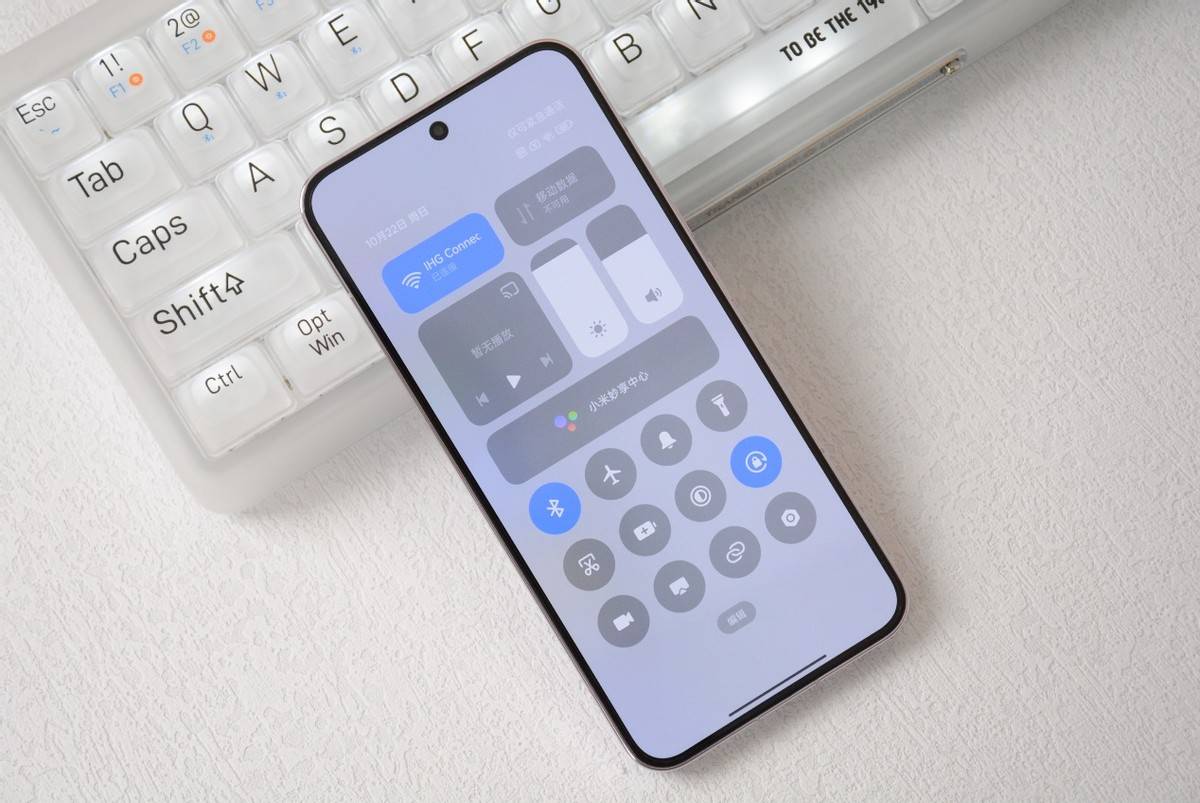
Core Viewpoint - The article highlights the unique positioning of the Xiaomi 14 as a compact flagship smartphone in an era dominated by larger devices, emphasizing its performance, camera capabilities, and user experience [1][9]. Performance and Specifications - Xiaomi 14 is equipped with Snapdragon 8 Gen3, LPDDR5X, and UFS 4.0, providing strong performance for demanding applications and gaming [3]. - The device features a 50MP main camera with Leica tuning, offering high-quality images, particularly with its 75mm floating telephoto lens [3]. Camera Capabilities - While the ultra-wide angle camera has limitations in low light and edge quality, the main and telephoto cameras cover 80% of typical photography needs, enhanced by Leica's color style [5]. - The camera setup is designed for practical use, allowing users to capture detailed images in various scenarios [5]. Battery and Charging - Xiaomi 14 includes a 4610mAh battery with 90W wired and 50W wireless fast charging, ensuring a full day of use and quick recharging capabilities [5][7]. - The device balances compact design with substantial battery life, appealing to users who prioritize portability without sacrificing performance [7]. User Experience - Weighing between 188g and 193g, Xiaomi 14 is designed for easy one-handed operation, contrasting with heavier flagship models [7]. - The introduction of Xiaomi's HyperOS enhances connectivity across devices, making the smartphone a central hub in the Xiaomi ecosystem [9][10]. Market Positioning and Pricing - The top configuration of Xiaomi 14 has seen a significant price drop from 4999 yuan to 2790 yuan, indicating challenges in establishing a high-end market presence [12]. - This price reduction presents an opportunity for consumers to acquire a high-performance compact flagship at a mid-range price, appealing to those who prefer smaller devices [15].


两三千的手机和五六千的区别有多大?原来就那么回事
Xin Lang Cai Jing· 2025-08-20 03:22
Core Insights - The article discusses the differences between mid-range smartphones priced around 2,000-3,000 yuan and high-end smartphones priced around 5,000-6,000 yuan, focusing on performance, materials, camera quality, and features. Performance Comparison - The performance gap between processors in mid-range and high-end smartphones is narrowing, with mid-range devices now featuring advanced processors like Snapdragon 8 Gen 3 and Dimensity 9300, making them capable of handling daily tasks and gaming effectively [2][4]. Material Quality - High-end smartphones typically use metal frames and superior glass materials, enhancing their aesthetic and durability, while mid-range devices often resort to plastic frames to reduce costs [5][7]. Camera Capabilities - High-end smartphones offer significantly better camera quality, with larger sensors and more advanced lens configurations, making them suitable for photography enthusiasts. Mid-range devices usually have limited camera setups, which may suffice for casual use but struggle in low-light conditions [8][10]. Additional Features - High-end smartphones come equipped with comprehensive features such as fast charging, water and dust resistance (IP68/IP69), and satellite communication, which are often absent in mid-range models. However, some mid-range devices boast large batteries (up to 8,000mAh), providing excellent battery life [11][13]. Conclusion - Overall, while mid-range smartphones have made significant advancements in certain specifications, high-end models still offer a more balanced and superior experience across various features and technologies [13].
小米YU7,使用消费级芯片,藏着雷军大大的野心
Sou Hu Cai Jing· 2025-07-10 01:15
Core Viewpoint - The use of consumer-grade chips in the Xiaomi YU7 vehicle has sparked debate, but it is deemed acceptable for smart cockpit applications, as these chips can meet the necessary requirements without compromising safety [1][2][3]. Group 1: Chip Usage in Automotive - Consumer-grade chips can be used in smart cockpit applications, as they do not directly control vehicle operations, unlike control and driving chips which must be automotive-grade [2][3]. - Xiaomi's decision to use the Snapdragon 8 Gen3 chip in the YU7 has been criticized, but it aligns with industry practices where companies like Tesla also utilize consumer-grade chips in their smart cockpits [2][9]. Group 2: Cost Considerations - The cost of automotive-grade chips, such as Qualcomm's 8295P, can be several thousand dollars each, leading to significant expenses for manufacturers, especially with high sales volumes [5][7]. - By developing its own consumer-grade chips, Xiaomi could drastically reduce costs, potentially saving hundreds of millions of dollars annually if implemented across large production volumes [7][9]. Group 3: Strategic Vision - Xiaomi aims to transition from using third-party chips to its own self-developed chips for smart cockpit applications, which would enhance cost efficiency and customization [5][9]. - The gradual shift to in-house chip development is seen as a strategic move to avoid dependency on external suppliers and to better integrate with their systems [9].