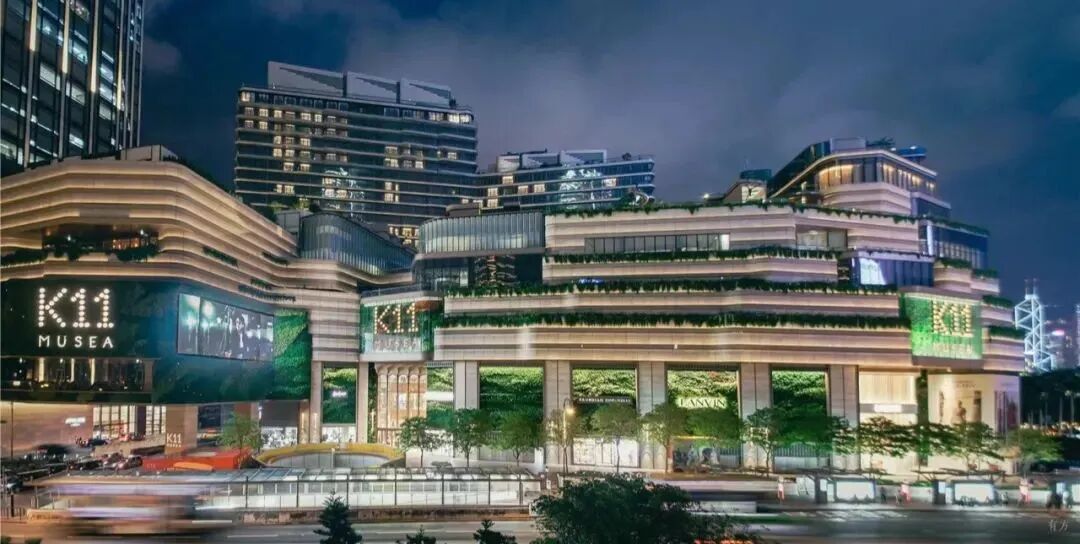
K11购物艺术中心

Search documents
第三季度上海办公楼及零售物业空置率均环比下降,办公楼交易重回主导地位
Xin Lang Cai Jing· 2025-10-15 12:57
Group 1: Office Market Performance - In Q3 2025, Shanghai's Grade A office net absorption reached 190,400 square meters, driven by cost-driven relocations and upgrades, with some industries showing expansion demand [1] - The overall vacancy rate for office buildings in Shanghai decreased by 0.1 percentage points quarter-on-quarter, with the central business district (CBD) vacancy rate dropping by 0.6 percentage points and non-CBD areas by 0.5 percentage points [1][2] - The total net absorption for the first three quarters of 2025 surpassed the entire previous year's level, reaching 270,000 square meters [1] Group 2: Rental Trends and Demand - Rental rates for office buildings continued to decline in Q3 2025, maintaining a favorable environment for tenants, influenced by the ongoing influx of new projects [2] - The demand for retail properties remained active, with net absorption in the city reaching approximately 105,500 square meters despite no new supply in Q3 2025 [3][4] Group 3: Retail Market Insights - The core shopping districts in Shanghai saw a vacancy rate decrease of 0.8 percentage points in Q3 2025, driven by brands' demand for flagship and concept stores [4] - Retail leasing activity increased significantly in tourist-heavy areas like Nanjing East Road and Xintiandi, with notable improvements in net absorption [4] Group 4: Investment Market Dynamics - The investment market in Shanghai showed signs of recovery in Q3 2025, with office transactions regaining dominance and investor interest in stable cash flows driving transactions [6][7] - A significant transaction involving the Shanghai Bohua Plaza project was completed at a price of approximately 10.8 billion yuan, marking a record for single transactions in two years and boosting confidence in core city assets [7] - Investment demand accounted for 91% of the market, indicating a strong focus on capital allocation, with high-net-worth investors and various corporate buyers actively participating [7]


新世界黄少媚:持续发力粤港澳大湾区,以K11助力擎画世界级综合消费场
Zhong Guo Xin Wen Wang· 2025-10-13 10:31
Core Insights - The opening of Guangzhou Hanxi K11 marks a significant cultural consumption initiative, aiming to create a space that attracts youth and families through cultural engagement [1][2] - The K11 brand is evolving to meet the demands of younger consumers who prioritize experience, culture, and value in their shopping environments [2][4] Group 1: Cultural and Consumer Trends - Cultural consumption is identified as a key growth area in the current market, with K11 providing a cultural space for community engagement [1][2] - The recent exhibition at Hanxi K11 features 14 giant art sculptures, making art accessible and engaging for the general public [2] - During the recent holiday period, Hanxi K11 attracted nearly 700,000 visitors within the first week of opening, with overall sales for K11 during the Golden Week increasing by 23% year-on-year [2] Group 2: Strategic Development and Market Positioning - K11's strategy emphasizes local cultural integration, with different locations adapting to their unique community needs, such as family-oriented experiences in Hanxi K11 [3][4] - New World Development's long-term approach to commercial complex development focuses on creating spaces that reflect local culture and stories, rather than imposing a fixed template [4][5] - The company has maintained a strong growth trajectory in both Hong Kong and mainland China, leveraging strategic policies to boost consumer engagement [4][6] Group 3: Future Outlook and Regional Focus - The Greater Bay Area is highlighted as a key region for economic development, with New World Development positioning itself to capitalize on this growth through innovative commercial strategies [6][7] - The opening of the second K11 in Guangzhou signifies a new phase in the company's expansion within the Greater Bay Area, enhancing its brand presence and market appeal [7] - New World Development aims to create a synergistic ecosystem in the Bay Area, focusing on cultural consumption and regional integration to enhance overall commercial attractiveness [7]

辞去所有职务,郑志刚全面退出家族企业管理
3 6 Ke· 2025-09-05 01:18
Group 1 - The Zheng family, one of Hong Kong's "Four Great Families," has a history spanning over a century, with core businesses in real estate, hotels, and jewelry, including New World Group and Chow Tai Fook Jewelry Group [1][3] - Zheng Zhigang, the grandson of the founder Zheng Yutong, has stepped down from all positions in the family business, citing a desire to focus on public service and personal matters [1][6] - Following his resignation as CEO of New World Development, the company reported a significant loss of approximately HKD 19.683 billion for the fiscal year 2024, marking its first loss in nearly 20 years [6][7] Group 2 - Zheng Zhigang has announced his entry into the short drama industry and continues to promote the development of family offices in Hong Kong as the chairman of the Hong Kong Wealth Preservation Academy [2][19] - In collaboration with JAKOTA Capital, Zheng Zhigang is investing USD 100 million to support short drama companies and related projects, with plans to start operations in March 2025 [7][8] - The Zheng family has established a family office to oversee a diversified global investment portfolio, with a new CEO office structure that includes three co-CEOs [18][19] Group 3 - The succession dynamics within the Zheng family are evolving, with Zheng Jiapun emphasizing the importance of finding a capable successor and considering external recruitment if necessary [9][16] - Zheng Zhigang's brother, Zheng Zhiming, has taken on a leadership role in New Creation, while Zheng Zhigang's younger brother, Zheng Zhilang, has also assumed significant responsibilities within the family business [14][18] - The family is focusing on a governance structure that includes family members, professional managers, and experts to ensure effective decision-making [10][16]