
Model A

Search documents
富士康战略性放弃“造车”,转向“算力基建服务”
汽车商业评论· 2025-11-22 23:49
Core Viewpoint - Foxconn is shifting its focus from electric vehicle manufacturing to AI infrastructure, recognizing the challenges in the EV market and the growth potential in AI hardware and services [15][25][40]. Group 1: AI Infrastructure Investments - Foxconn's chairman Liu Yangwei announced a partnership with OpenAI to design and manufacture AI hardware in the U.S., emphasizing the need for new architectures in AI data centers [7][9]. - The company is building a $1.4 billion AI supercomputing center in Taiwan, expected to be operational by mid-2026, utilizing NVIDIA's latest GPU technology [9][15]. - Foxconn's AI business has surpassed its traditional consumer electronics revenue for two consecutive quarters, marking a significant shift in its growth engine [15][27]. Group 2: Challenges in the Electric Vehicle Market - Foxconn has faced difficulties in the EV sector, including unstable customer relationships and low industry profitability, leading to a reassessment of its strategy [16][19][21]. - The company initially aimed to capture 5% of the global EV market by 2025 but has struggled with production and commercialization [16][20]. - The competitive landscape in China's EV market is fragmented, with many players and ongoing price wars, complicating Foxconn's efforts to replicate its smartphone success [21][22][29]. Group 3: Strategic Shift and Future Outlook - Liu Yangwei believes the upcoming consolidation in the EV market will create opportunities for Foxconn to adopt a contract manufacturing model similar to the PC industry [23][29]. - The company is positioning itself as a key player in the AI infrastructure space, which aligns with its core competencies and offers a more stable growth path [34][40]. - Foxconn aims to become the "TSMC of the EV industry," focusing on efficient, standardized manufacturing and supply chain management rather than brand competition [39][40].


苹果代工厂,买下大量B300芯片!
半导体芯闻· 2025-11-21 10:49
Core Insights - Foxconn announced a joint investment of $1.4 billion with Nvidia to build a supercomputing center, set to be completed in the first half of 2026, which will be the largest advanced GPU cluster in Taiwan and the first AI data center in Asia using Nvidia's next-generation Blackwell GB300 chips [1] - The center will have a power capacity of 27 megawatts, highlighting the scale of the investment in AI infrastructure [1] - Foxconn's new AI supercomputing and cloud business subsidiary, Visonbay.ai, is positioned to capitalize on the growing demand for AI capabilities [1] Investment and Production Capacity - Foxconn is expected to invest between $2 billion to $3 billion annually in the AI sector, driven by the demand for AI-related infrastructure [2] - The company currently produces 1,000 AI racks per week, with plans to increase this capacity next year [2] - The collaboration with Nvidia aims to implement AI technology in factories and production lines, enhancing operational efficiency [2] Electric Vehicle Development - Foxconn's electric vehicle production has reached a critical point, encouraging more automakers to outsource production to the company [2] - The company showcased its first electric vehicle, "Model A," designed by Japanese engineers, with plans for localized production in Japan [2]

Foxconn showcases 'Model A' electric vehicle at tech day event
Reuters· 2025-11-21 04:05
Core Insights - Foxconn's Chief Strategy Officer Jun Seki presented the company's "Model A" electric vehicle during a tech day event in Taipei, highlighting the company's expansion into the electric vehicle market [1] Company Developments - The introduction of the "Model A" electric vehicle signifies Foxconn's strategic move to diversify its business beyond traditional electronics manufacturing [1] - This event marks a significant step for Foxconn as it aims to leverage its expertise in technology and manufacturing to compete in the growing electric vehicle sector [1] Industry Trends - The electric vehicle market is experiencing rapid growth, prompting companies like Foxconn to explore new opportunities within this sector [1] - Foxconn's entry into the electric vehicle market reflects broader industry trends where technology firms are increasingly investing in automotive innovations [1]

5分钟上手,无照就能飞:91万「空中F1」已经排到了2027
3 6 Ke· 2025-11-01 05:03
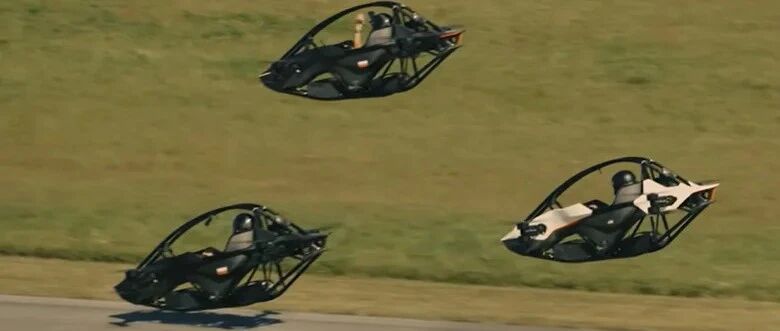
Core Insights - Jetson has introduced the Jetson ONE, a personal electric vertical takeoff and landing aircraft, which aims to revolutionize commuting [1][2] - The Jetson ONE features a lightweight design, powered by eight electric motors, and can reach a maximum speed of 63 mph (approximately 101 km/h) [2][3] - The aircraft is classified as an ultralight vehicle by the FAA, allowing operation without a pilot's license, and is designed for easy control [3] Product Specifications - The Jetson ONE weighs 121 pounds (approximately 55 kg) without the battery and 253 pounds (approximately 115 kg) with the battery [2] - It can carry a maximum payload of 210 pounds (approximately 95 kg) and has a flight time of about 20 minutes [3] - The initial price for pre-orders is set at $128,000 (approximately 910,000 RMB), with a planned increase to $148,000 (approximately 1,050,000 RMB) [3] Market Context - The UP.Summit showcased the Jetson ONE, featuring a flying competition that highlighted its capabilities [2] - The aircraft is positioned as a luxury item, primarily targeting affluent consumers [8] - Other innovative flying vehicles, such as Alef Aeronautics' Model A and the Volonaut Airbike, are also emerging in the market, indicating a growing interest in personal flying devices [9][15]

5分钟上手,无照就能飞:91万「空中F1」已经排到了2027
机器之心· 2025-11-01 04:22
Core Viewpoint - The article discusses the emergence of personal flying vehicles, particularly focusing on the Jetson ONE, a single-person electric vertical takeoff and landing aircraft, and its potential to revolutionize transportation [5][6]. Group 1: Jetson ONE Overview - Jetson ONE is a personal flying vehicle that operates on electric power, featuring eight motors and a structure made of aluminum and carbon fiber [5]. - The vehicle has gained significant attention, with a video showcasing its flight amassing over 4 million views on social media [6]. - It was introduced at the 2025 UP.Summit, where a flying competition was held, highlighting its performance capabilities [6][7]. Group 2: Specifications and Features - The Jetson ONE weighs 121 pounds (approximately 55 kg) without the battery and 253 pounds (about 115 kg) with the battery, allowing a maximum payload of 210 pounds (approximately 95 kg) [7]. - It can reach a maximum speed of 63 miles per hour (about 101 km/h) and has a maximum flight altitude of over 1,500 feet (approximately 457.2 meters) [7]. - The aircraft is classified as an ultralight vehicle by the FAA, meaning no pilot's license is required to operate it, and it can be controlled with a single joystick [7]. Group 3: Market and Pricing - The current pre-order price for the Jetson ONE is $128,000 (approximately 910,000 RMB), which will increase to $148,000 (about 1,050,000 RMB) shortly [7]. - The 2025 and 2026 models are sold out, with new orders expected to be delivered as early as 2027 [8]. Group 4: Industry Context and Comparisons - Other companies are also developing personal flying vehicles, such as Alef Aeronautics, which has created a flying car that can operate on regular roads and has a flight range of 170 kilometers [18]. - The article mentions a human-powered flying bicycle developed by students in Japan, showcasing the diversity of innovative flying vehicle designs [20]. - The Volonaut Airbike, created by the same inventor as Jetson ONE, offers a unique design without exposed propellers, but has limited practicality and a high price point of $880,000 (approximately 6.2 million RMB) [25][28].
214万元/台!马斯克“飞机汽车”来了,能飞170公里!
Zheng Quan Shi Bao· 2025-09-02 09:28
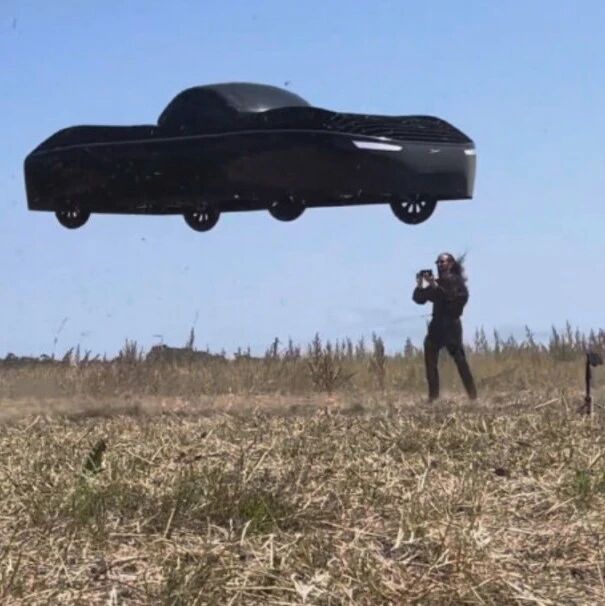
Core Insights - Alef Aeronautics has entered the trial operation phase for its electric flying car Model A, having signed agreements with Half Moon Bay and Hollister airports [1] - The collaboration aims to test various operational aspects, including vertical takeoff and landing, in a controlled airport environment, marking a significant milestone in integrating flying cars with traditional air traffic [1][2] - Model A has achieved FAA special airworthiness certification, distinguishing it as the first flying car to receive such approval, and has garnered 3,300 pre-orders priced at $300,000 each [3] Company Overview - Alef Aeronautics was founded in 2015 and has spent seven years overcoming aerodynamic and energy management challenges, leading to the development of Model A [2] - The Model A can achieve a flight range of 177 kilometers and a ground driving range of 322 kilometers on a full charge, featuring a streamlined design that reduces drag and enables quiet flight [2] - The vehicle's flexibility allows it to switch to flying mode in case of road closures, saving over 60% of time compared to traditional helicopter transport [2] Industry Context - Analysts suggest that the gradual relaxation of low-altitude economic policies may reshape urban short-distance travel, with Model A's commercialization providing a replicable operational model globally [4] - The involvement of SpaceX, led by Elon Musk, has infused aerospace-grade technology into the project, enhancing its market appeal and innovation potential [3]
214万元/台!马斯克“飞机汽车”来了,能飞170公里!
证券时报· 2025-09-02 09:23
Core Viewpoint - Alef Aeronautics has entered the trial operation phase for its electric flying car Model A, having signed agreements with Half Moon Bay and Hollister airports, marking a significant step in integrating flying cars into existing air traffic systems [1][8]. Group 1: Company Developments - Alef Aeronautics, founded in 2015, has developed the Model A over seven years, achieving significant advancements in aerodynamic design and energy management [2]. - The Model A can achieve a flight range of 177 kilometers and a ground driving range of 322 kilometers on a full charge, featuring a streamlined design that reduces drag and enables silent flight [2][3]. - The Model A is the first flying car project to receive special airworthiness certification from the FAA, distinguishing itself with a design that resembles traditional cars rather than conventional flying vehicles [3]. Group 2: Market Position and Future Plans - The Model A is priced at $300,000 (approximately 2.14 million RMB) and has received 3,300 pre-orders from various sectors, including emergency rescue and high-end commuting [7]. - The trial phase will focus on testing the coordination of airspace around airports, gathering data for mass production scheduled for 2026 [7]. - The involvement of SpaceX, led by Elon Musk, has infused aerospace-grade technology into the project, enhancing its market appeal [7]. Group 3: Industry Implications - Analysts suggest that the gradual relaxation of low-altitude economic policies could lead to a transformation in urban short-distance travel, with Model A's commercialization providing a replicable operational model globally [8].
马斯克投资的飞行汽车在机场试运营,无外露螺旋桨,水平飞行可达177公里,214万元一辆,只能乘坐两人
Mei Ri Jing Ji Xin Wen· 2025-09-02 07:31
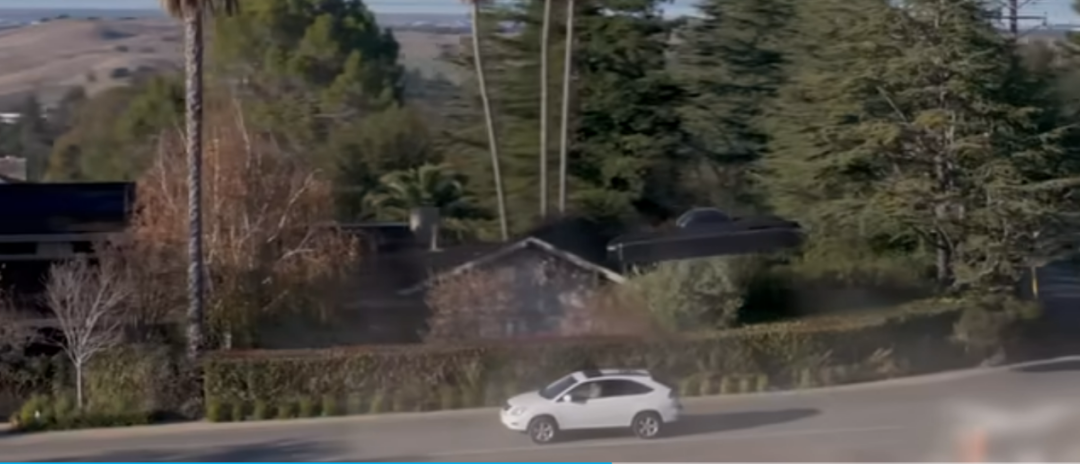
Core Insights - Alef Aeronautics has developed a flying car, Model A, which has signed agreements with two airports for trial operations [1] - Model A features a unique design that resembles traditional cars, with hidden wheels and a spherical cabin, allowing for both vertical and horizontal takeoff [1] - The flying car can travel up to 177 kilometers in the air and 322 kilometers on the ground, with a price tag of $300,000 (approximately 2.143 million RMB) [1] Group 1 - Alef Aeronautics has been working on flying car technology for about ten years, receiving initial seed funding of $3 million from Tim Draper in 2017 [4] - The company has also secured investment from SpaceX, founded by Elon Musk [6] - Alef is currently developing a second flying car, Model Z, expected to have a starting price of $35,000 (approximately 250,000 RMB) and is planned for release in 2035 [6]
马斯克投资公司新动作,美国纯电动飞行汽车启动试运营
Xuan Gu Bao· 2025-08-27 23:18
Group 1: Electric Vertical Takeoff and Landing (eVTOL) Industry - Alef Aeronautics has launched testing operations for its electric flying car Model A in California, with a price tag of $300,000 and 3,300 orders received, expected to deliver next year [1] - Model A can achieve a horizontal flight range of 177 kilometers and a ground driving range of 322 kilometers on a full charge [1] - The eVTOL industry is expected to see competition primarily between the US and China, focusing on breakthroughs in power systems, regulatory improvements, and market deployment [1] Group 2: Low Altitude Economy - The low altitude economy is accelerating, with increasing orders for low-altitude flying vehicles and successful applications in tourism and emergency scenarios [2] - Companies are transitioning from prototype development to small batch production, which is expected to expedite formal mass production [2] - CITIC Offshore Helicopter has launched a low-altitude travel service platform in Shenzhen Bay, offering urban sea view flight experiences [2] Group 3: Company Involvement - Huazhong Xinchuang is deeply involved in the development and product definition of the cockpit display system for XPeng's flying vehicle [3]
低空经济周报(02.17-02.23):广东省省长王伟中莅临小鹏汇天调研,马斯克投资飞行汽车AlefAeronautics产品ModelA完成垂直起降测试-2025-02-25
Jinyuan Securities· 2025-02-25 08:57
Investment Rating - The report maintains an "Overweight" rating for the low-altitude economy sector [3][48]. Core Insights - The low-altitude economy index experienced a decline of 0.6% this week, with a relative increase of -1.09%. The average daily trading volume reached 31.45 billion yuan, reflecting a 124.07% percentile over the past year. The price-to-earnings ratio (TTM) stands at 80.32, indicating a further increase in valuation despite continued net outflows of main funds [3][10]. Sector Performance - The top five performing stocks this week include Shangong Shenbei, Zhonghua Yantu, China Unicom, Andaviel, and CITIC Haizhi. Conversely, the five stocks with the largest declines are Baotai Co., Xiaopeng Motors, Wolong Electric Drive, Weimaisi, and ZTE [4]. Industry Dynamics - Changchun has launched the first domestic low-altitude industry model "Zidong Changkong," which integrates multi-modal perception and real-time decision-making capabilities for the low-altitude economy [6][18]. - The low-altitude flight service platform in Nanjing has entered public testing, allowing enterprises and users to declare flight routes and airspace [6][19]. - Chengdu has signed 47 major projects in the low-altitude economy and commercial aerospace sector, with a total investment exceeding 50 billion yuan, marking a new phase of cluster development [6][20]. Policy Developments - The "Testing Guidelines for Low-altitude Flight Service Guarantee Infrastructure" were released in Suzhou, outlining testing processes and site specifications [38]. - Zhejiang Province has issued an action plan for the development of low-altitude economy in agriculture, aiming for comprehensive coverage of agricultural drones by 2027 [38][40]. Key Company Updates - Xiaopeng Huitian received a visit from Guangdong Province's governor, who inquired about the development of the low-altitude economy and the company's progress [7][42]. - Alef Aeronautics, backed by Elon Musk, has completed vertical takeoff and landing tests for its Model A flying car, which has received 3,300 pre-orders and is expected to retail for approximately 300,000 USD [7][45]. - Doroni has secured a strategic investment of 30 million USD to advance the development of its H1-X eVTOL aircraft [7][44].