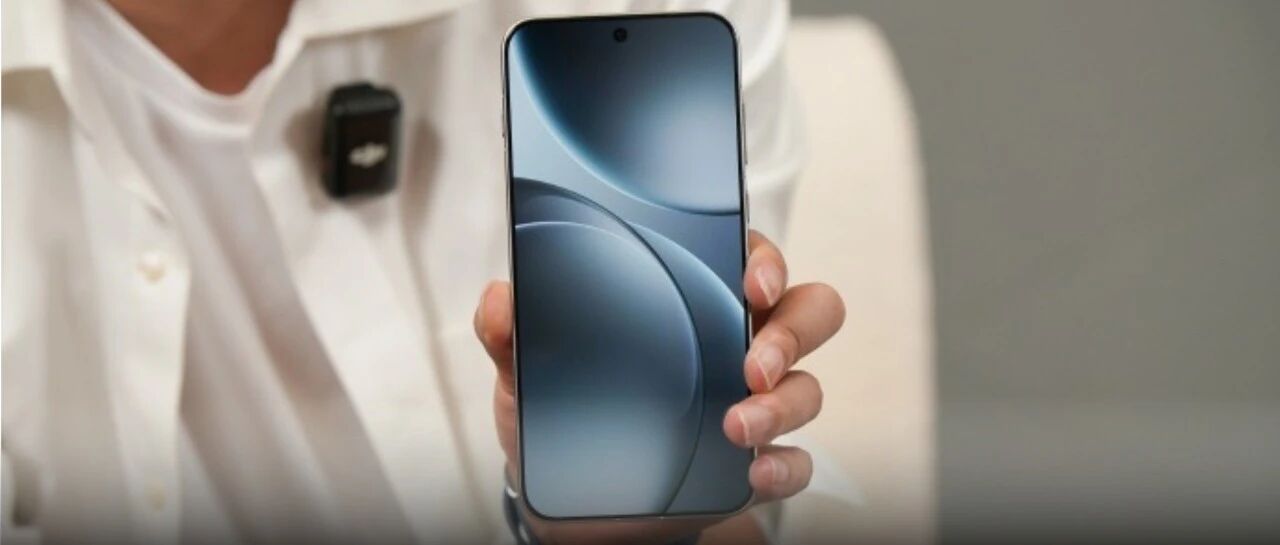
OPPO Find X9系列手机

Search documents
“一天一个价!”比黄金还猛!消费者:一个月,价格涨了一两千元
Zhong Guo Jing Ji Wang· 2025-11-14 04:40
Core Insights - The storage industry is experiencing a super cycle driven by AI giants' aggressive procurement, leading to significant price increases for memory products [1][5][10] - The rising costs are impacting smartphone manufacturers, particularly during the peak sales season of "Double 11" [1][3][11] Group 1: Price Surge and Market Dynamics - Prices for solid-state drives and memory modules have doubled in just two months, with DRAM prices increasing by 171.8% year-on-year in Q3 [1][5] - Major manufacturers like Samsung and SK Hynix have halted contract pricing for DDR5 DRAM due to rapid price increases [1][5] - The demand for storage is being driven by AI data centers and cloud service providers, who are less price-sensitive and are engaged in a "computing arms race" [5][6] Group 2: Impact on End Products - Smartphone manufacturers like Xiaomi are raising prices for new models due to increased memory costs, with significant price hikes noted for the K90 series [3][11] - The price of PC components has also surged, with reports of increases of 1,000 to 2,000 yuan for certain models during the "Double 11" sales [12] - The overall gross margin for companies like Xiaomi has been affected, dropping from 14.6% to 12.6% due to rising core component prices [11] Group 3: Future Outlook and Strategies - The current supply constraints are expected to persist, with many manufacturers locking in orders for 2027, exacerbating the tight supply situation [10][13] - Companies are exploring ways to mitigate the impact of rising memory costs by developing smaller models and enhancing storage chip capabilities [14][15] - The competition for HBM (High Bandwidth Memory) is intensifying, with major players like Samsung aiming to secure a leading position in the next generation of memory technology [6][9]

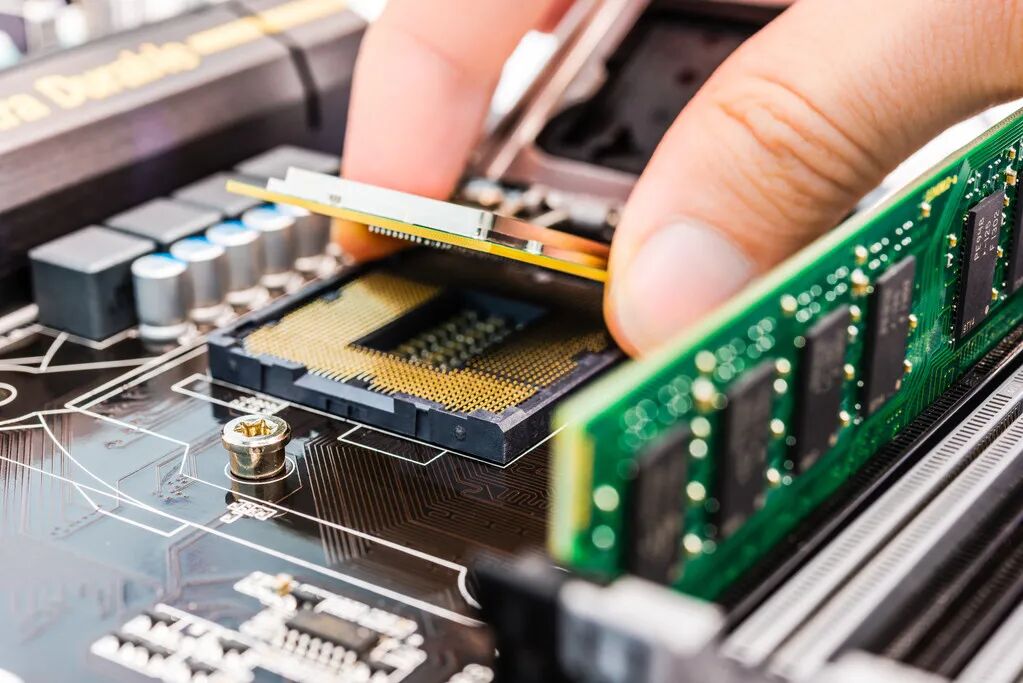
疯狂的内存,被炒成了“金条”
虎嗅APP· 2025-11-13 09:47
Core Insights - The article discusses the significant price surge in memory storage products driven by AI companies' aggressive procurement strategies, leading to a super cycle in the storage industry [4][5][9] - The price of DRAM chips has increased by 171.8% year-on-year in Q3, with SSD prices also doubling in a short period [4][6] - Major tech companies are investing heavily in AI data centers, which is a key factor pushing storage prices higher [9][11] Group 1: Price Surge and Market Dynamics - AI giants are hoarding memory products, causing a drastic increase in prices, with solid-state drives and memory modules seeing prices double within two months [4][5] - The price of a 16GB Samsung DDR4 memory module rose from 200 yuan in September to 400 yuan in November, compared to just over 100 yuan for the same product last year [4] - Companies like Xiaomi are facing challenges in maintaining profit margins due to rising storage costs, with their smartphone gross margin dropping from 14.6% in 2023 to 12.6% in 2024 [12] Group 2: Impact on End Products - The price increases have affected consumer electronics, with smartphone prices rising significantly; for instance, Xiaomi's K90 series saw a price increase of 600 yuan for a specific model [5][12] - PC components are also experiencing price hikes, with some consumers reporting increases of 1,000 to 2,000 yuan for desktop PCs during the shopping season [13] - Companies are struggling to manage the impact of rising storage costs on their product pricing and sales strategies [13] Group 3: Future Outlook and Industry Response - The demand for storage is expected to continue outpacing supply, with many manufacturers already locking in orders for 2027 [11] - Companies are exploring ways to mitigate the impact of rising costs, such as developing smaller AI models that require less memory [14][15] - The industry is also focusing on increasing production capacity for memory chips to stabilize prices in the long term [14][15]

数码产品换着花样“掏”消费者钱包
Mei Ri Shang Bao· 2025-10-21 22:57
Group 1 - Vivo recently launched the X300 series flagship phone along with a "photographer's kit" that includes a 2.35x telephoto lens and various accessories, priced at 8299 yuan for the 16GB+1TB storage model, compared to 6699 yuan for the base package [1] - Oppo introduced the Find X9 series with the "Hasselblad Professional Imaging Kit," which includes a telephoto lens and other accessories, priced at 1699 yuan, with the option to purchase just the lens for 1099 yuan [1] - The trend of bundled sales in the digital product market is becoming increasingly common, with brands offering various combinations of products tailored to different consumer needs and occasions [2] Group 2 - The rise of bundled sales reflects a shift in consumer demand, where customers are looking for comprehensive solutions rather than single products, as seen in the example of camera kits that include multiple accessories [2] - Brands are creatively marketing bundled products to attract consumers, such as Meizu's special package for the Qixi Festival and Vivo's collaboration with popular IPs for themed bundles [2] - Industry insiders note that while bundled sales are convenient, they can sometimes lead to issues like price opacity and mismatched products, urging manufacturers to be more transparent and consumers to make rational purchases [3]
ColorOS 16系统相册上新AI人像补光功能 官方称“出门自带反光板”
Feng Huang Wang· 2025-09-25 06:06
Core Points - OPPO and OnePlus announced the new AI portrait enhancement feature in the Color OS 16 system, claiming it can "bring a reflector on the go" and "one-click fix for bad photos" [1] - The OPPO Find X9 series will be launched on October 16, featuring the Dimensity 9500 flagship chip and the new generation Tide Engine, along with the ColorOS 16 system [1] - The new device will utilize a small matrix camera DECO and will be available in four color options: Velvet Titanium, Glossy Titanium, Frost White, and Mist Black [1] - The Velvet Titanium variant will feature a new velvet process, with a nearly bezel-less perfect flat screen and a metal right-angle edge design, enhancing the overall quality [1]
OPPO Find X9系列手机官宣10月16日发布:首批搭载天玑9500旗舰芯
Feng Huang Wang· 2025-09-22 08:46
Core Viewpoint - OPPO is set to launch the Find X9 series smartphone on October 16, featuring the Dimensity 9500 flagship chip and a new generation of tidal engine technology [1] Group 1: Product Features - The Find X9 series will globally debut the Tianma "Tian Gong" display, which includes multiple eye protection technologies such as flicker-free, 1 nit eye care, low blue light, and adaptive ambient light [1] - The peak brightness of the display will reach 3600 nits, enhancing visibility in various lighting conditions [1] - The new smartphone will also be the first to feature the ColorOS 16 system, which will be released on October 15 [1]
地平线明年发布并争取量产舱驾一体芯片;OPPO Find X9系列显示屏将由深天马独供丨智能制造日报
创业邦· 2025-09-20 03:06
Group 1 - Northrop Grumman's "Cygnus" cargo spacecraft successfully docked with the International Space Station, delivering approximately 5000 kilograms of scientific materials and supplies, marking the company's 23rd resupply mission for NASA [2] - The OPPO Find X9 series will feature displays exclusively supplied by Tianma, with pre-orders already initiated [2] - Jiangsu Province launched its largest user-side energy storage station, capable of storing 240 megawatt-hours, which can meet the daily electricity needs of about 25,000 households [2] - Horizon Robotics plans to release a new integrated cockpit chip in 2026, with mass production expected next year, representing a significant advancement in intelligent driving technology [2]


天马将供屏OPPO Find X9
WitsView睿智显示· 2025-09-17 10:09
Core Viewpoint - OPPO is set to launch the Find X9 series smartphone featuring the world's first "1nit" eye-care display, developed in collaboration with Tianma, showcasing advanced screen technology and manufacturing capabilities [2][3]. Group 1: Product Features - The Find X9 series will utilize a custom screen from Tianma, built on OPPO's exclusive high-spec screen production line, alongside self-developed scientific production lines [2]. - The "明眸护眼屏" (Eye-Care Display) incorporates low-brightness high-precision circuits, new eye-care materials, and a new Display P3 chip, achieving full-scene true 1nit brightness, high-frequency PWM dimming, and a peak brightness of 3600nit [3]. - The development of this display took three years and involved significant costs, marking it as the most sincere eye-care screen in the Find X series [4]. Group 2: Comparison with Previous Models - The previous generation, Find X8/X8s, also featured screens supplied by Tianma, while the Find X8 Pro/X8 Ultra utilized BOE screens. The Find X8s had a 6.3-inch 1.5K flat display with 460 PPI, peak brightness of 1600nit, and support for 1.7 billion colors and adaptive refresh rates [6].